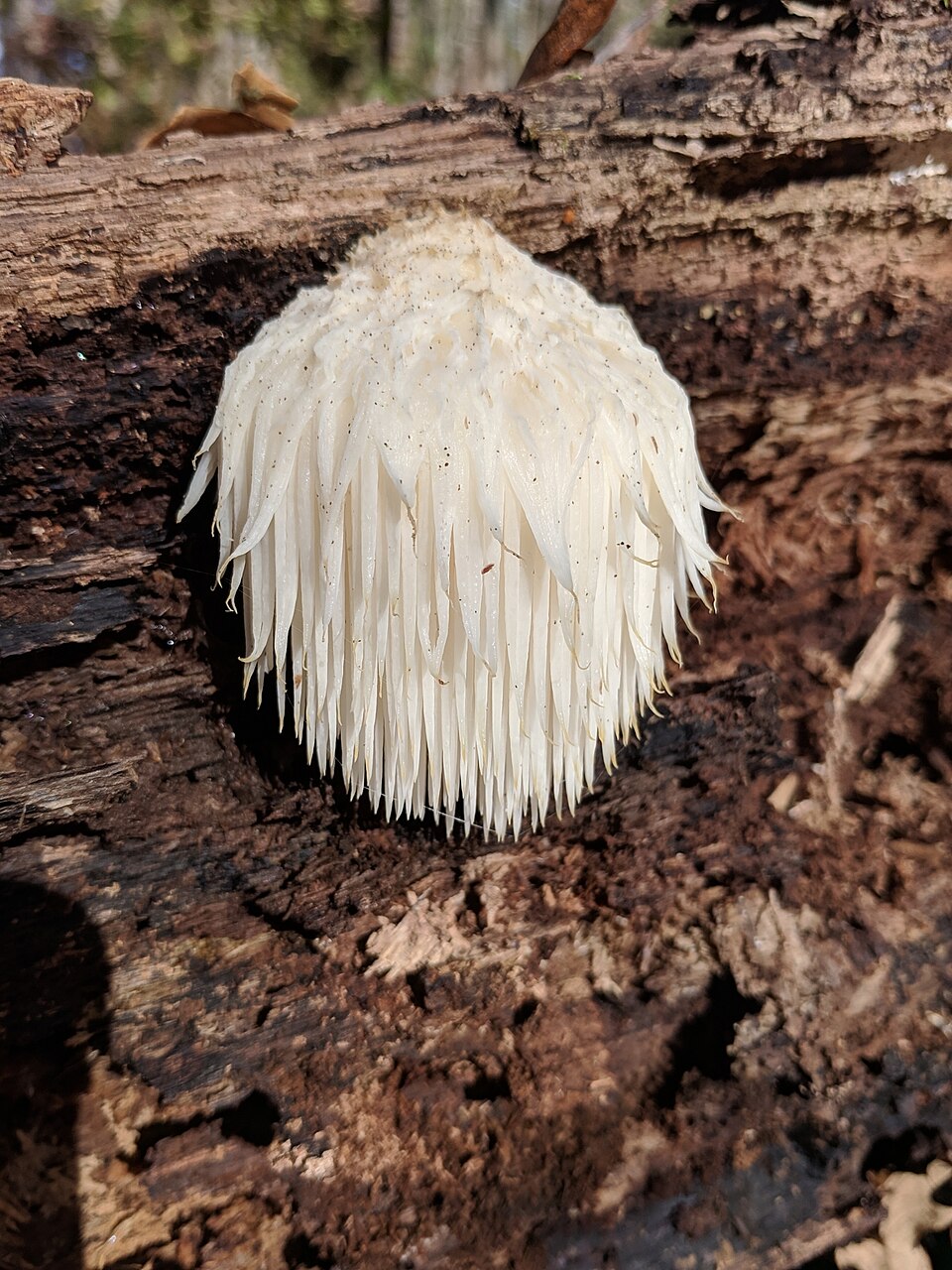
What is Lion's Mane?
Lion's mane is a fungus, not a plant: instead of a cap it grows as a cascade of soft white spines on the wounded trunks of oaks, beeches and other hardwoods. A prized edible in Chinese and Japanese cooking and a traditional tonic for the stomach, it is now one of the most popular "brain" supplements. It contains two unusual groups of compounds — hericenones in the fruiting body and erinacines in the mycelium — which stimulate nerve growth factor in lab studies.
Human evidence is early and small. A few short trials, including one in older Japanese adults with mild cognitive impairment, found modest improvements in cognitive test scores that faded after people stopped taking it; other small studies have looked at mood, anxiety and processing speed with mixed results. It is an intriguing, well-tolerated food with promising lab data — not a proven treatment for memory loss or dementia.
Benefits & uses
Early support for memory and thinking
In a small placebo-controlled trial in older adults with mild cognitive impairment, daily lion's mane powder modestly improved cognitive scores over 16 weeks; benefits faded after stopping. Larger trials are needed.
Nerve growth in the lab
Hericenones and erinacines encourage nerve growth factor production and nerve regeneration in cell and animal studies. This is the basis of the hype, but it has not been shown to repair nerves in people.
Mood and anxiety
A couple of small human studies suggested improvements in mild anxiety and low mood over several weeks. The findings are preliminary and should not replace proper care for depression or anxiety.
Gut and stomach tradition
Traditionally used in Chinese medicine for the stomach, and animal studies suggest it may protect the gut lining and support gut bacteria. Human evidence is limited.
A superb edible mushroom
Fresh lion's mane is tender and mild, with a texture often compared to crab or lobster. Eating it is the most enjoyable way to include it in your diet.
How to use it
Cook it fresh
Tear into pieces and dry-fry in a hot pan to drive off water, then add butter or oil and cook until golden and crisp at the edges, 8–10 minutes. Season simply with salt, garlic and lemon.
Powder or capsules
Human studies have typically used around 1–3 g daily of dried fruiting body powder or extract. Give it at least 8–12 weeks before judging.
Check what you are buying
Many products are mycelium grown on grain, which can be mostly starch. Look for fruiting body extracts, or products that state their beta-glucan content.
In drinks
Stir powder into coffee, cocoa or smoothies. It has a mild, slightly earthy taste that is easy to hide.
⚠️ Precautions
- Allergy: people allergic to mushrooms may react, and there are isolated reports of skin rash and breathing difficulty after taking lion's mane. Stop if you notice itching, rash or wheezing.
- Diabetes medicines: animal studies suggest it may lower blood sugar; monitor your levels if you combine it with diabetes treatment.
- Blood thinners: it may have mild anti-platelet effects in the lab, so take care with warfarin, aspirin and similar drugs, and stop before surgery.
- Pregnancy and breastfeeding: eating it occasionally as food is likely fine, but avoid supplements as there is no safety data.
- Serious toxicity has not been reported at normal doses, but long-term supplement safety has not been well studied. Mild stomach upset is the most common side effect.
This is general information, not medical advice — check with a health professional before using Lion's Mane to treat a condition or alongside medication.
Frequently asked questions
Can lion's mane prevent dementia?
There is no evidence that it prevents or treats dementia. Early trials are encouraging but small; if you are worried about memory, see a doctor.
Fruiting body or mycelium — which is better?
They contain different compounds (hericenones versus erinacines), and research has used both. Whichever you choose, check the label for real mushroom content rather than grain filler.
Can I forage it?
It is distinctive and has no dangerous lookalikes, but it is rare and protected in some countries, including parts of the UK. Buy cultivated mushrooms or grow your own from a kit.
Comments