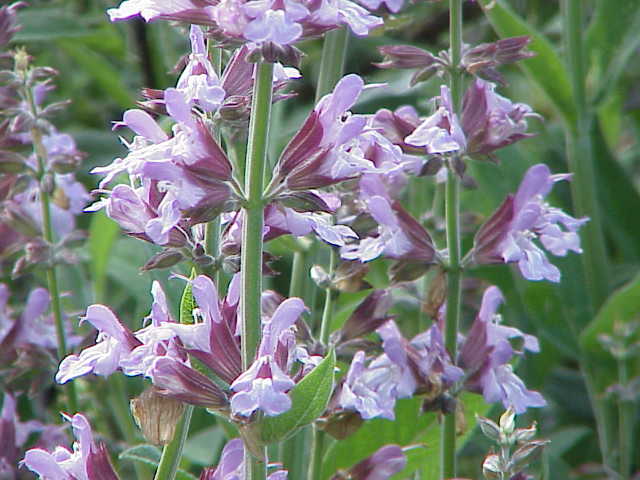
¿Qué es Sage?
Garden sage is a shrubby Mediterranean mint-family herb whose Latin name comes from salvere, "to be well" — medieval Europe held it in such esteem that a proverb asked why anyone with sage in their garden should die. Its warm, resinous flavour comes from volatile oils including camphor, cineole and thujone, alongside antioxidant compounds such as rosmarinic and carnosic acid.
Sage is a traditional remedy for sore throats, excessive sweating and indigestion, and European herbal regulators recognise those traditional uses. Small human trials also hint at benefits for menopausal hot flushes and for memory and attention, but they are few and short. The important caveat is thujone: harmless in cooking amounts, but neurotoxic in large doses — so concentrated sage oil and high-dose extracts call for real caution.
Beneficios y usos
Soothes sore throats
Sage gargles and sprays are a long-standing European remedy for inflamed throats and mouths. One placebo-controlled trial of a sage throat spray found faster symptom relief than placebo; gargling cooled sage tea is the traditional home version.
May reduce hot flushes and sweating
Sage is a traditional remedy for excessive sweating, and small open studies in menopausal women reported fewer and milder hot flushes with fresh-sage preparations. Placebo-controlled confirmation is still limited.
Memory and attention (early evidence)
A handful of small, short trials found single doses of sage extract or oil (some using the related Spanish sage) improved memory or attention in healthy adults, and one small trial reported modest benefits in mild to moderate Alzheimer's disease. Promising, but far from proven.
Settles a heavy meal
Sage has been cooked with fatty meats for centuries and is a traditional digestive herb for bloating and indigestion — traditional use rather than trial-backed.
Cómo usarla
In cooking
Sage is strong — a few leaves go a long way. Classic with pork, sausages, poultry stuffing, beans, squash and gnocchi. Add it early so the flavour mellows, or crisp it as below.
Crispy sage and brown butter
Fry whole leaves in butter over medium heat for 30–60 seconds until crisp and the butter smells nutty. Spoon over pasta, ravioli, roasted squash or eggs.
Sore-throat gargle
Steep 1–2 tsp dried sage (or 5–6 fresh leaves) in a cup of just-boiled water, covered, 10 minutes. Cool to warm, then gargle several times a day without swallowing large amounts.
Tea, occasionally
1 tsp dried leaf per cup, 5–10 minutes, 1–2 cups daily. Keep medicinal courses short — a week or two — rather than drinking strong sage tea daily for months.
Grow it
Easy in a sunny, well-drained spot; tolerates drought. Trim in spring to keep plants bushy, and replace every few years when they get leggy.
⚠️ Precauciones
- Pregnancy: culinary sage is fine, but avoid sage essential oil, high-dose extracts and regular medicinal teas — thujone is a concern, and sage was traditionally believed to stimulate the uterus.
- Breastfeeding: sage is traditionally used to reduce milk supply when weaning, so avoid medicinal amounts unless that is what you want.
- Epilepsy: thujone can trigger seizures in large amounts. People with epilepsy or a seizure history should avoid sage oil and concentrated extracts and not drink strong sage tea in quantity.
- Sage essential oil must never be swallowed; seizures have been reported after ingestion. Keep it away from children and pets, and do not give children medicinal sage preparations.
- Medication: concentrated sage may affect blood sugar and could interact with diabetes medication, sedatives and anticonvulsant drugs — check with a pharmacist before taking supplements.
- People allergic to other mint-family herbs may react to sage.
Esta es información general, no consejo médico. Consulta a un profesional de la salud antes de usar Sage para tratar una afección o junto con medicamentos.
Preguntas frecuentes
Is sage safe to eat, given the thujone?
Yes — the thujone in a sprinkling of leaves in cooking is tiny. The risks relate to essential oil, concentrated extracts and large amounts of strong tea taken for long periods.
Does sage really dry up breast milk?
It's a traditional weaning remedy, and many midwives and lactation consultants mention it, but proper studies are lacking. If you are breastfeeding and want to keep your supply, stick to culinary amounts.
Is white sage the same plant?
No. White sage (Salvia apiana) is a Californian species used in Native American ceremonial smudging. It is not a culinary herb, and over-harvesting of wild plants is a real concern.
Comentarios