Guías de plantas
70 planta(s), todas tratadas de la misma manera: qué es, sus beneficios, cómo usarla y sus precauciones.
Todas Adaptógeno 6 Alergias 1 Antiinflamatorio 3 Antioxidante 16 Aromaterapia 3 Articulaciones 3 Azúcar en sangre 4 Básico de cocina 1 Calma 5 Concentración 6 Corazón 9 Digestión 20 Dolor de cabeza 2 Energía 4 Especia de cocina 19 Estado de ánimo 2 Estrés 5 Hongo 6 Hormonas 2 Hígado 2 Infusión 8 Inmunidad 8 Lactancia 2 Memoria 6 Menstruación 2 Náuseas 1 Ojos 2 Piel 6 Planta comestible 14 Primeros auxilios 6 Resfriados 6 Respiratorio 6 Salud intestinal 2 Sueño 6 Tensión arterial 4 Vías urinarias 3
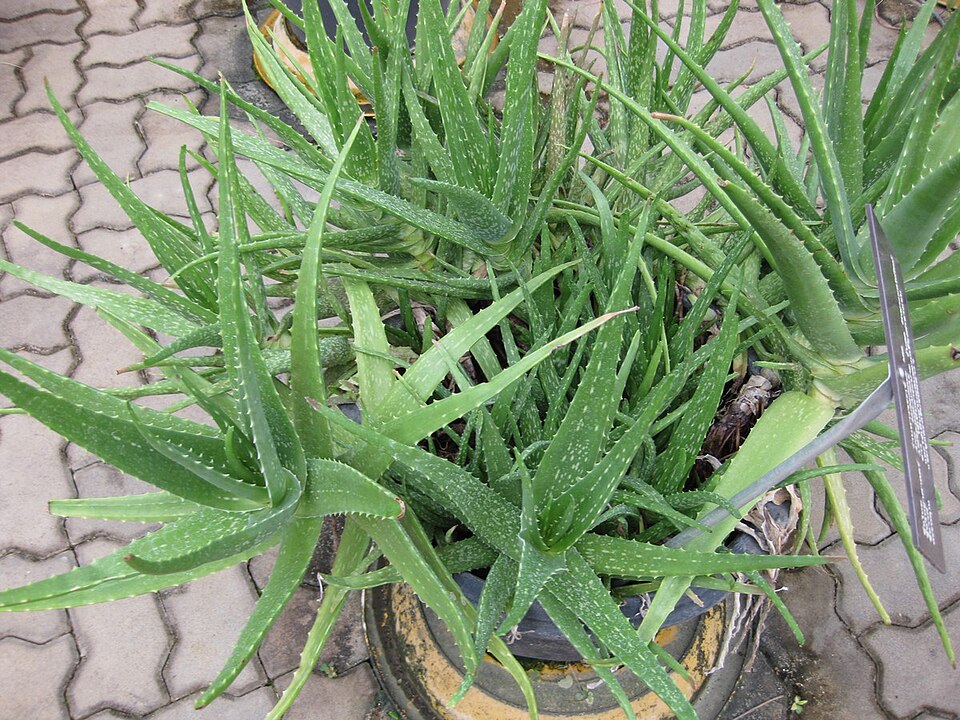
Aloe vera
Aloe barbadensis miller
La suculenta cuyo gel ha sido un remedio casero para quemaduras e irritaciones de la piel durante miles de años.
Leer la guía →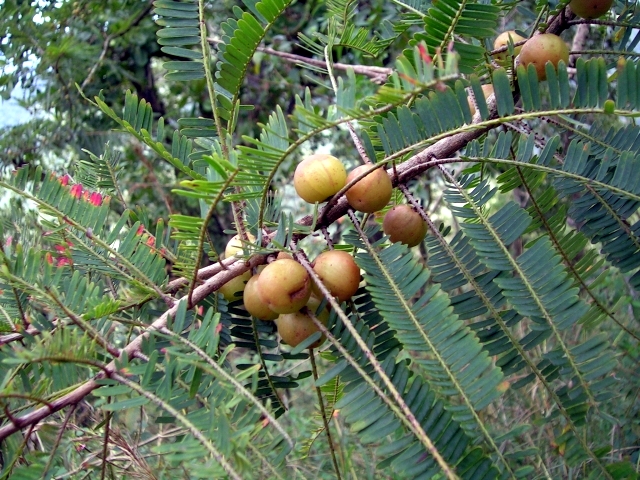
Amla / Indian Gooseberry
Phyllanthus emblica
Ayurveda's sour green fruit — a vitamin C powerhouse and the backbone of Triphala and chyawanprash.
Leer la guía →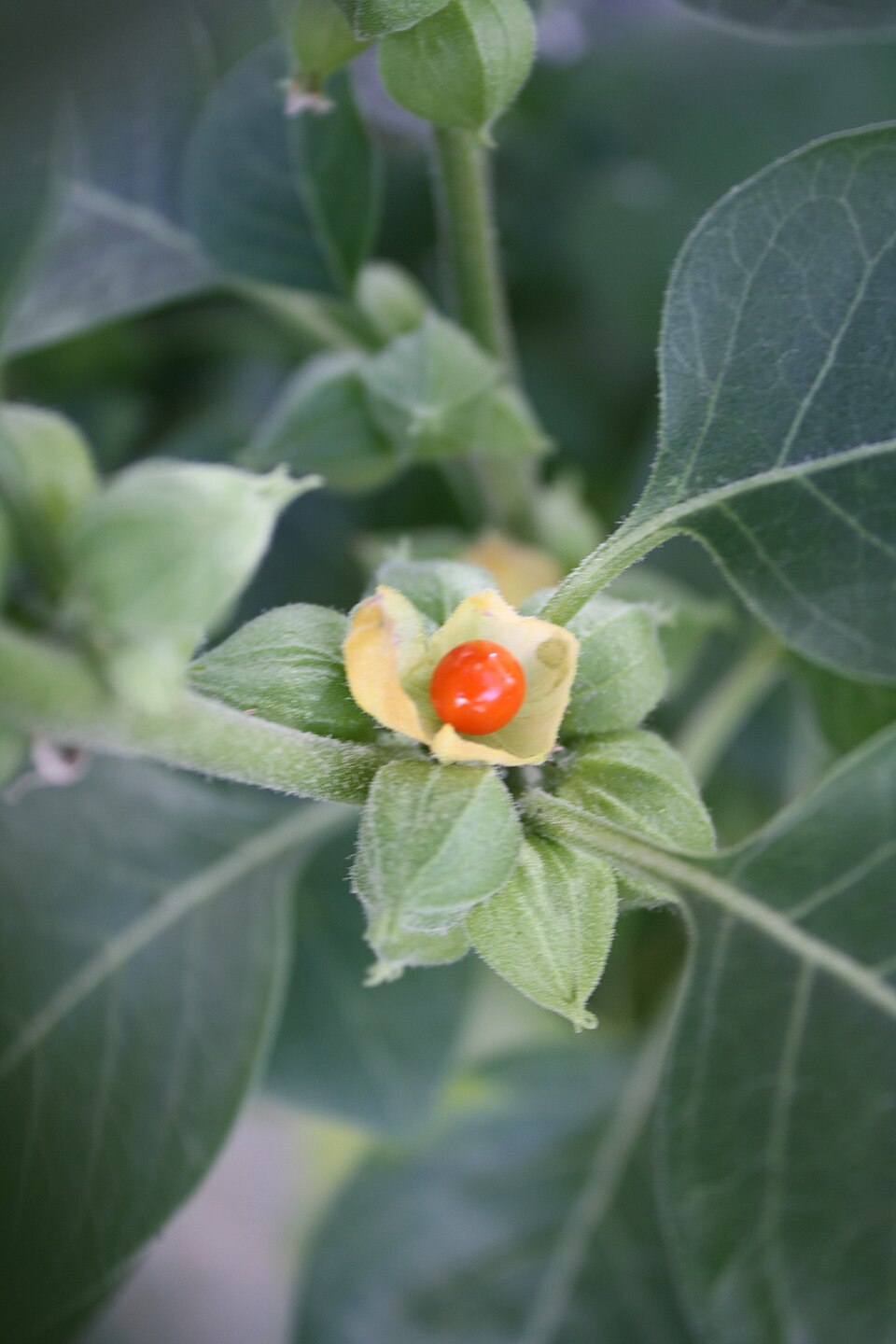
Ashwagandha
Withania somnifera
Ayurveda's premier "strength of a stallion" root, now a heavily studied stress adaptogen.
Leer la guía →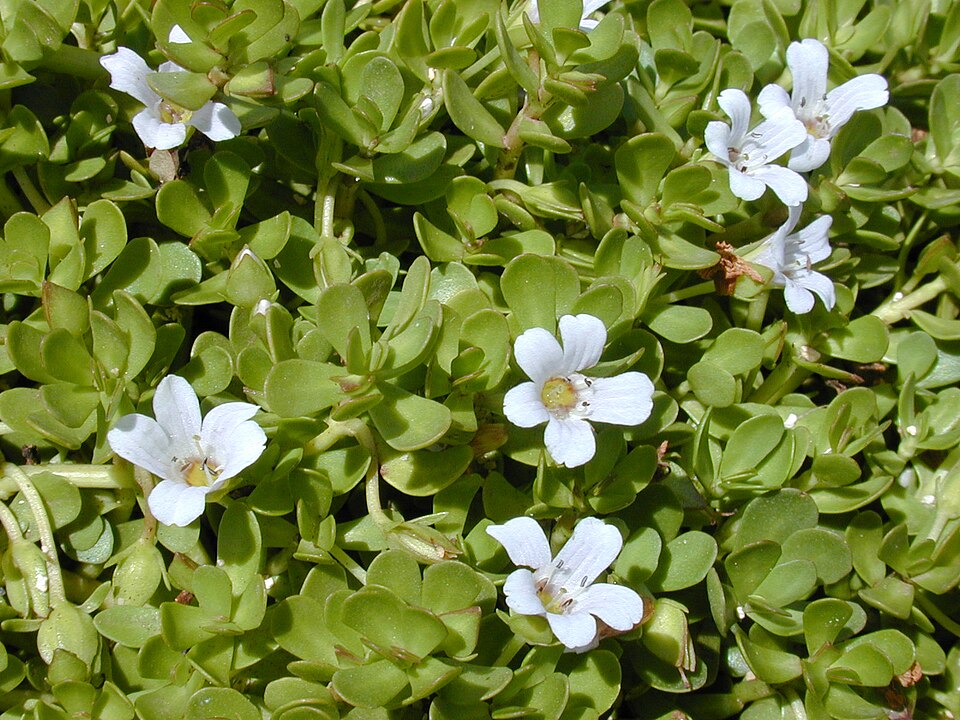
Bacopa
Bacopa monnieri
Ayurveda's marsh-growing memory herb — one of the few "brain" supplements with real trial data, if you can wait three months.
Leer la guía →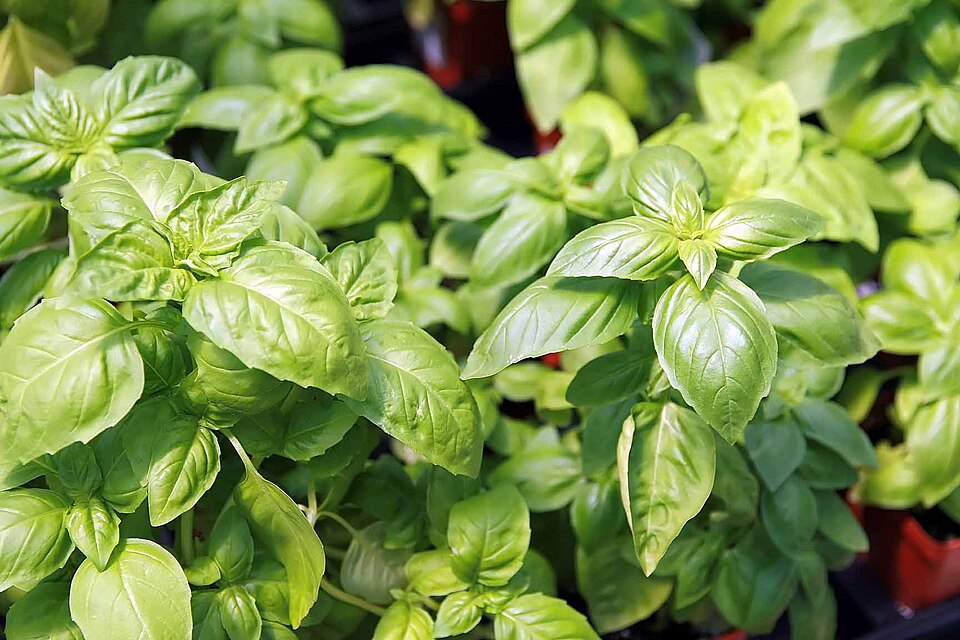
Basil
Ocimum basilicum
The sweet, clove-and-anise scented leaf of summer — at its best torn fresh over tomatoes and never cooked for long.
Leer la guía →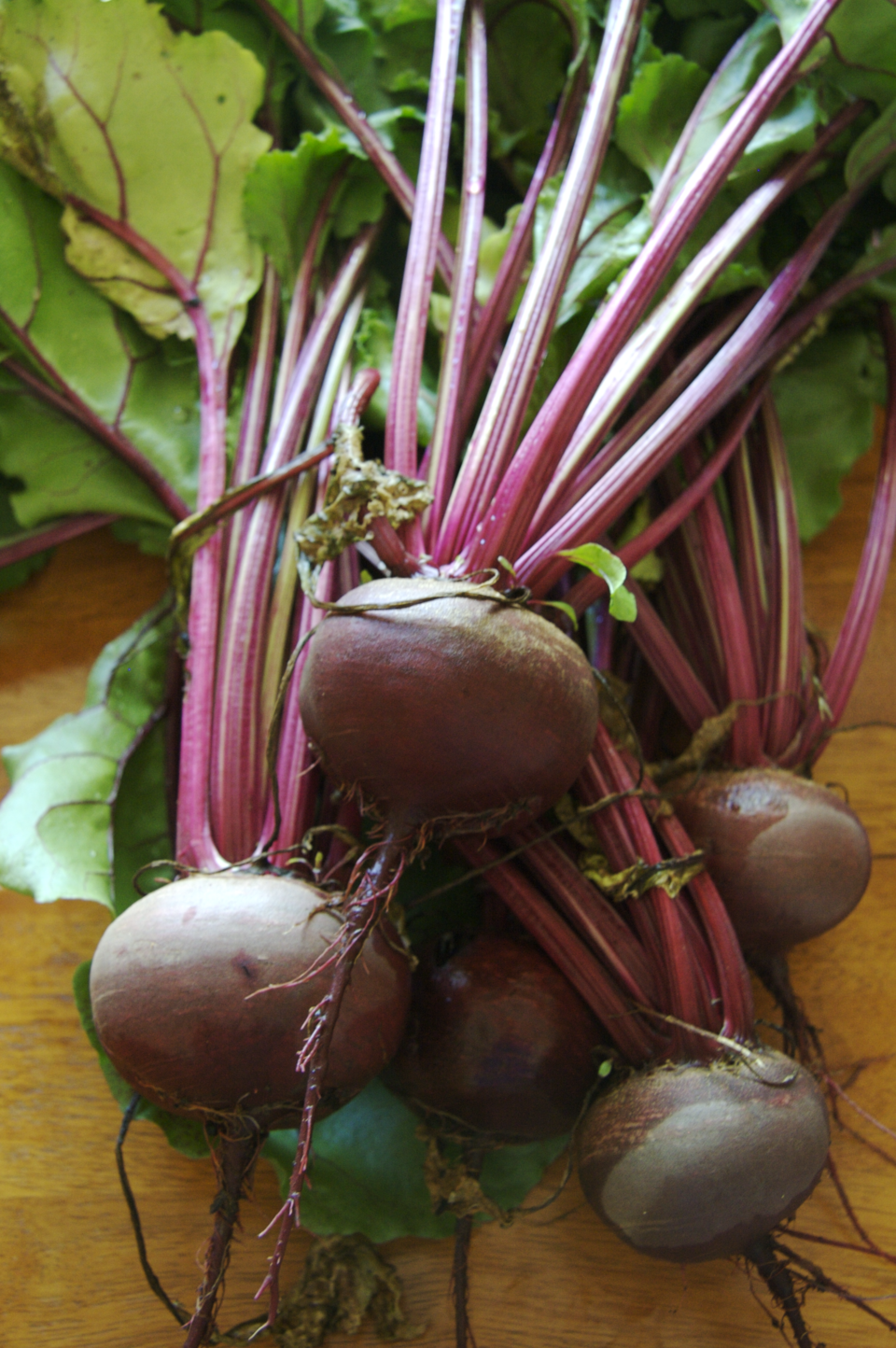
Beetroot
Beta vulgaris
The earthy purple root whose natural nitrates can nudge blood pressure down and help your muscles work more efficiently.
Leer la guía →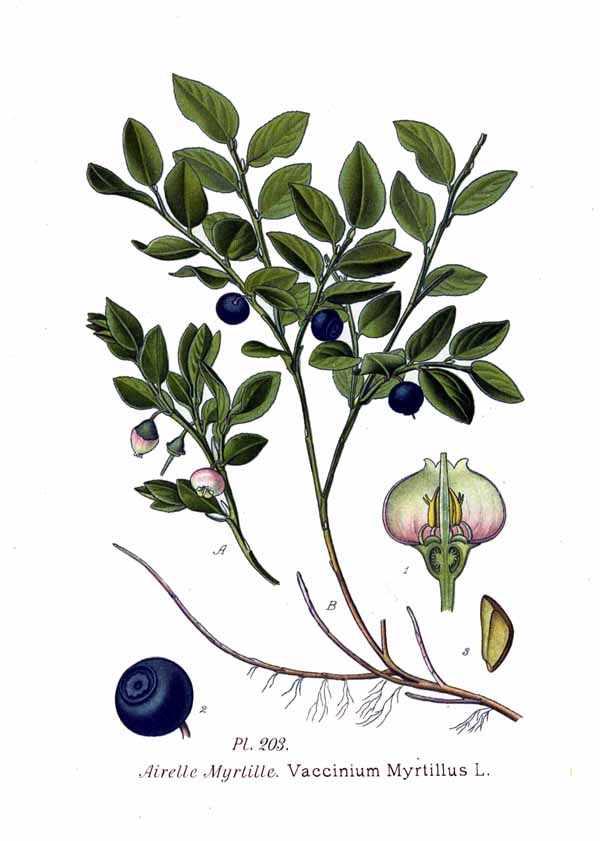
Bilberry
Vaccinium myrtillus
Europe's wild blueberry, deep purple to the core — delicious and antioxidant-rich, though its famous night-vision legend doesn't hold up.
Leer la guía →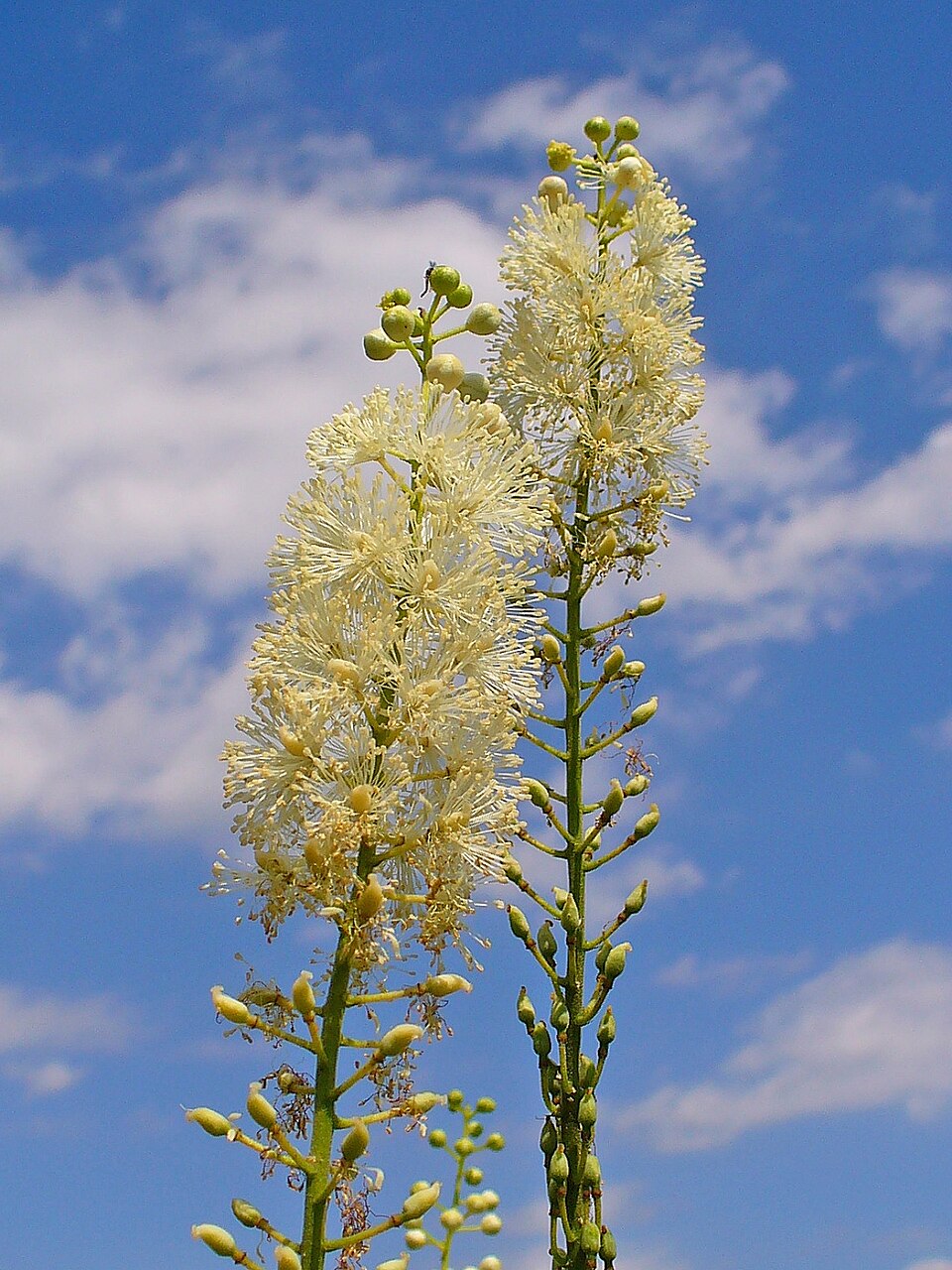
Black Cohosh
Actaea racemosa
A tall woodland root from eastern North America, now one of the most-used herbal remedies for menopausal hot flushes — with mixed results.
Leer la guía →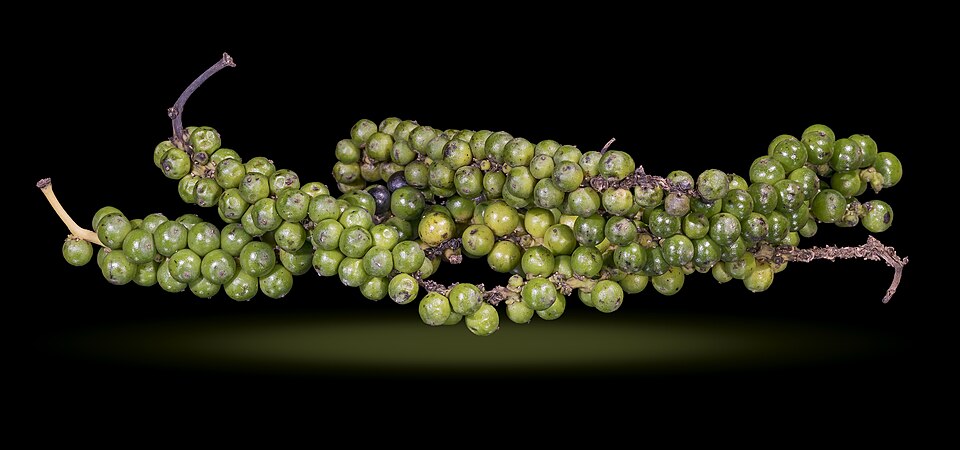
Black Pepper
Piper nigrum
The king of spices, best ground fresh at the table — and a quiet booster of how much of some nutrients and drugs your body absorbs.
Leer la guía →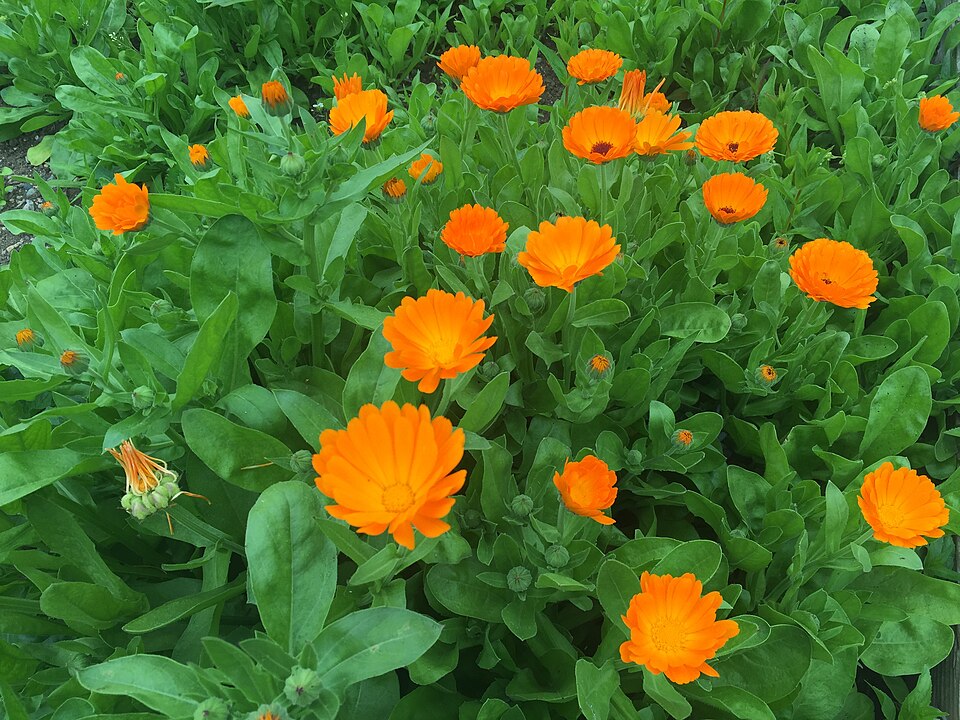
Calendula
Calendula officinalis
The cheerful orange pot marigold that has soothed scrapes, rashes and sore skin for centuries — best used on the outside.
Leer la guía →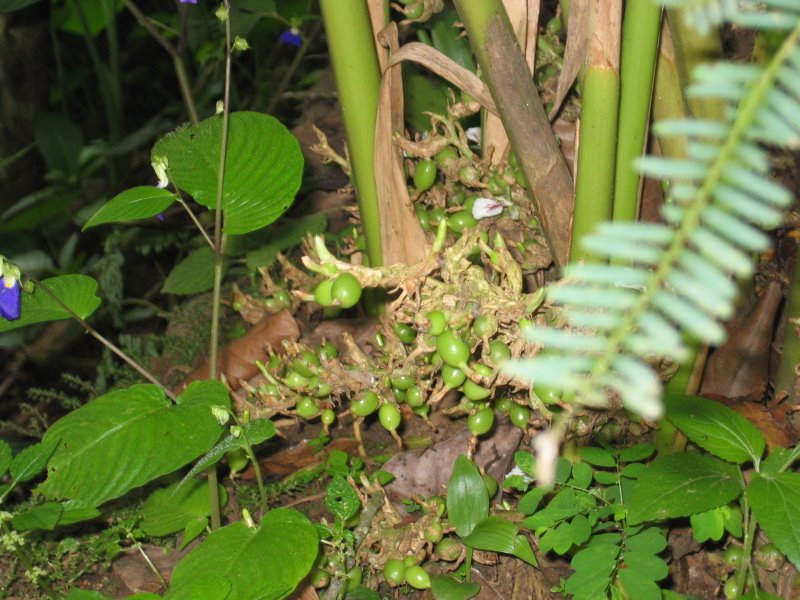
Cardamom
Elettaria cardamomum
Little green pods of sweet, eucalyptus-bright perfume — the soul of chai, Arabic coffee and Scandinavian buns.
Leer la guía →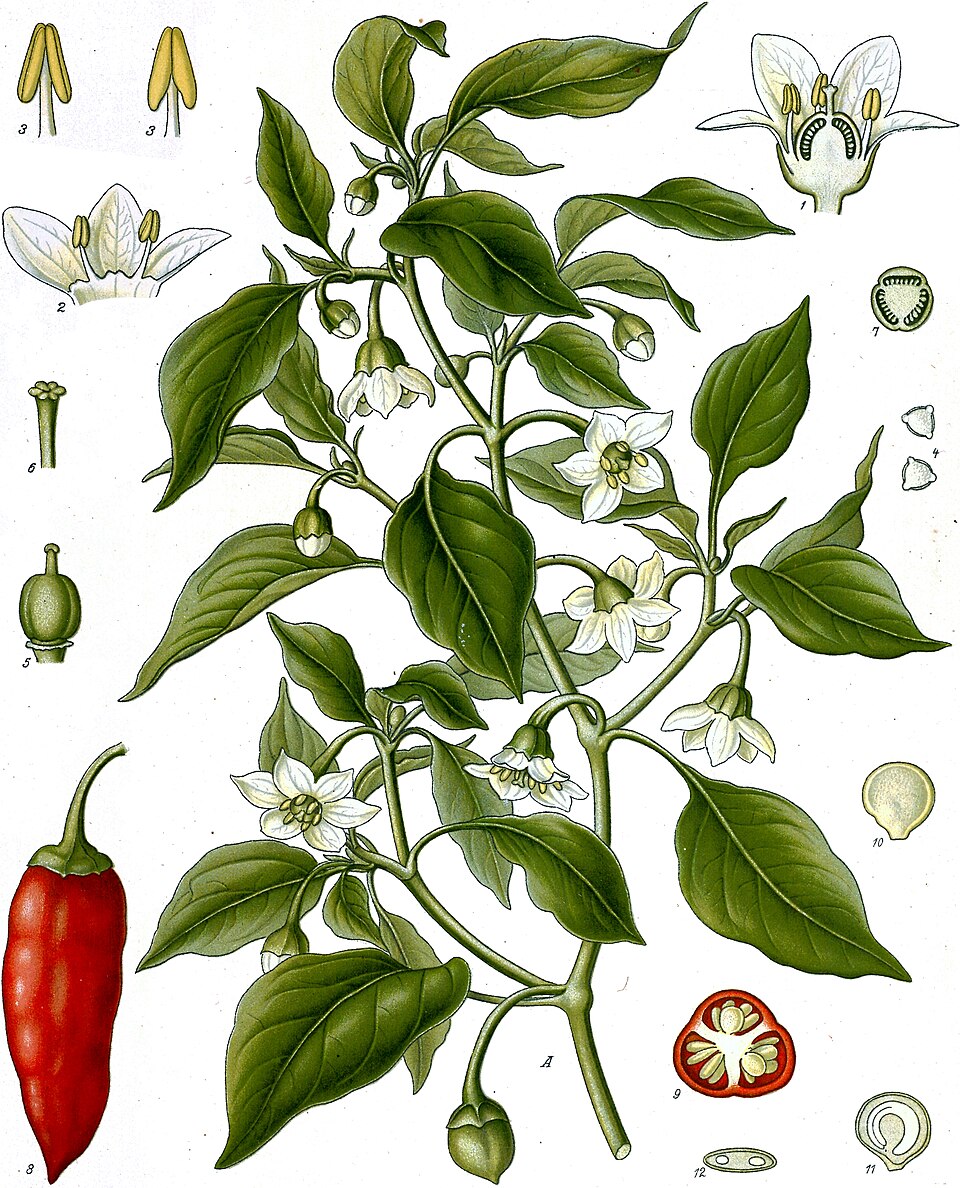
Cayenne
Capsicum annuum
The fiery red pepper whose burn is also a painkiller — rubbed on as a cream, it quietens overactive nerves.
Leer la guía →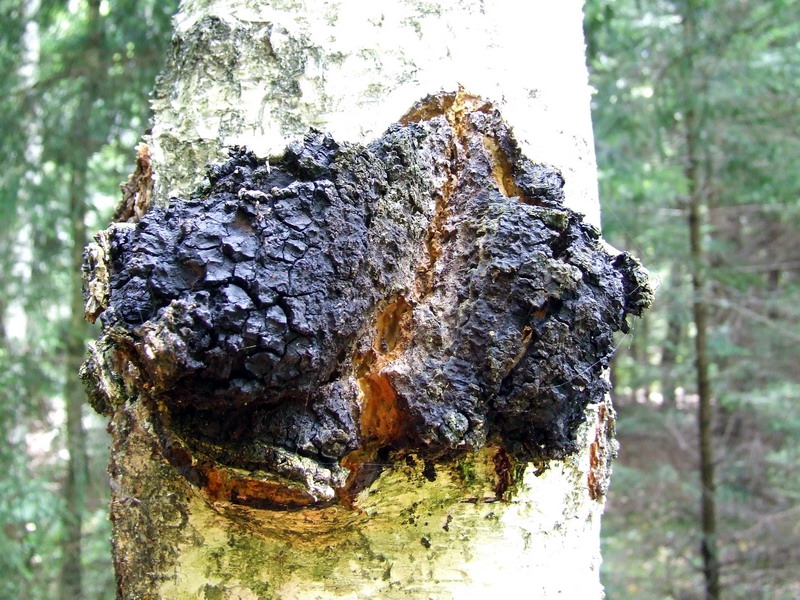
Chaga
Inonotus obliquus
A charcoal-black canker on northern birch trees, brewed into an earthy tea — heavily hyped, lightly studied, and very high in oxalate.
Leer la guía →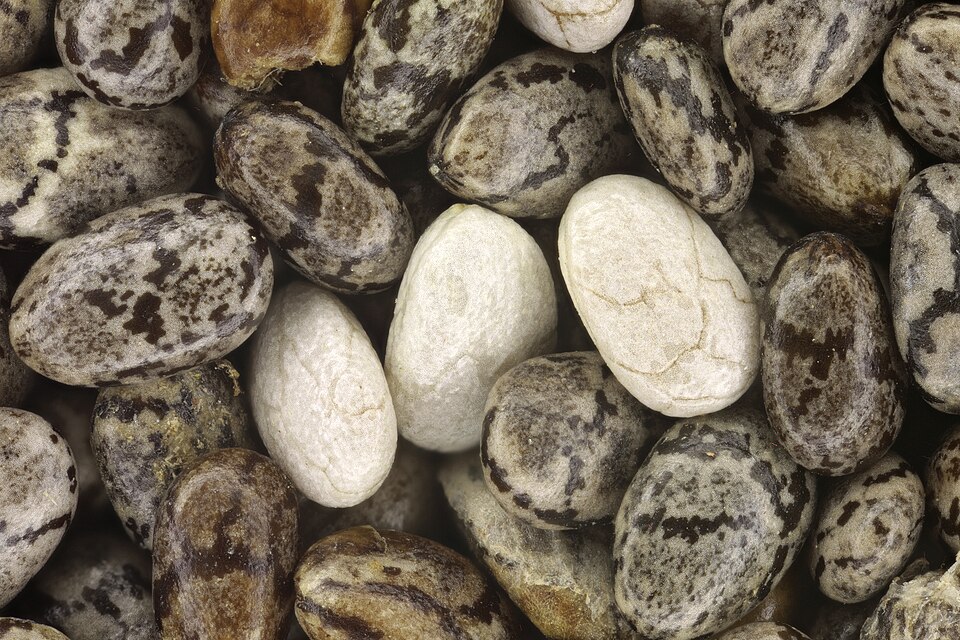
Chia Seeds
Salvia hispanica
The ancient Aztec seed that swells into a pudding in minutes — a great fibre source, as long as you soak it first.
Leer la guía →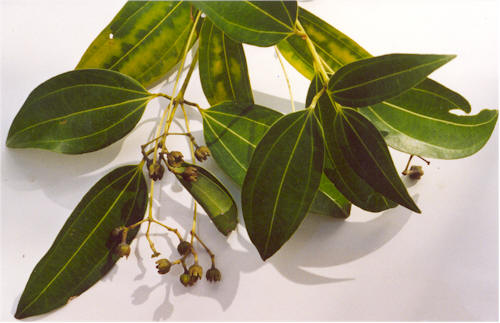
Cinnamon
Cinnamomum verum
The bark that launched trade empires — with a genuine but modest effect on blood sugar, and one important safety catch.
Leer la guía →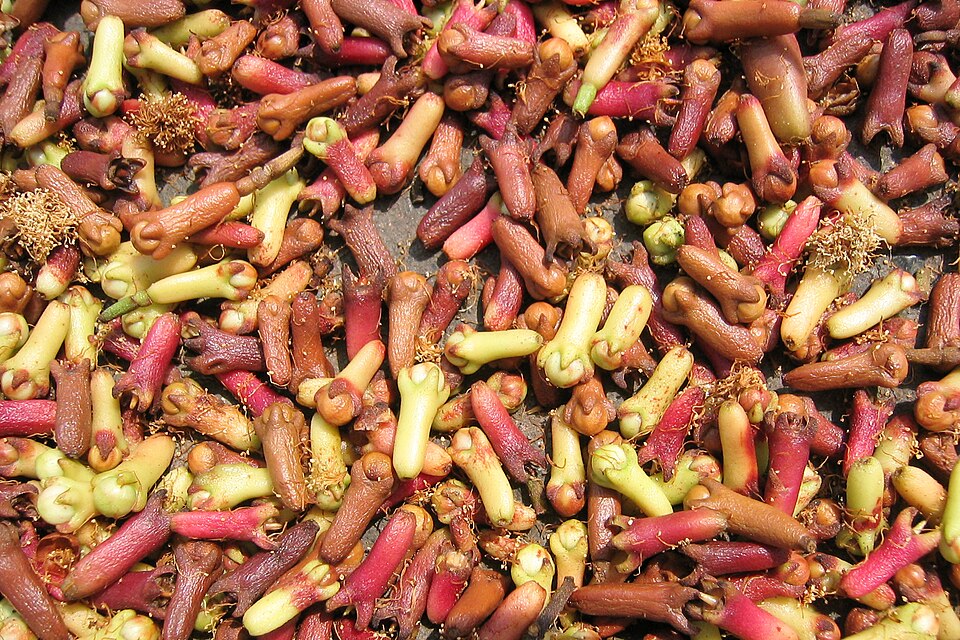
Clove
Syzygium aromaticum
Fiercely aromatic dried flower buds that warm mulled wine and gingerbread — and numb an aching tooth in a pinch.
Leer la guía →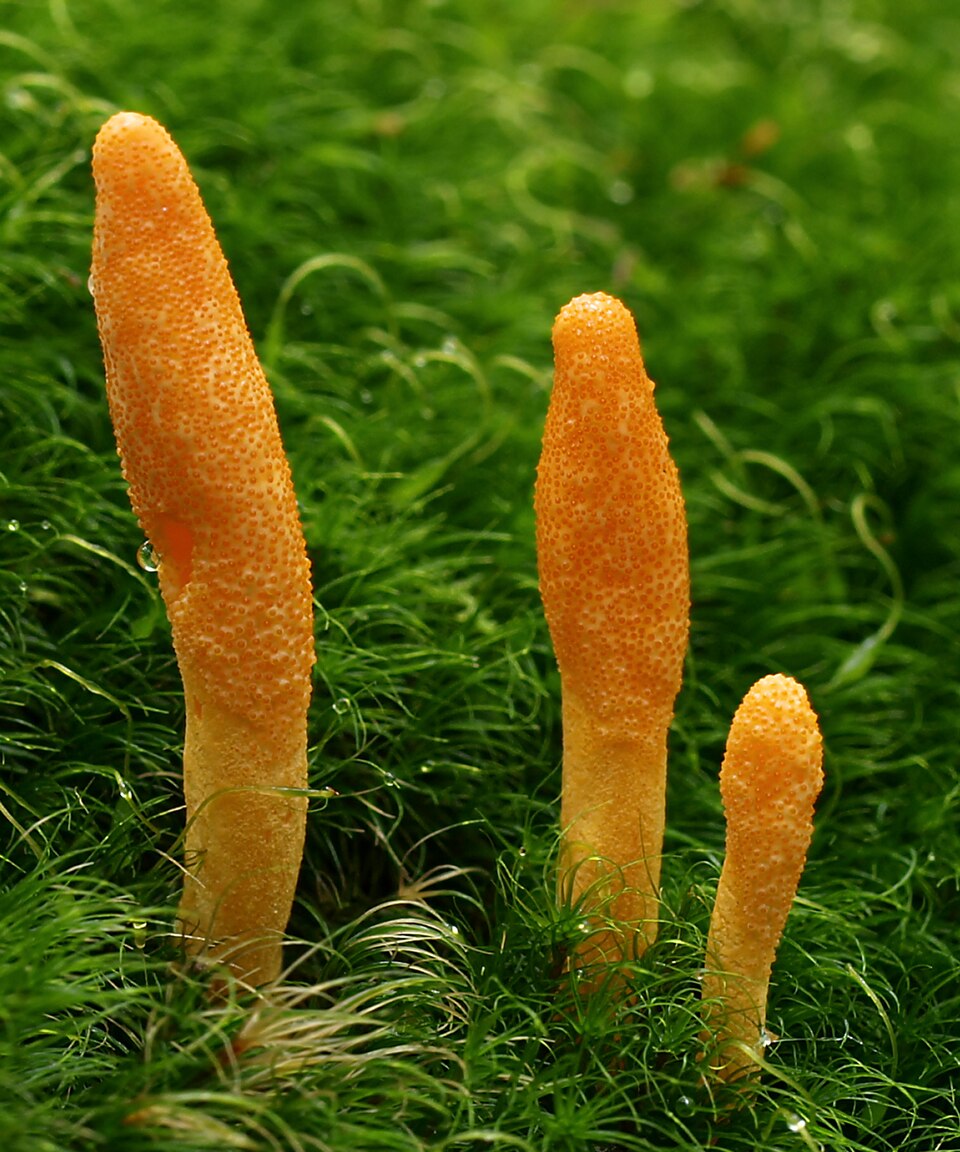
Cordyceps
Cordyceps militaris
The caterpillar fungus of Himalayan legend, now mostly grown on grain — sold for stamina, with evidence that is modest at best.
Leer la guía →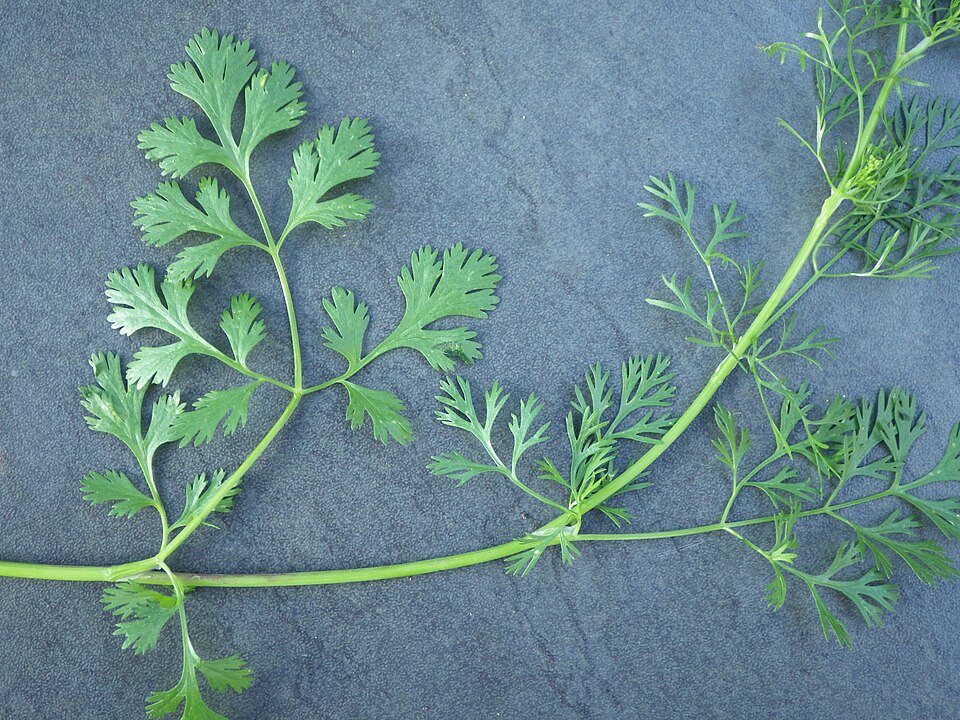
Coriander / Cilantro
Coriandrum sativum
One plant, two kitchens: bright citrusy leaves that some people swear taste of soap, and warm seeds that soothe a bloated belly.
Leer la guía →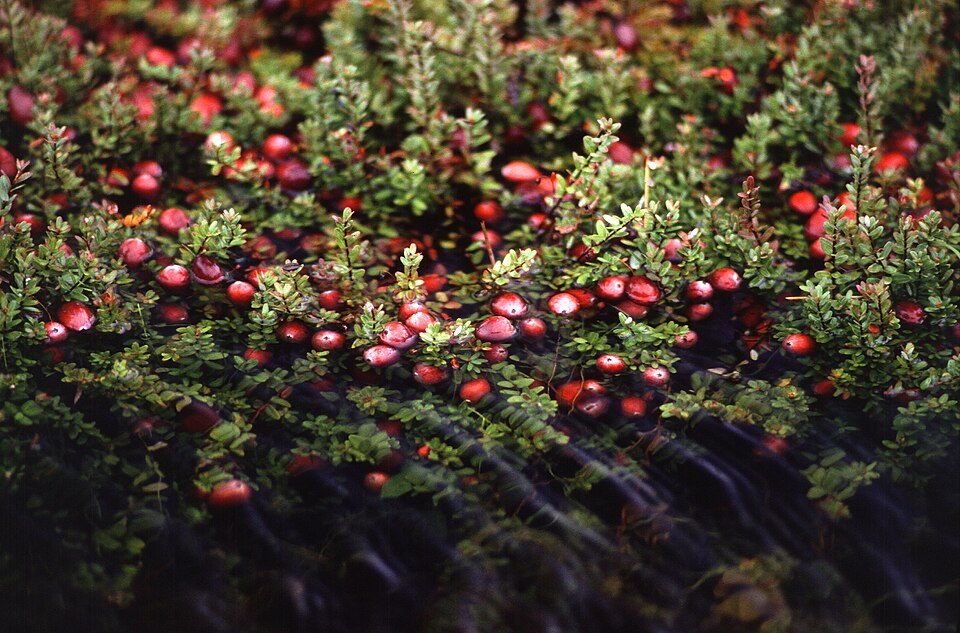
Cranberry
Vaccinium macrocarpon
The tart bog berry best known for bladder health — genuinely useful for preventing some UTIs, but no cure for one already underway.
Leer la guía →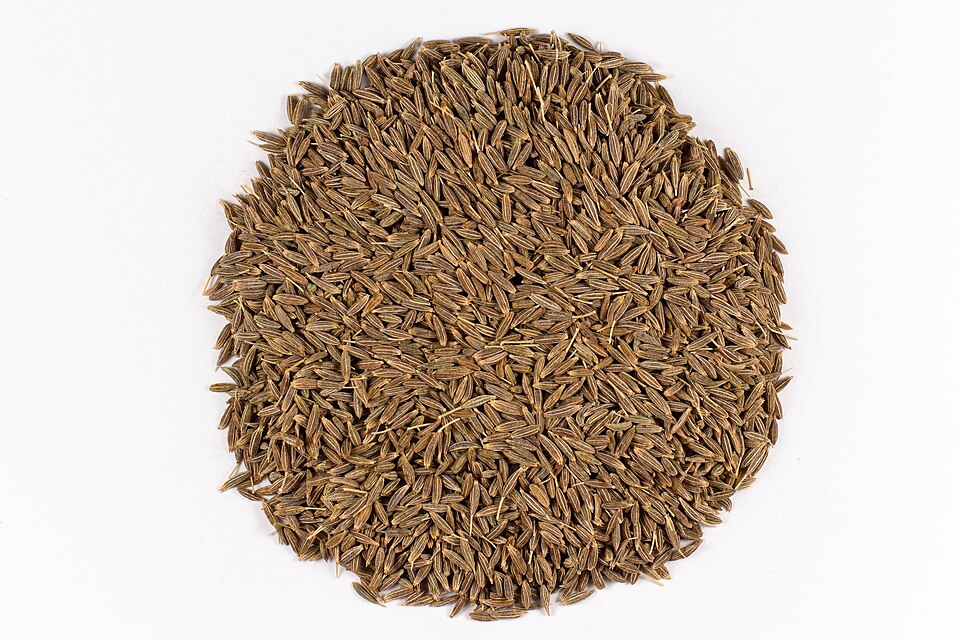
Cumin
Cuminum cyminum
The warm, earthy seed behind curries, chilli and falafel — best bloomed in hot oil until it crackles and smells toasty.
Leer la guía →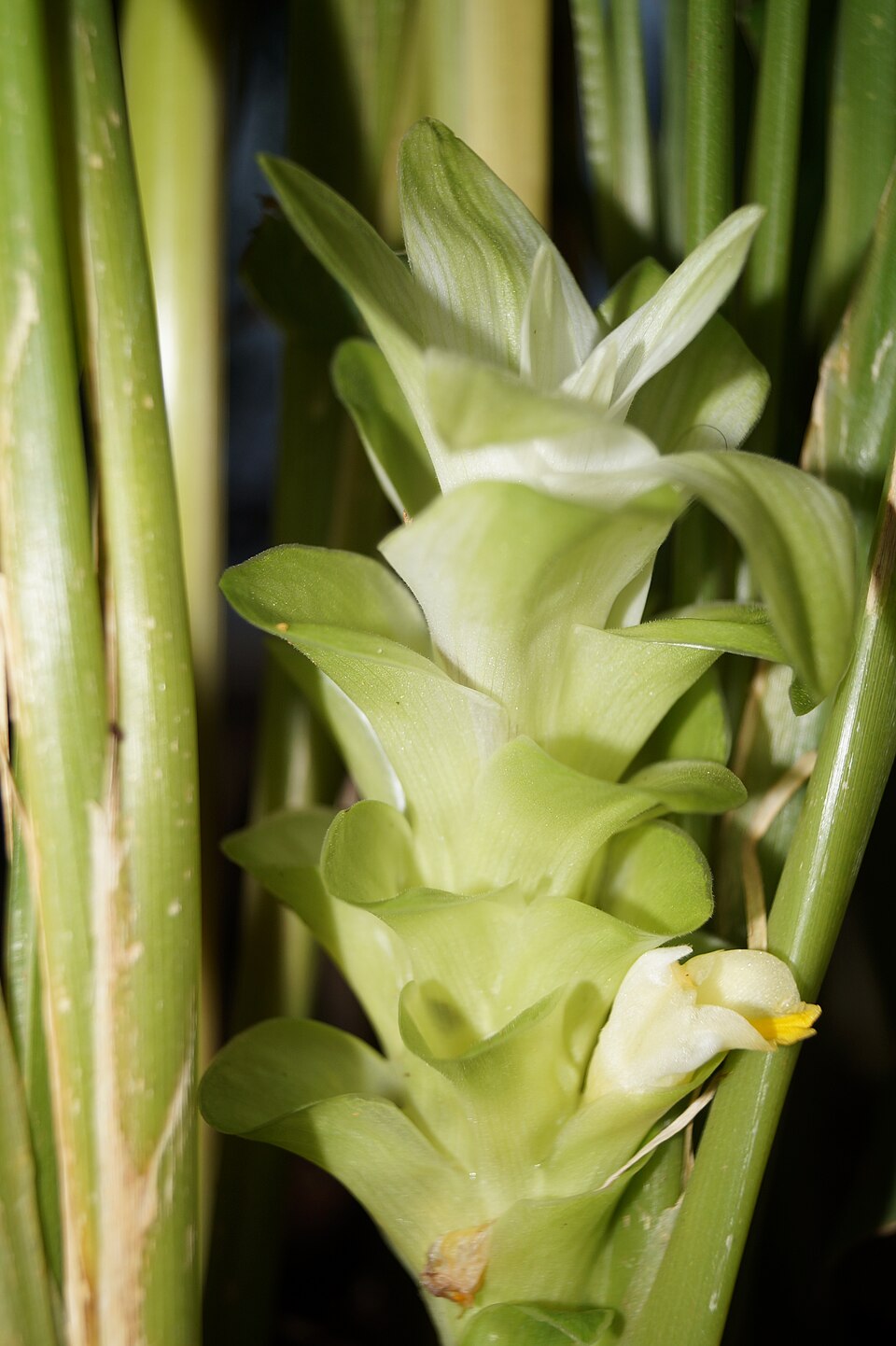
Cúrcuma
Curcuma longa
El rizoma dorado que da color al curry, y una de las plantas antiinflamatorias más estudiadas del planeta.
Leer la guía →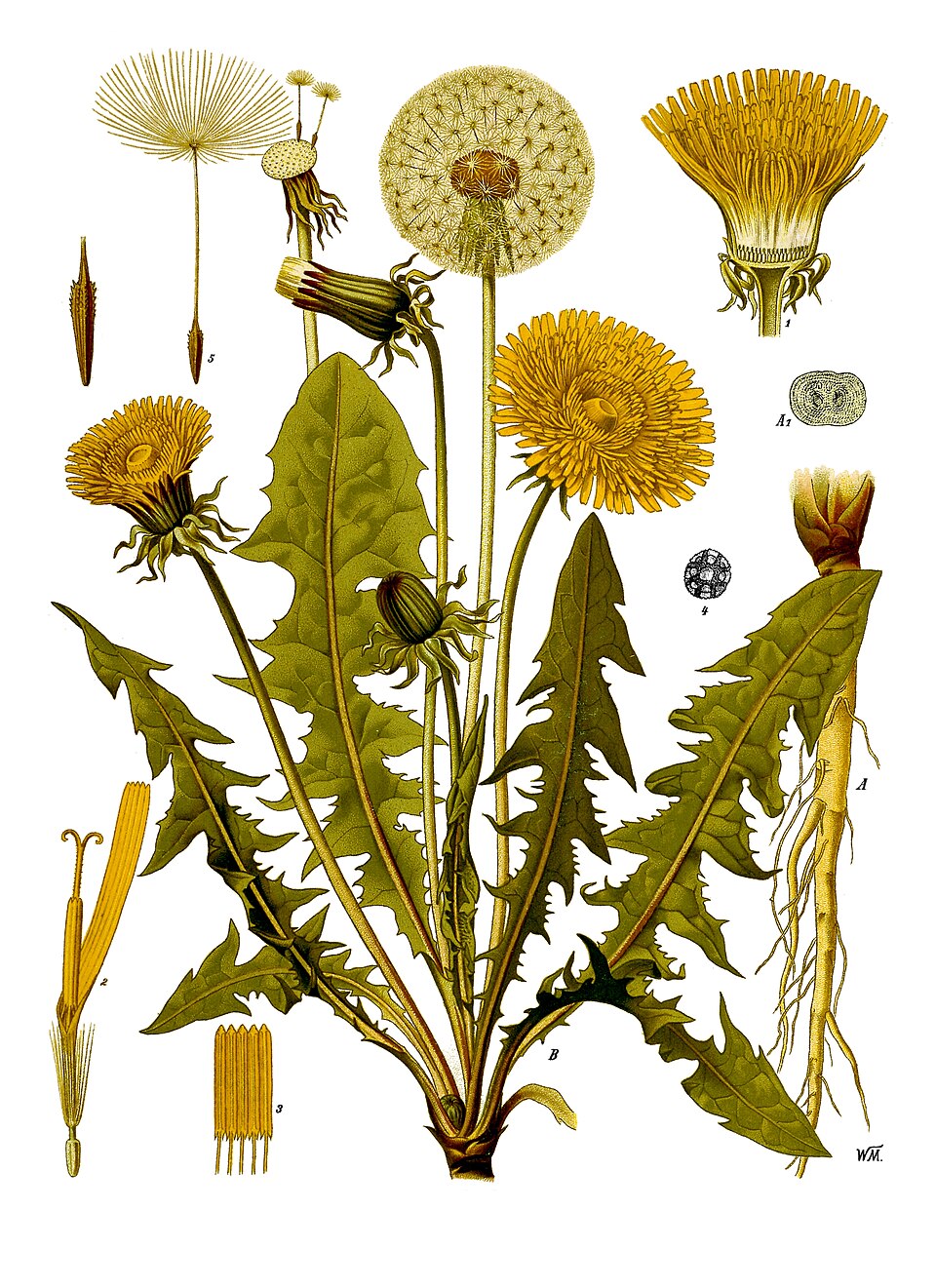
Dandelion
Taraxacum officinale
The lawn "weed" that's actually a salad green, coffee substitute and one of herbal medicine's oldest digestive bitters.
Leer la guía →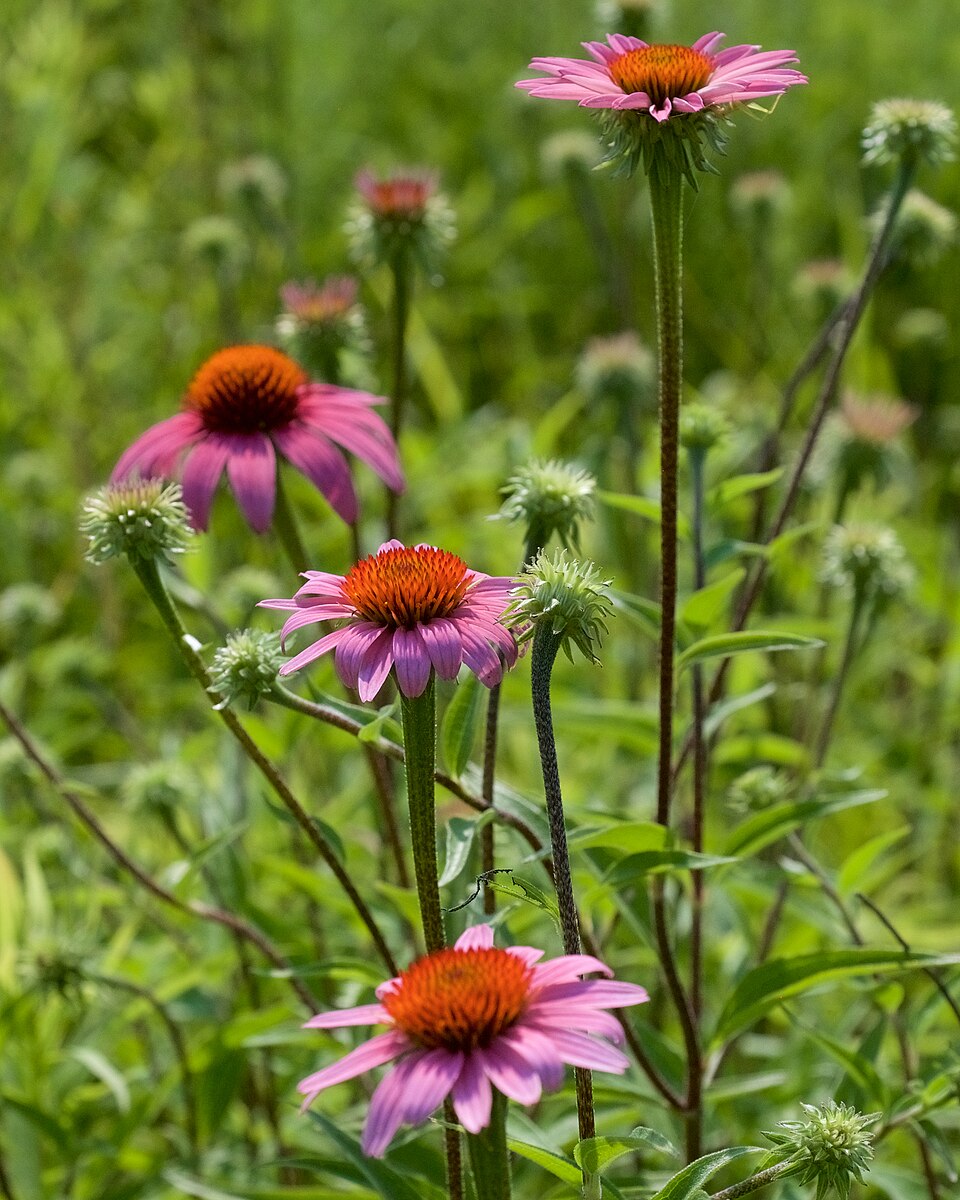
Echinacea
Echinacea purpurea
The purple coneflower North America gave the world's medicine cabinets.
Leer la guía →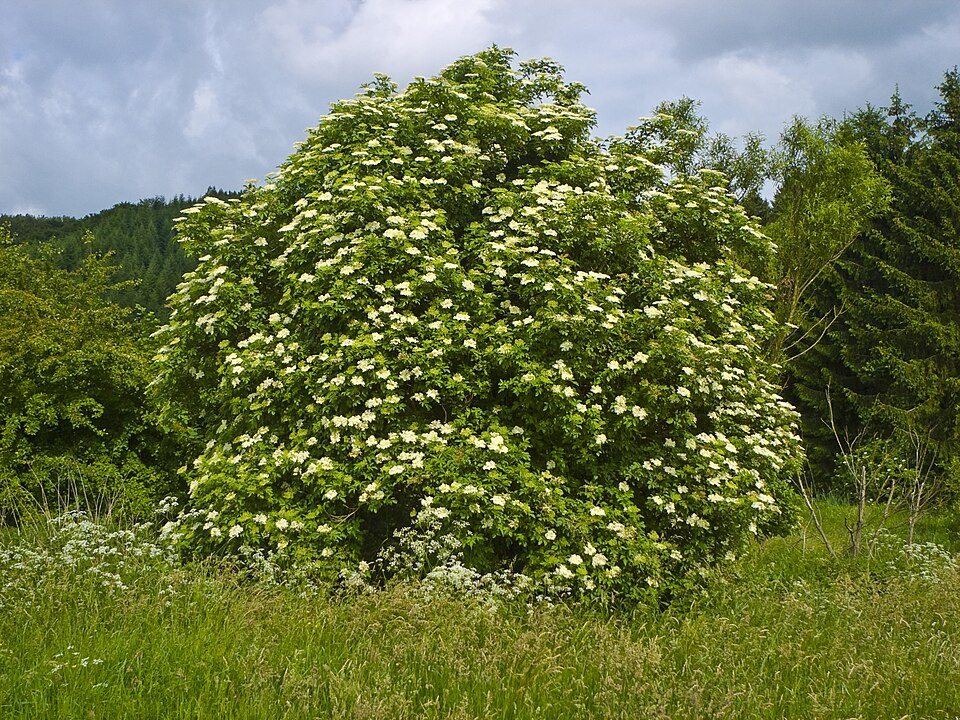
Elderberry
Sambucus nigra
Dark hedgerow berries cooked into syrups for winter colds — pleasant, possibly helpful, and never to be eaten raw.
Leer la guía →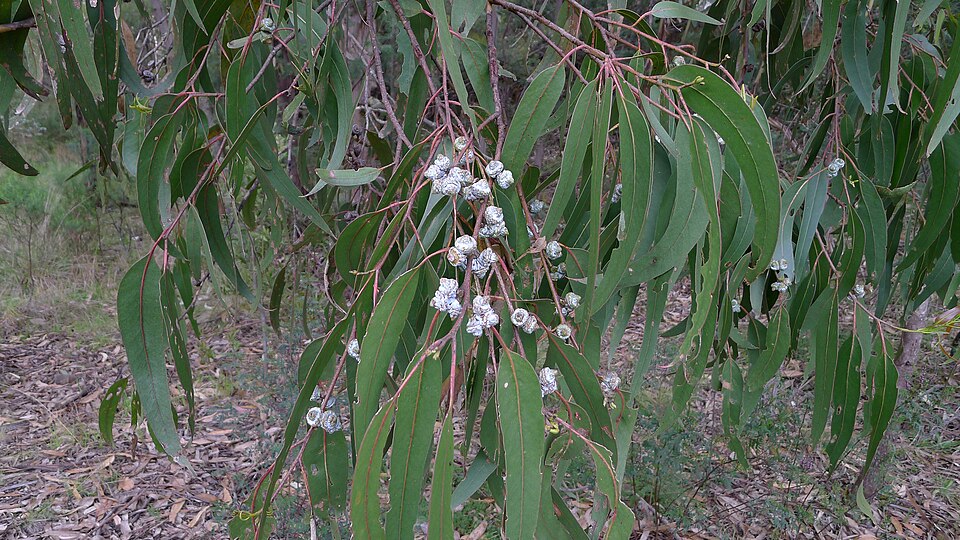
Eucalyptus
Eucalyptus globulus
The Tasmanian blue gum whose sharp, clearing scent fills chest rubs and steam bowls — and whose oil is dangerous if swallowed.
Leer la guía →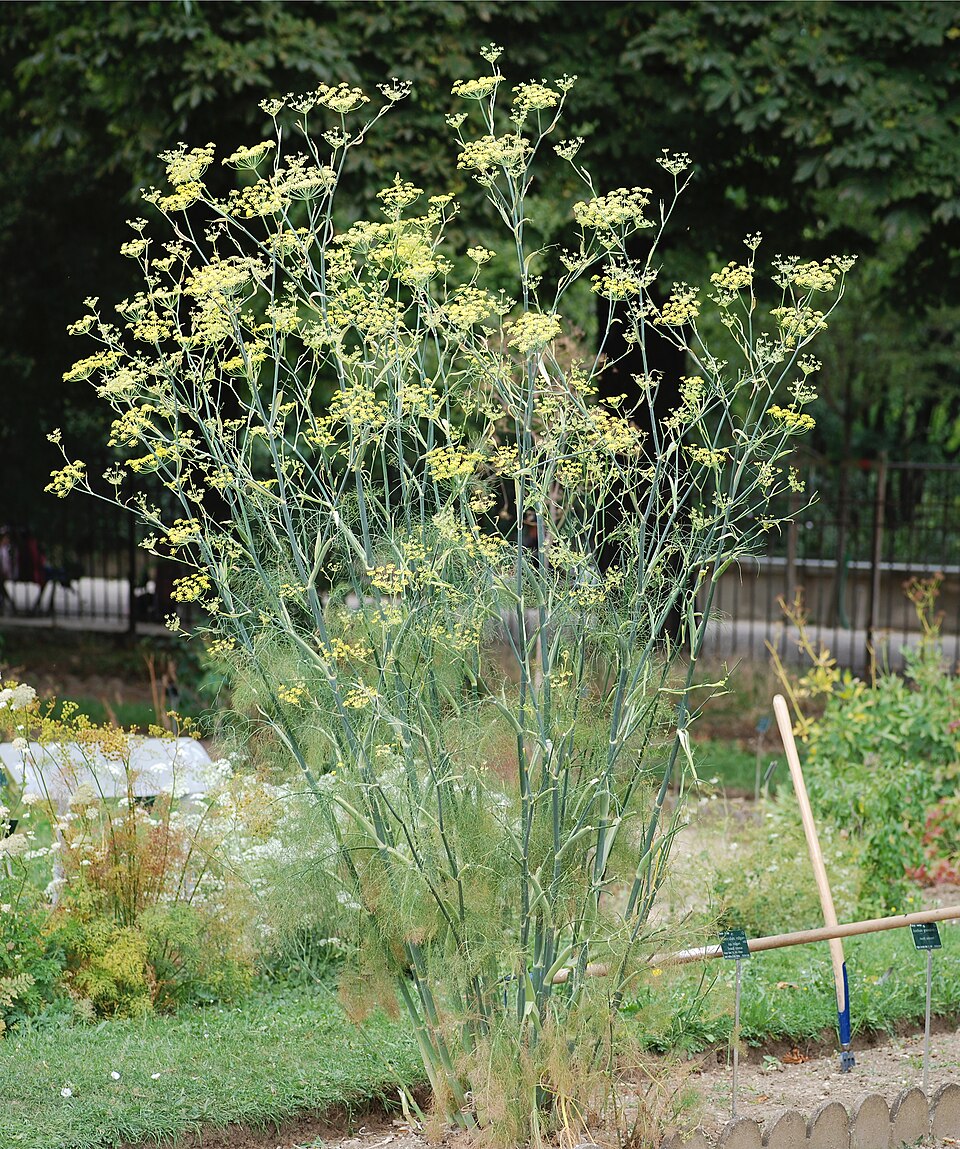
Fennel
Foeniculum vulgare
Crisp aniseed bulb, feathery fronds and sweet digestive seeds — one plant that covers salad, spice rack and after-dinner tea.
Leer la guía →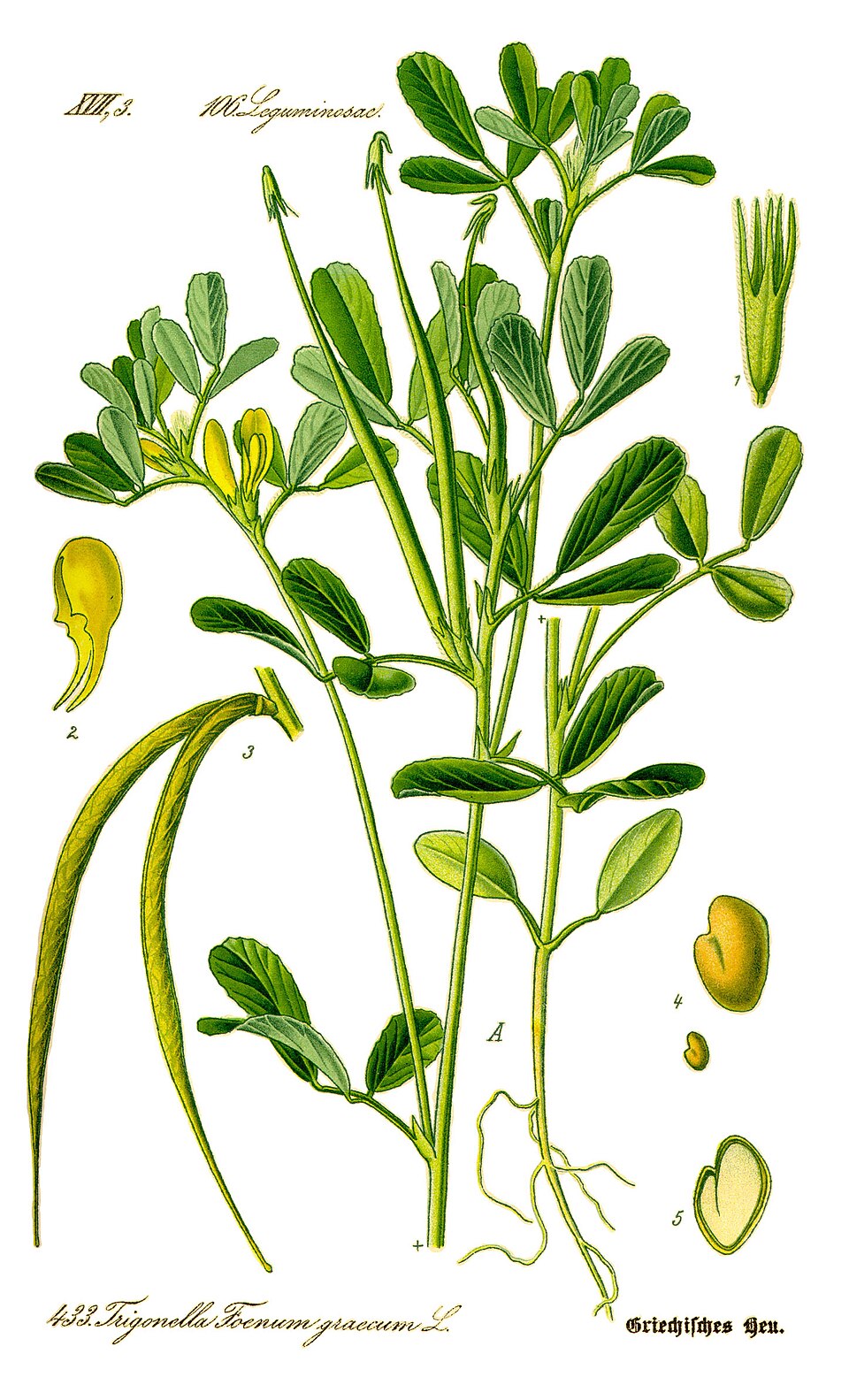
Fenugreek
Trigonella foenum-graecum
The maple-scented seed of curry blends — studied for blood sugar, cholesterol and milk supply, and famous for making you smell faintly of syrup.
Leer la guía →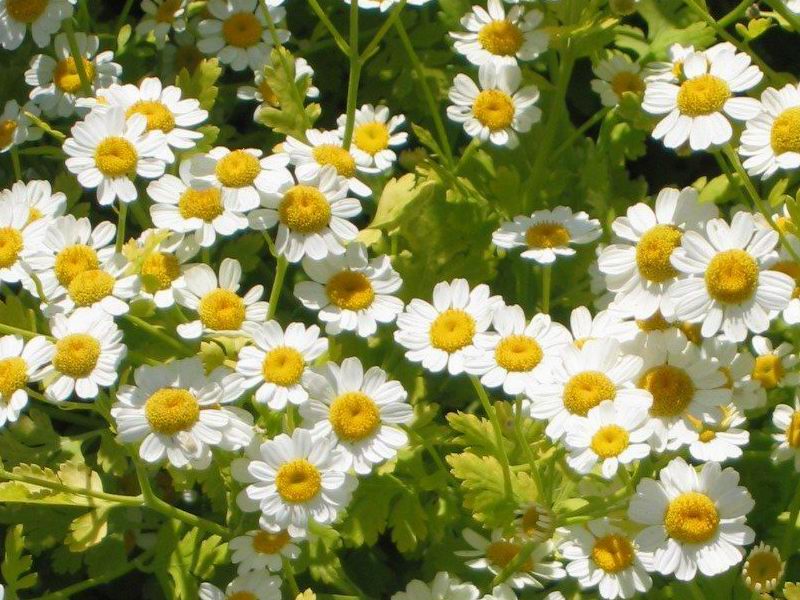
Feverfew
Tanacetum parthenium
A cottage-garden daisy with a bitter leaf and a real, if modest, track record for preventing migraines when taken every day.
Leer la guía →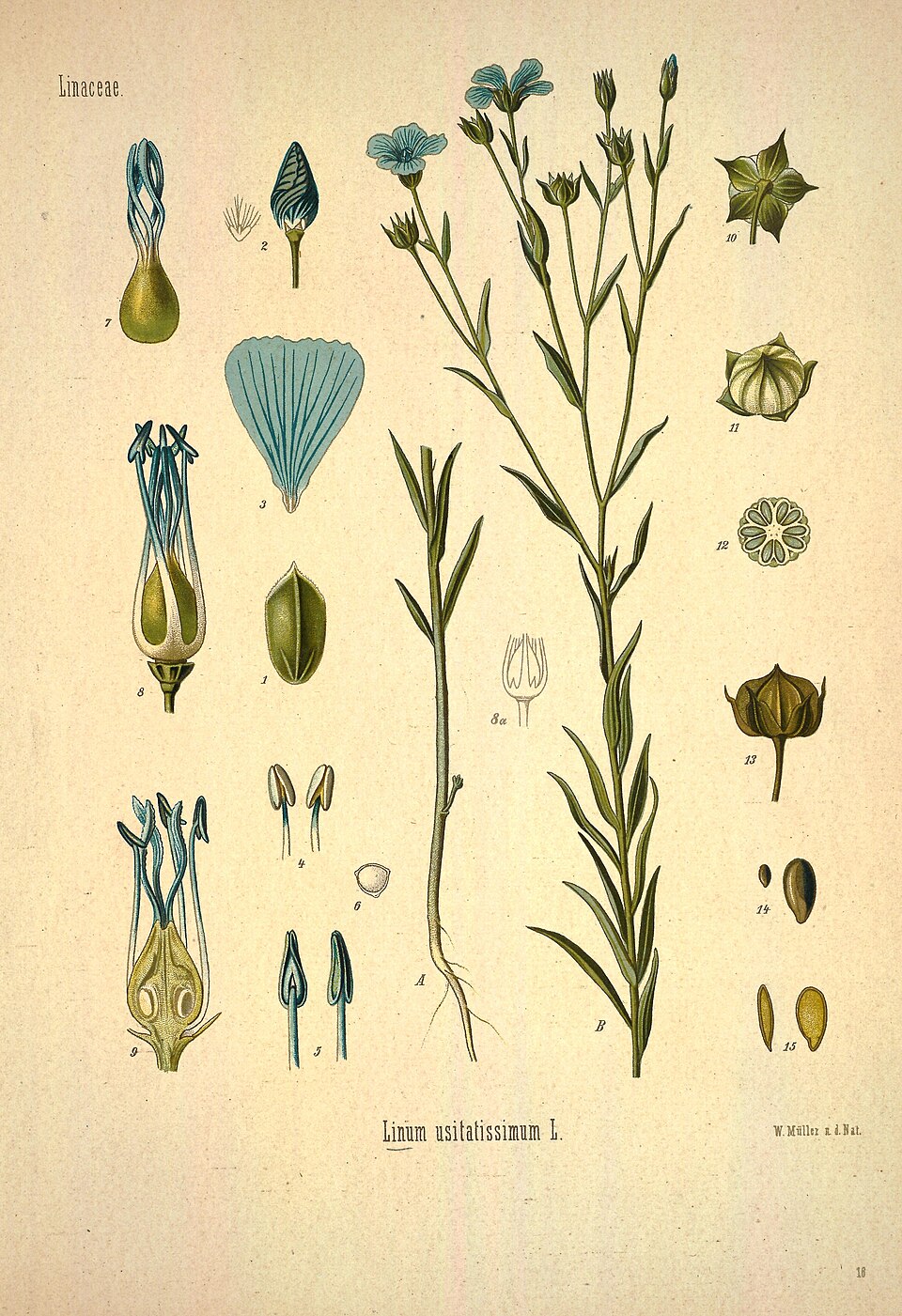
Flaxseed
Linum usitatissimum
Humble brown seeds with a trio of talents — fibre, plant omega-3 and lignans — but only if you grind them first.
Leer la guía →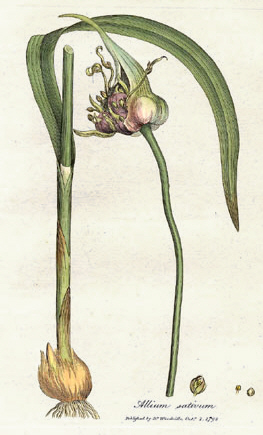
Garlic
Allium sativum
The kitchen bulb with genuine, measured effects on blood pressure and cholesterol.
Leer la guía →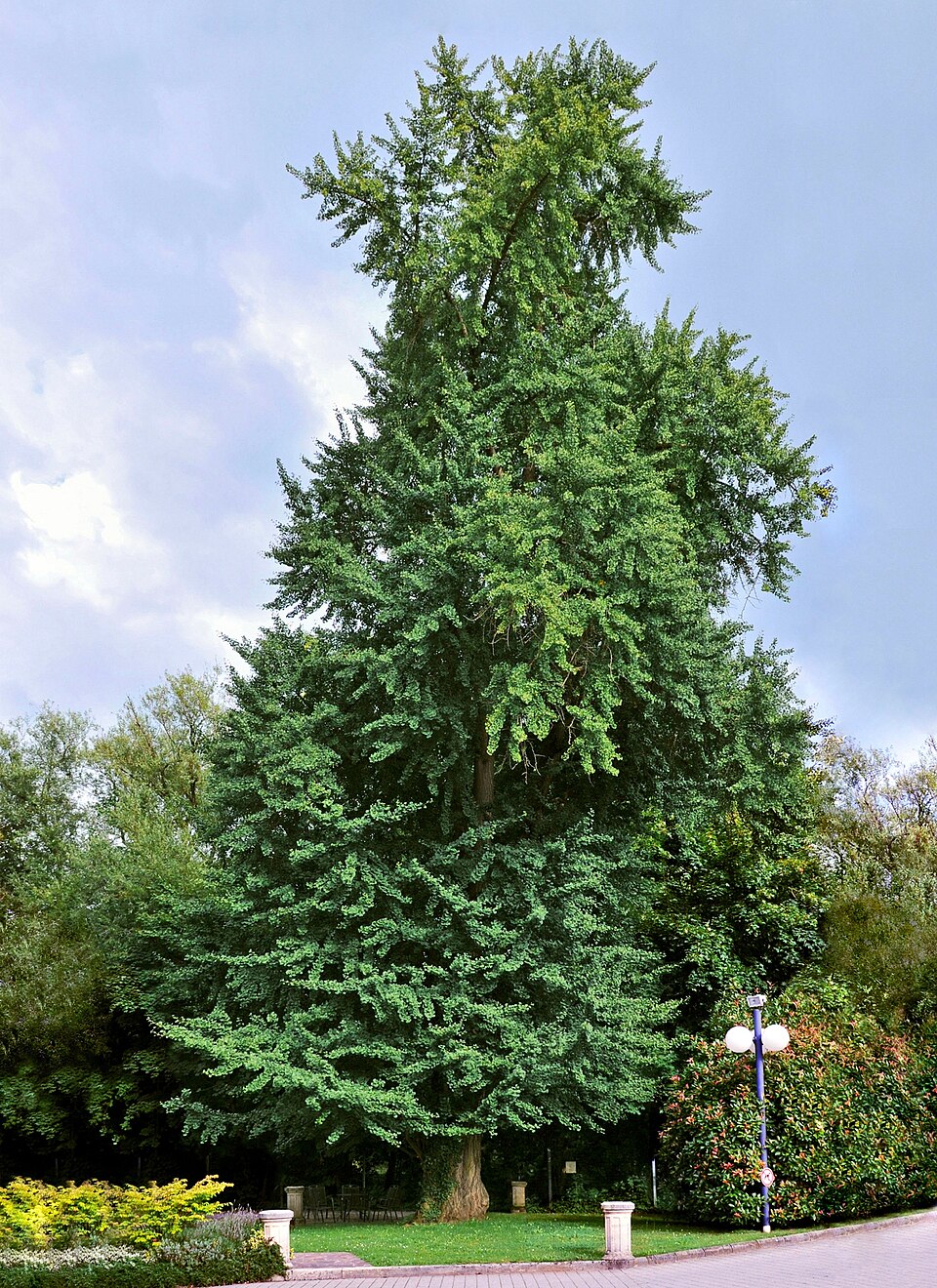
Ginkgo
Ginkgo biloba
A living fossil with fan-shaped leaves, famous as a memory herb — though the best trials show it is no shield against ageing brains.
Leer la guía →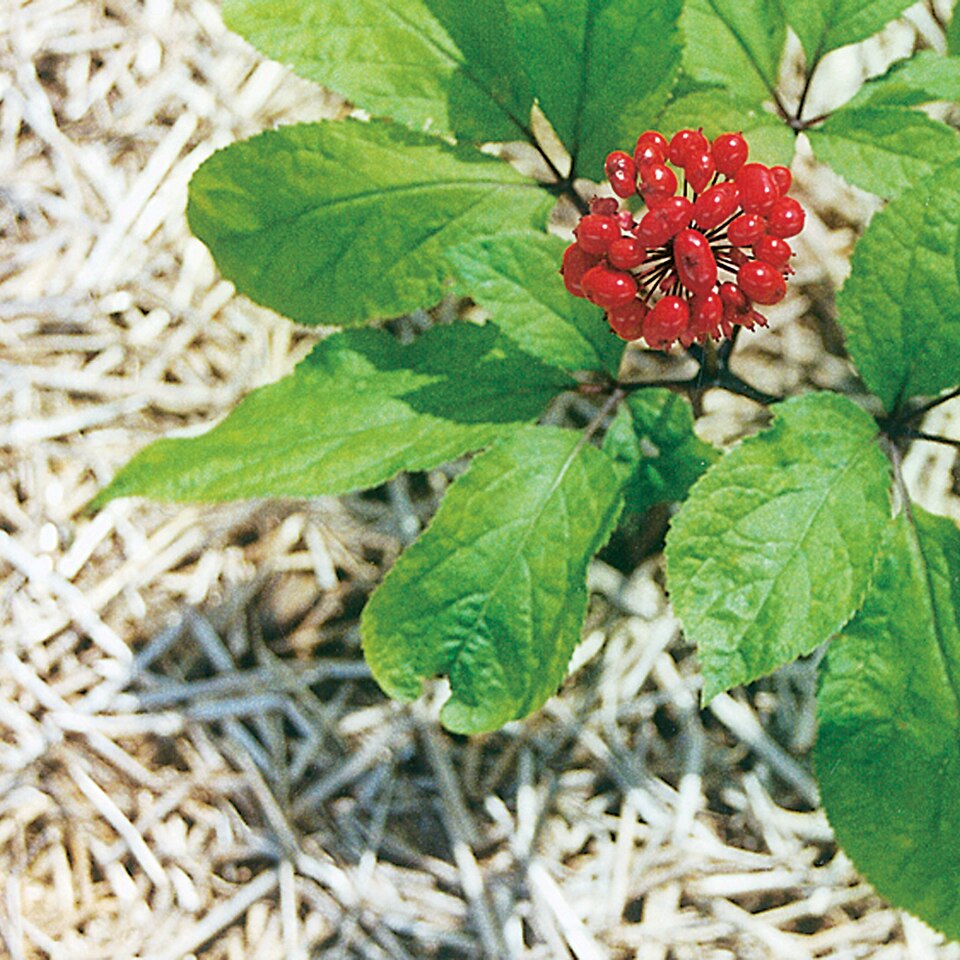
Ginseng
Panax ginseng
East Asia's "man-root" and the original adaptogen — pricey, potent for fatigue, and worth buying carefully.
Leer la guía →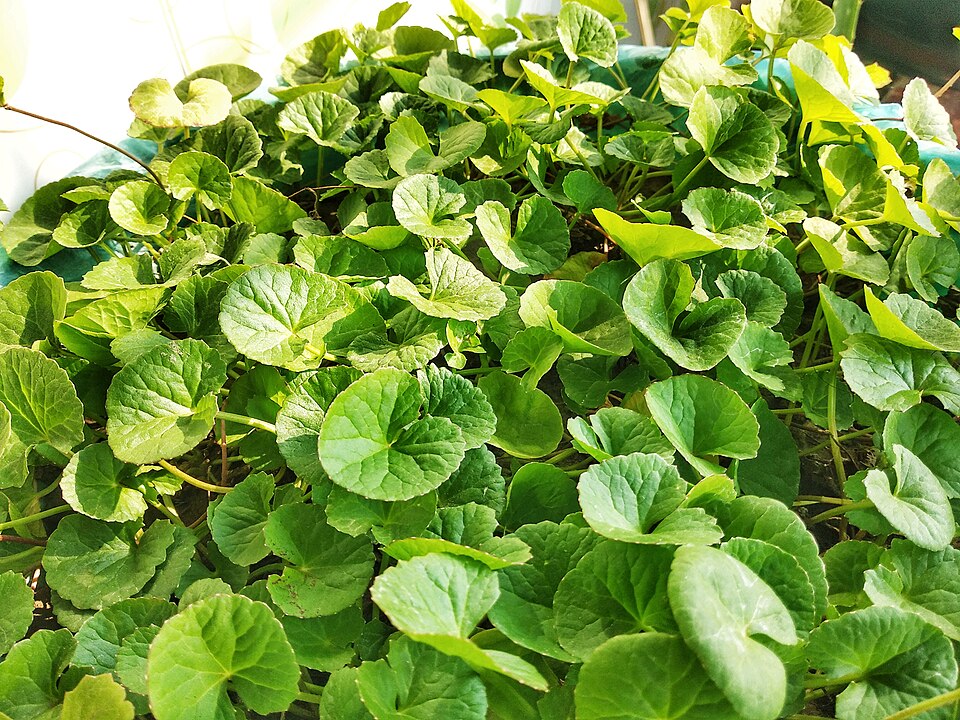
Gotu Kola
Centella asiatica
A creeping marsh herb eaten as a salad green across South Asia — and the "cica" in many modern skin-soothing creams.
Leer la guía →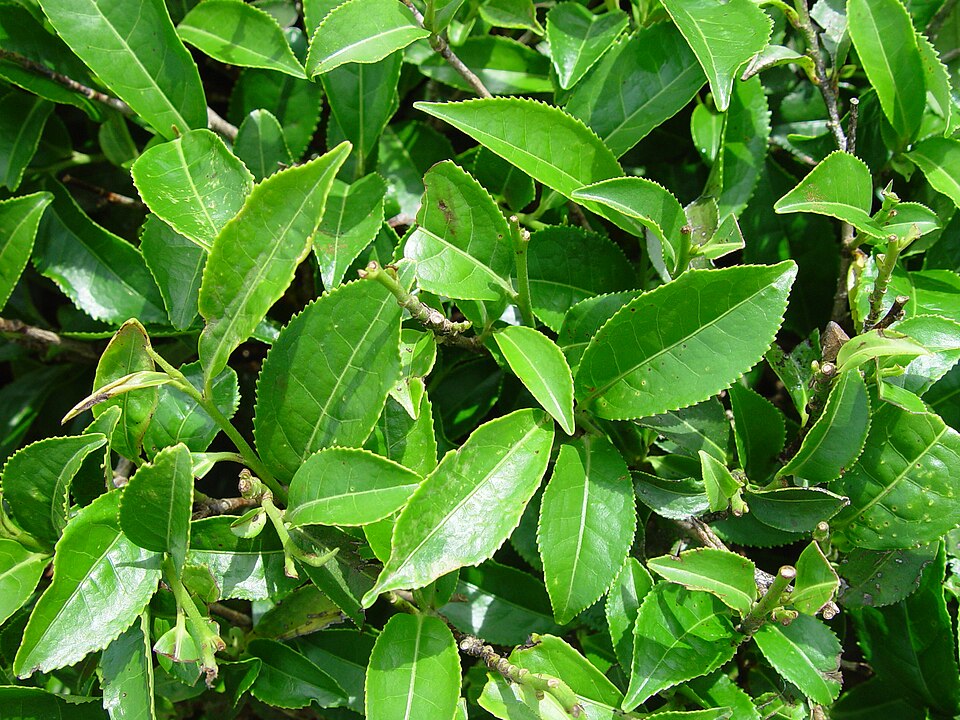
Green Tea
Camellia sinensis
The unoxidised leaf that pairs caffeine with calm — and centuries of daily-ritual evidence.
Leer la guía →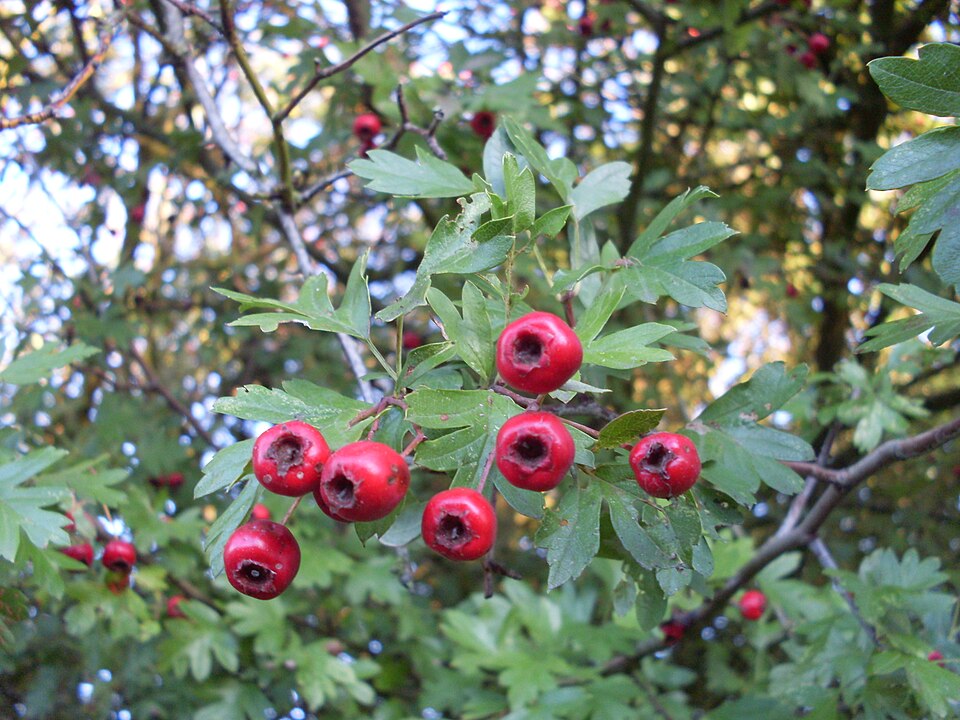
Hawthorn
Crataegus monogyna
The May-blossom hedge tree whose flowers, leaves and red haws are Europe's traditional heart tonic — gentle, slow and worth discussing with your doctor.
Leer la guía →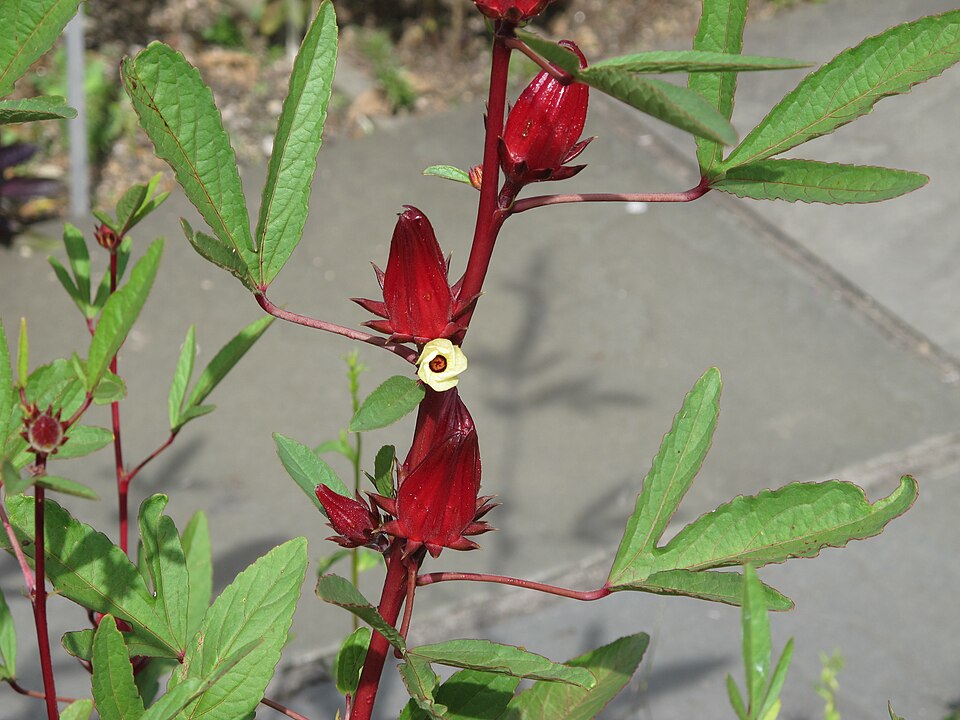
Hibiscus
Hibiscus sabdariffa
The crimson, cranberry-tart tea of Egypt and Mexico — with blood-pressure evidence strong enough to surprise cardiologists.
Leer la guía →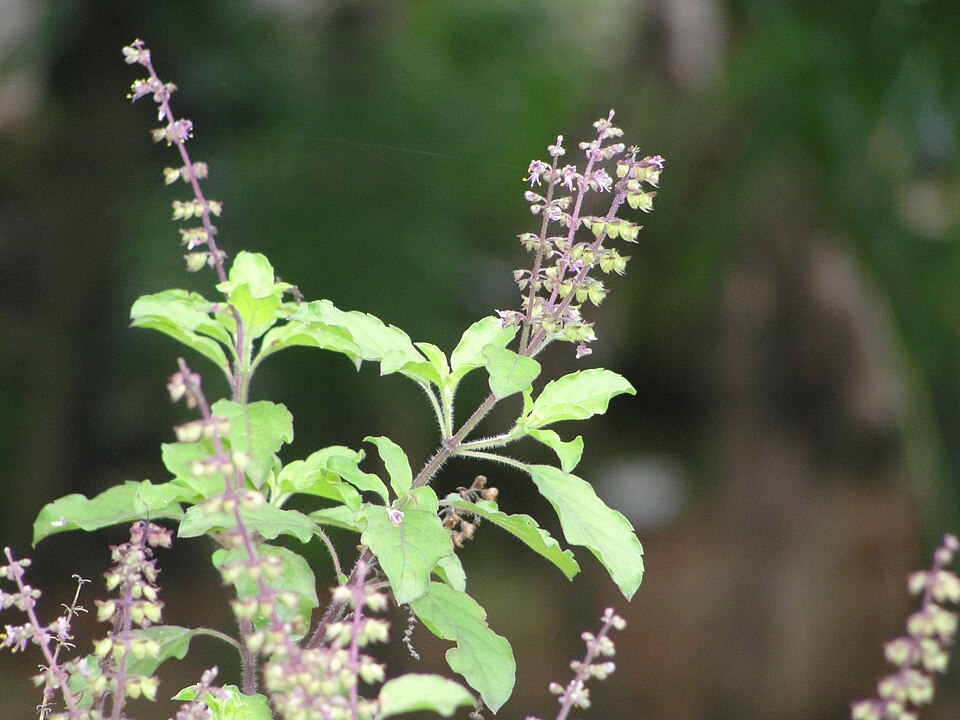
Holy Basil (Tulsi)
Ocimum tenuiflorum
India's most sacred plant and Ayurveda's "elixir of life" — a peppery cousin of kitchen basil with genuine adaptogen credentials.
Leer la guía →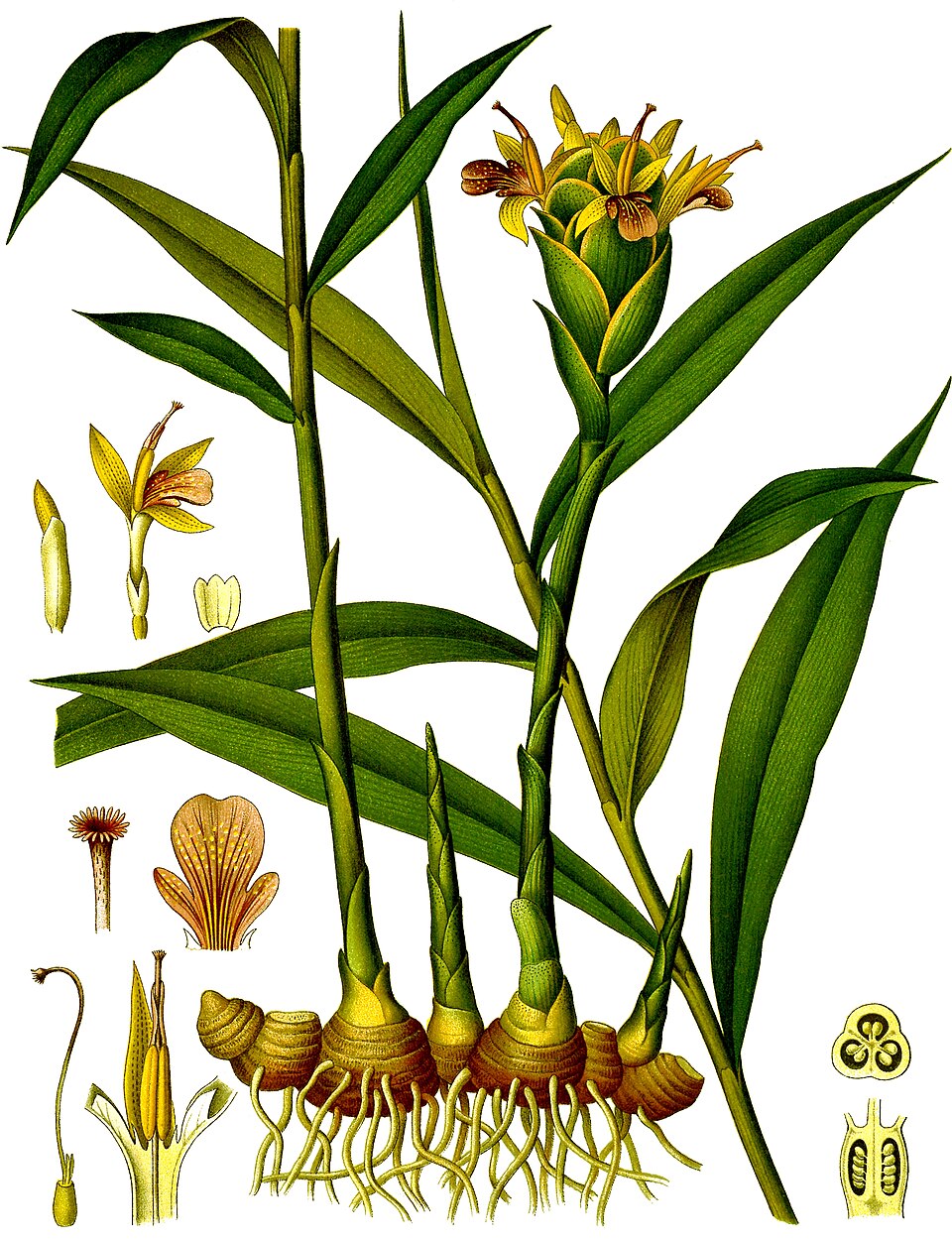
Jengibre
Zingiber officinale
El remedio más fiable del mundo para el malestar estomacal, con los ensayos clínicos que lo respaldan.
Leer la guía →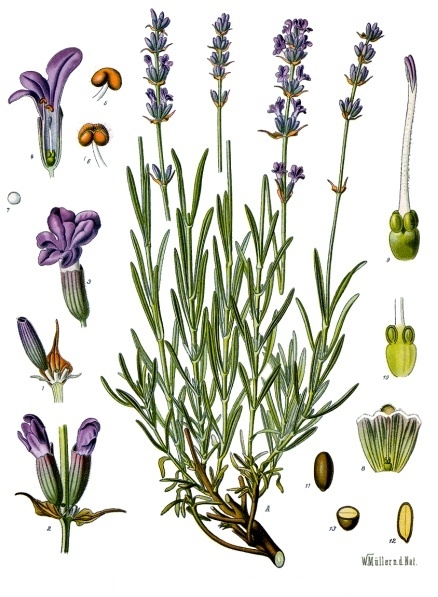
Lavanda
Lavandula angustifolia
El arbusto mediterráneo cuyo aroma tiene efectos calmantes reales y medibles.
Leer la guía →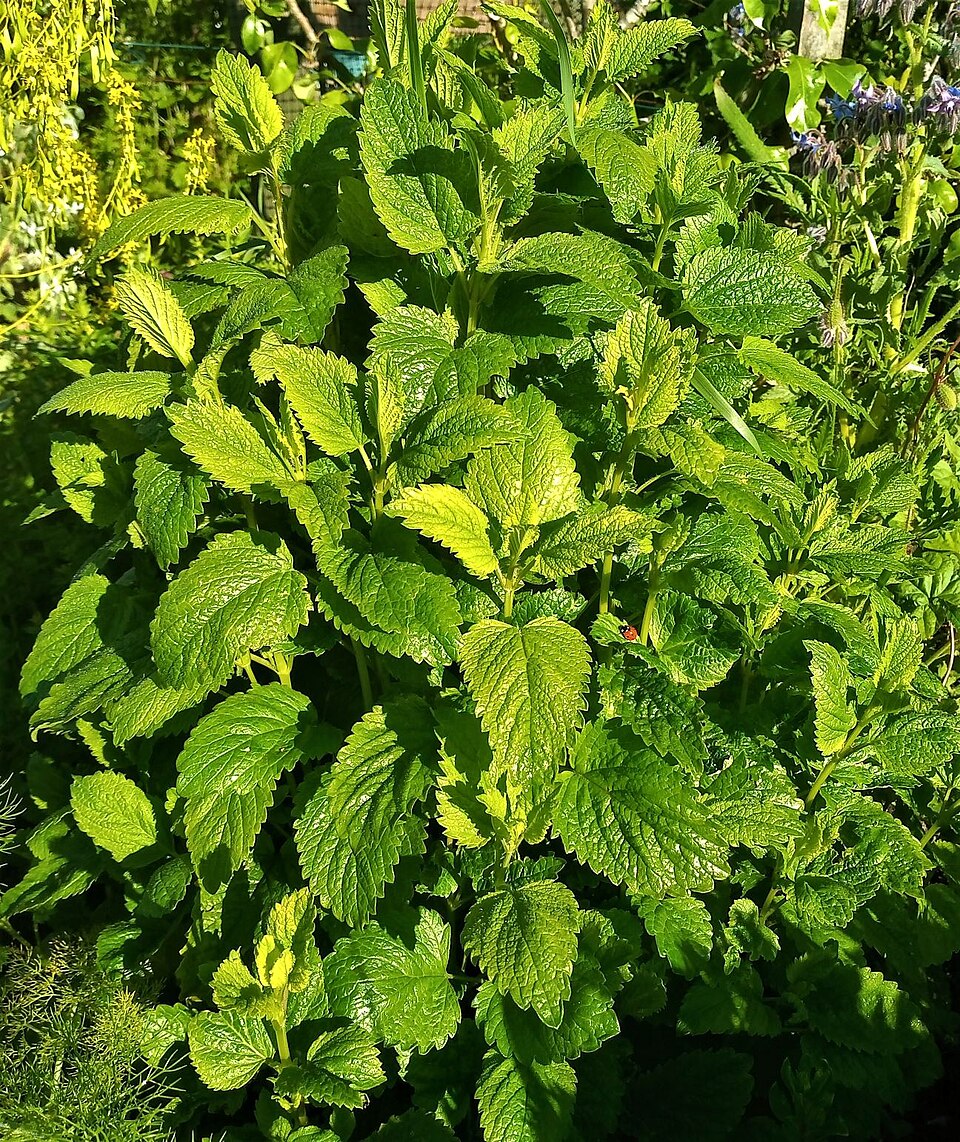
Lemon Balm
Melissa officinalis
The lemon-scented mint that takes the edge off stress — beloved by bees, herbalists and anxious students alike.
Leer la guía →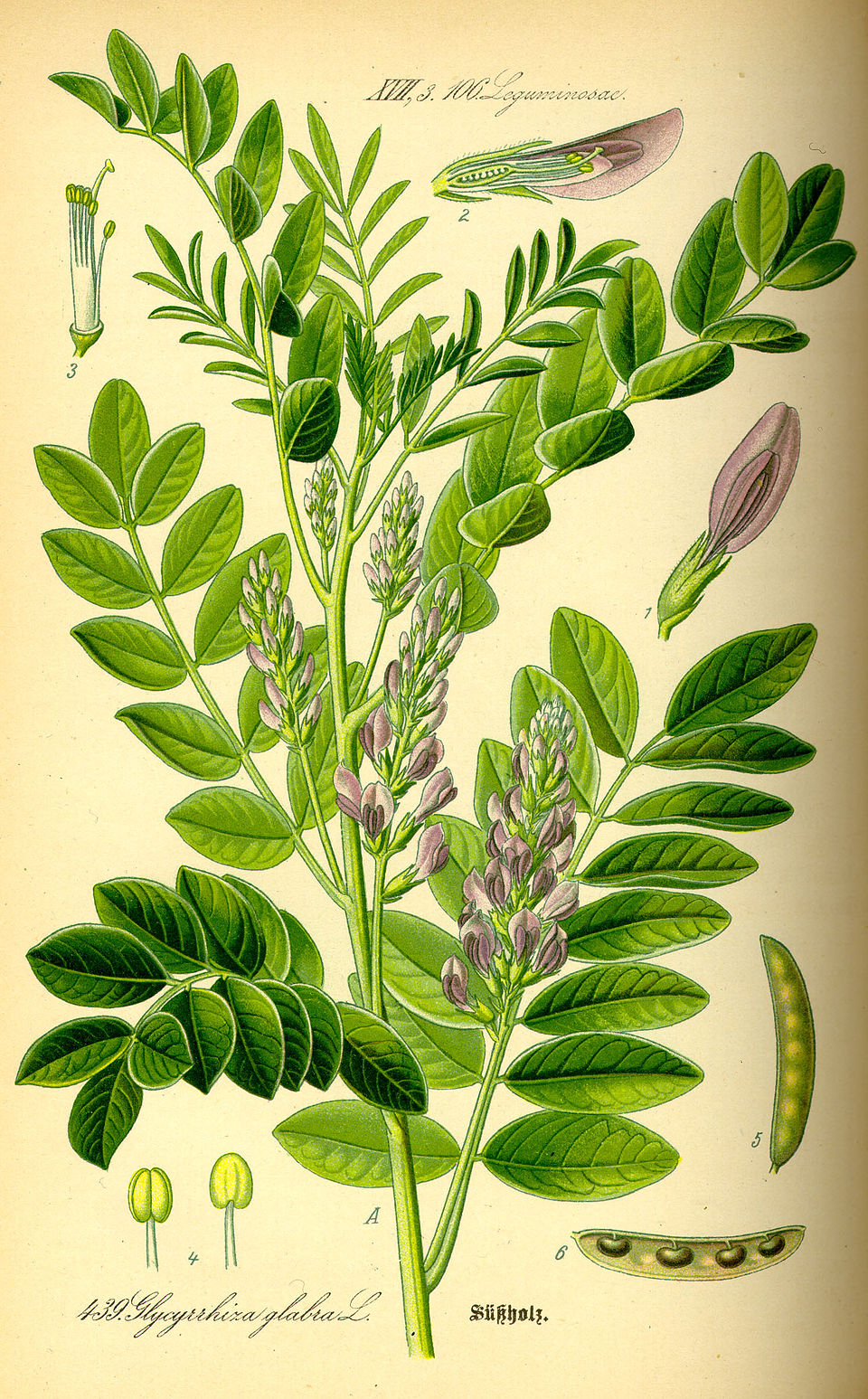
Licorice Root
Glycyrrhiza glabra
An intensely sweet root (its key compound is some fifty times sweeter than sugar) that soothes throats and stomachs — and quietly raises blood pressure if you overdo it.
Leer la guía →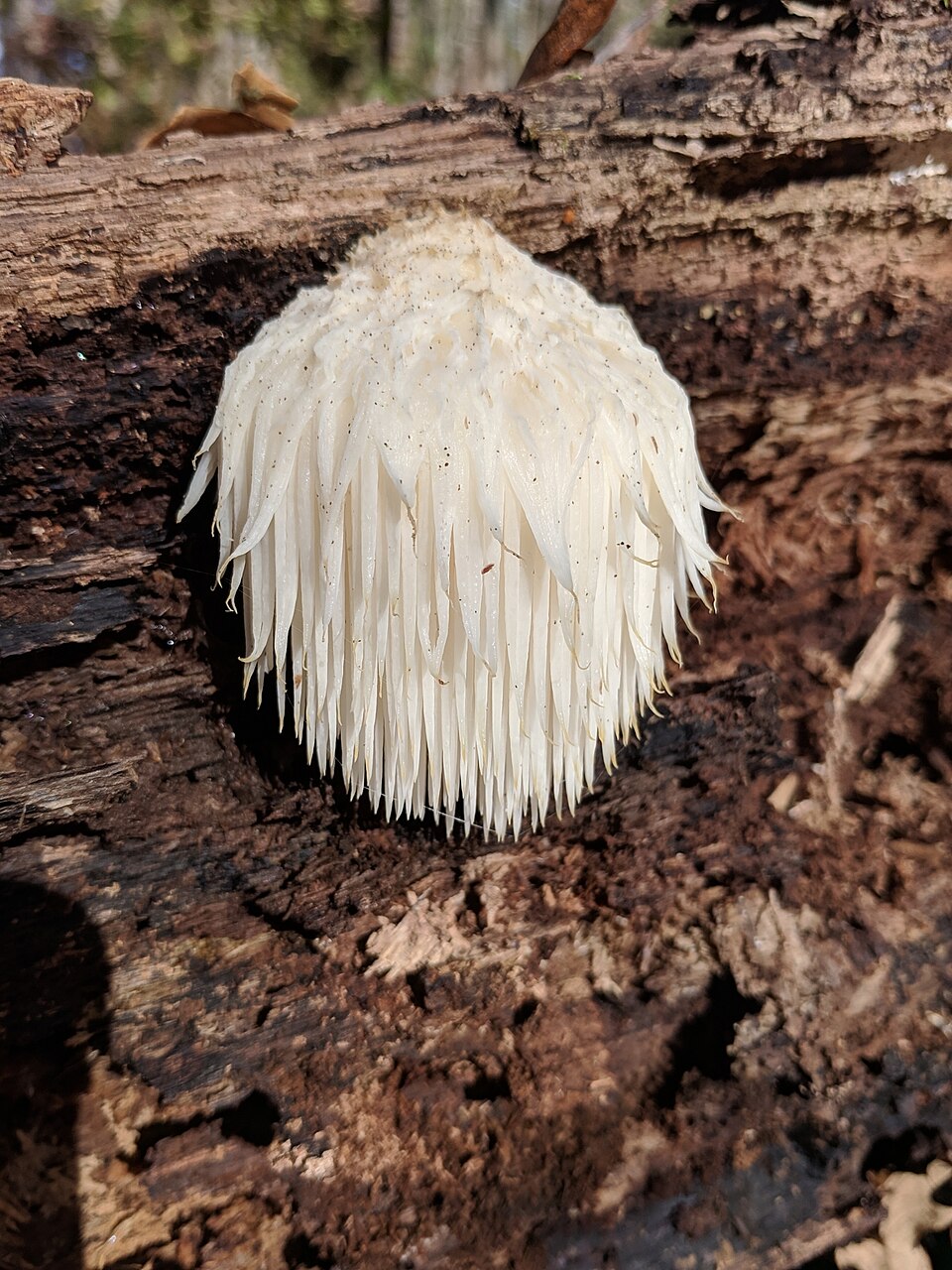
Lion's Mane
Hericium erinaceus
A shaggy white cascade of a mushroom that tastes like crab when fried — and is being studied, cautiously, for the brain.
Leer la guía →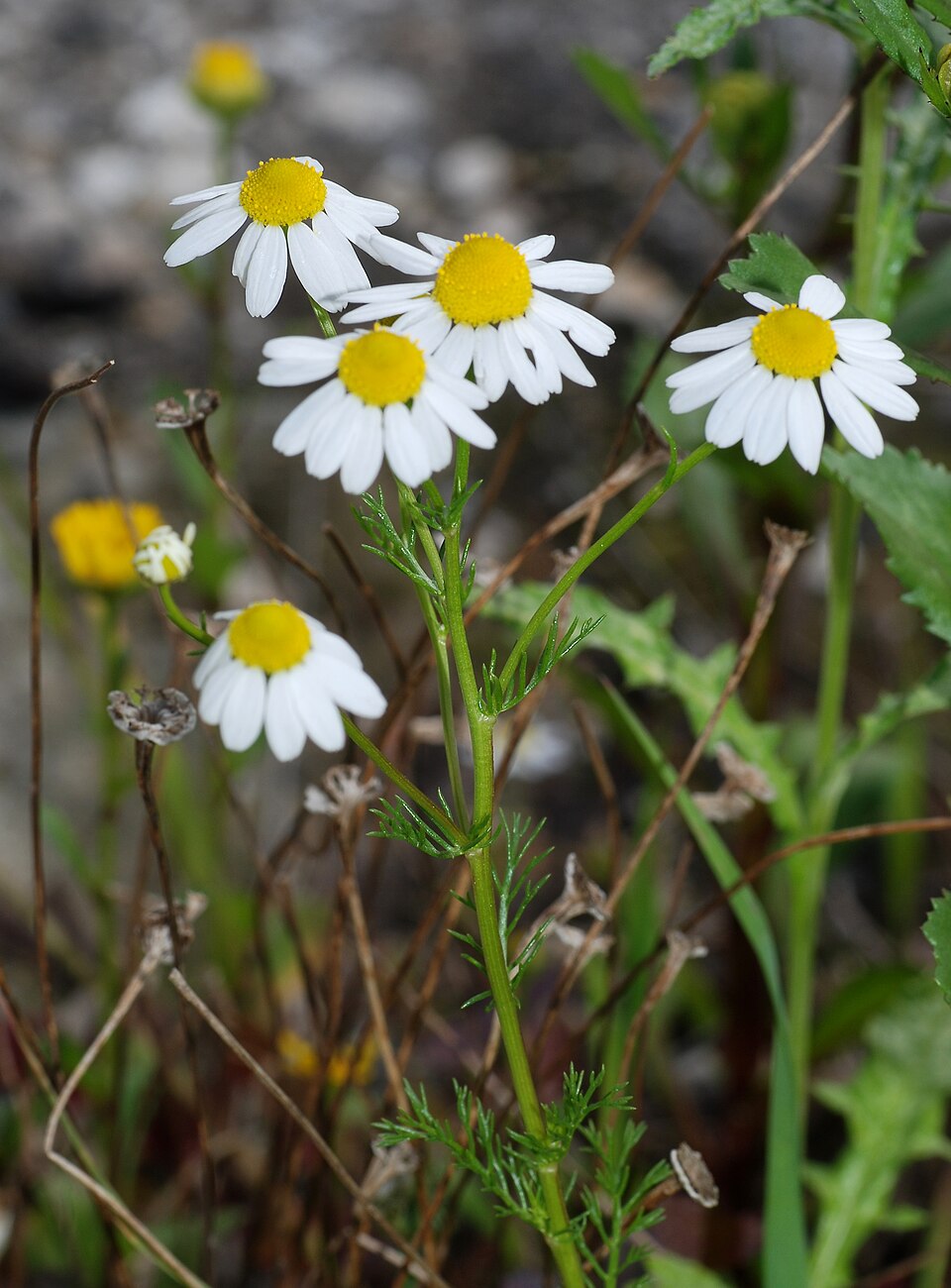
Manzanilla
Matricaria chamomilla
La suave margarita que se convirtió en la infusión para dormir más popular del mundo.
Leer la guía →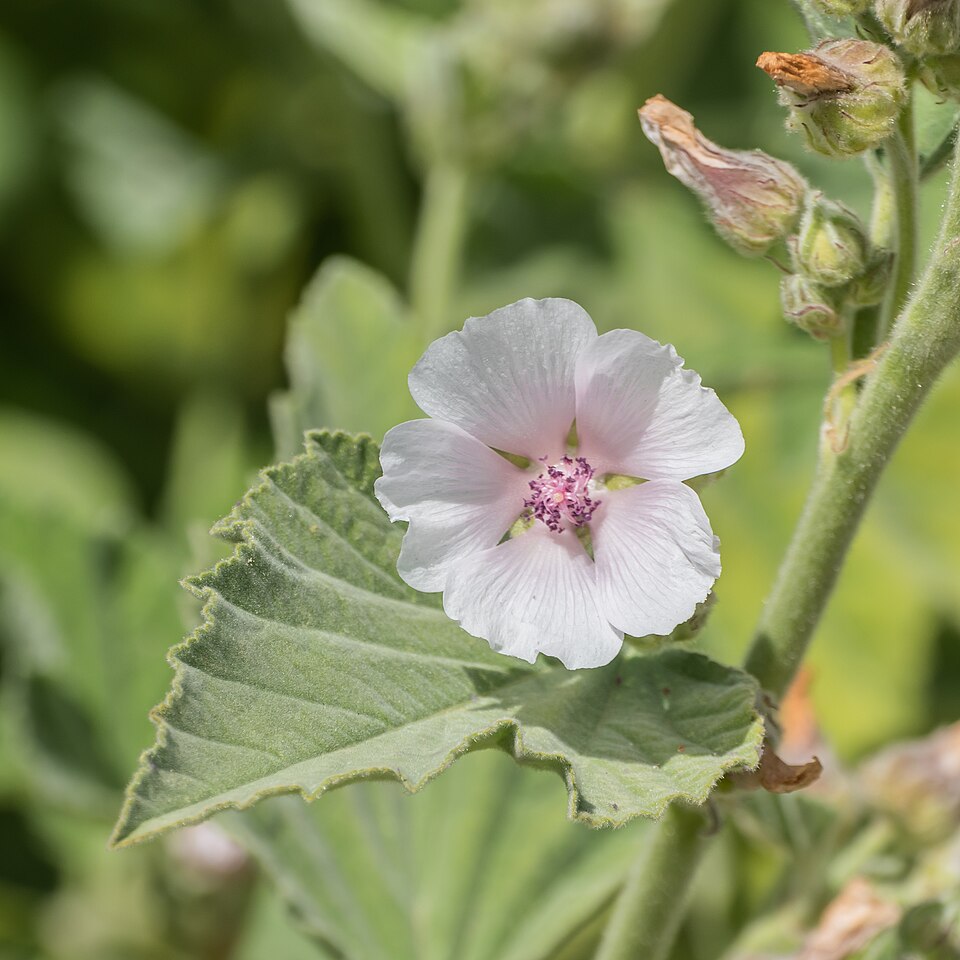
Marshmallow Root
Althaea officinalis
The original marshmallow — a slippery, soothing root for scratchy throats and dry coughs, best made with cold water.
Leer la guía →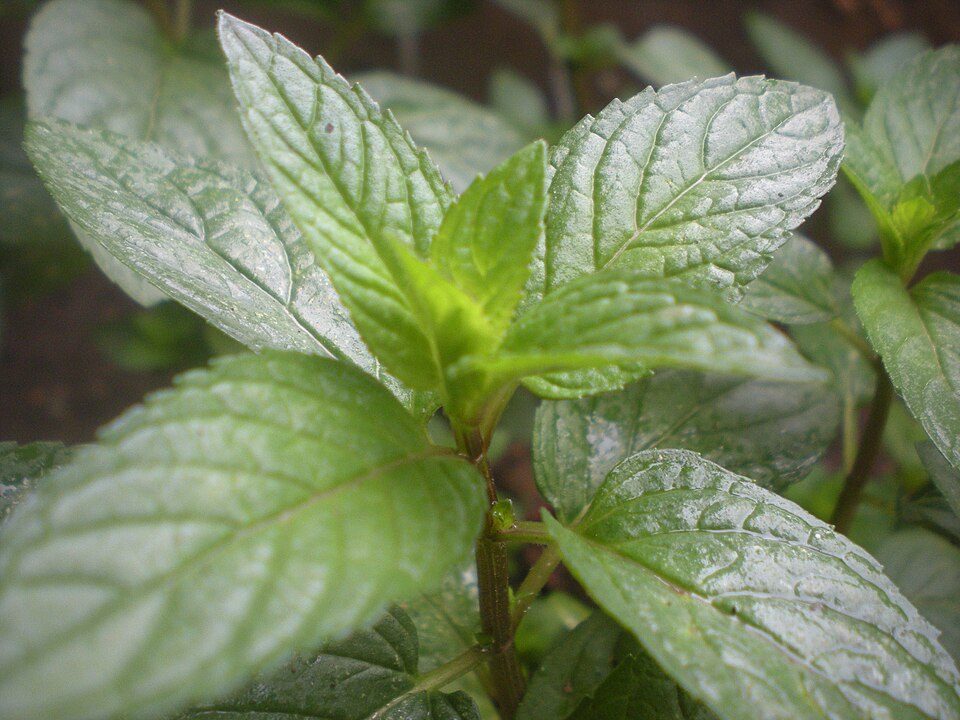
Menta piperita
Mentha × piperita
Una menta de jardín vigorosa cuyo aceite es uno de los tratamientos herbales mejor documentados para el síndrome del intestino irritable.
Leer la guía →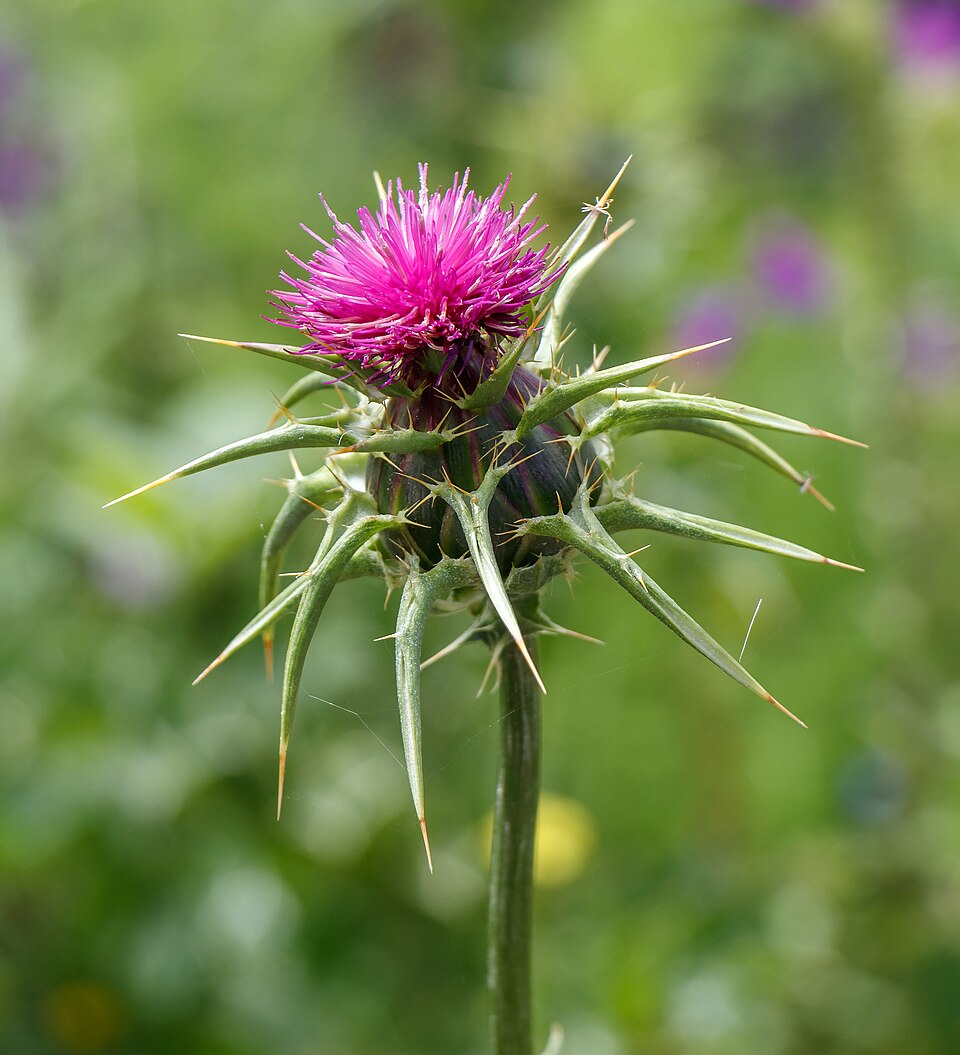
Milk Thistle
Silybum marianum
The white-veined Mediterranean thistle whose seeds became the world's best-known liver herb — well studied, very safe, and more modest than the marketing.
Leer la guía →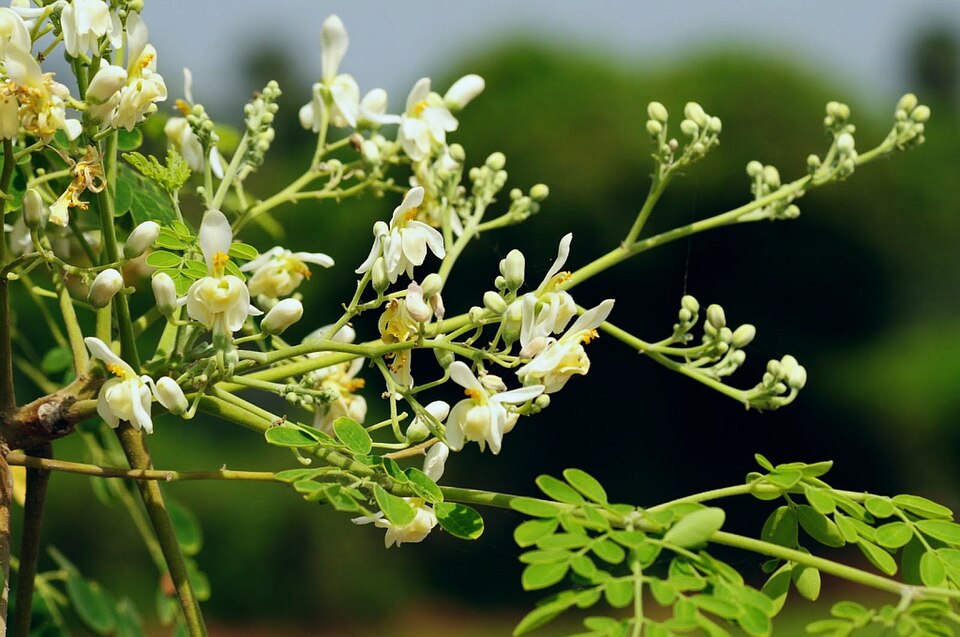
Moringa
Moringa oleifera
The fast-growing "drumstick tree" whose leaves feed families across the tropics — genuinely nutritious, if not quite the miracle it's marketed as.
Leer la guía →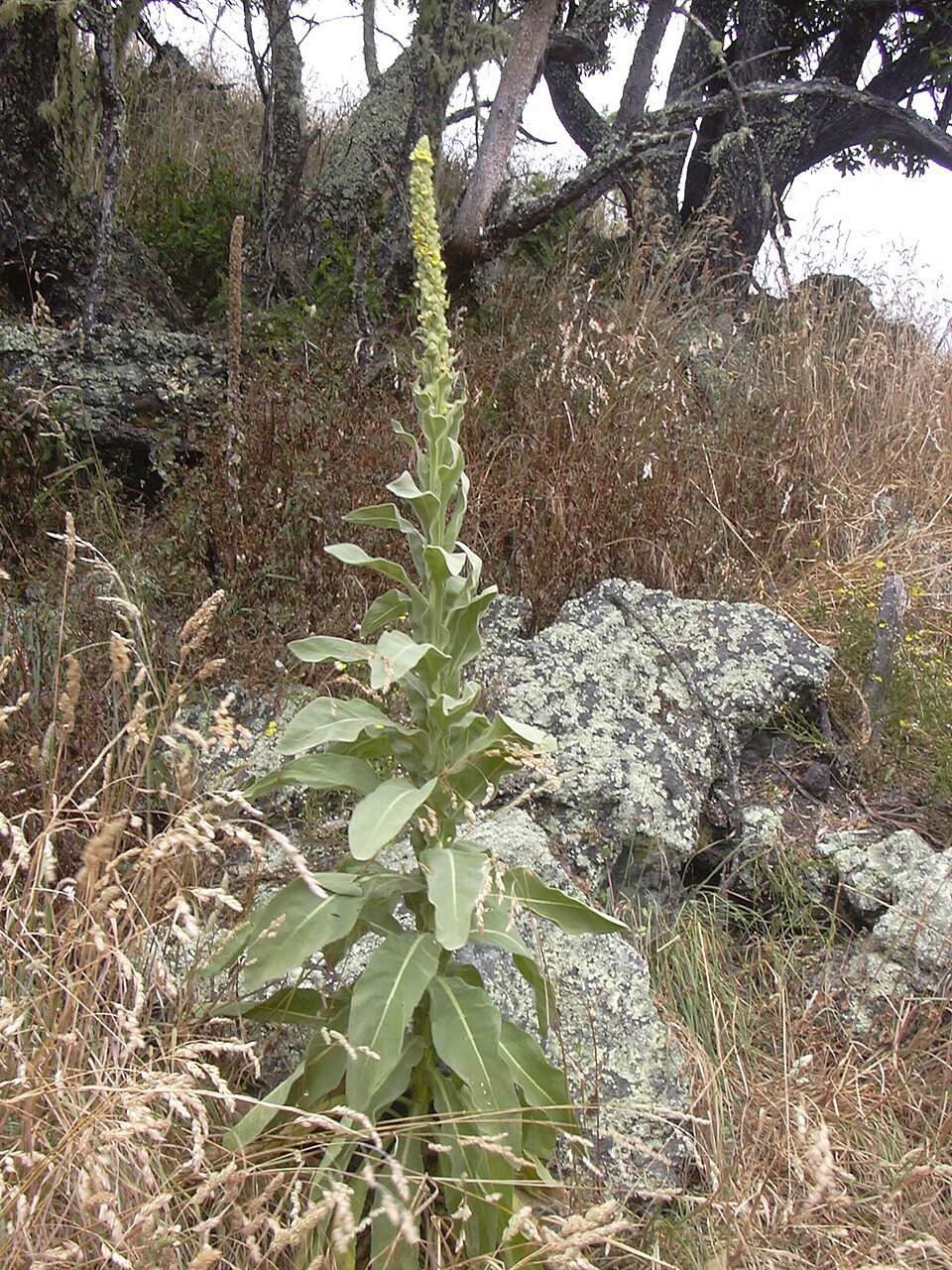
Mullein
Verbascum thapsus
The towering, velvet-leaved roadside torch plant — a traditional cough tea, as long as you strain out its itchy hairs.
Leer la guía →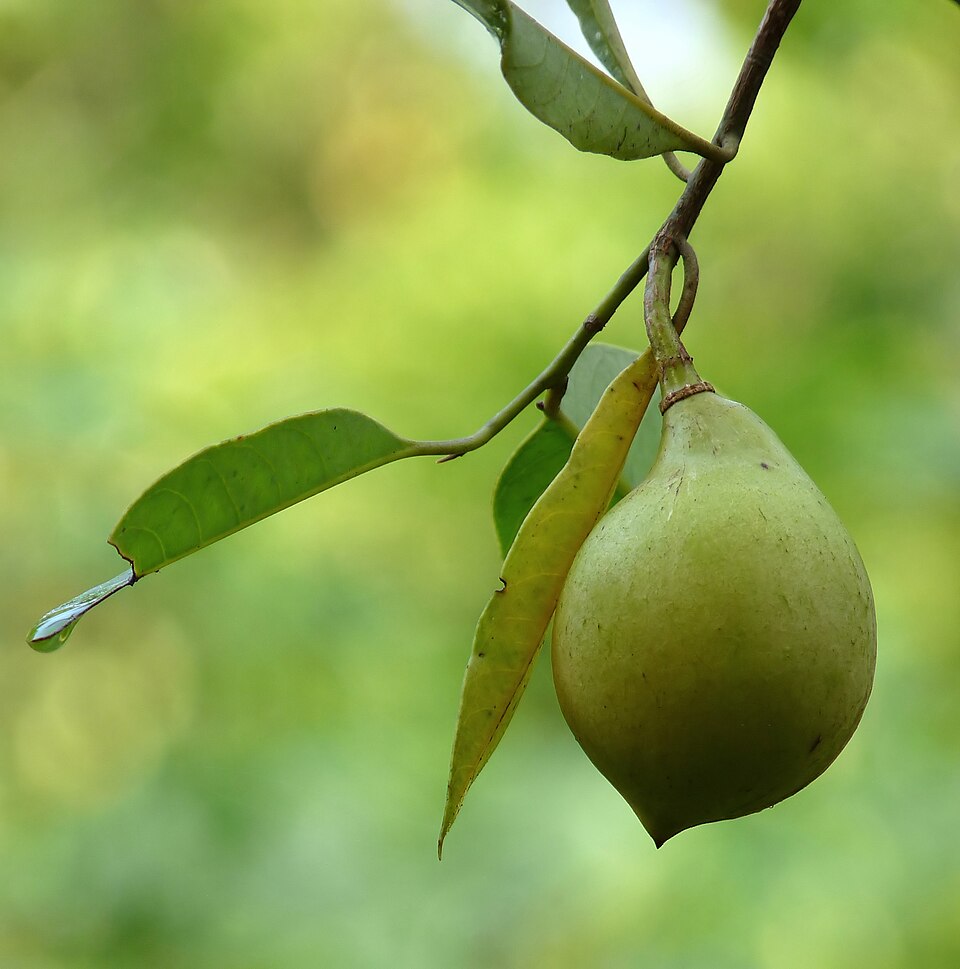
Nutmeg
Myristica fragrans
The warm, sweet spice that once caused wars — lovely by the pinch, genuinely poisonous by the spoonful.
Leer la guía →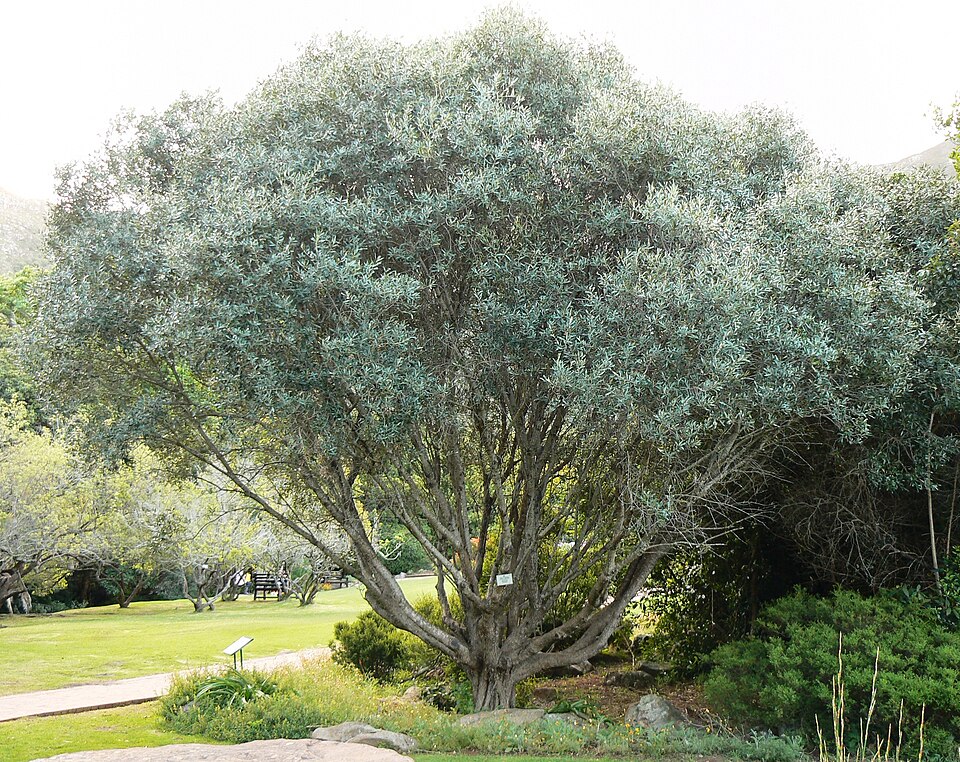
Olive Leaf
Olea europaea
The bitter, silvery leaf of the Mediterranean olive tree — rich in oleuropein and studied for gentle support of blood pressure.
Leer la guía →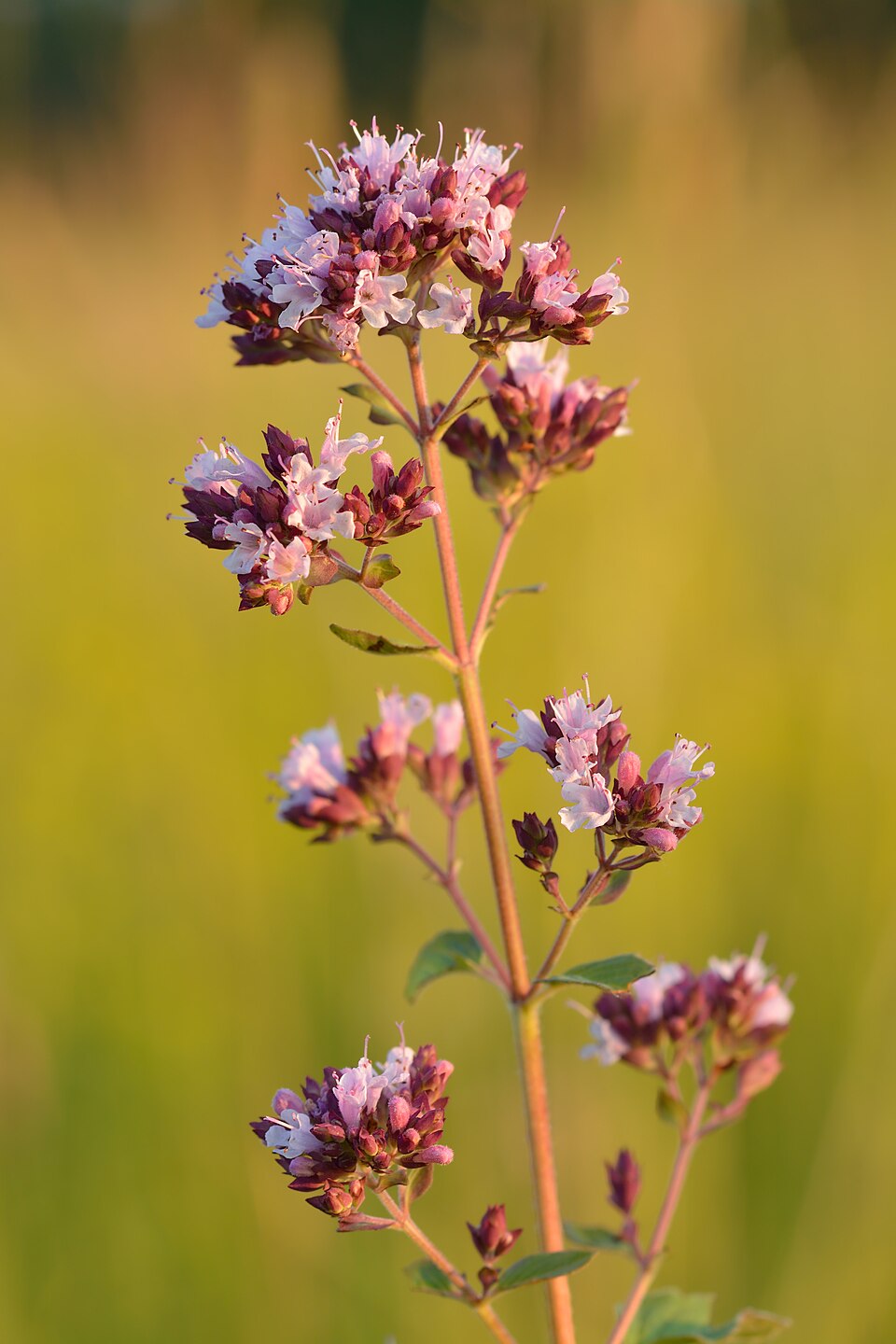
Oregano
Origanum vulgare
The sun-baked Mediterranean herb that tastes better dried than fresh — and whose concentrated oil is a very different thing.
Leer la guía →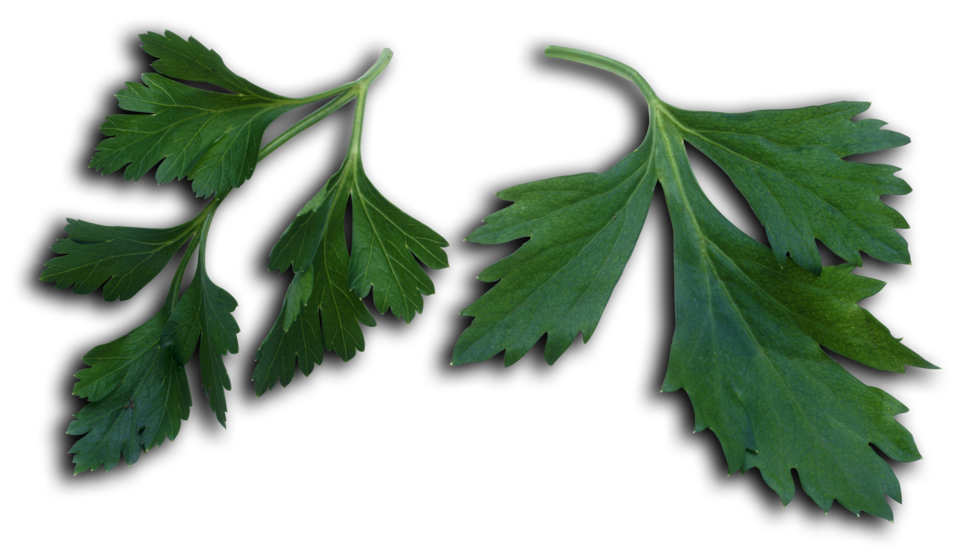
Parsley
Petroselinum crispum
Far more than a garnish — eat parsley by the handful and it becomes a fresh, green, vitamin-rich salad herb.
Leer la guía →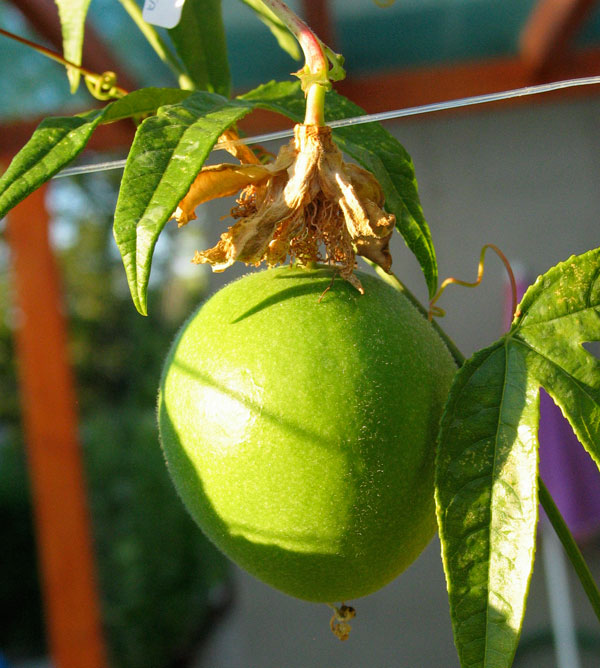
Passionflower
Passiflora incarnata
An extravagant purple-fringed vine from the American South, used for centuries to quiet an anxious mind and ease into sleep.
Leer la guía →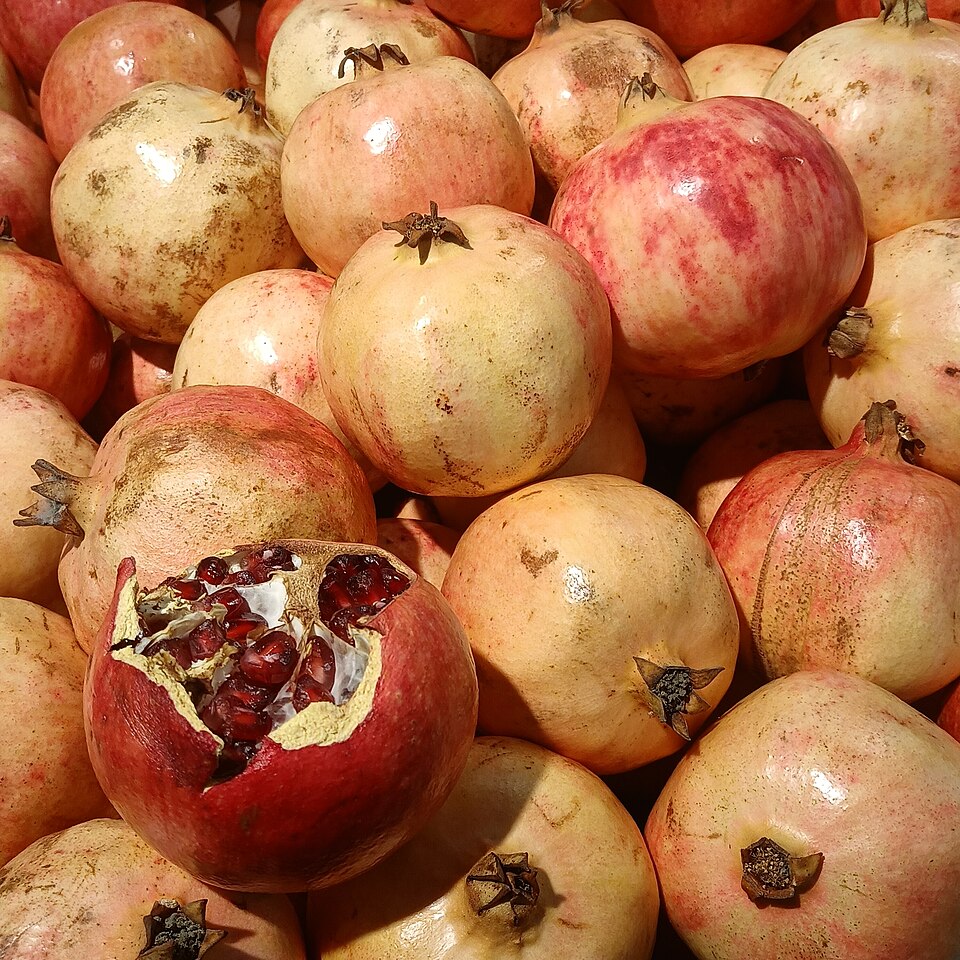
Pomegranate
Punica granatum
Jewel-like seeds and tart ruby juice with a modest but real effect on blood pressure — and a legend in every ancient culture.
Leer la guía →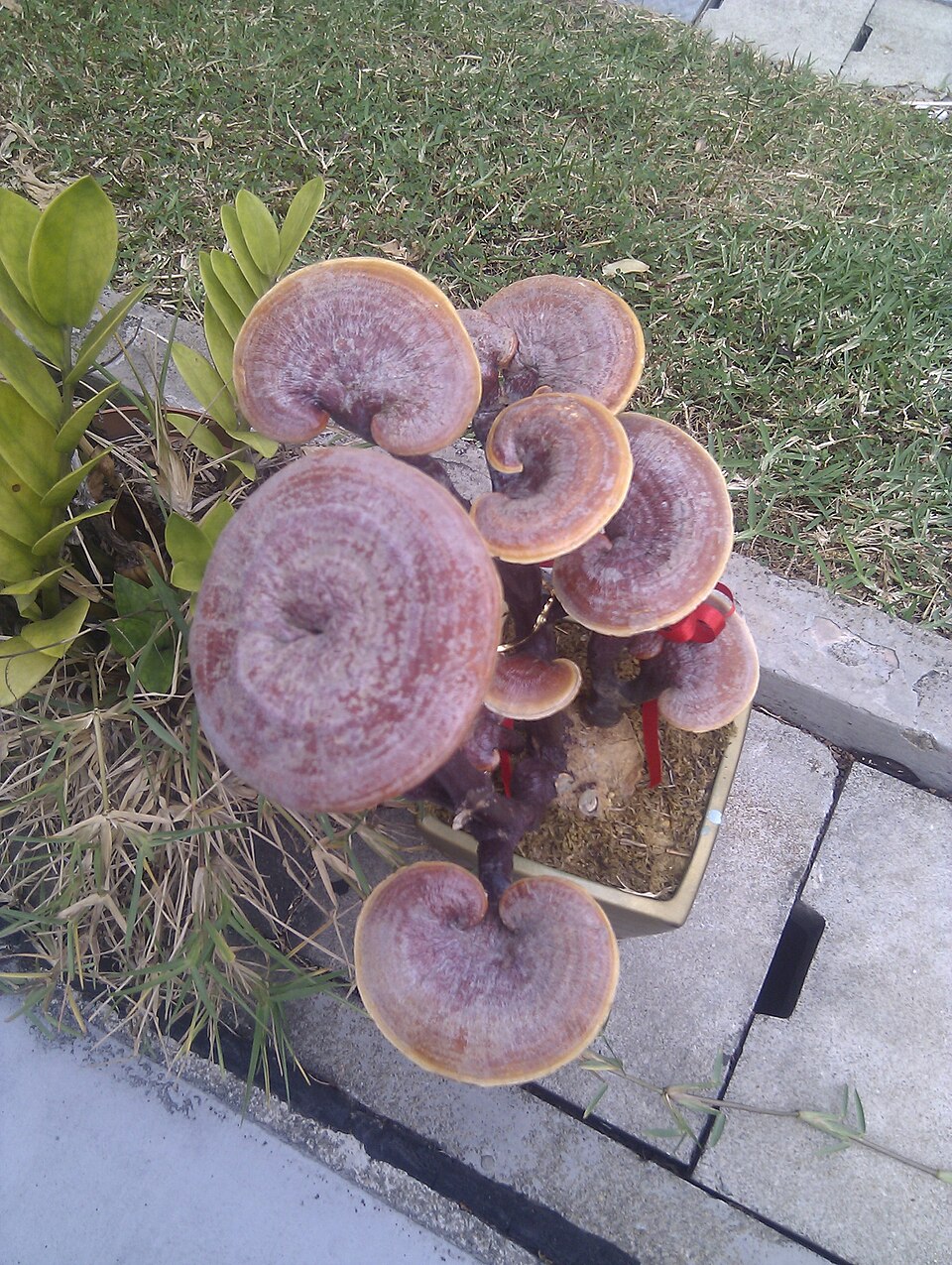
Reishi
Ganoderma lingzhi
The glossy, woody "mushroom of immortality" of Chinese tradition — revered for calm and immunity, but backed by thinner evidence than its legend.
Leer la guía →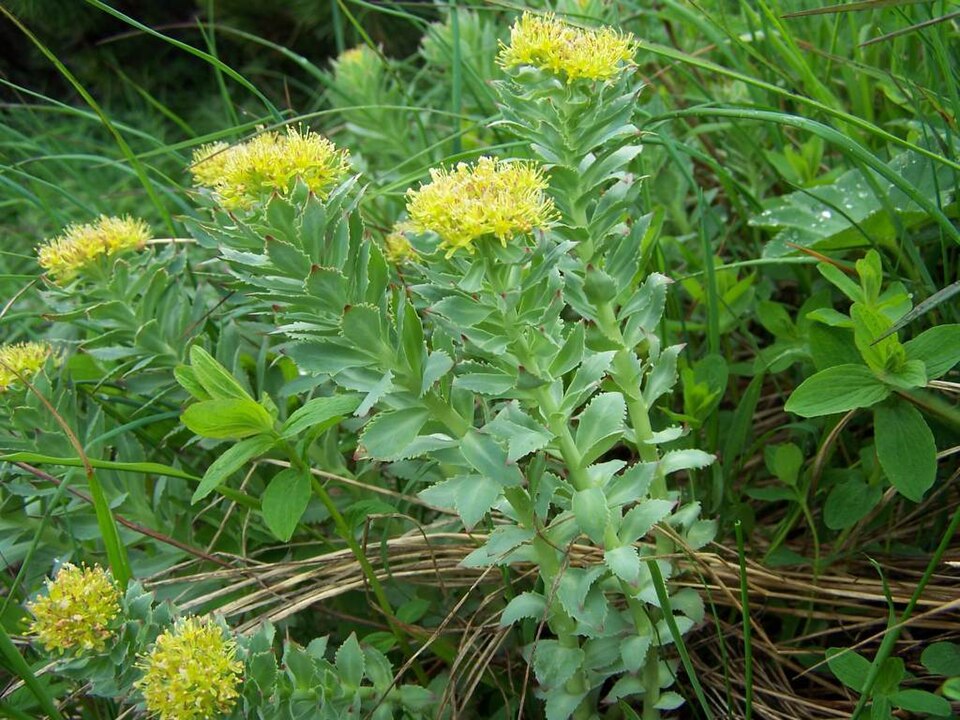
Rhodiola
Rhodiola rosea
The golden root of Arctic cliffs and Siberian mountains — a stress-and-fatigue herb with more trial data than most adaptogens.
Leer la guía →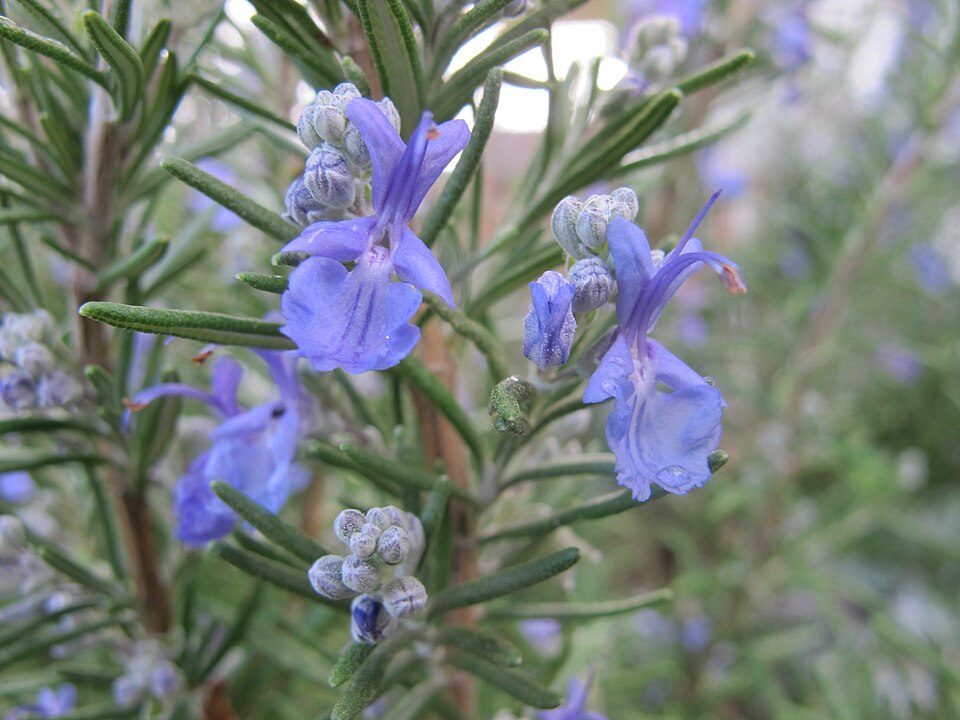
Rosemary
Salvia rosmarinus
The Mediterranean shrub scholars have worn for memory since ancient Greece — and modern studies keep finding they were onto something.
Leer la guía →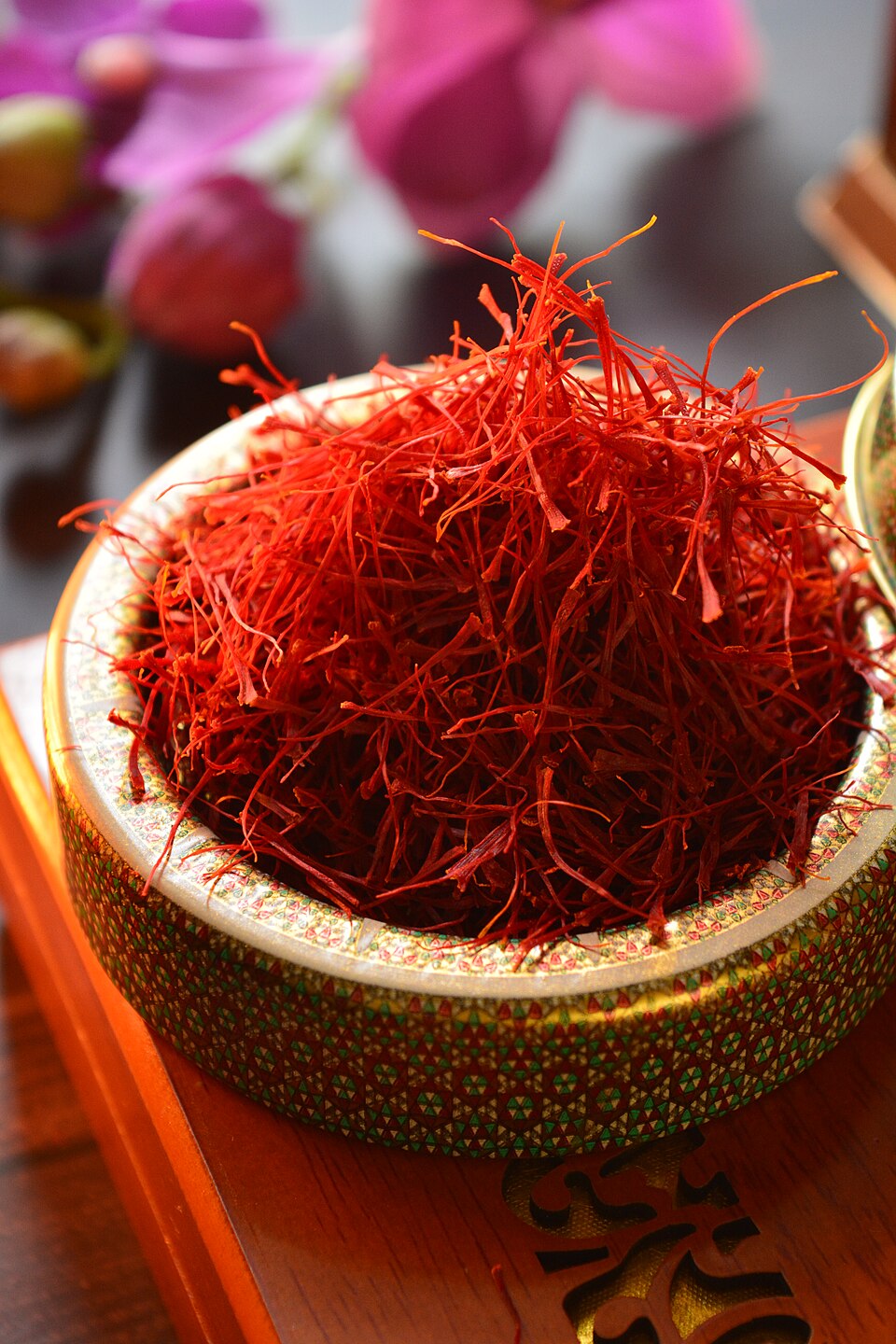
Saffron
Crocus sativus
The world's costliest spice — hand-picked crimson threads with a surprisingly respectable body of research on low mood.
Leer la guía →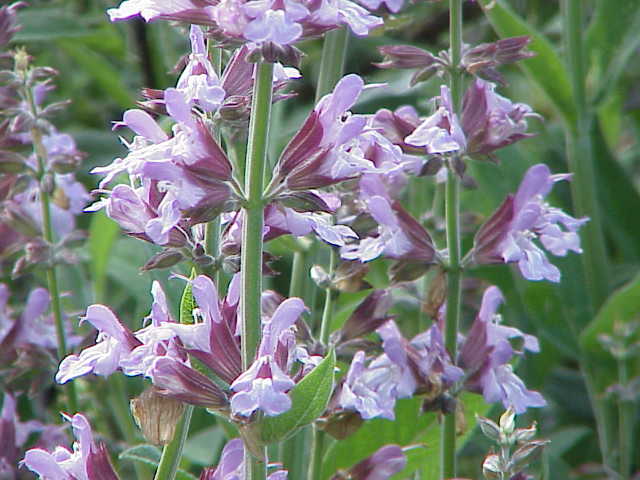
Sage
Salvia officinalis
Velvety grey-green leaves with a bold, piney flavour — a classic sore-throat gargle, and a herb to respect in concentrated form.
Leer la guía →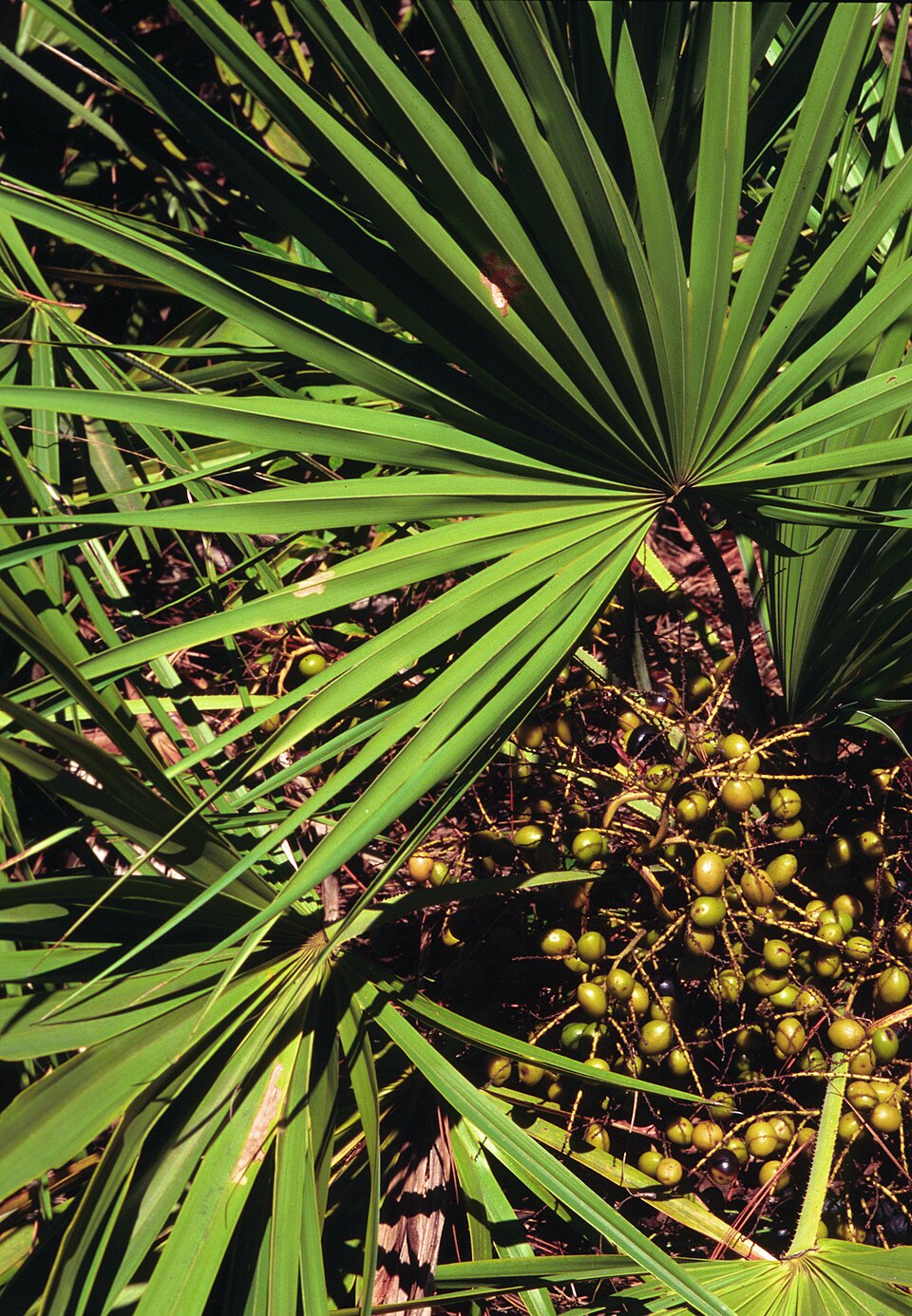
Saw Palmetto
Serenoa repens
A scrubby Florida palm whose berries became the best-selling prostate supplement — though the largest trials found it works no better than placebo.
Leer la guía →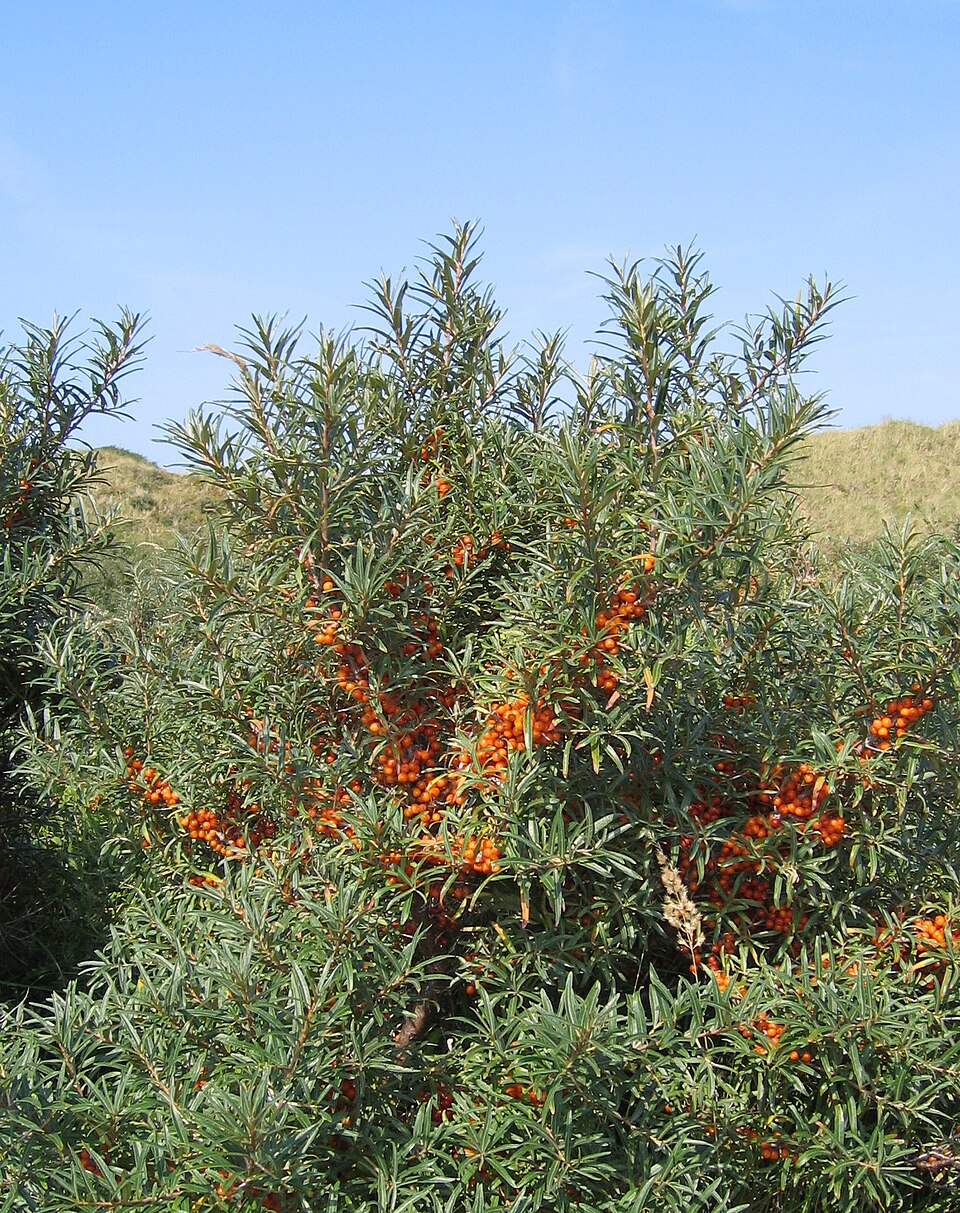
Sea Buckthorn
Hippophae rhamnoides
A thorny coastal shrub crowded with sour orange berries — packed with vitamin C, carotenoids and a rare omega-7 oil.
Leer la guía →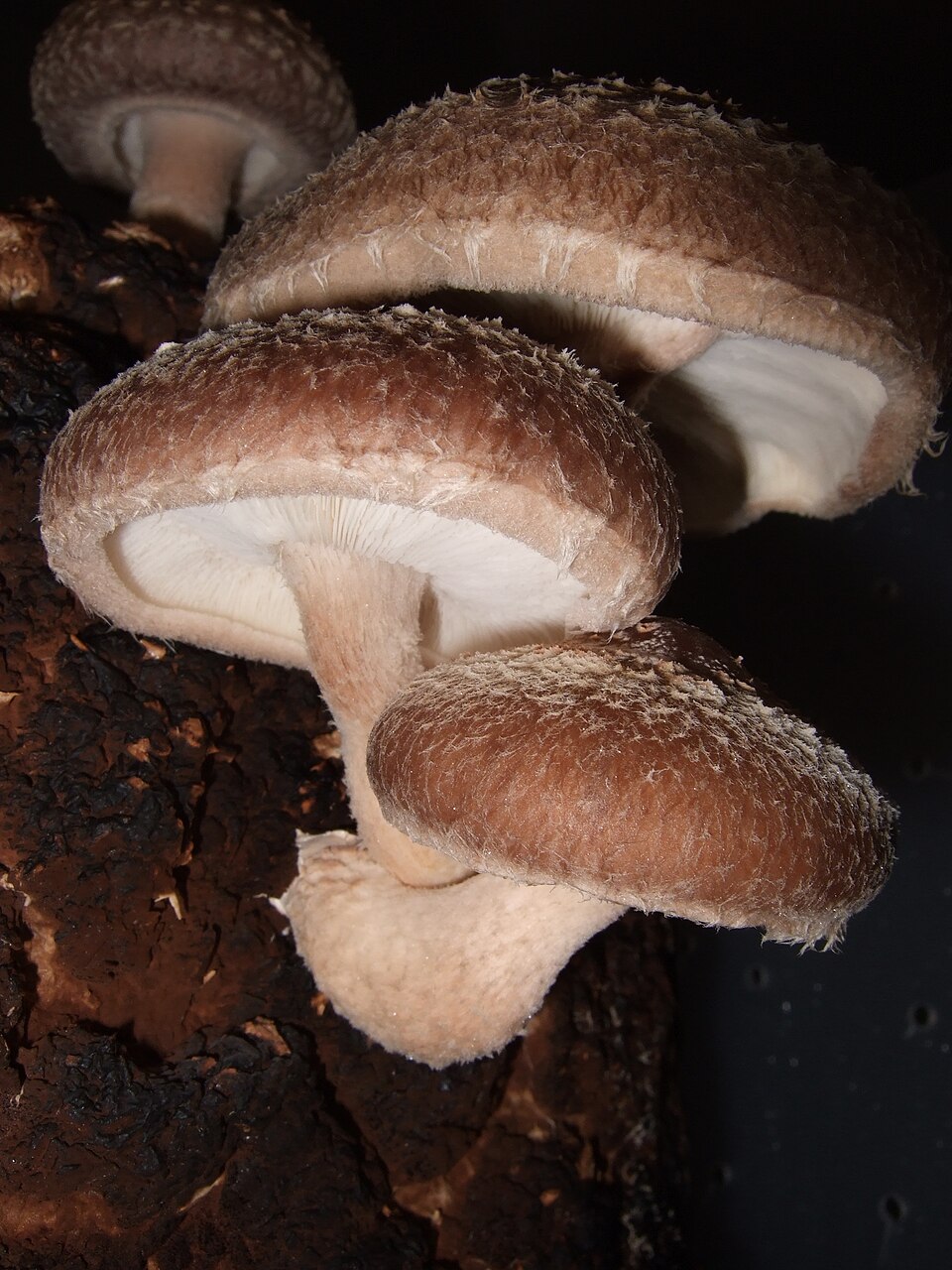
Shiitake
Lentinula edodes
The savoury, meaty mushroom of East Asian kitchens — rich in umami and immune-active fibres, and always best eaten well cooked.
Leer la guía →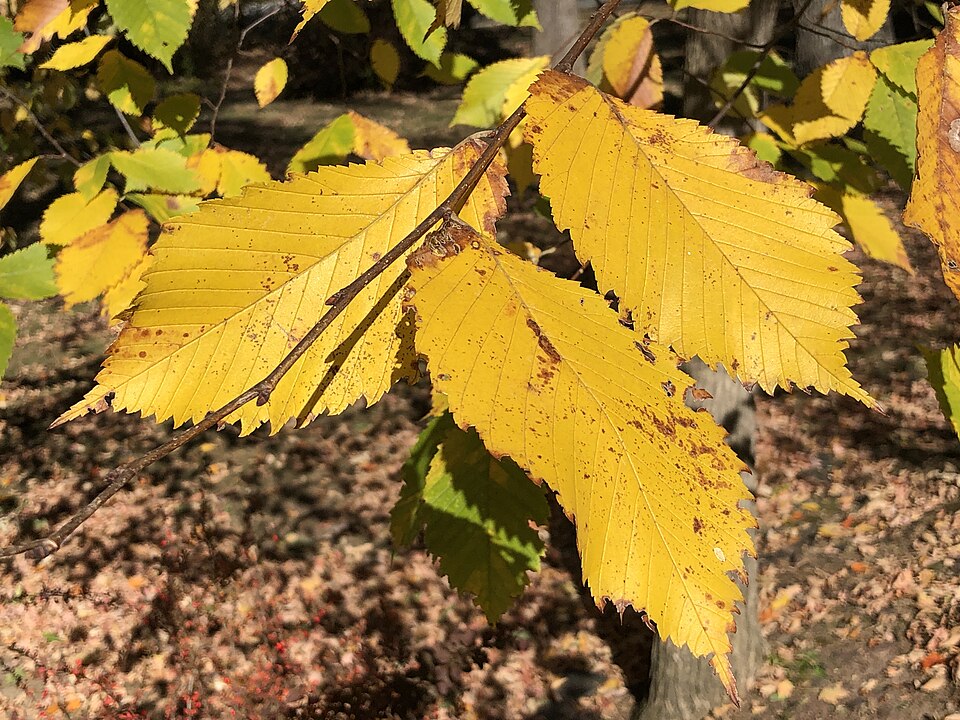
Slippery Elm
Ulmus rubra
A North American tree whose inner bark turns into a soothing gruel — gentle on sore throats and stomachs, but hard on the trees.
Leer la guía →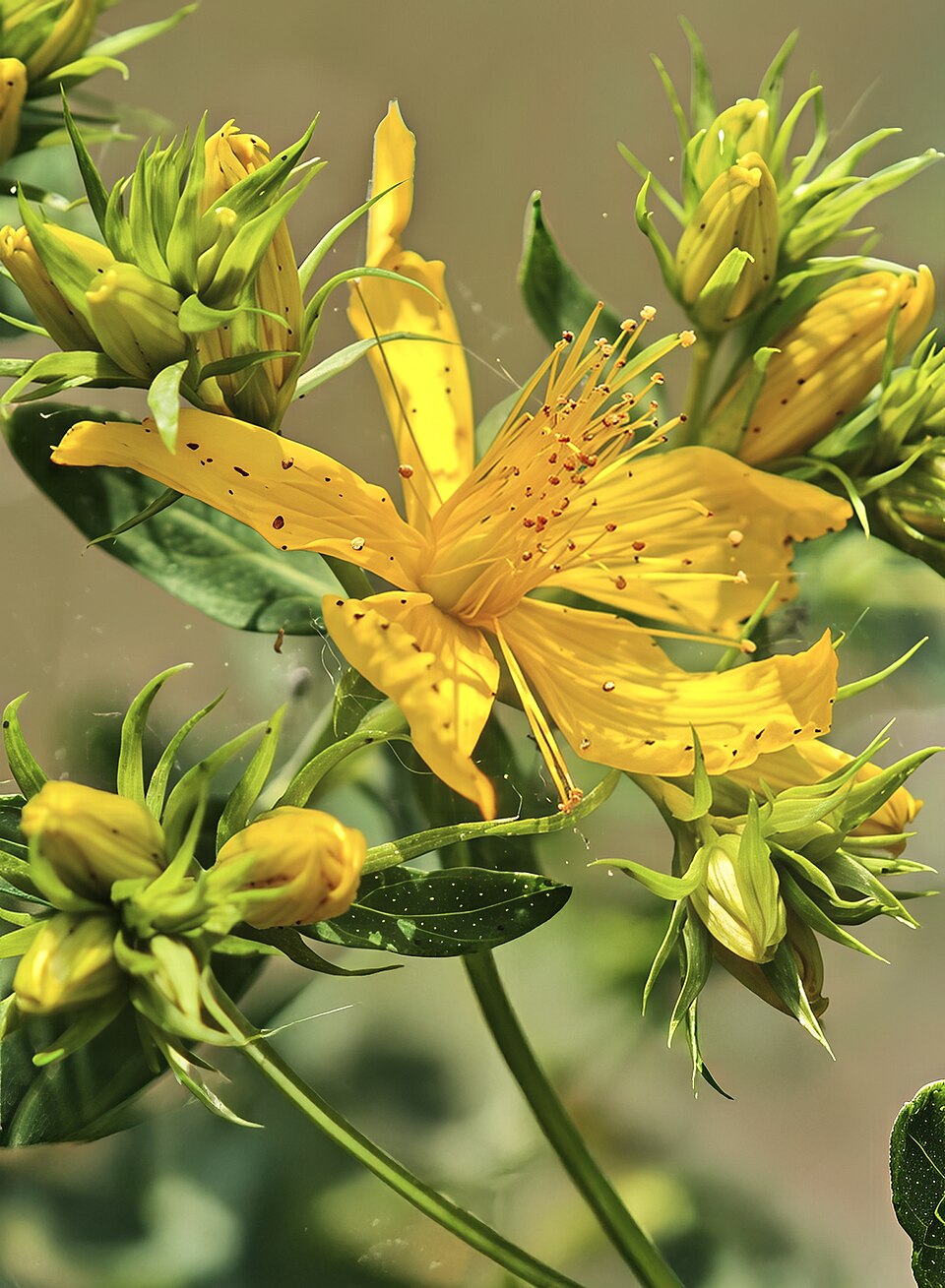
St John's Wort
Hypericum perforatum
A sunny midsummer flower with real antidepressant evidence — and more drug interactions than almost any other herb on the shelf.
Leer la guía →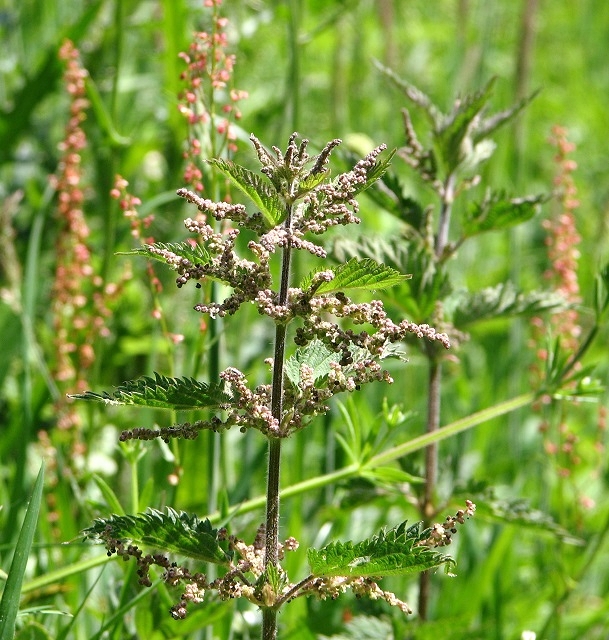
Stinging Nettle
Urtica dioica
The plant that fights back — then feeds you. Mineral-rich spring green, hay-fever folk remedy, and a surprisingly evidence-brushed joint herb.
Leer la guía →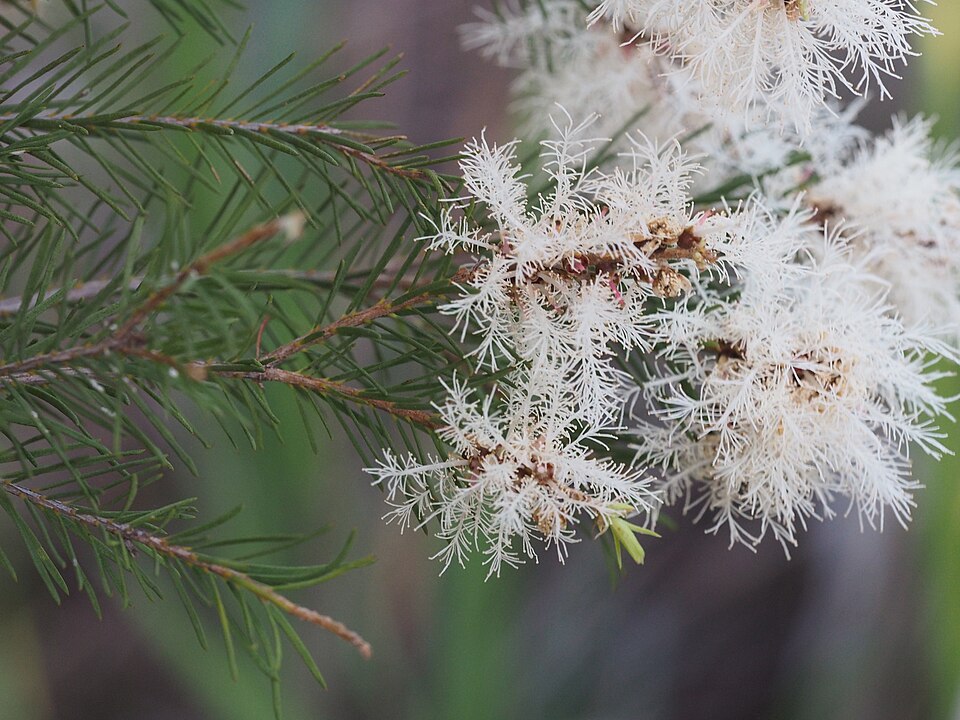
Tea Tree
Melaleuca alternifolia
An Australian swamp shrub whose sharp, medicinal oil tackles spots and fungal skin — strictly on the outside, and never near cats.
Leer la guía →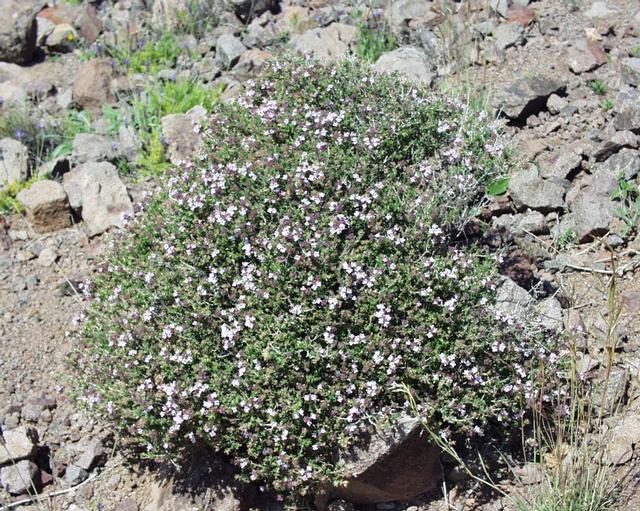
Thyme
Thymus vulgaris
A tough little woody herb that flavours slow-cooked food beautifully and has soothed coughs across Europe for centuries.
Leer la guía →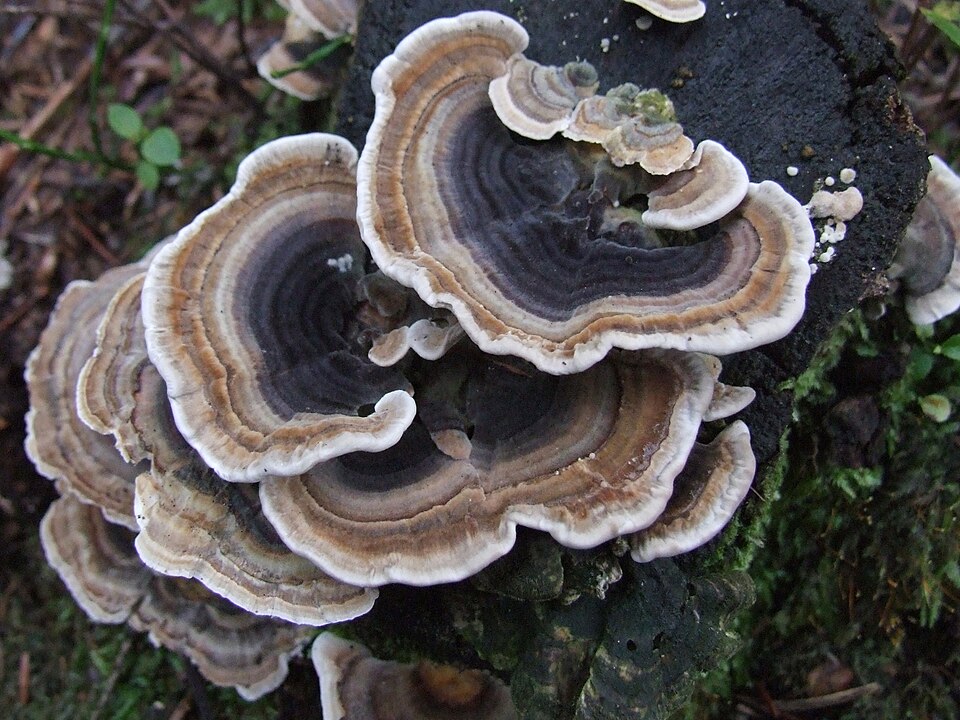
Turkey Tail
Trametes versicolor
A common, striped bracket fungus of woodland logs, rich in immune-active polysaccharides — much studied, often overclaimed.
Leer la guía →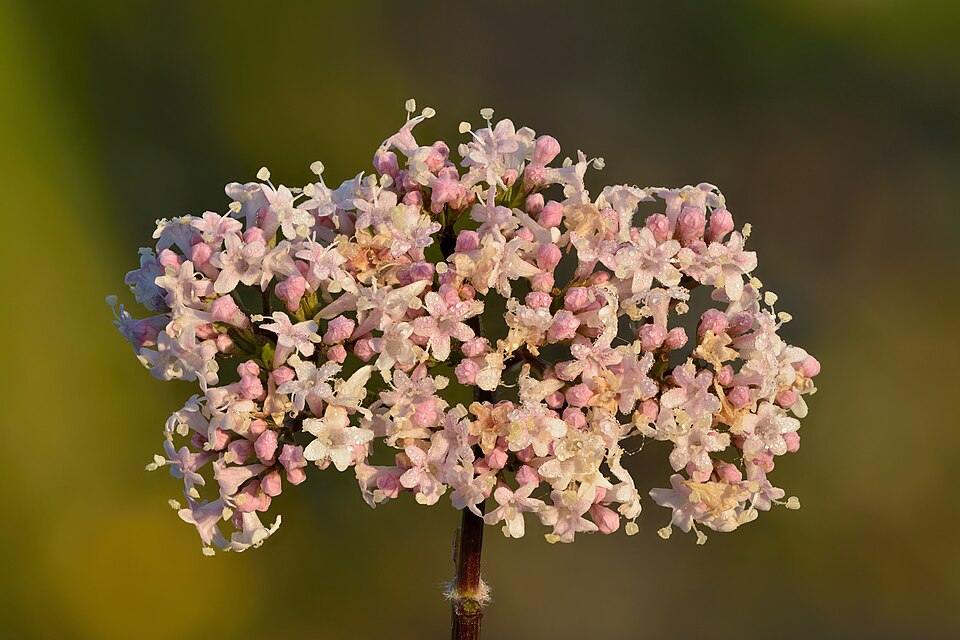
Valerian
Valeriana officinalis
Europe's traditional sleep root — gentle, non-habit-forming, and best judged after two weeks of nightly use.
Leer la guía →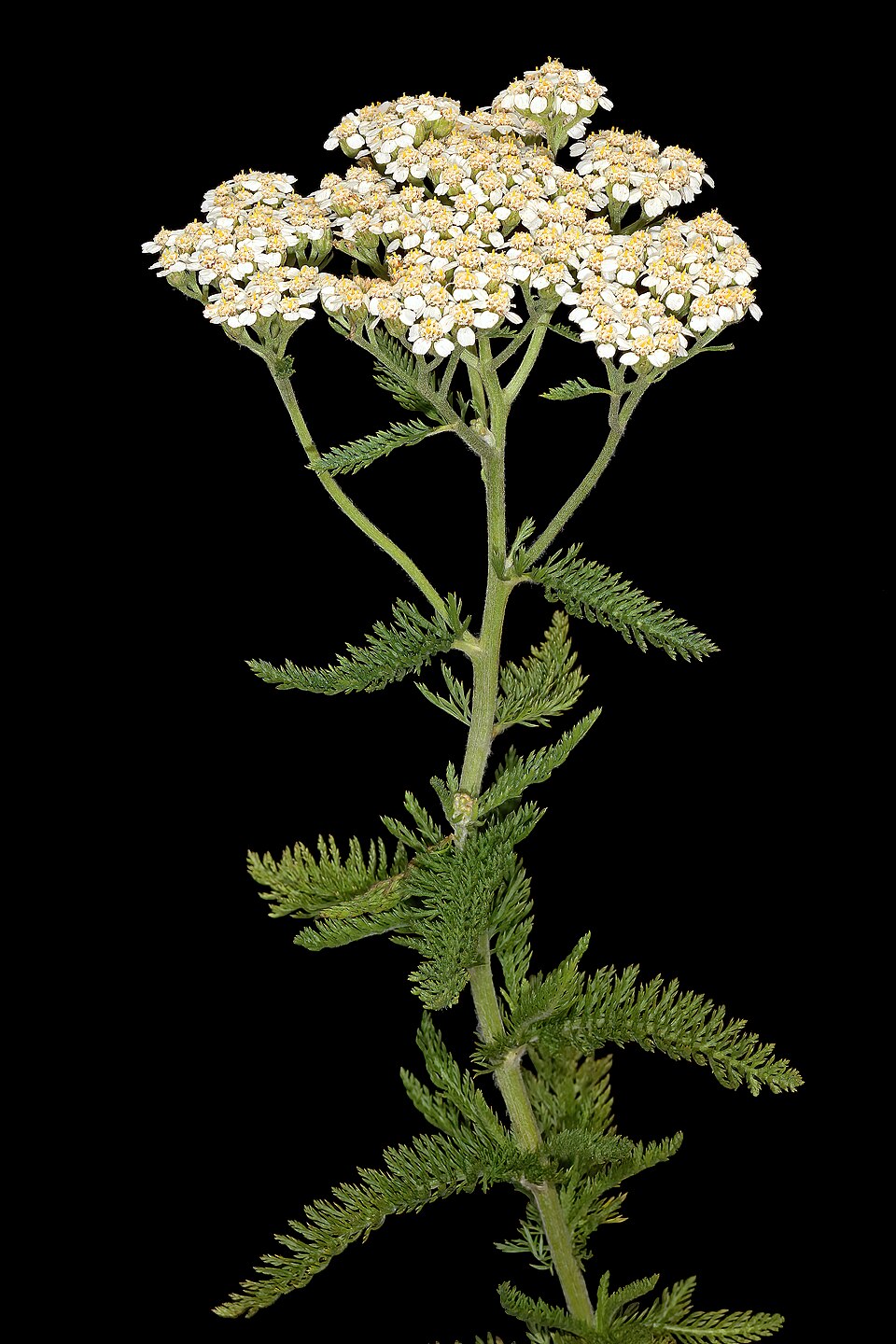
Yarrow
Achillea millefolium
The feathery-leaved wound herb named after Achilles — a bitter tea for sluggish digestion, and one to avoid in pregnancy.
Leer la guía →