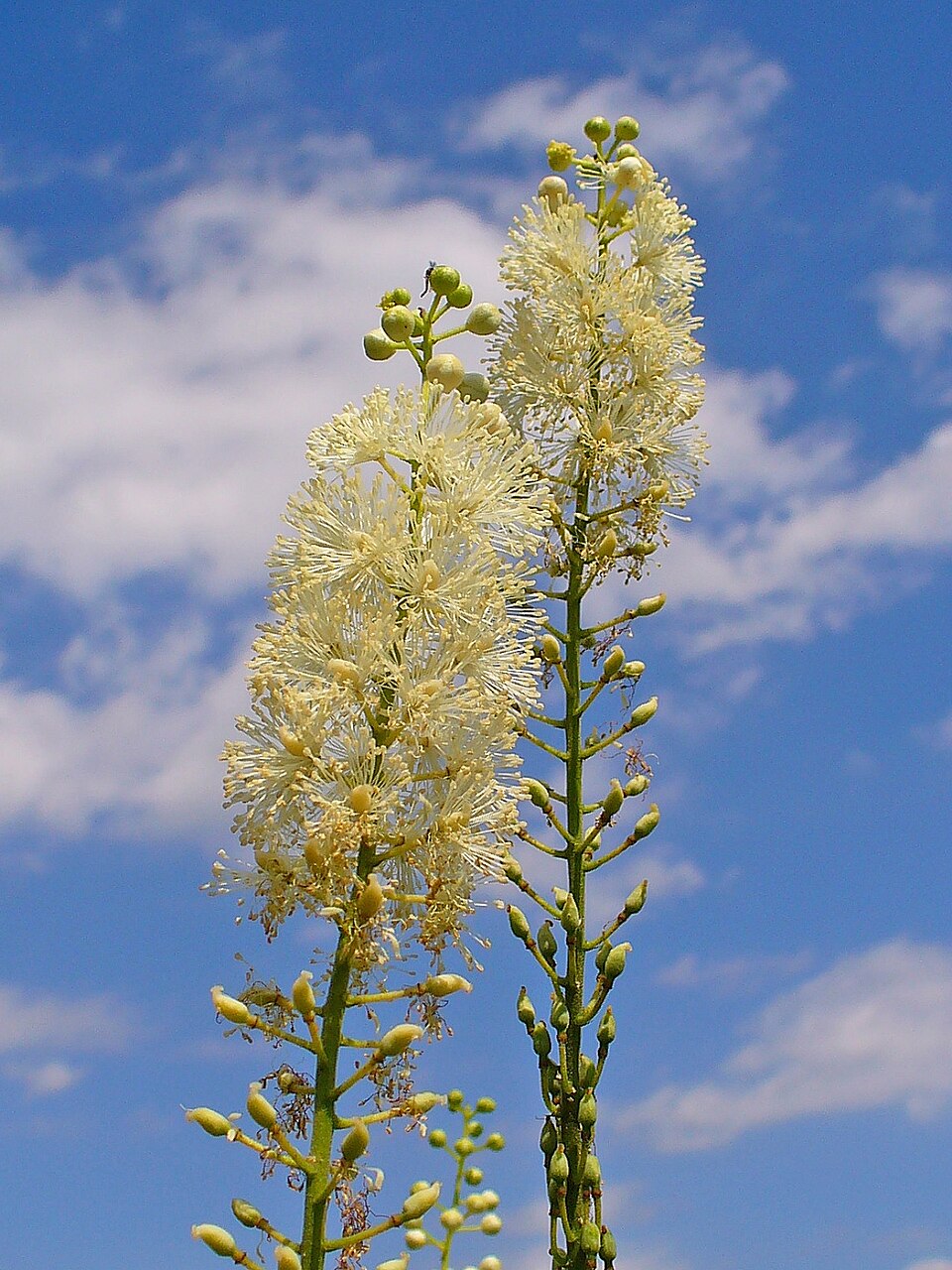
Qu'est-ce que Black Cohosh ?
Black cohosh is a buttercup-family perennial of eastern North American woodlands, sending up tall white candles of flowers in midsummer (another old name is bugbane, for their odd smell). Native American peoples used the dark root for women's complaints, rheumatism and snakebite, and it became a key ingredient in 19th-century patent medicines for "female weakness". It was long classified as Cimicifuga racemosa, a name you will still see on labels. Triterpene glycosides such as actein are the compounds most studied.
Today it is used mainly for menopausal hot flushes and night sweats. The evidence is genuinely mixed: some trials of specific standardised extracts found benefits, while larger systematic reviews concluded there is no clear advantage over placebo. It does not appear to act like oestrogen in the body. Rare but serious liver injury has been reported, which is why several countries require a warning on the label.
Bienfaits et usages
Menopausal hot flushes
The main use. Some placebo-controlled trials of standardised extracts found fewer or milder hot flushes and night sweats; others found no difference, and reviews pooling the data are not convincing. Some women clearly feel it helps — if you try it, judge it honestly after 8–12 weeks.
Menopausal mood and sleep
Some trials report small improvements in irritability, low mood and sleep during menopause, usually as part of overall symptom scores. Hard to separate from placebo effects.
Traditional use for period pain
A long-standing traditional remedy for cramping menstrual pain. There is little modern evidence for this use.
Non-hormonal option
Because it does not seem to behave like oestrogen, it is sometimes chosen by women who prefer not to use hormone therapy. That does not mean it is automatically safe for those with hormone-sensitive conditions — see precautions.
Comment l'utiliser
Standardised extract
Most trials used isopropanol or ethanol root extracts, typically around 20–40 mg twice daily. Follow the product's dosing rather than improvising.
Buy from a reputable brand
Adulteration with cheaper Asian Actaea species is a known problem and may be linked to some adverse reports. Choose products that name Actaea racemosa (or Cimicifuga racemosa) and carry a quality mark or registration.
Give it time, then review
Effects, if any, usually show within 4–8 weeks. If nothing has improved by 12 weeks, stop.
Limit the duration
Most studies lasted 6 months or less. Many authorities advise not using it longer than about 6 months without medical advice.
Skip the tea
The root is bitter and tea strength is unpredictable; standardised extracts are the form that has been tested.
⚠️ Précautions
- Liver: rare cases of serious liver injury, including liver failure, have been reported. Stop at once and see a doctor if you notice yellowing skin or eyes, dark urine, pale stools, unusual tiredness, nausea or pain under the right ribs.
- Avoid if you have liver disease, drink heavily, or take other medicines that can affect the liver (for example high-dose paracetamol, some statins, certain antifungals).
- Avoid in pregnancy — it was traditionally used to bring on labour — and while breastfeeding.
- Breast cancer or other hormone-sensitive conditions: evidence on safety is conflicting. Do not take it without your oncologist's agreement, especially alongside tamoxifen or other cancer treatments.
- Possible side effects include stomach upset, headache, dizziness and rash. Anyone allergic to buttercup-family plants should be cautious.
- Do not confuse it with blue cohosh (Caulophyllum thalictroides), an unrelated plant with more serious safety concerns.
Ceci est une information générale, pas un avis médical. Consultez un professionnel de santé avant d'utiliser Black Cohosh pour traiter un trouble ou en association avec des médicaments.
Questions fréquentes
Is black cohosh a form of HRT?
No. Despite early theories, it does not appear to act as an oestrogen. It is a herbal extract with uncertain effectiveness, not a hormone replacement.
How common is the liver problem?
It is rare given how widely black cohosh is used, and a direct cause has not been proven in every case. But the injuries reported were serious, so knowing the warning signs matters.
Should I tell my doctor I'm taking it?
Yes — especially before blood tests, surgery or any new medicine. Unusual liver test results are one more reason to mention it.
Commentaires