Guides des plantes
70 plante(s), toutes traitées de la même façon : ce que c'est, ses bienfaits, comment l'utiliser et ses précautions.
Toutes Adaptogène 6 Allaitement 2 Allergies 1 Anti-inflammatoire 3 Antioxydant 16 Aromathérapie 3 Articulations 3 Calme 5 Champignon 6 Concentration 6 Cycle menstruel 2 Cœur 9 Digestion 20 Foie 2 Glycémie 4 Hormones 2 Humeur 2 Immunité 8 Indispensable de cuisine 1 Maux de tête 2 Mémoire 6 Nausées 1 Peau 6 Plante comestible 14 Premiers secours 6 Respiration 6 Rhumes 6 Santé intestinale 2 Sommeil 6 Stress 5 Tension artérielle 4 Tisane 8 Voies urinaires 3 Yeux 2 Énergie 4 Épice de cuisine 19
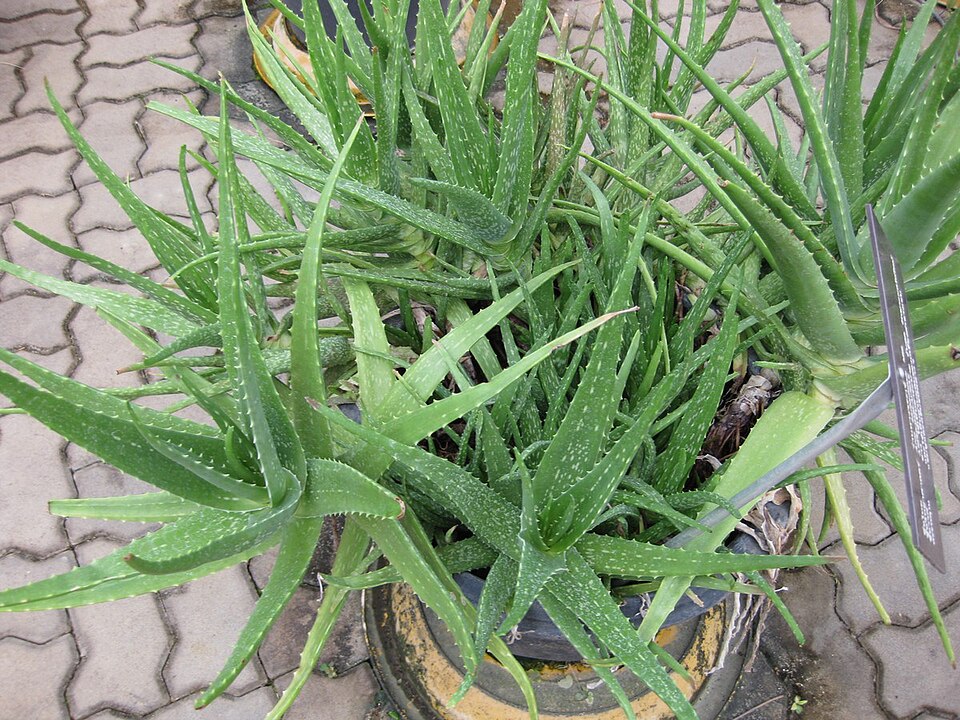
Aloe vera
Aloe barbadensis miller
La plante grasse dont le gel est un remède maison contre les brûlures et les irritations cutanées depuis des millénaires.
Lire le guide →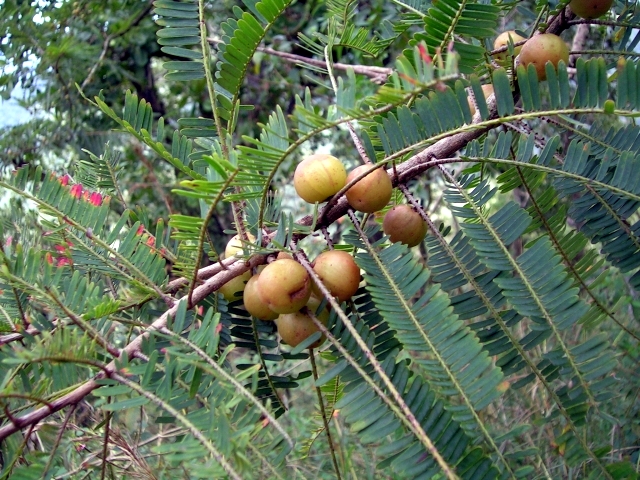
Amla / Indian Gooseberry
Phyllanthus emblica
Ayurveda's sour green fruit — a vitamin C powerhouse and the backbone of Triphala and chyawanprash.
Lire le guide →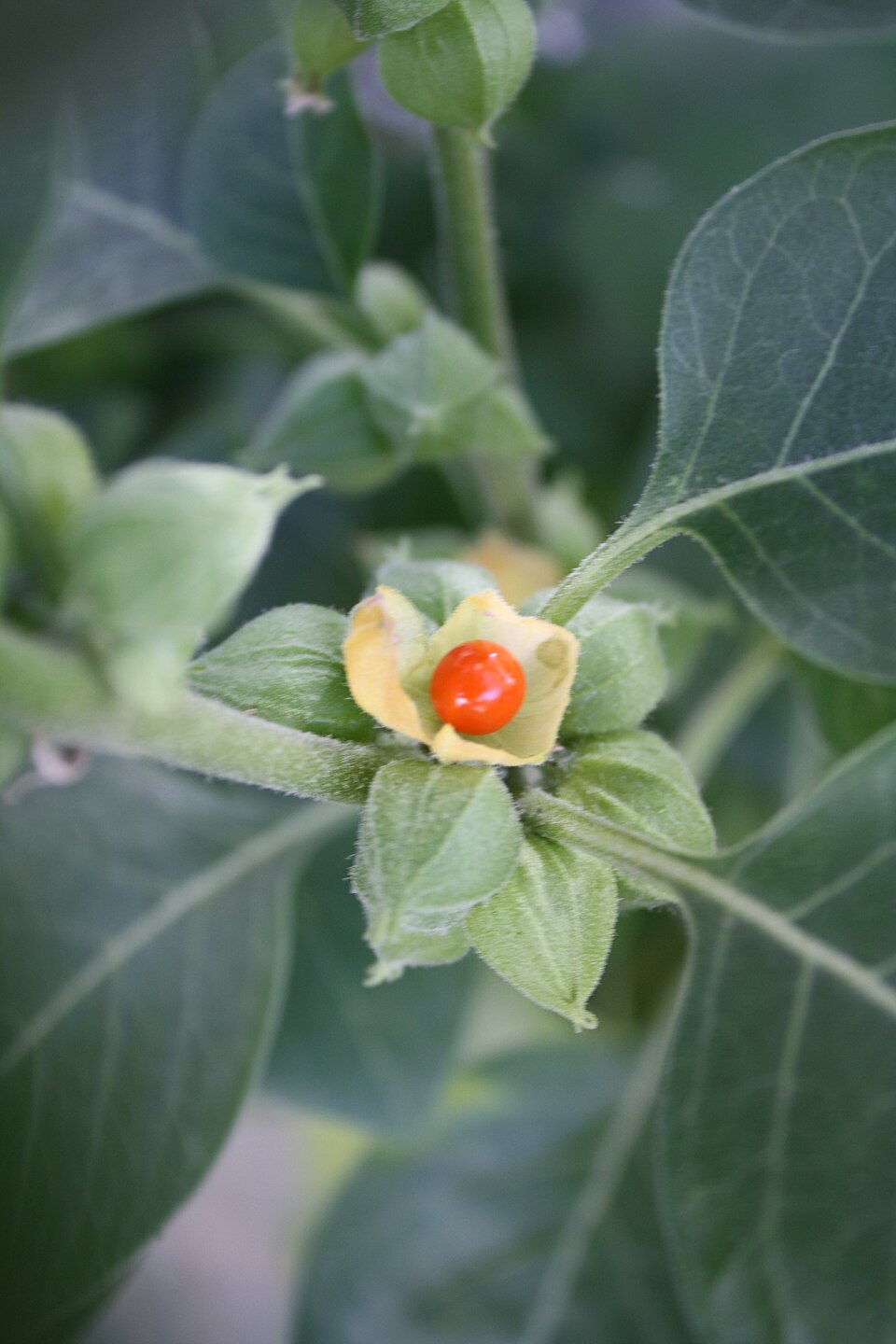
Ashwagandha
Withania somnifera
Ayurveda's premier "strength of a stallion" root, now a heavily studied stress adaptogen.
Lire le guide →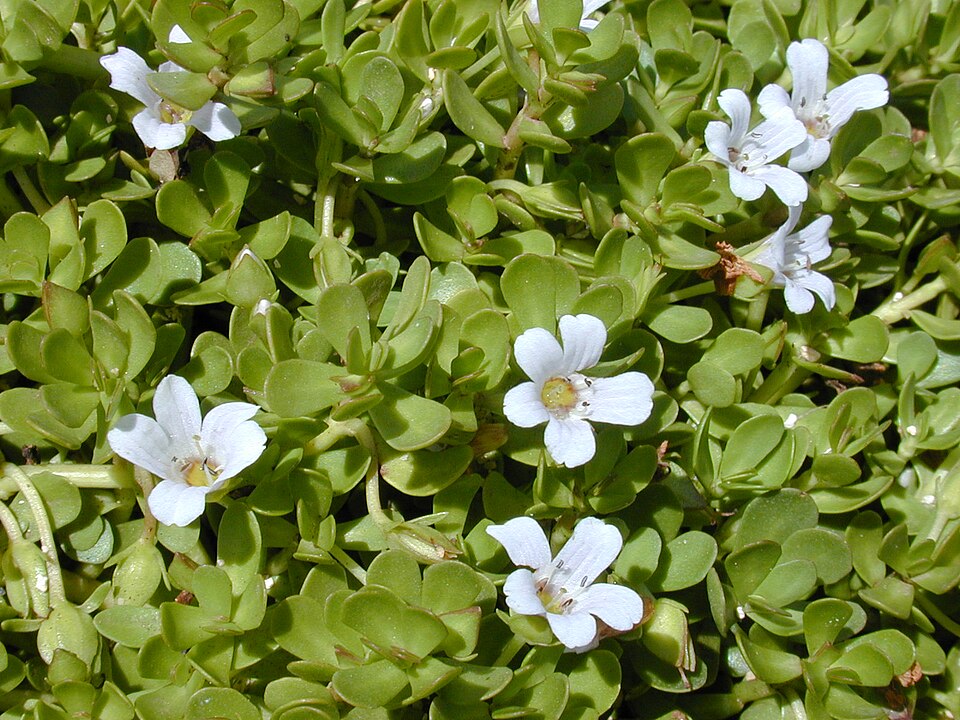
Bacopa
Bacopa monnieri
Ayurveda's marsh-growing memory herb — one of the few "brain" supplements with real trial data, if you can wait three months.
Lire le guide →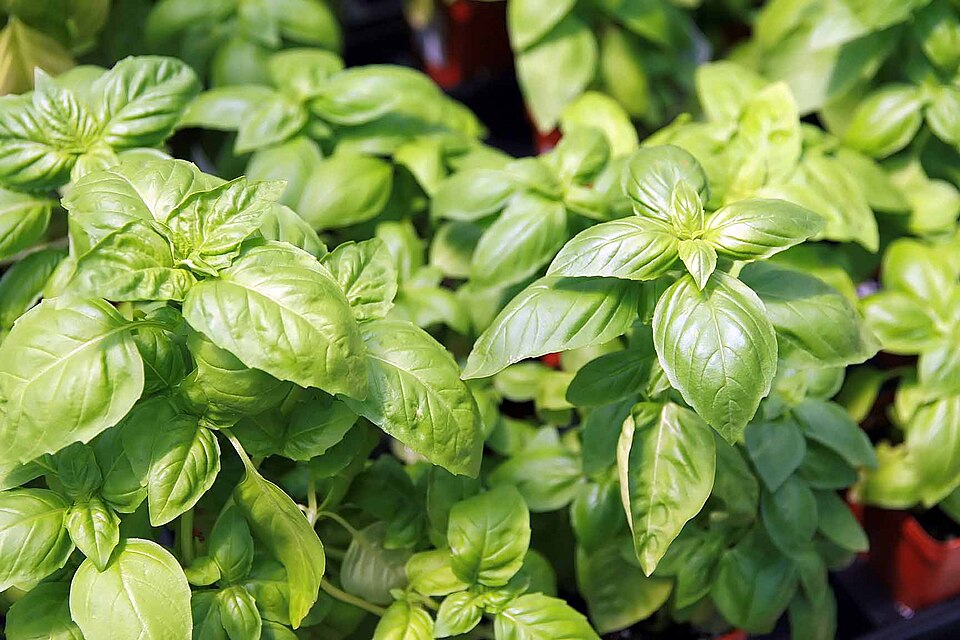
Basil
Ocimum basilicum
The sweet, clove-and-anise scented leaf of summer — at its best torn fresh over tomatoes and never cooked for long.
Lire le guide →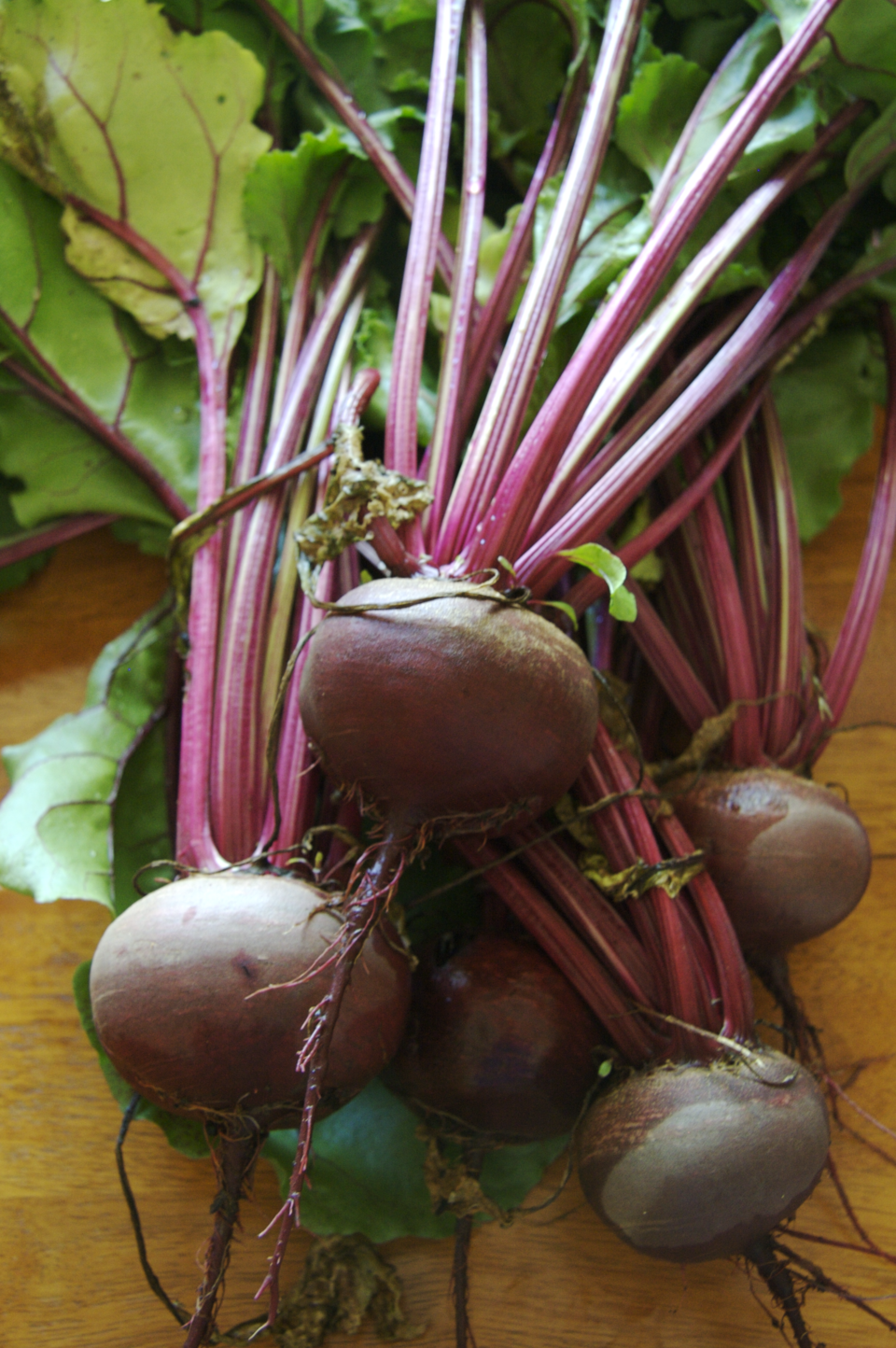
Beetroot
Beta vulgaris
The earthy purple root whose natural nitrates can nudge blood pressure down and help your muscles work more efficiently.
Lire le guide →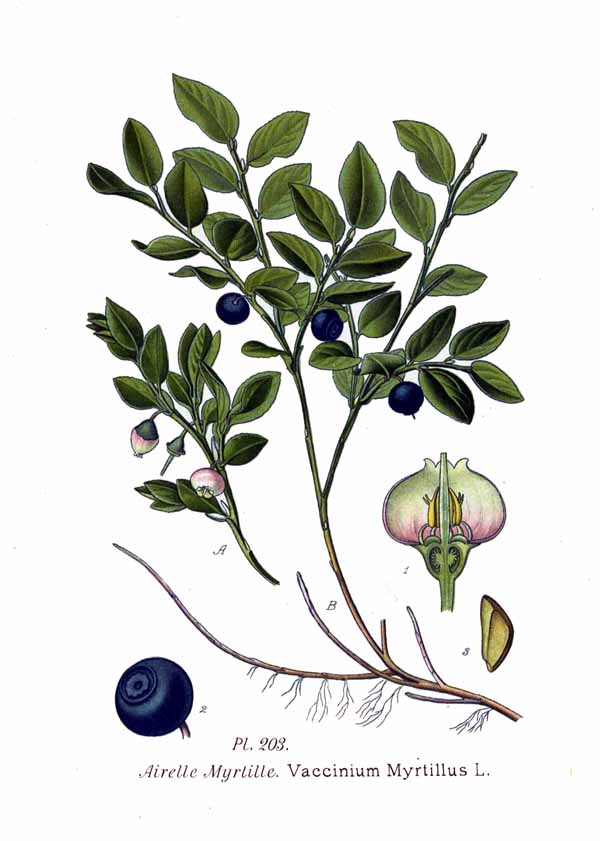
Bilberry
Vaccinium myrtillus
Europe's wild blueberry, deep purple to the core — delicious and antioxidant-rich, though its famous night-vision legend doesn't hold up.
Lire le guide →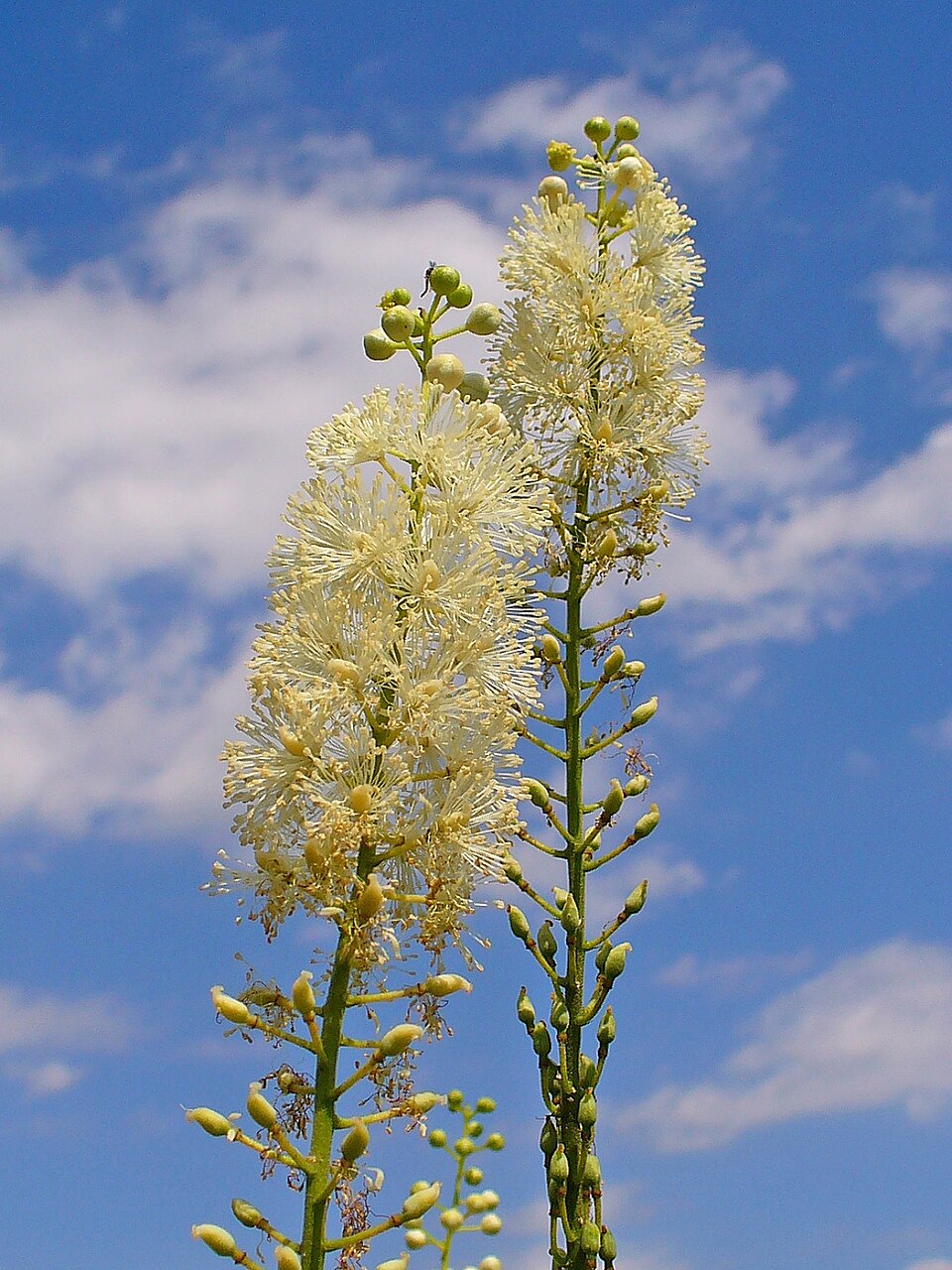
Black Cohosh
Actaea racemosa
A tall woodland root from eastern North America, now one of the most-used herbal remedies for menopausal hot flushes — with mixed results.
Lire le guide →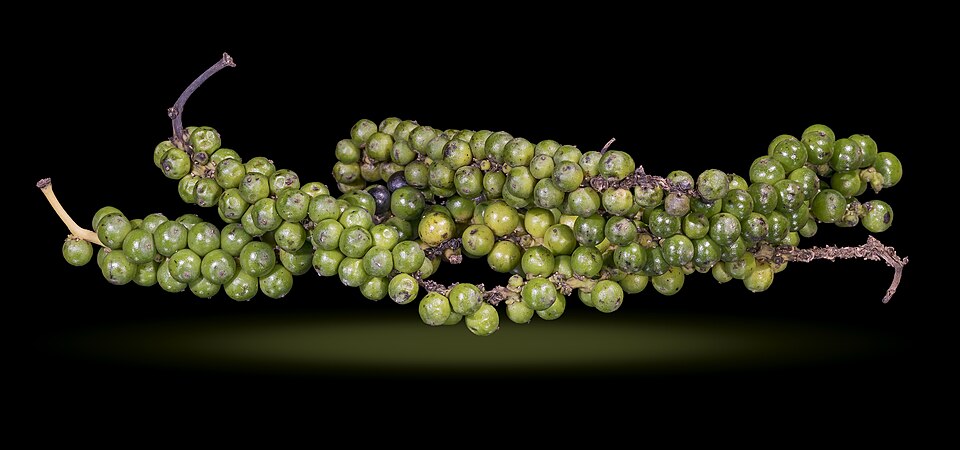
Black Pepper
Piper nigrum
The king of spices, best ground fresh at the table — and a quiet booster of how much of some nutrients and drugs your body absorbs.
Lire le guide →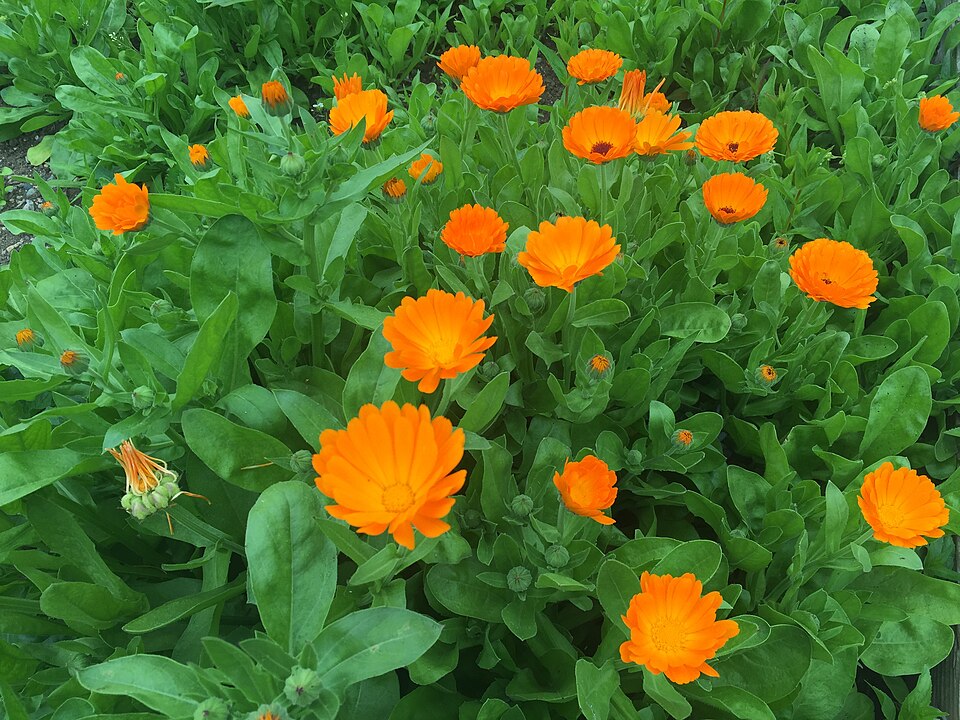
Calendula
Calendula officinalis
The cheerful orange pot marigold that has soothed scrapes, rashes and sore skin for centuries — best used on the outside.
Lire le guide →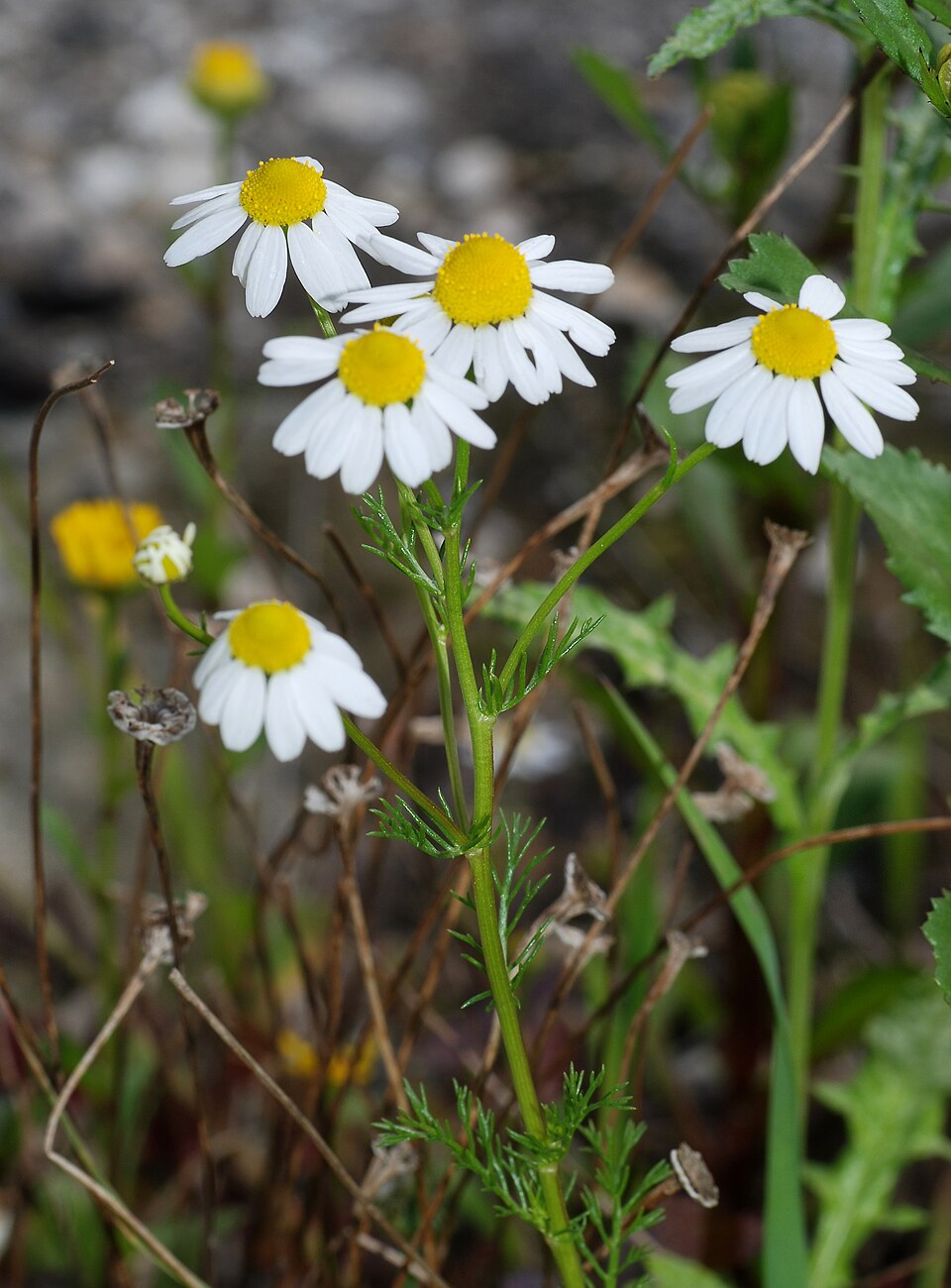
Camomille
Matricaria chamomilla
La douce marguerite devenue la tisane du soir la plus populaire au monde.
Lire le guide →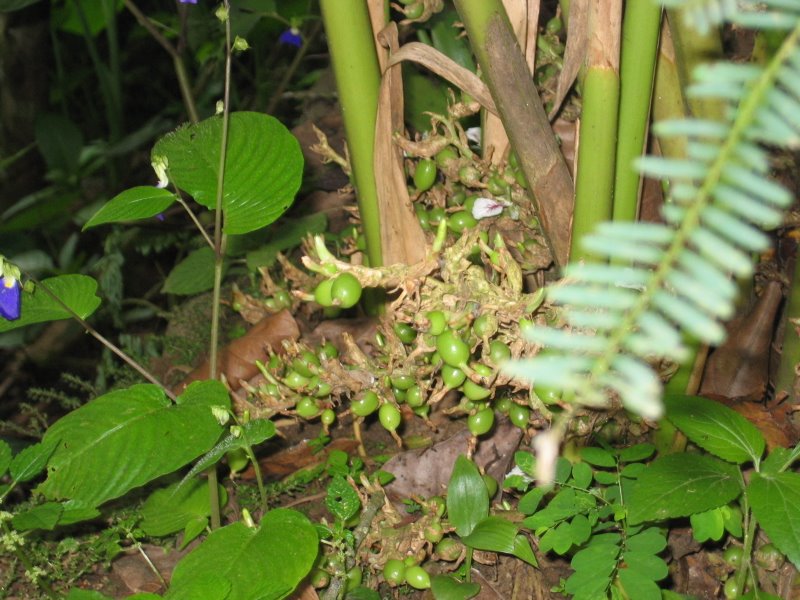
Cardamom
Elettaria cardamomum
Little green pods of sweet, eucalyptus-bright perfume — the soul of chai, Arabic coffee and Scandinavian buns.
Lire le guide →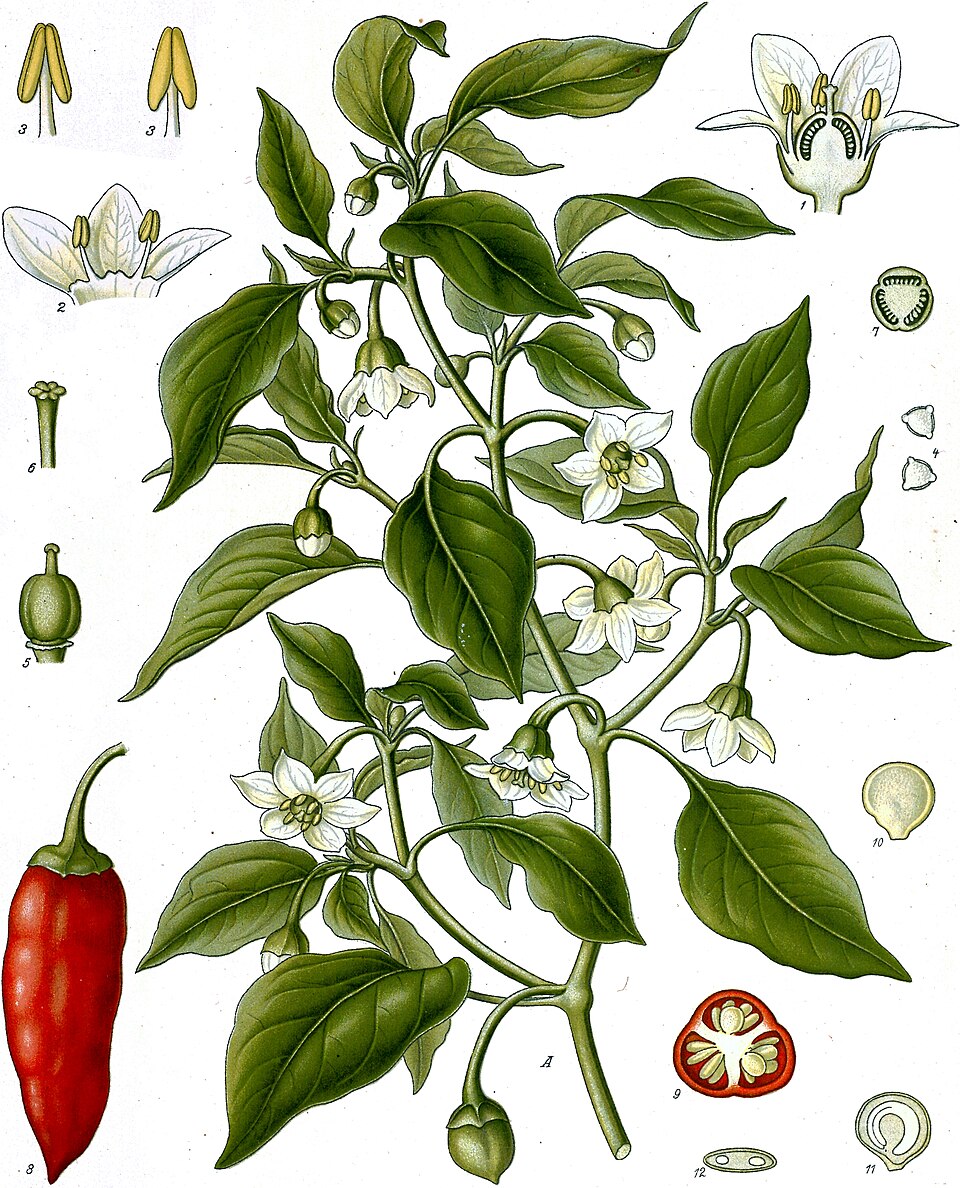
Cayenne
Capsicum annuum
The fiery red pepper whose burn is also a painkiller — rubbed on as a cream, it quietens overactive nerves.
Lire le guide →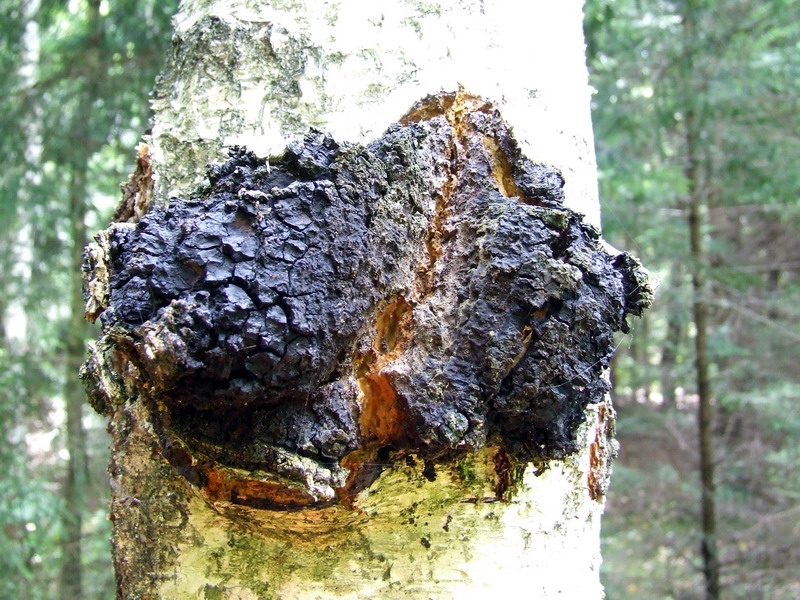
Chaga
Inonotus obliquus
A charcoal-black canker on northern birch trees, brewed into an earthy tea — heavily hyped, lightly studied, and very high in oxalate.
Lire le guide →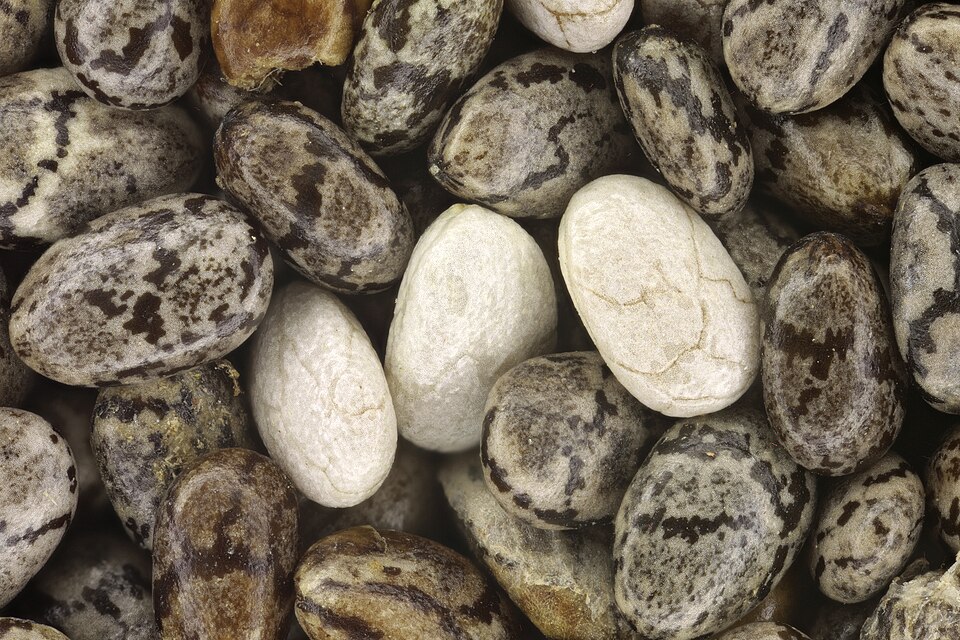
Chia Seeds
Salvia hispanica
The ancient Aztec seed that swells into a pudding in minutes — a great fibre source, as long as you soak it first.
Lire le guide →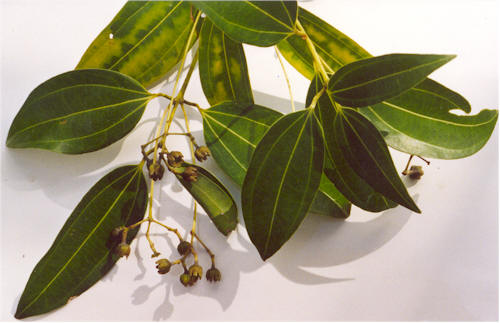
Cinnamon
Cinnamomum verum
The bark that launched trade empires — with a genuine but modest effect on blood sugar, and one important safety catch.
Lire le guide →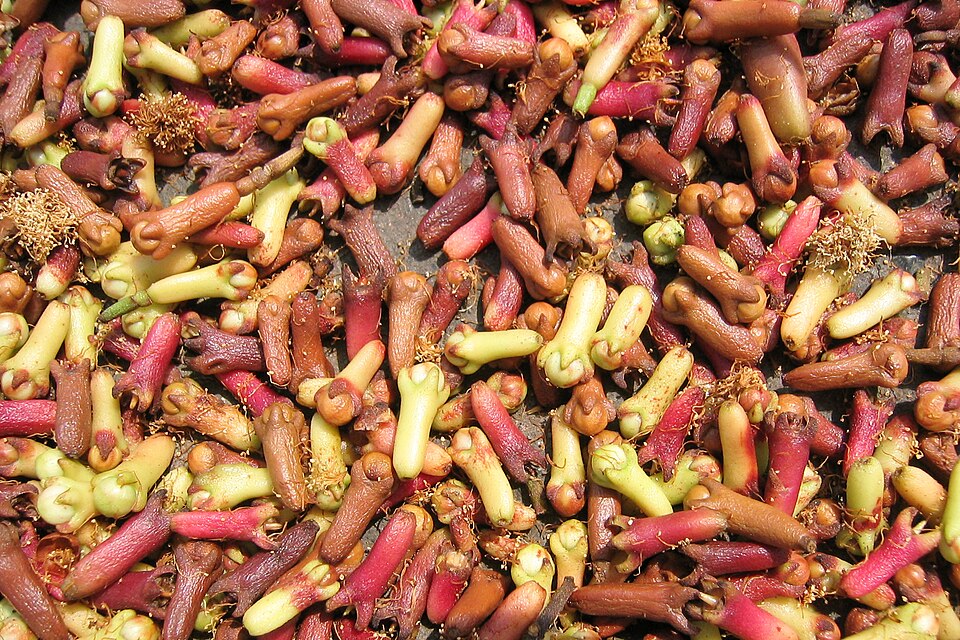
Clove
Syzygium aromaticum
Fiercely aromatic dried flower buds that warm mulled wine and gingerbread — and numb an aching tooth in a pinch.
Lire le guide →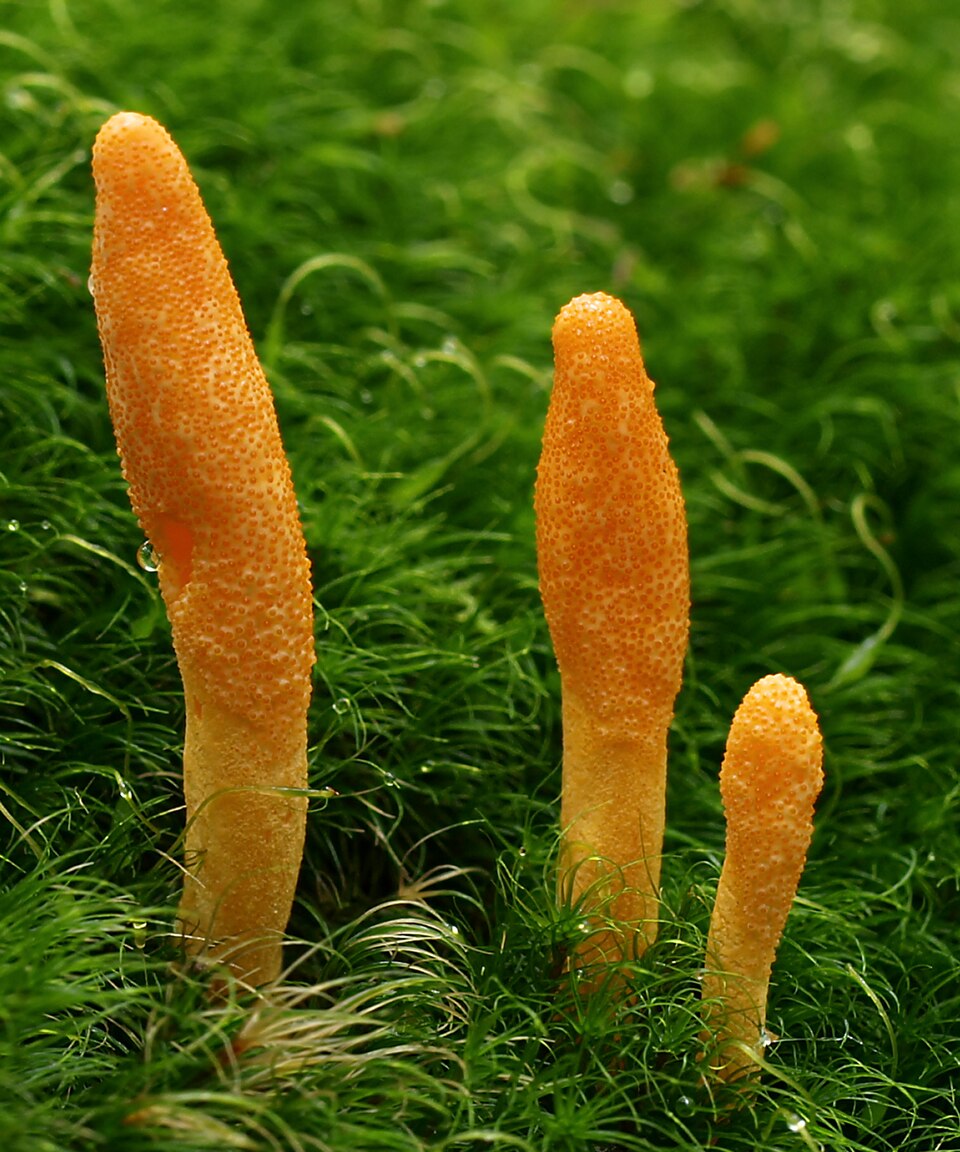
Cordyceps
Cordyceps militaris
The caterpillar fungus of Himalayan legend, now mostly grown on grain — sold for stamina, with evidence that is modest at best.
Lire le guide →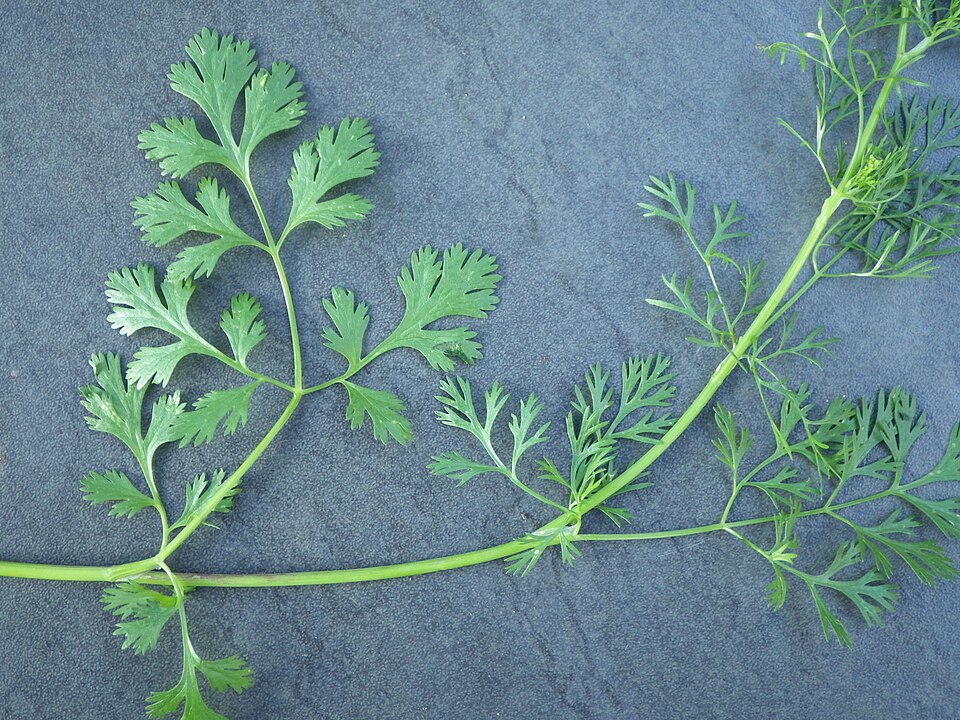
Coriander / Cilantro
Coriandrum sativum
One plant, two kitchens: bright citrusy leaves that some people swear taste of soap, and warm seeds that soothe a bloated belly.
Lire le guide →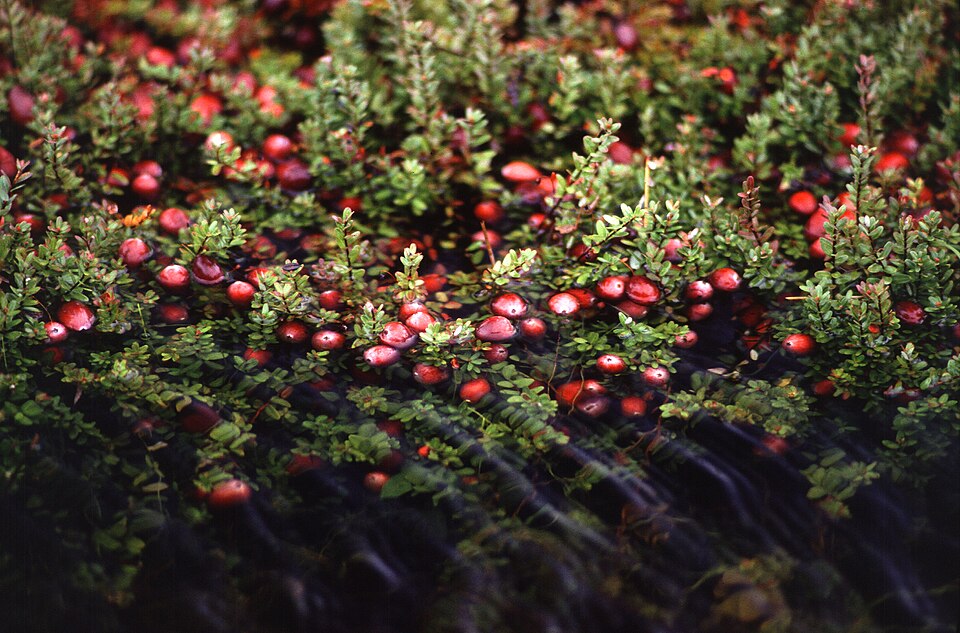
Cranberry
Vaccinium macrocarpon
The tart bog berry best known for bladder health — genuinely useful for preventing some UTIs, but no cure for one already underway.
Lire le guide →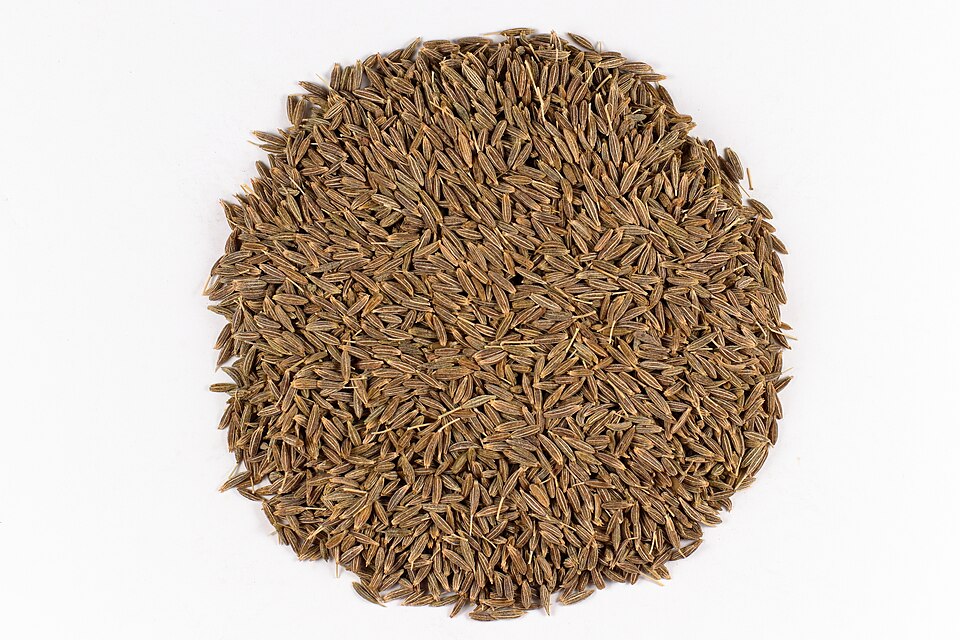
Cumin
Cuminum cyminum
The warm, earthy seed behind curries, chilli and falafel — best bloomed in hot oil until it crackles and smells toasty.
Lire le guide →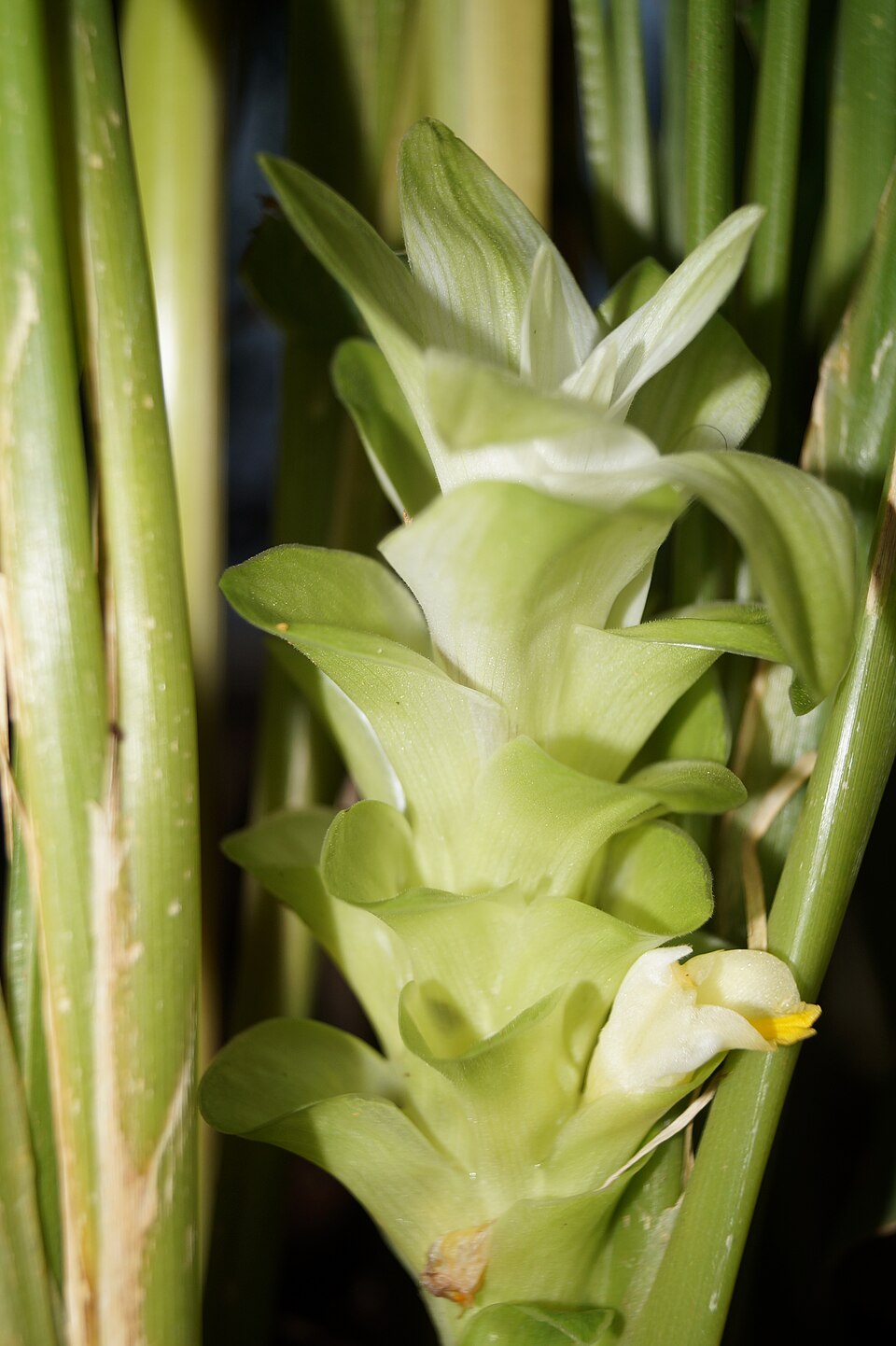
Curcuma
Curcuma longa
Le rhizome doré qui donne sa couleur au curry, et l'une des plantes anti-inflammatoires les plus étudiées au monde.
Lire le guide →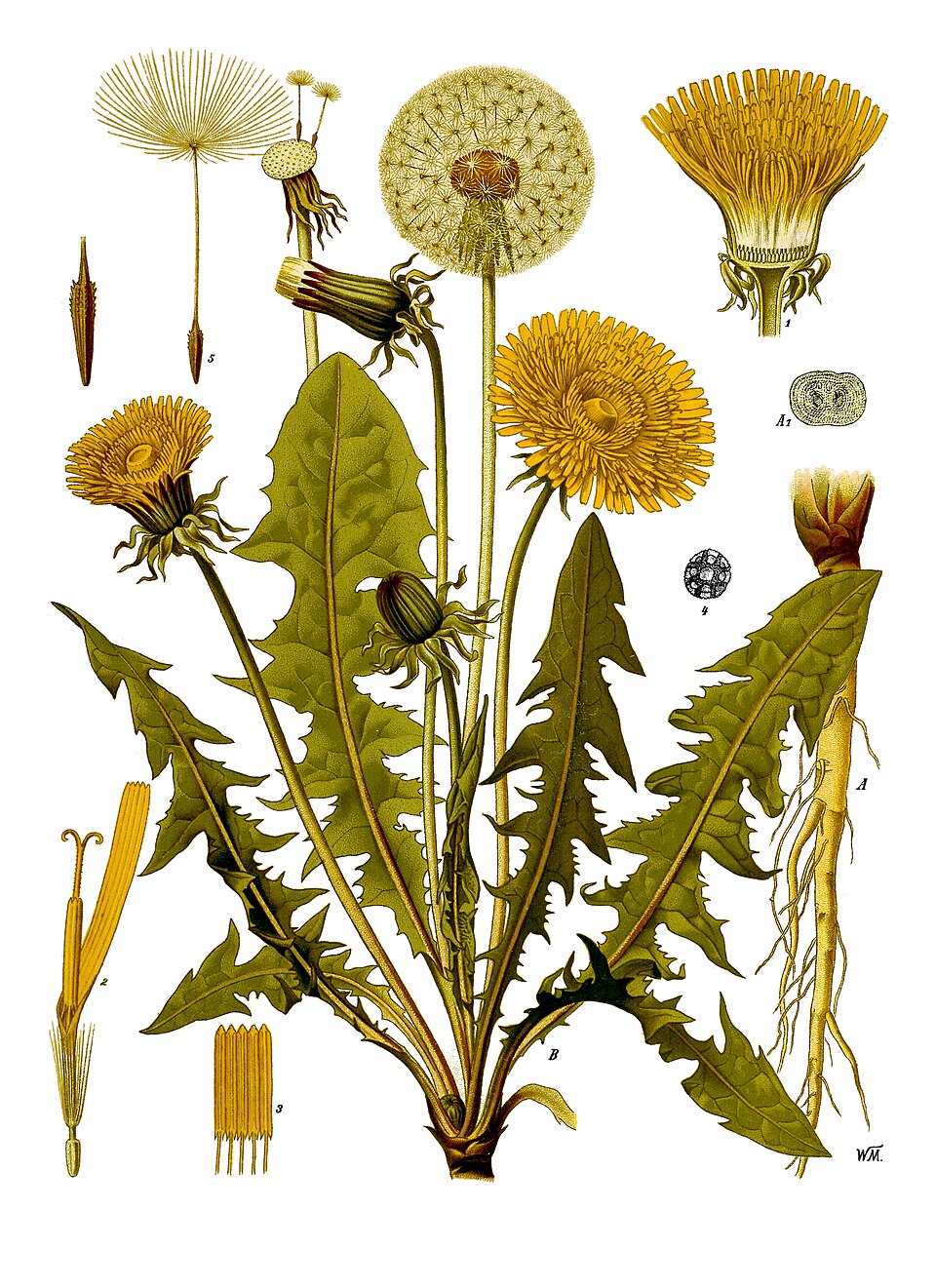
Dandelion
Taraxacum officinale
The lawn "weed" that's actually a salad green, coffee substitute and one of herbal medicine's oldest digestive bitters.
Lire le guide →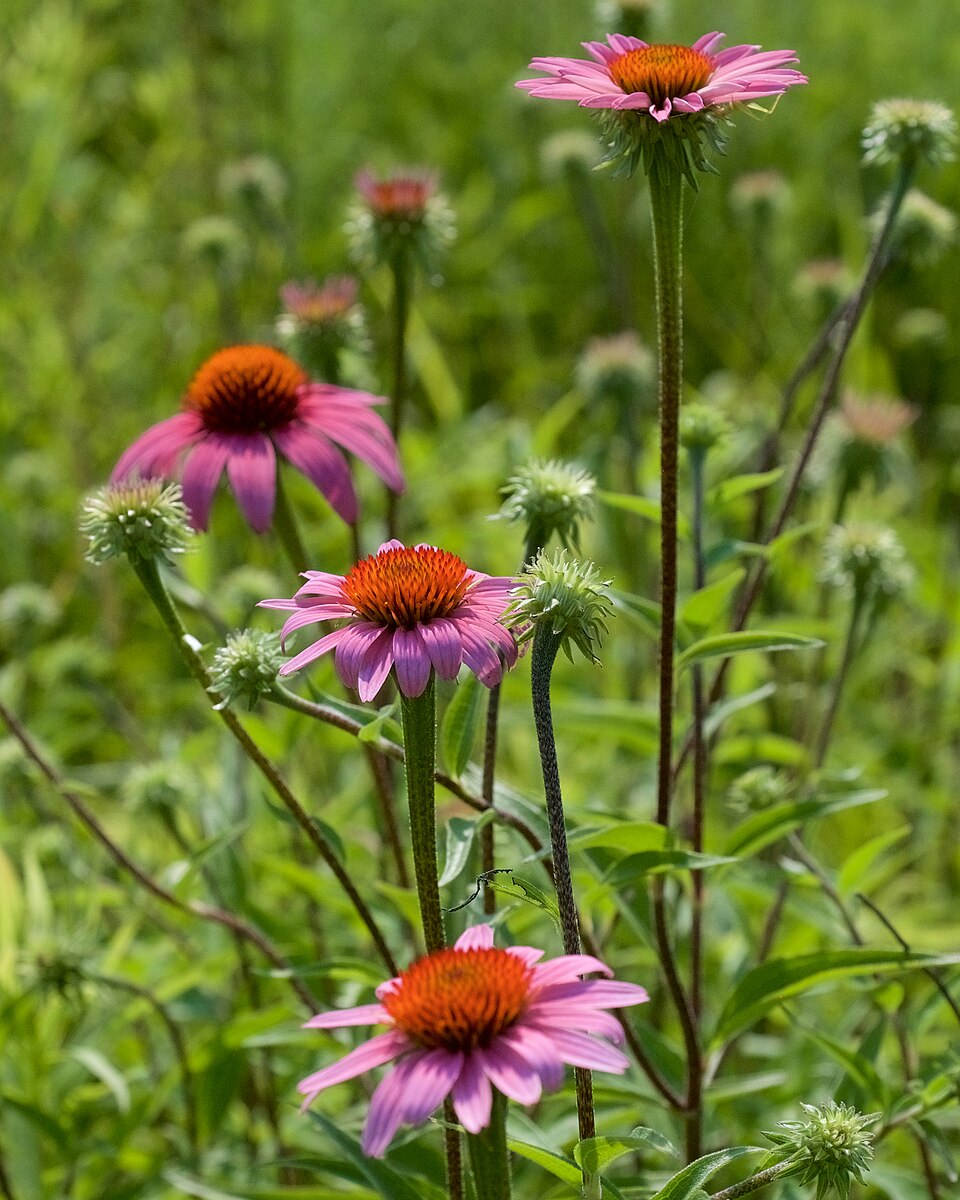
Echinacea
Echinacea purpurea
The purple coneflower North America gave the world's medicine cabinets.
Lire le guide →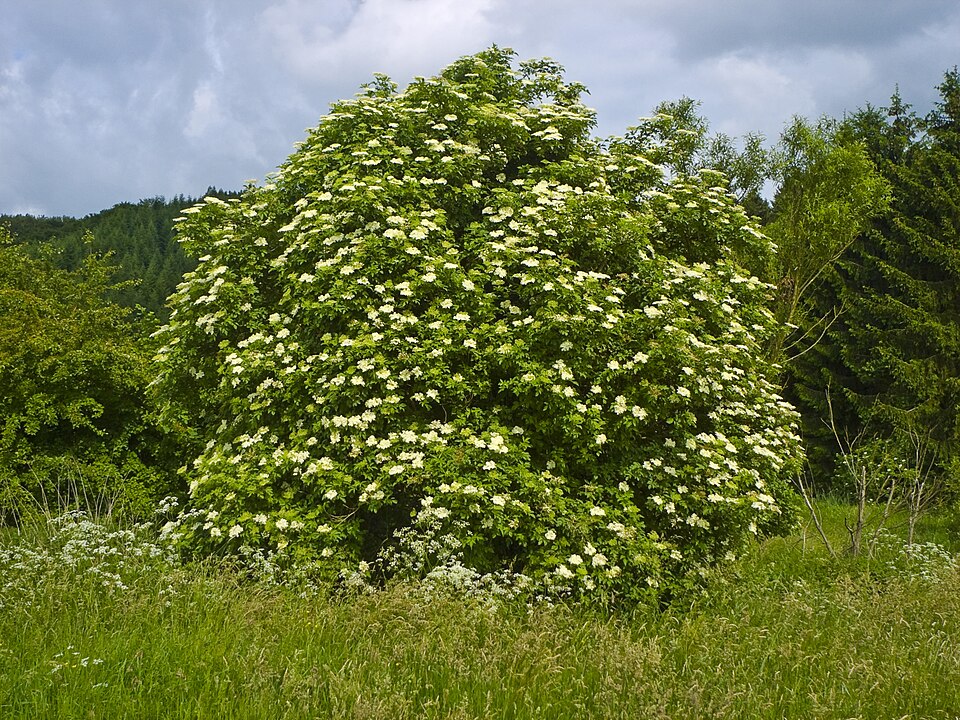
Elderberry
Sambucus nigra
Dark hedgerow berries cooked into syrups for winter colds — pleasant, possibly helpful, and never to be eaten raw.
Lire le guide →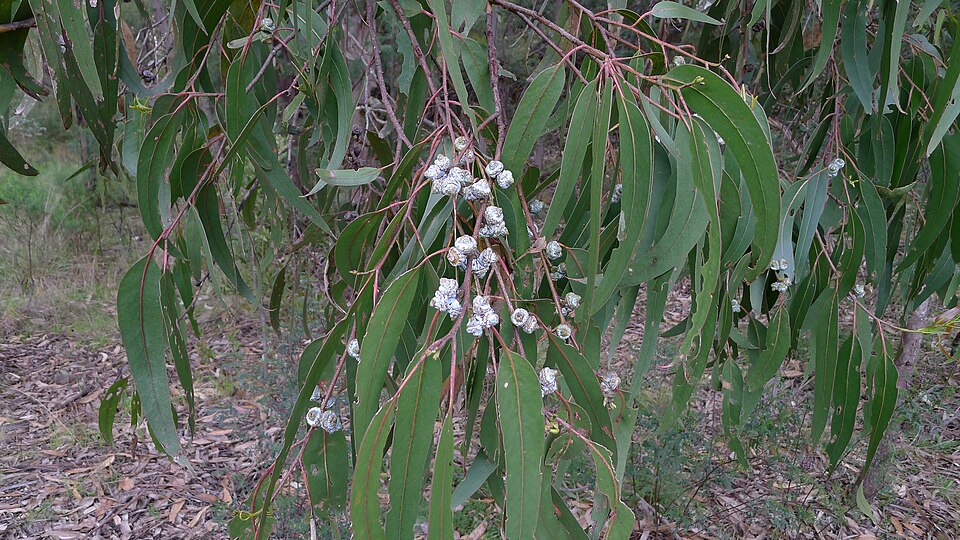
Eucalyptus
Eucalyptus globulus
The Tasmanian blue gum whose sharp, clearing scent fills chest rubs and steam bowls — and whose oil is dangerous if swallowed.
Lire le guide →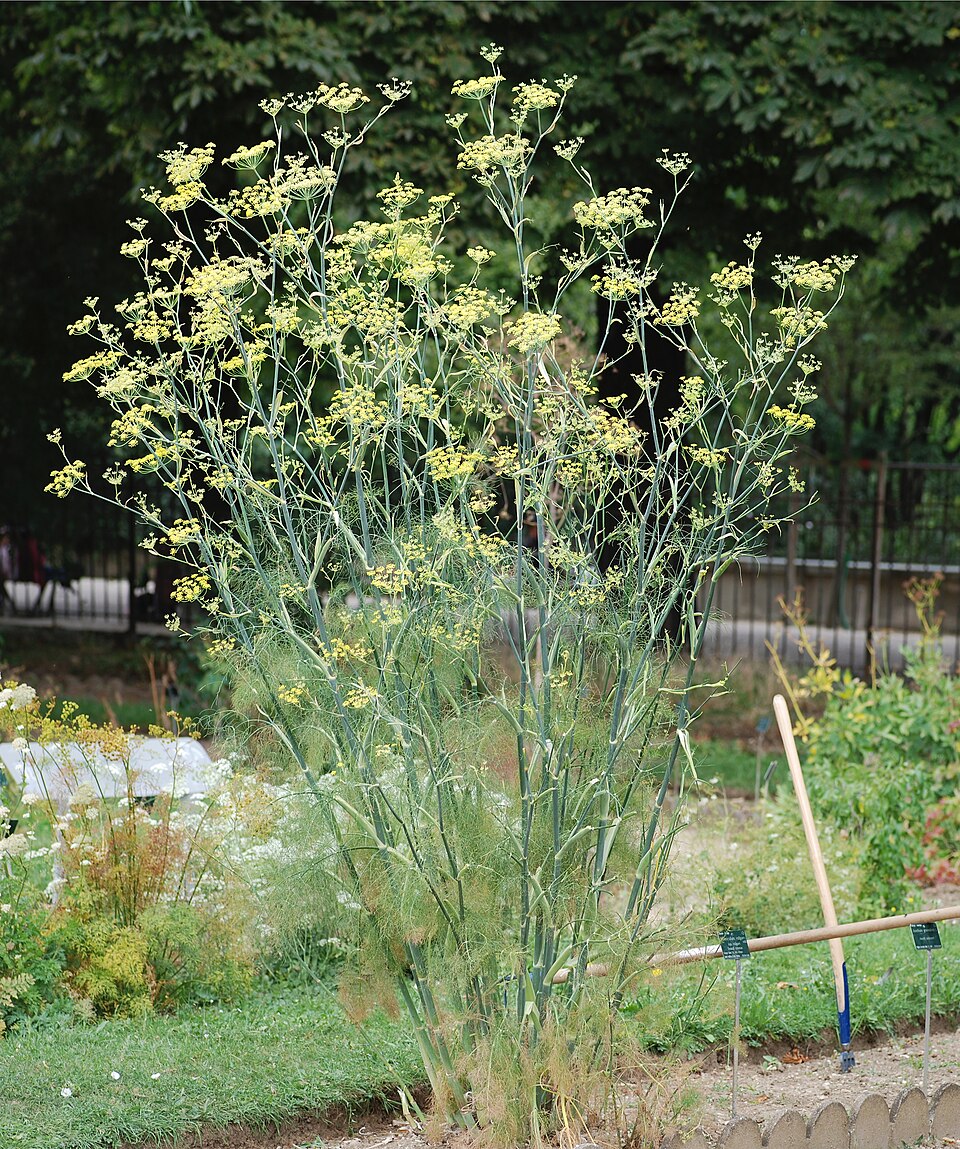
Fennel
Foeniculum vulgare
Crisp aniseed bulb, feathery fronds and sweet digestive seeds — one plant that covers salad, spice rack and after-dinner tea.
Lire le guide →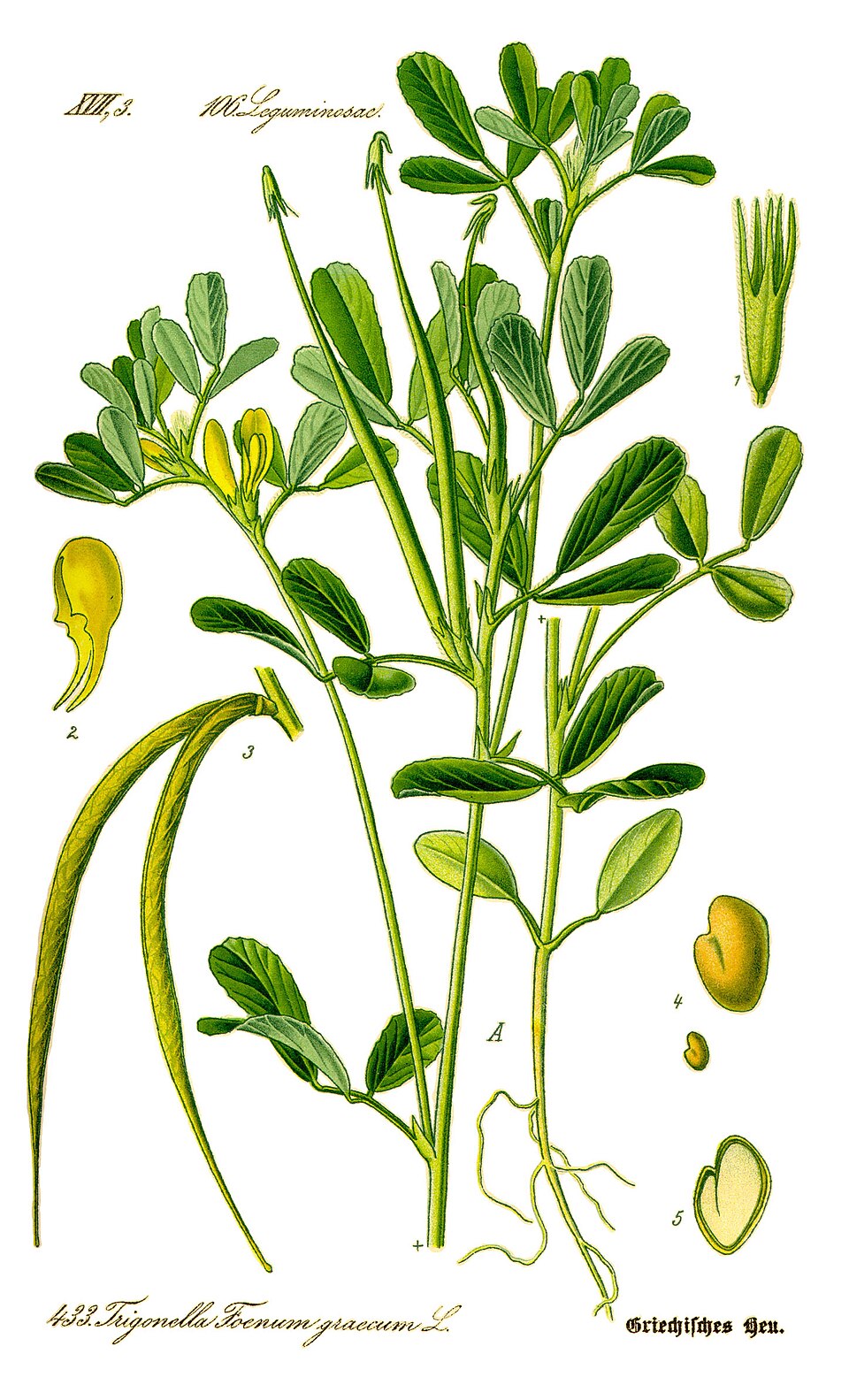
Fenugreek
Trigonella foenum-graecum
The maple-scented seed of curry blends — studied for blood sugar, cholesterol and milk supply, and famous for making you smell faintly of syrup.
Lire le guide →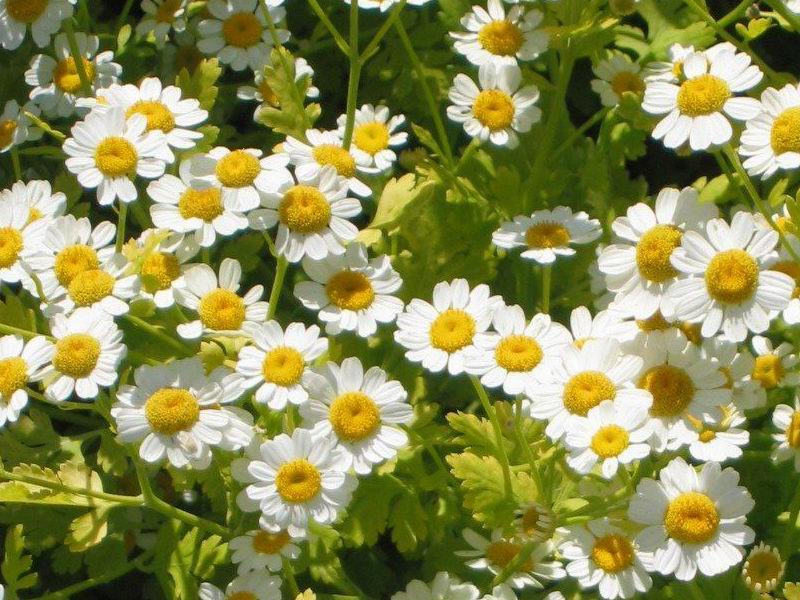
Feverfew
Tanacetum parthenium
A cottage-garden daisy with a bitter leaf and a real, if modest, track record for preventing migraines when taken every day.
Lire le guide →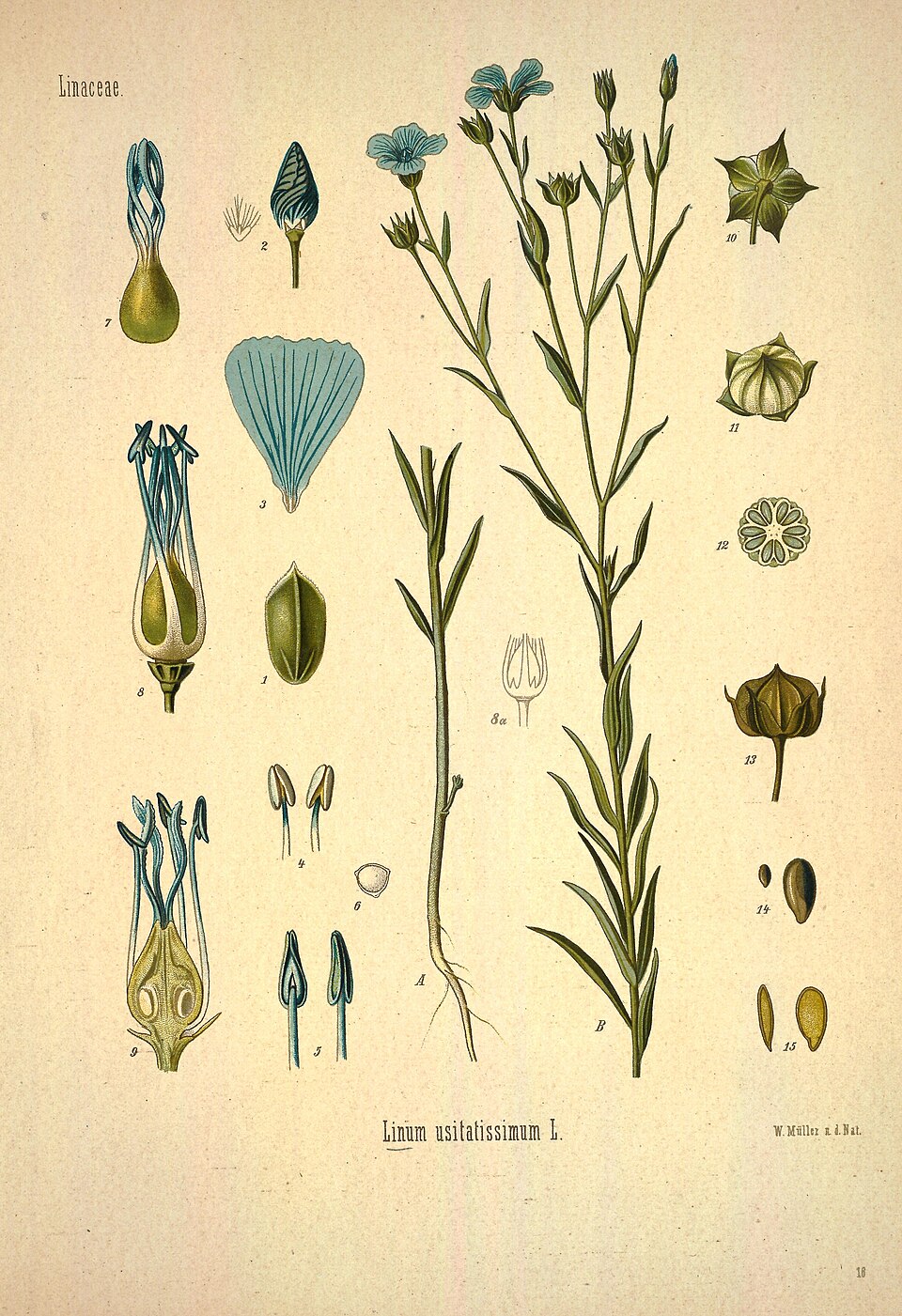
Flaxseed
Linum usitatissimum
Humble brown seeds with a trio of talents — fibre, plant omega-3 and lignans — but only if you grind them first.
Lire le guide →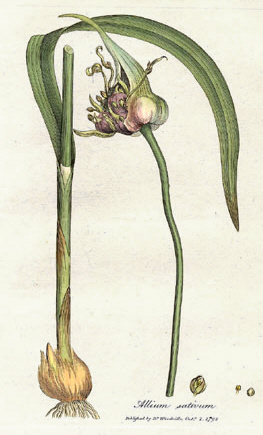
Garlic
Allium sativum
The kitchen bulb with genuine, measured effects on blood pressure and cholesterol.
Lire le guide →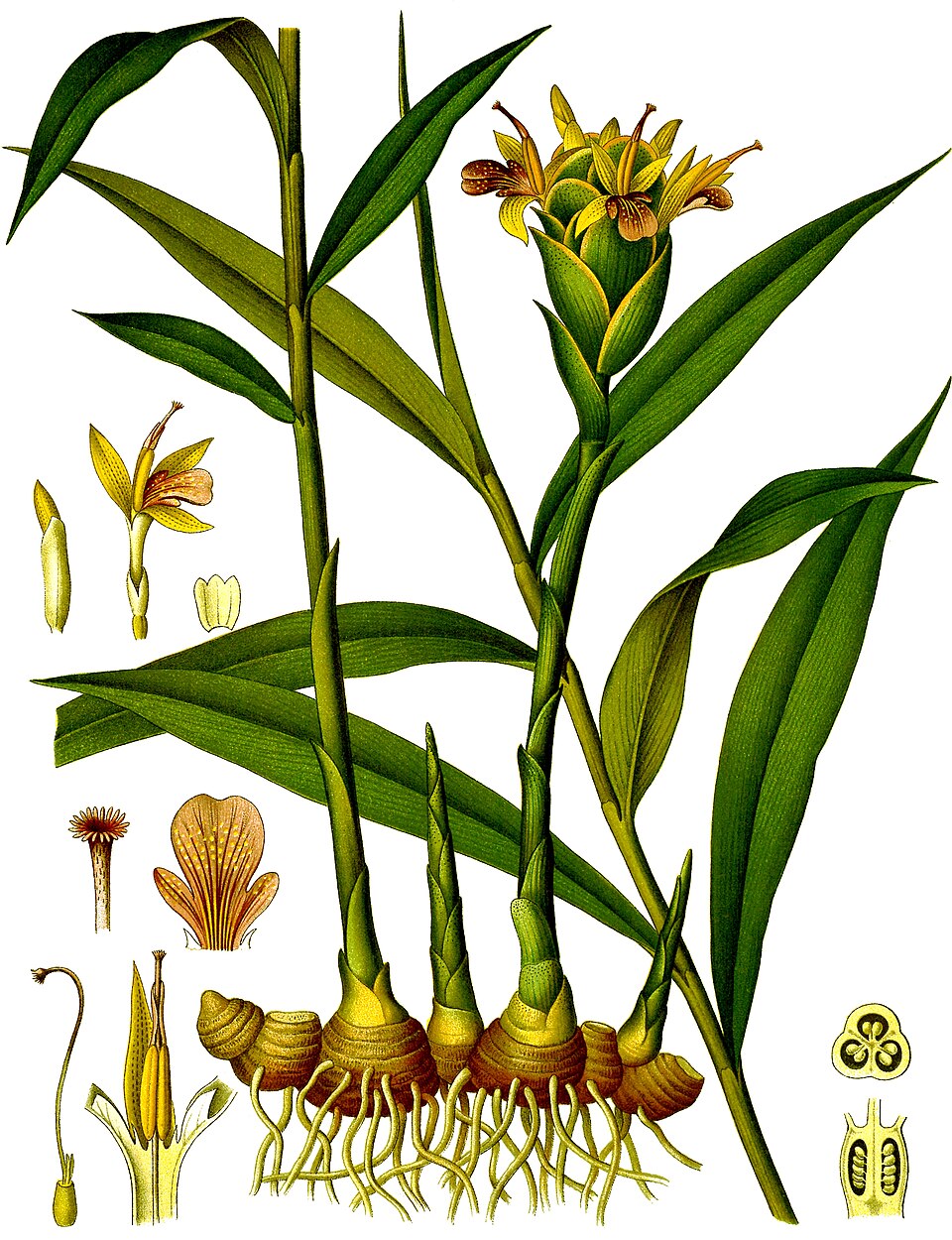
Gingembre
Zingiber officinale
Le remède le plus fiable au monde contre l'estomac barbouillé, avec les essais cliniques pour l'appuyer.
Lire le guide →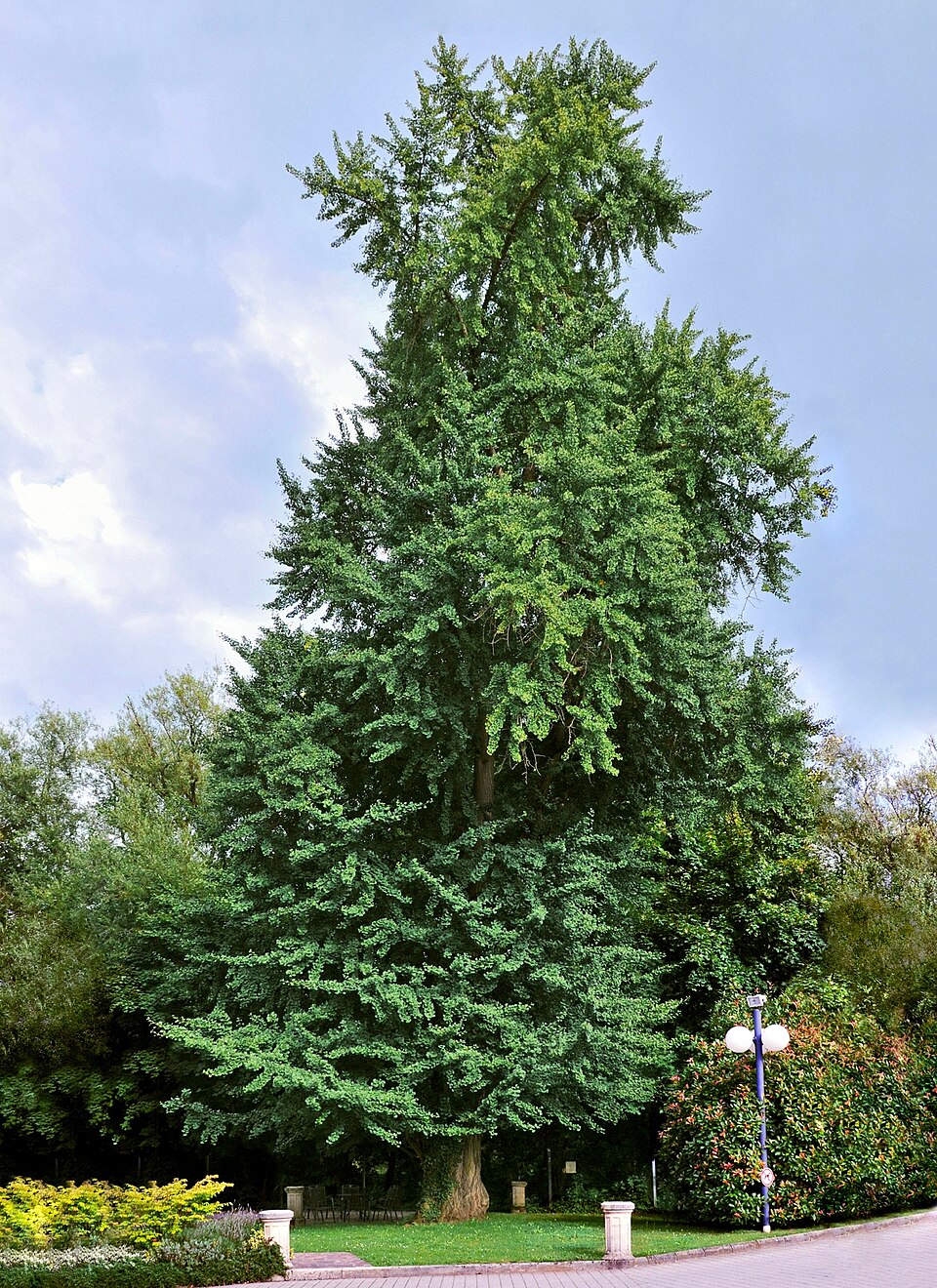
Ginkgo
Ginkgo biloba
A living fossil with fan-shaped leaves, famous as a memory herb — though the best trials show it is no shield against ageing brains.
Lire le guide →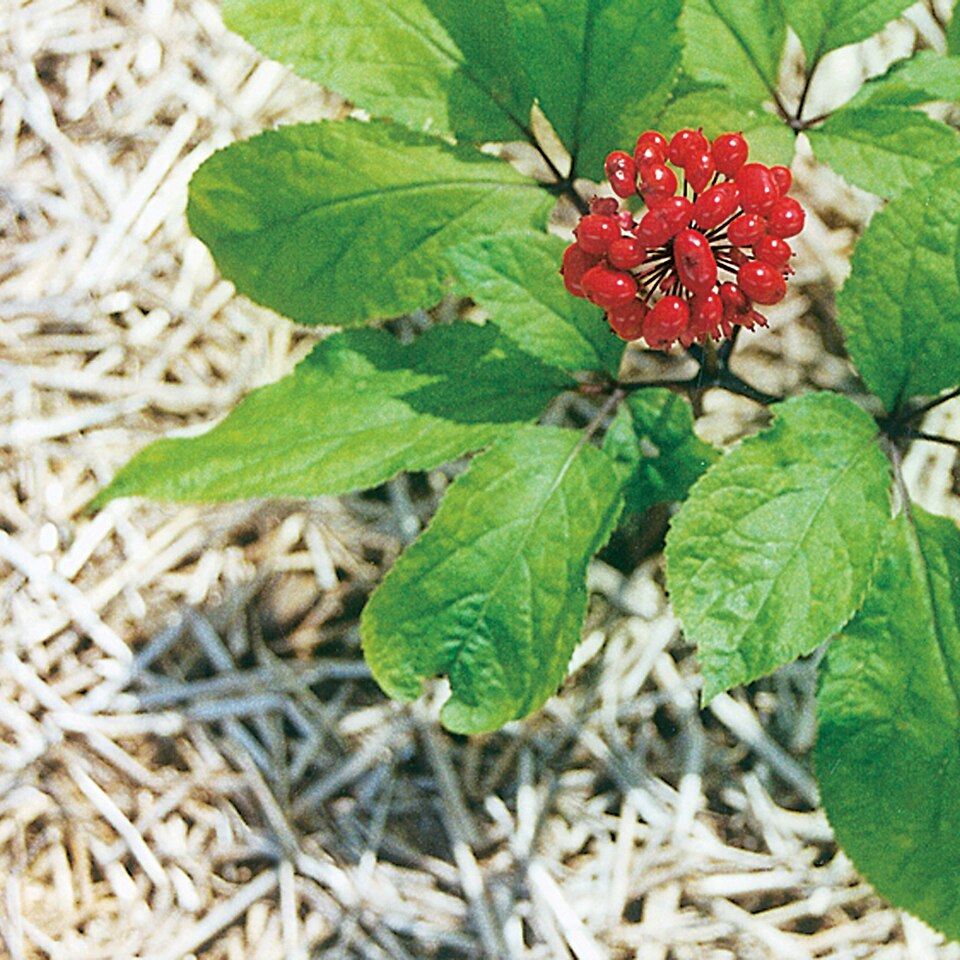
Ginseng
Panax ginseng
East Asia's "man-root" and the original adaptogen — pricey, potent for fatigue, and worth buying carefully.
Lire le guide →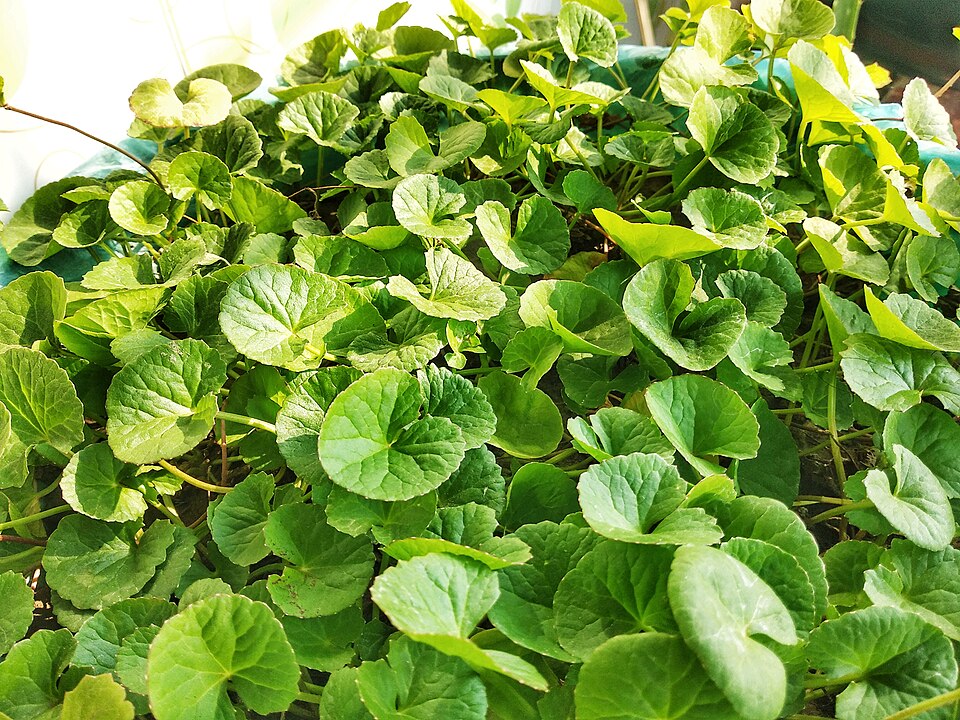
Gotu Kola
Centella asiatica
A creeping marsh herb eaten as a salad green across South Asia — and the "cica" in many modern skin-soothing creams.
Lire le guide →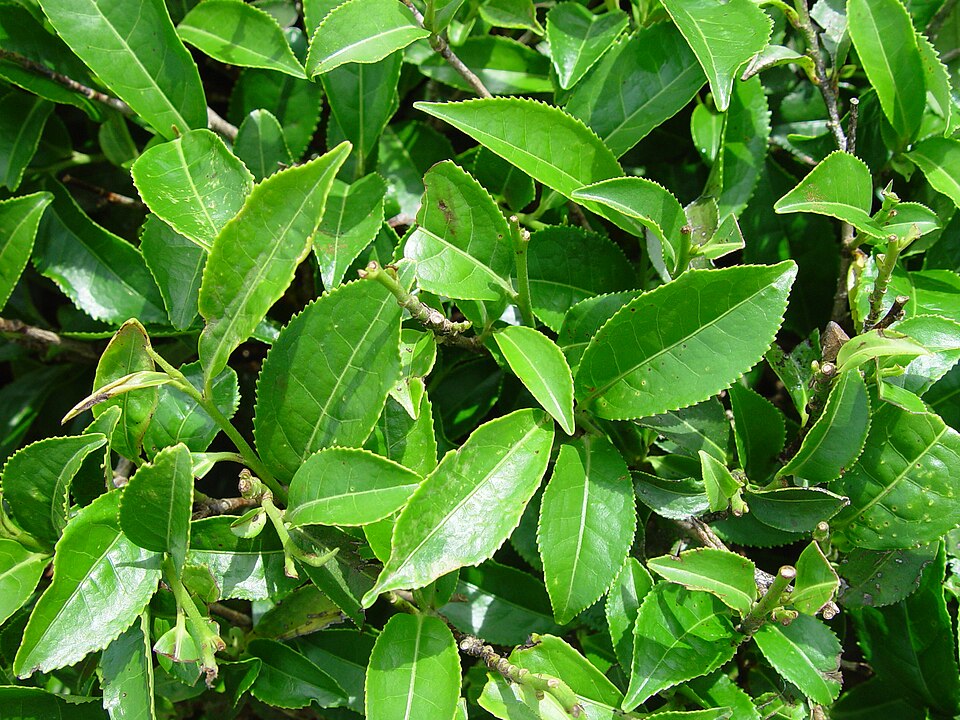
Green Tea
Camellia sinensis
The unoxidised leaf that pairs caffeine with calm — and centuries of daily-ritual evidence.
Lire le guide →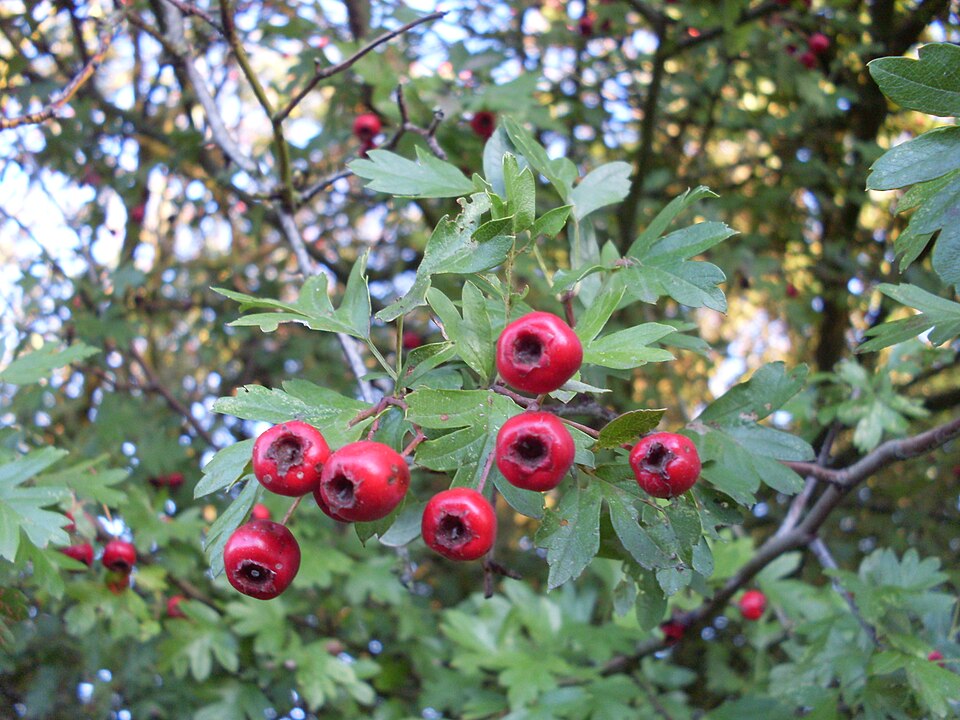
Hawthorn
Crataegus monogyna
The May-blossom hedge tree whose flowers, leaves and red haws are Europe's traditional heart tonic — gentle, slow and worth discussing with your doctor.
Lire le guide →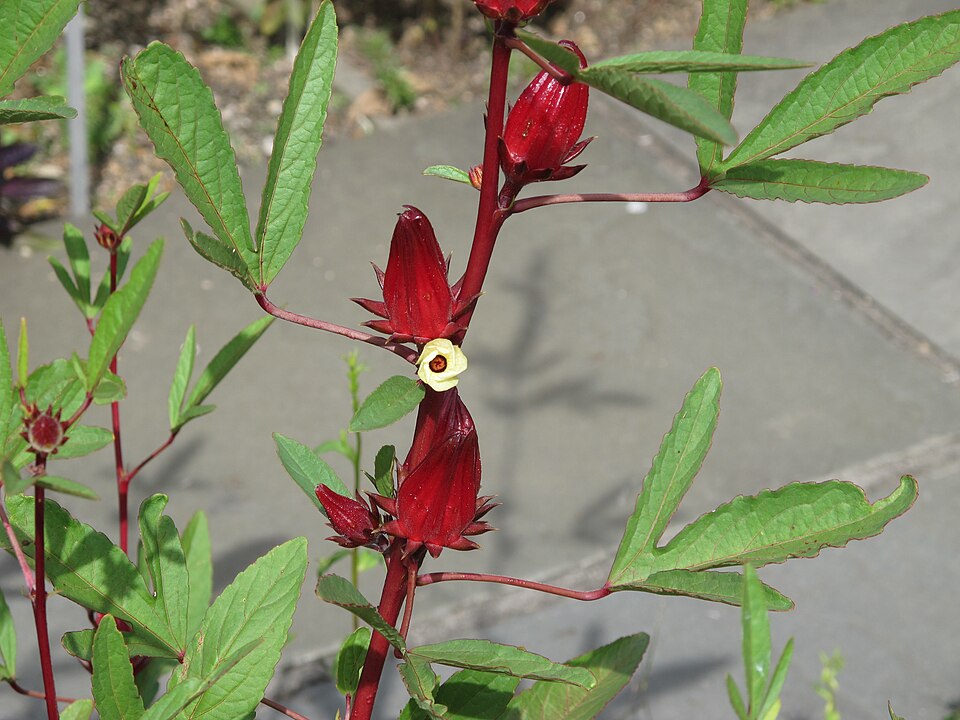
Hibiscus
Hibiscus sabdariffa
The crimson, cranberry-tart tea of Egypt and Mexico — with blood-pressure evidence strong enough to surprise cardiologists.
Lire le guide →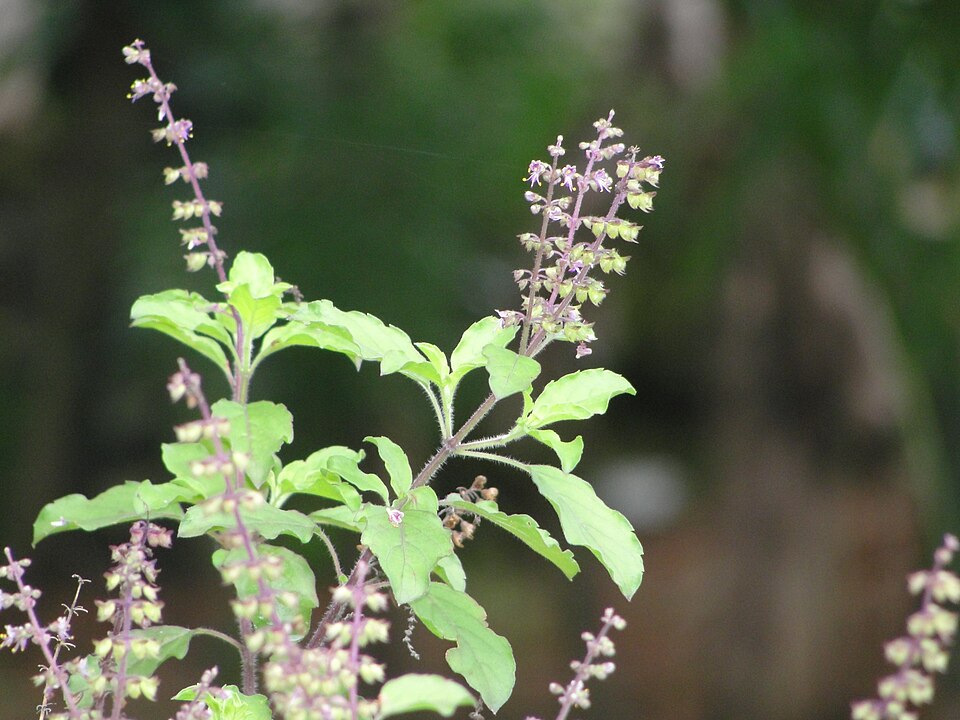
Holy Basil (Tulsi)
Ocimum tenuiflorum
India's most sacred plant and Ayurveda's "elixir of life" — a peppery cousin of kitchen basil with genuine adaptogen credentials.
Lire le guide →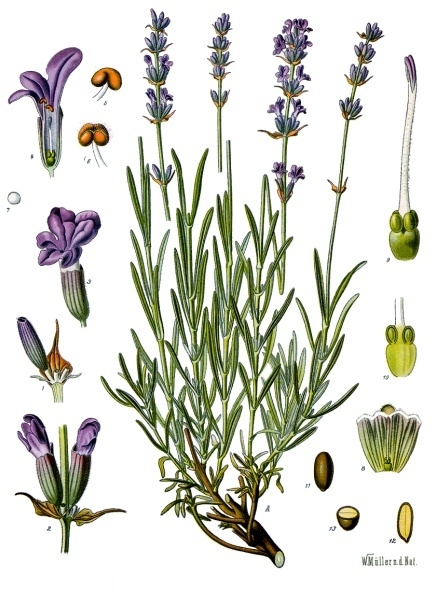
Lavande
Lavandula angustifolia
L'arbrisseau méditerranéen dont le parfum a des effets calmants réels et mesurables.
Lire le guide →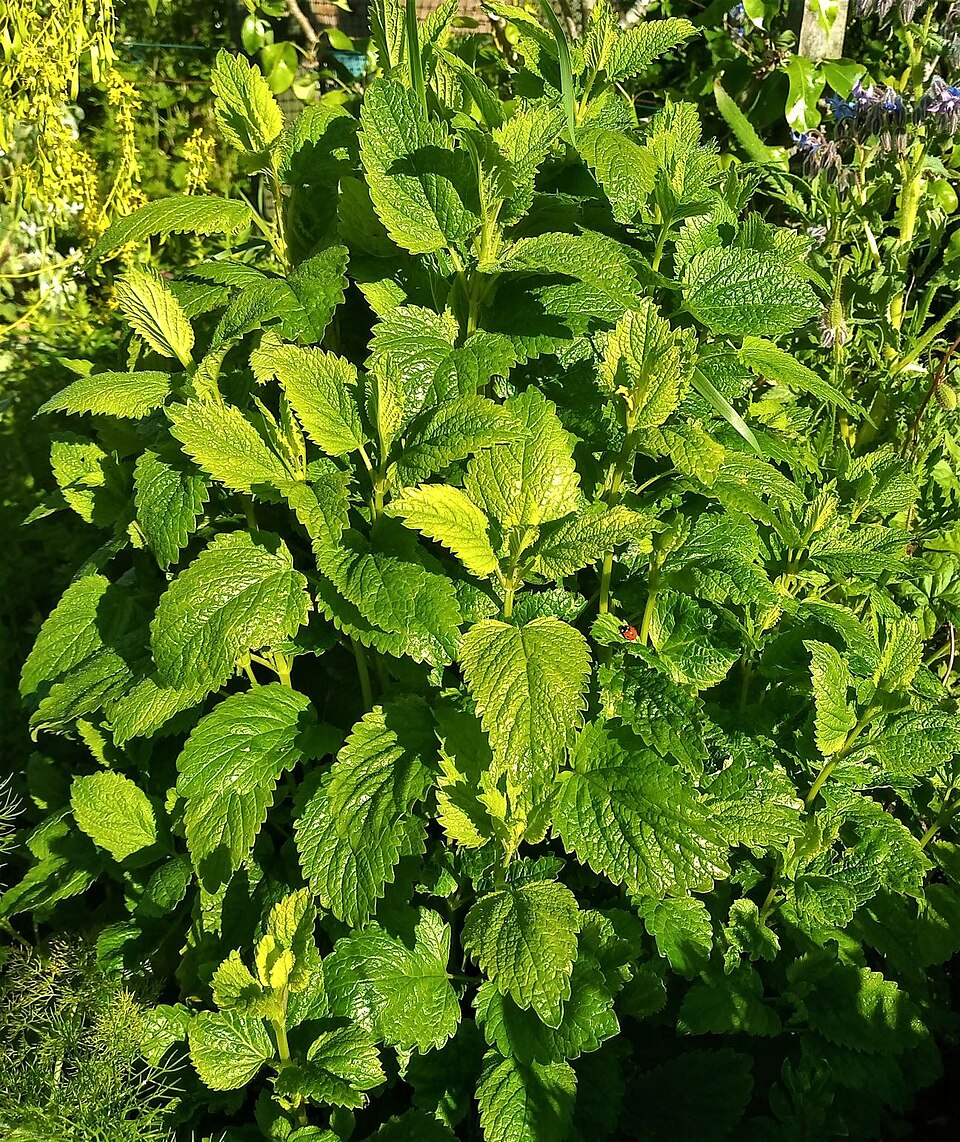
Lemon Balm
Melissa officinalis
The lemon-scented mint that takes the edge off stress — beloved by bees, herbalists and anxious students alike.
Lire le guide →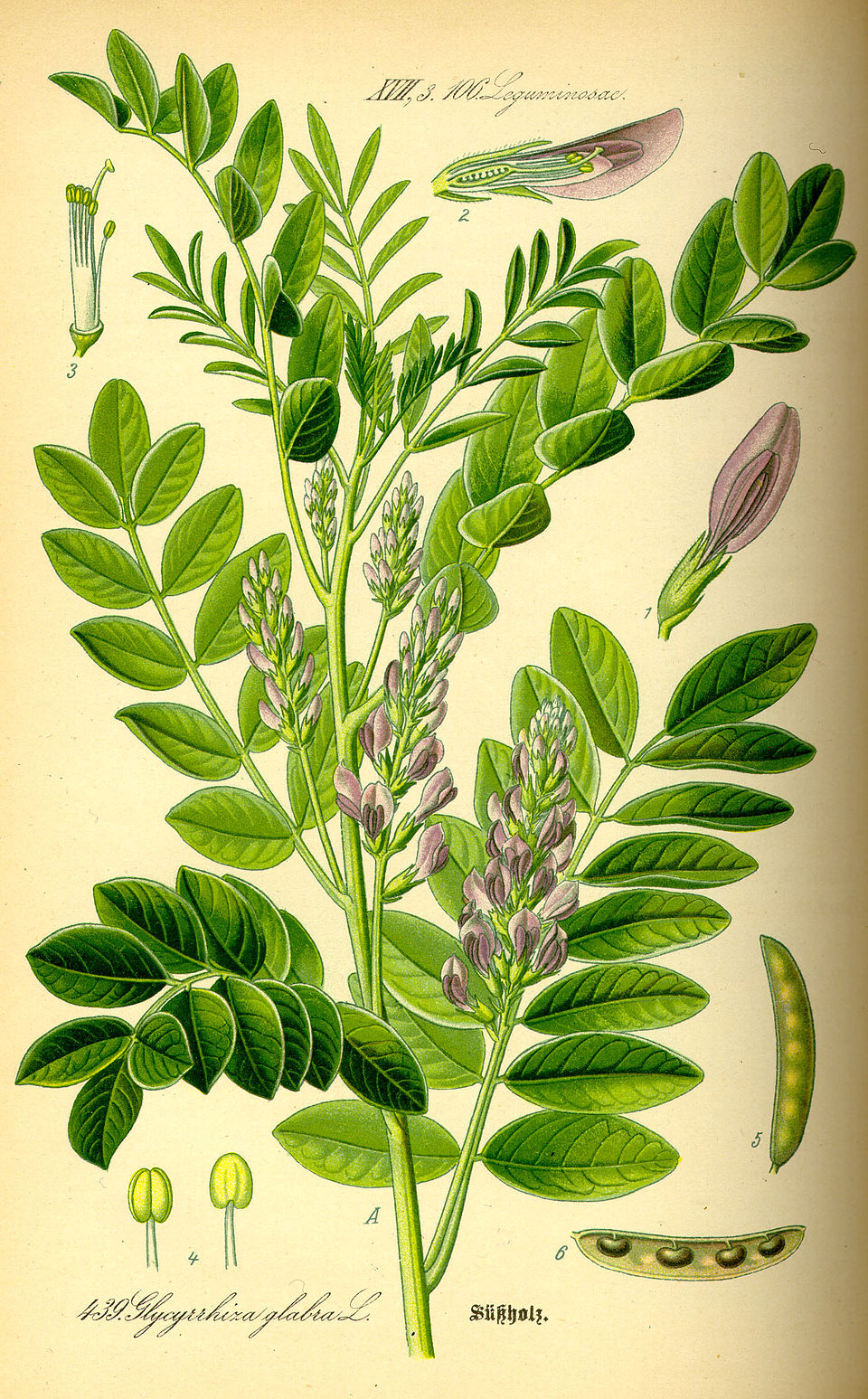
Licorice Root
Glycyrrhiza glabra
An intensely sweet root (its key compound is some fifty times sweeter than sugar) that soothes throats and stomachs — and quietly raises blood pressure if you overdo it.
Lire le guide →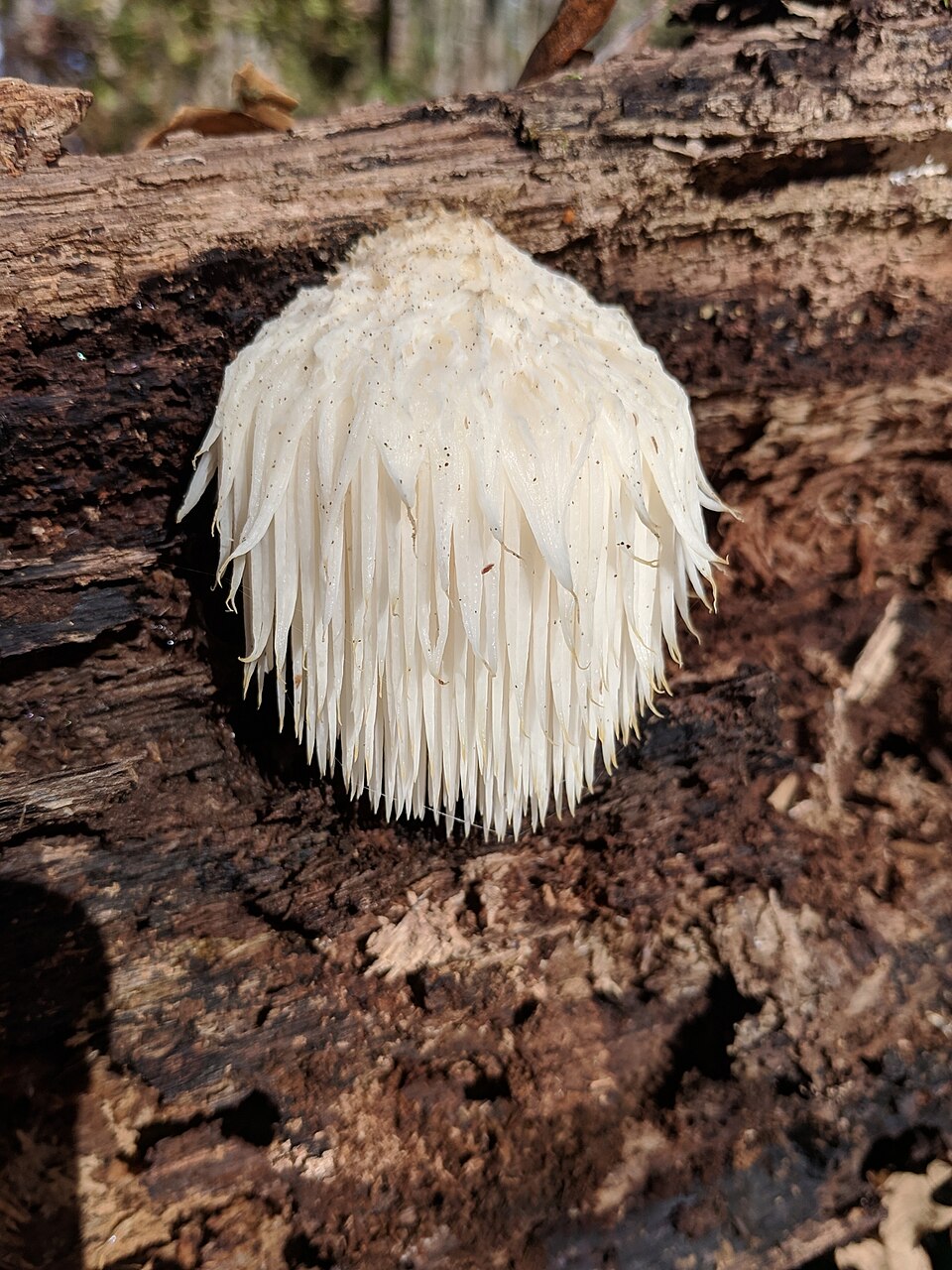
Lion's Mane
Hericium erinaceus
A shaggy white cascade of a mushroom that tastes like crab when fried — and is being studied, cautiously, for the brain.
Lire le guide →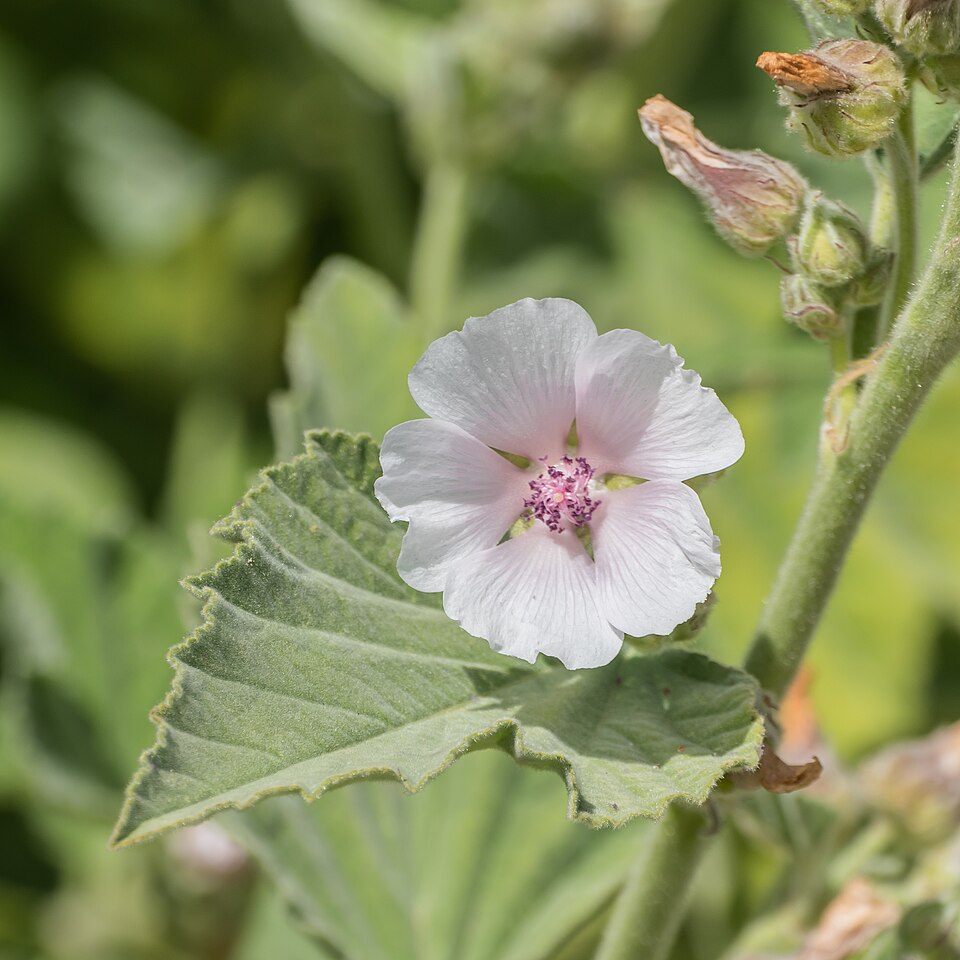
Marshmallow Root
Althaea officinalis
The original marshmallow — a slippery, soothing root for scratchy throats and dry coughs, best made with cold water.
Lire le guide →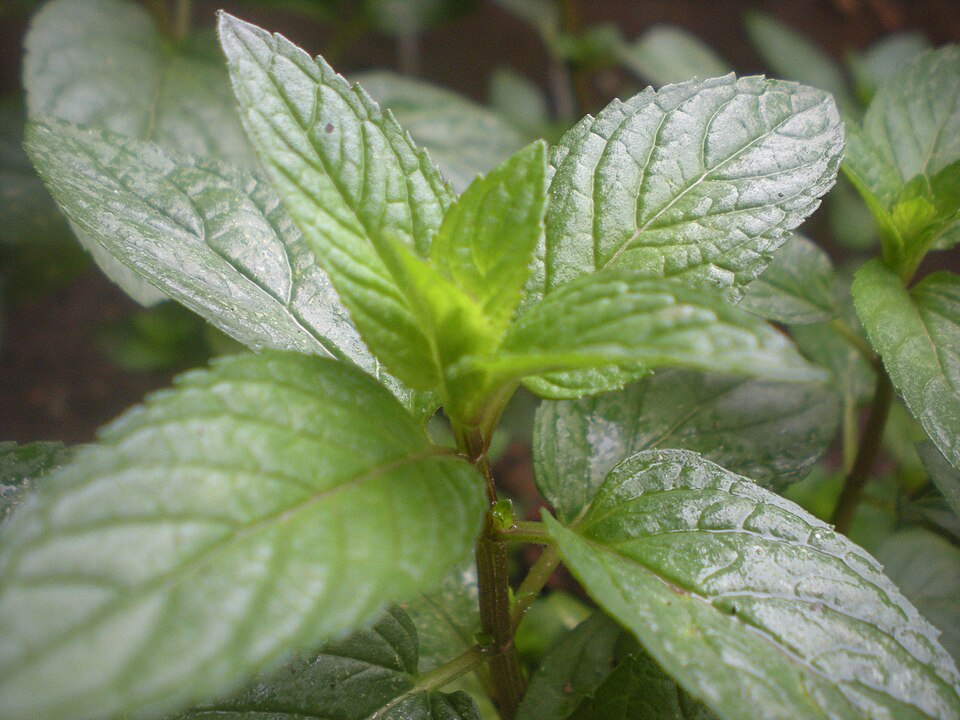
Menthe poivrée
Mentha × piperita
Une menthe de jardin vigoureuse dont l'huile est l'un des traitements à base de plantes les mieux documentés contre le syndrome de l'intestin irritable.
Lire le guide →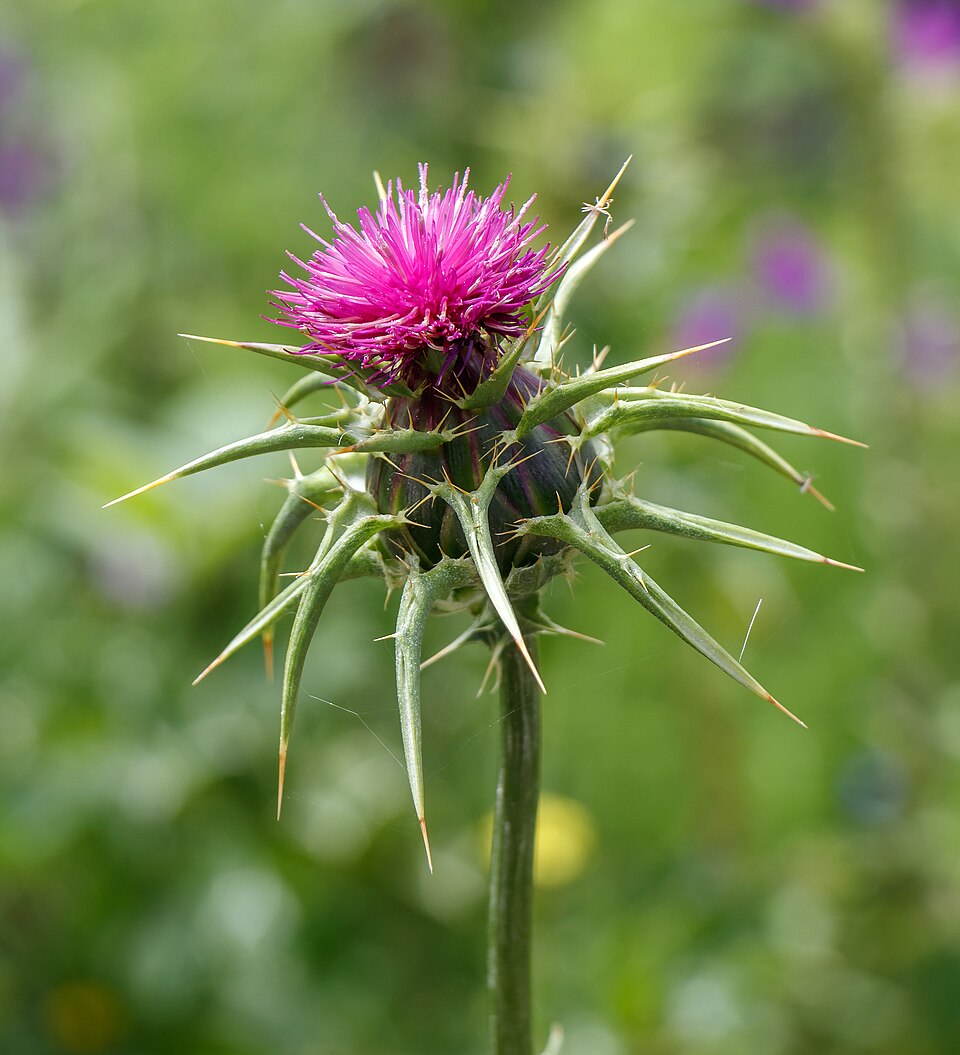
Milk Thistle
Silybum marianum
The white-veined Mediterranean thistle whose seeds became the world's best-known liver herb — well studied, very safe, and more modest than the marketing.
Lire le guide →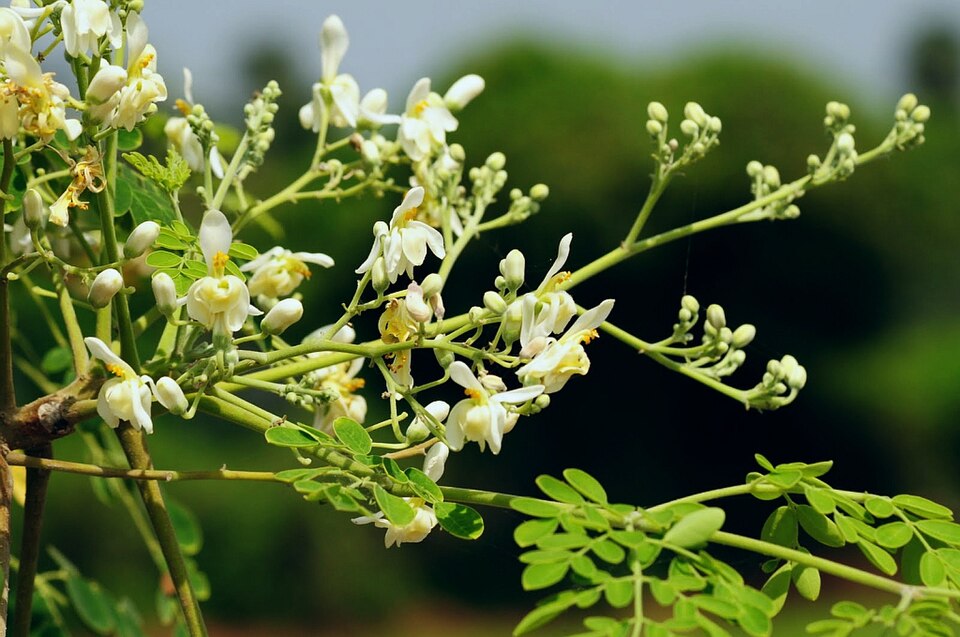
Moringa
Moringa oleifera
The fast-growing "drumstick tree" whose leaves feed families across the tropics — genuinely nutritious, if not quite the miracle it's marketed as.
Lire le guide →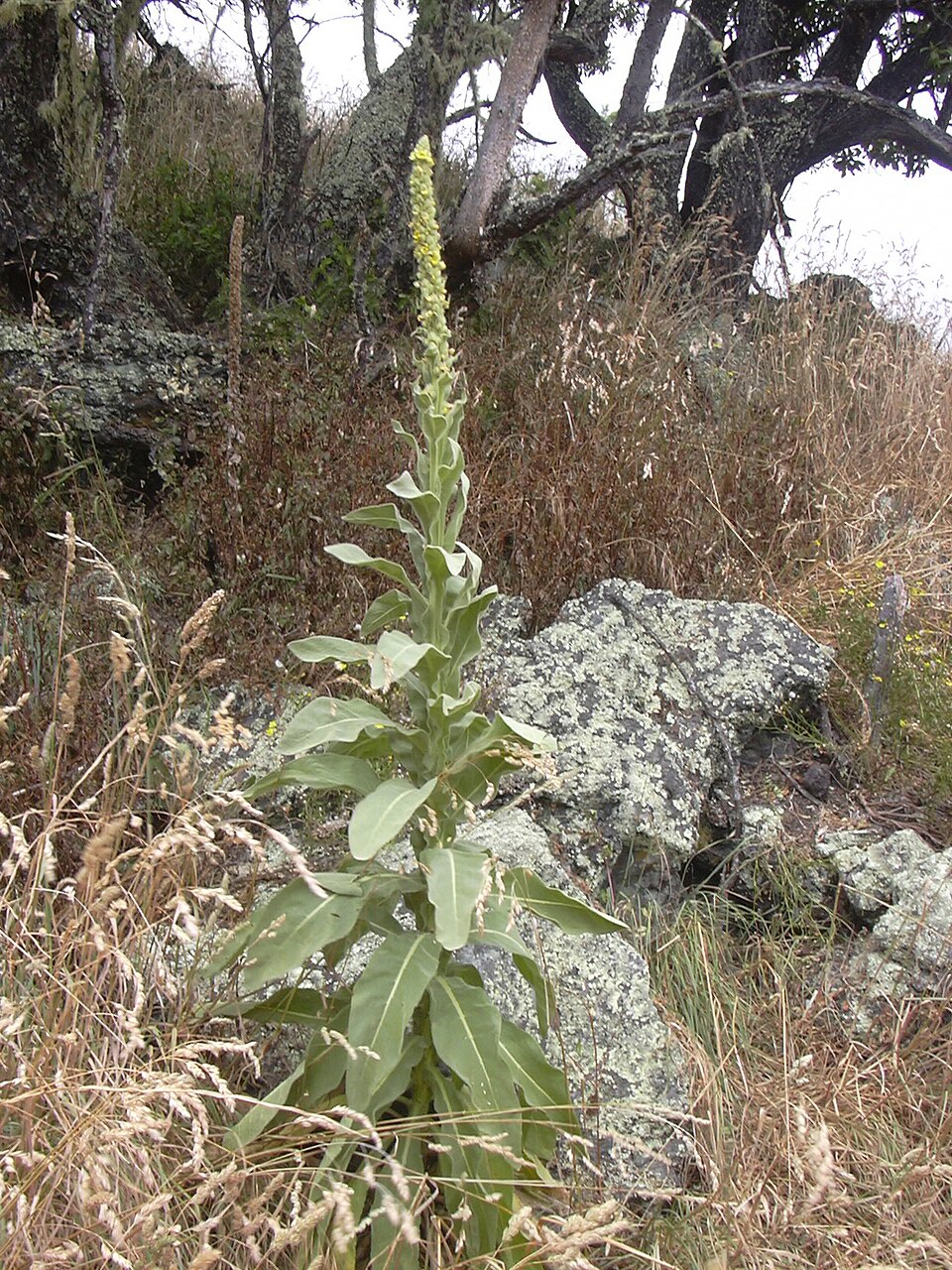
Mullein
Verbascum thapsus
The towering, velvet-leaved roadside torch plant — a traditional cough tea, as long as you strain out its itchy hairs.
Lire le guide →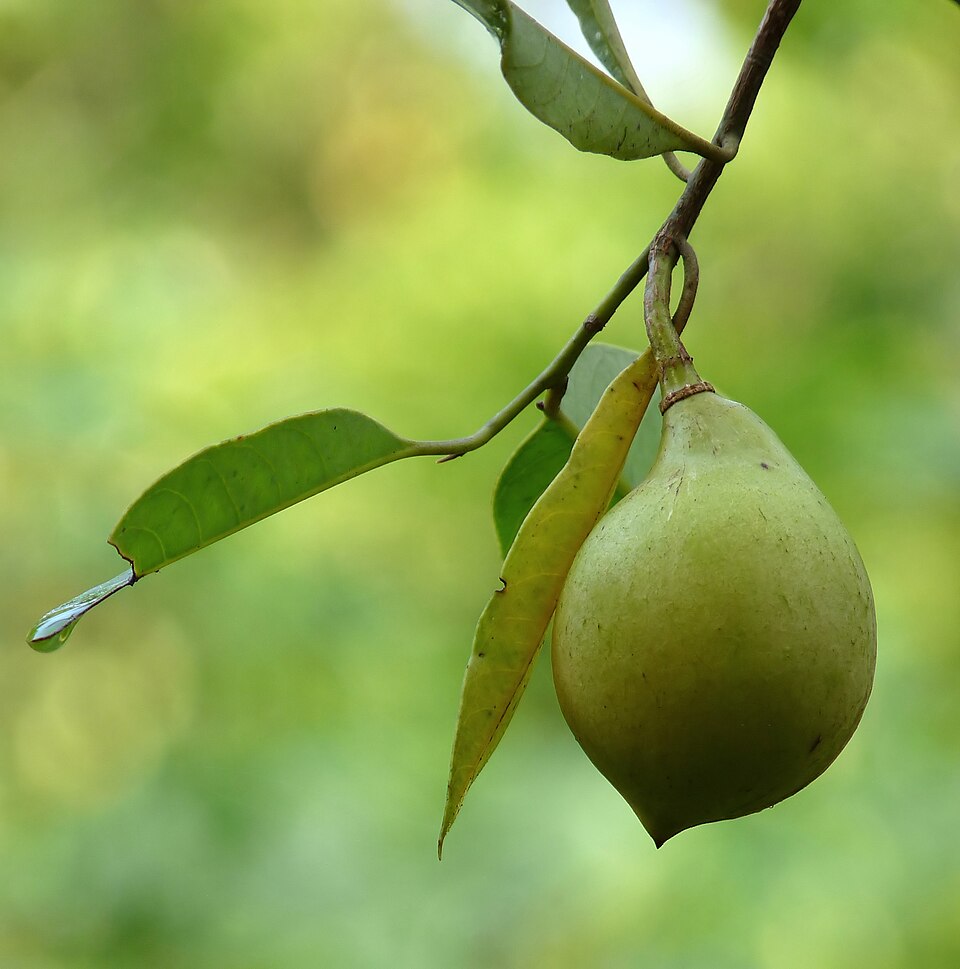
Nutmeg
Myristica fragrans
The warm, sweet spice that once caused wars — lovely by the pinch, genuinely poisonous by the spoonful.
Lire le guide →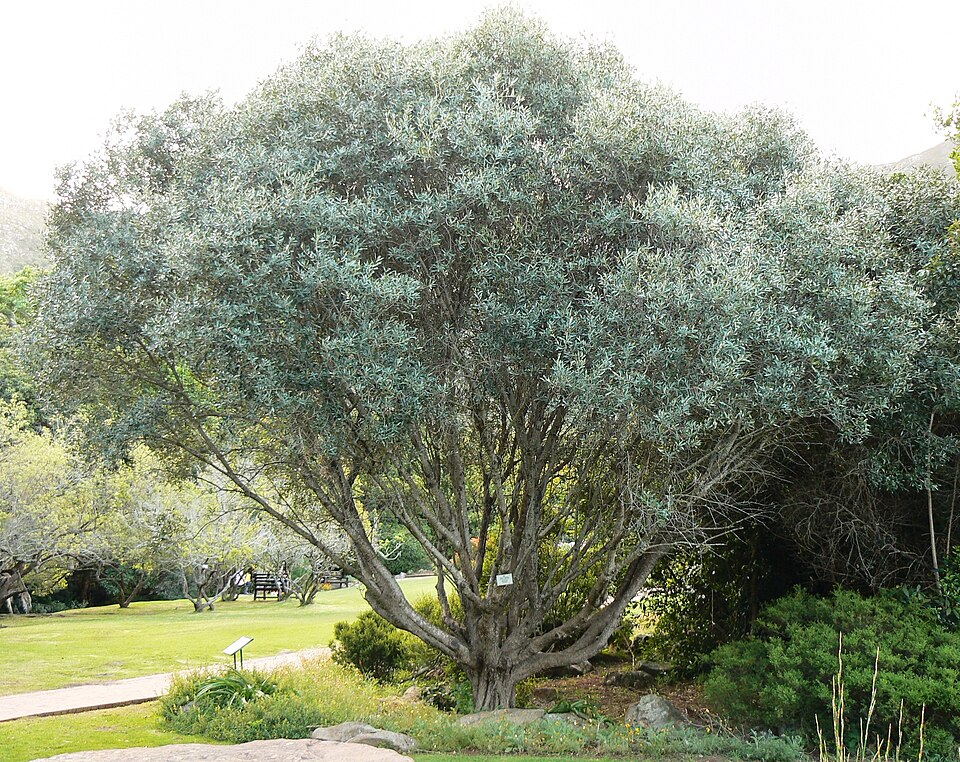
Olive Leaf
Olea europaea
The bitter, silvery leaf of the Mediterranean olive tree — rich in oleuropein and studied for gentle support of blood pressure.
Lire le guide →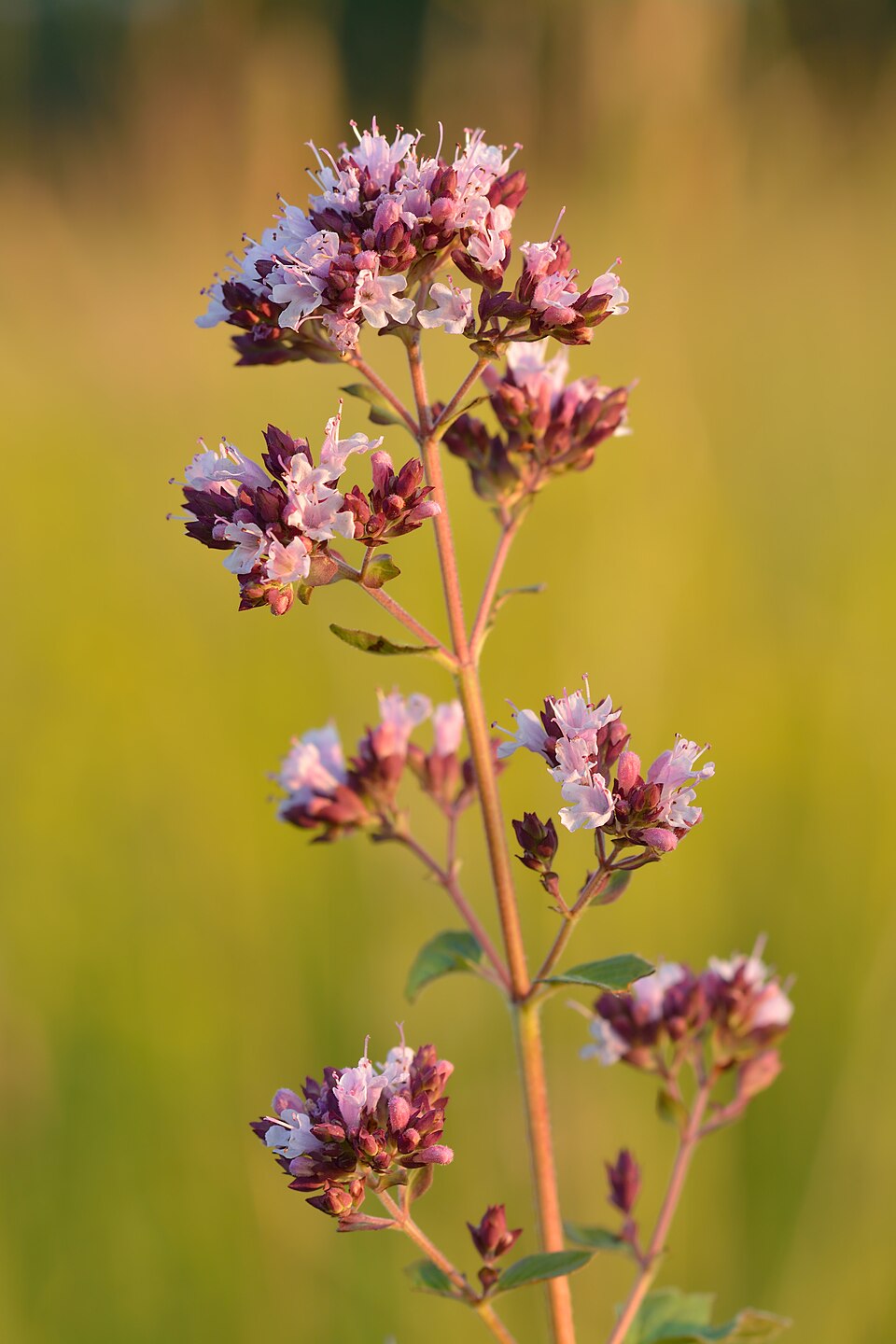
Oregano
Origanum vulgare
The sun-baked Mediterranean herb that tastes better dried than fresh — and whose concentrated oil is a very different thing.
Lire le guide →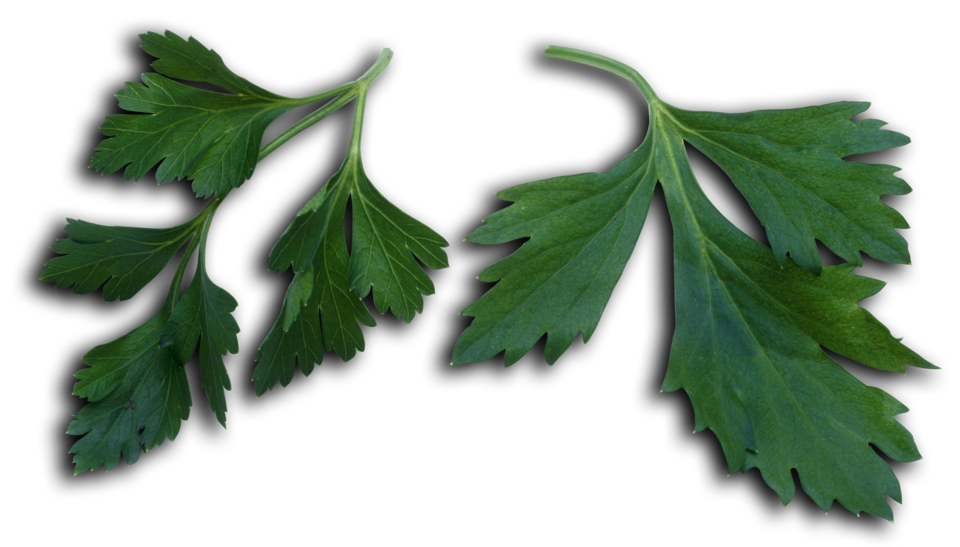
Parsley
Petroselinum crispum
Far more than a garnish — eat parsley by the handful and it becomes a fresh, green, vitamin-rich salad herb.
Lire le guide →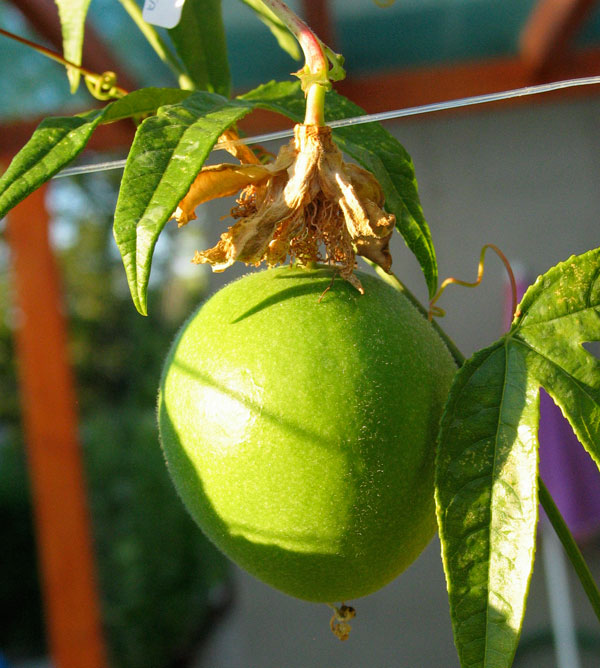
Passionflower
Passiflora incarnata
An extravagant purple-fringed vine from the American South, used for centuries to quiet an anxious mind and ease into sleep.
Lire le guide →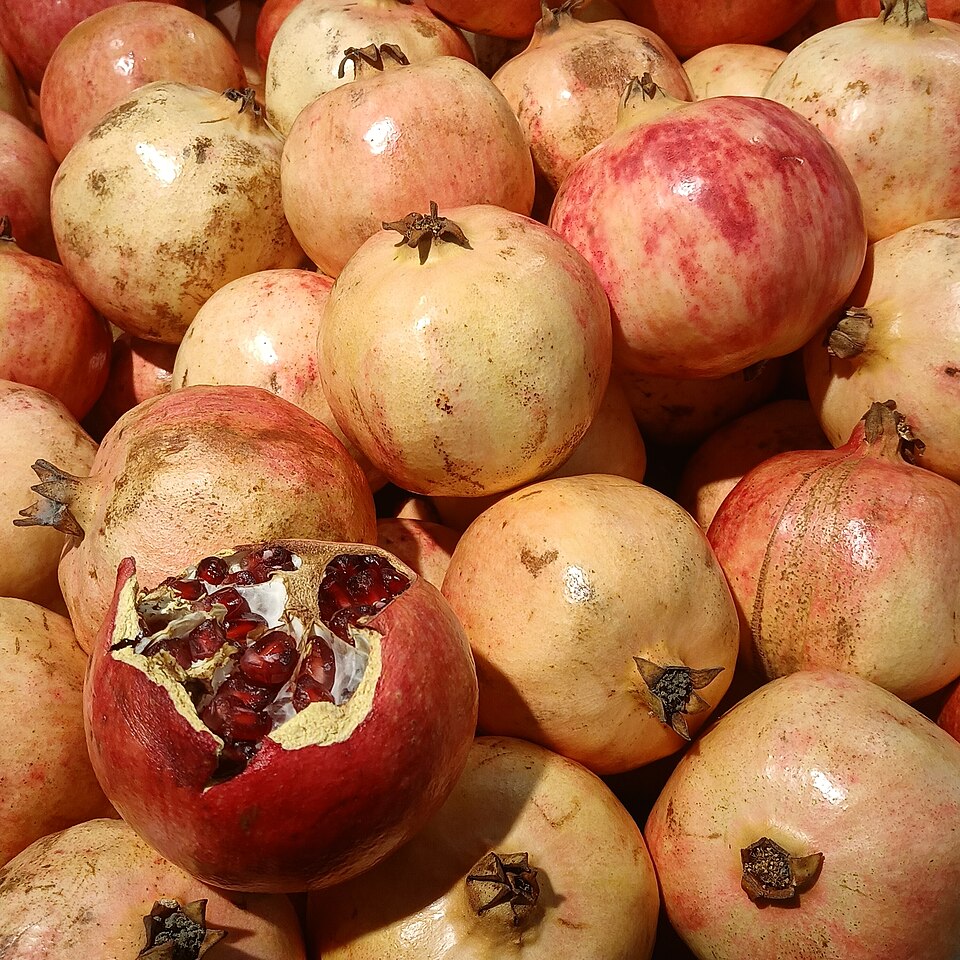
Pomegranate
Punica granatum
Jewel-like seeds and tart ruby juice with a modest but real effect on blood pressure — and a legend in every ancient culture.
Lire le guide →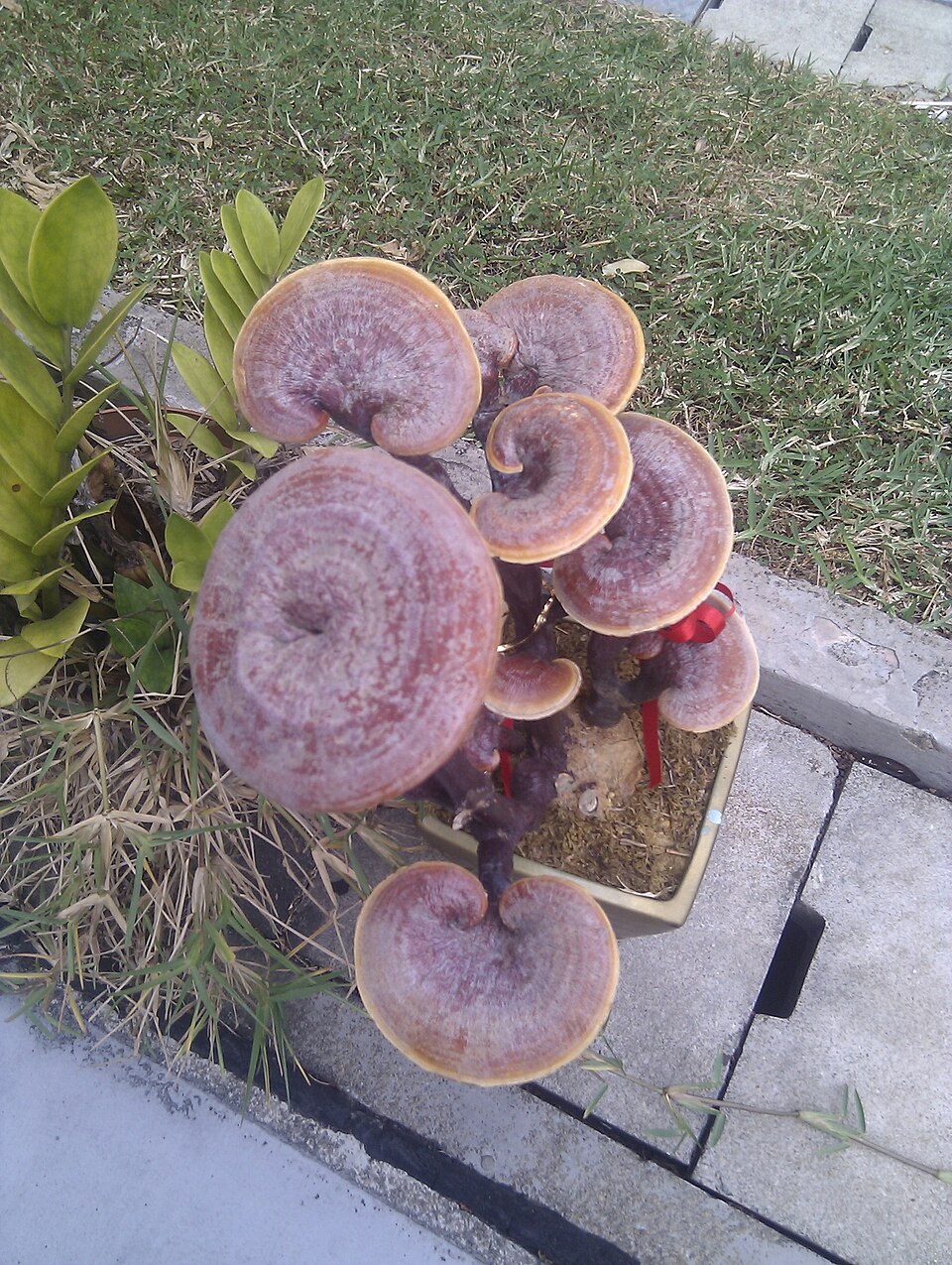
Reishi
Ganoderma lingzhi
The glossy, woody "mushroom of immortality" of Chinese tradition — revered for calm and immunity, but backed by thinner evidence than its legend.
Lire le guide →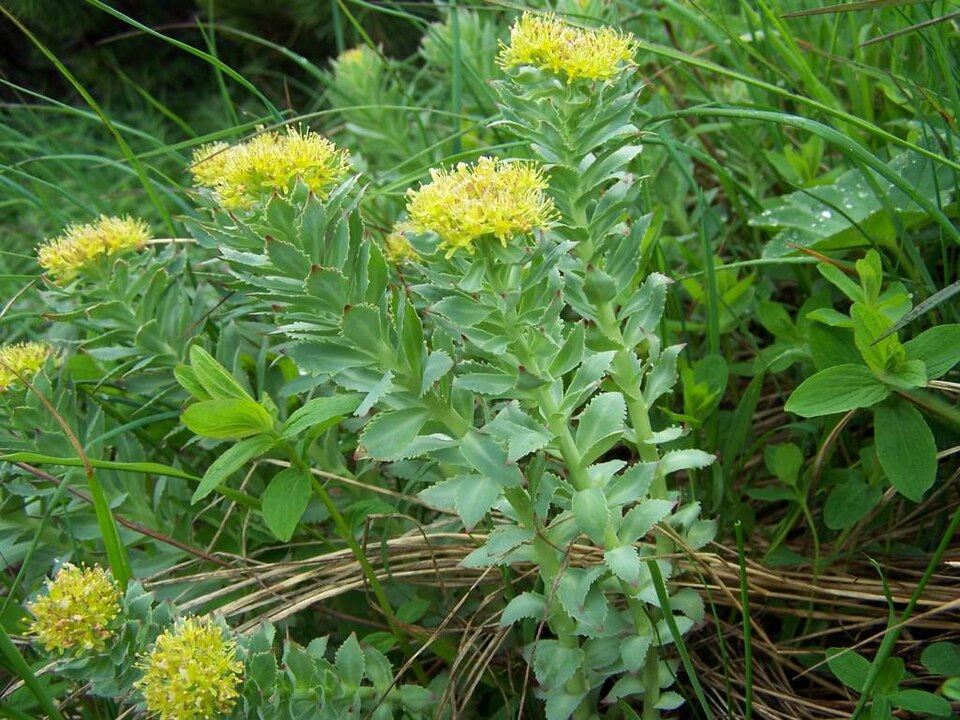
Rhodiola
Rhodiola rosea
The golden root of Arctic cliffs and Siberian mountains — a stress-and-fatigue herb with more trial data than most adaptogens.
Lire le guide →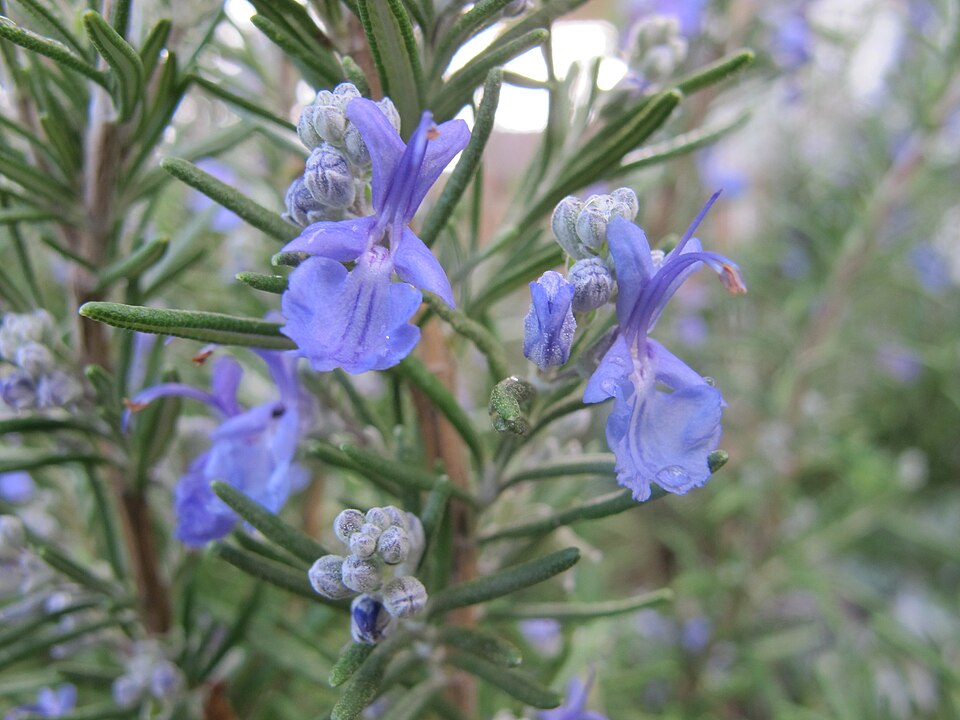
Rosemary
Salvia rosmarinus
The Mediterranean shrub scholars have worn for memory since ancient Greece — and modern studies keep finding they were onto something.
Lire le guide →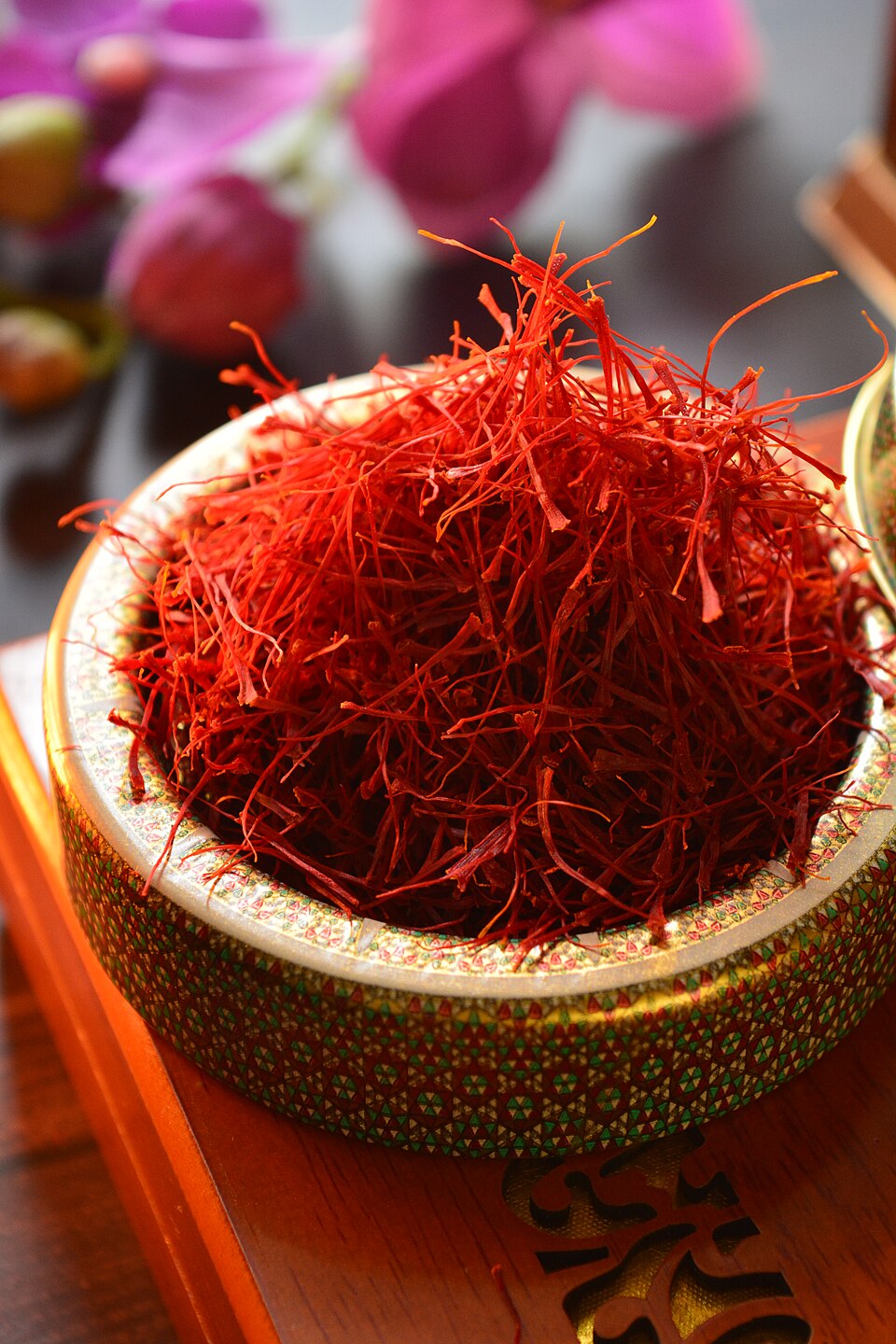
Saffron
Crocus sativus
The world's costliest spice — hand-picked crimson threads with a surprisingly respectable body of research on low mood.
Lire le guide →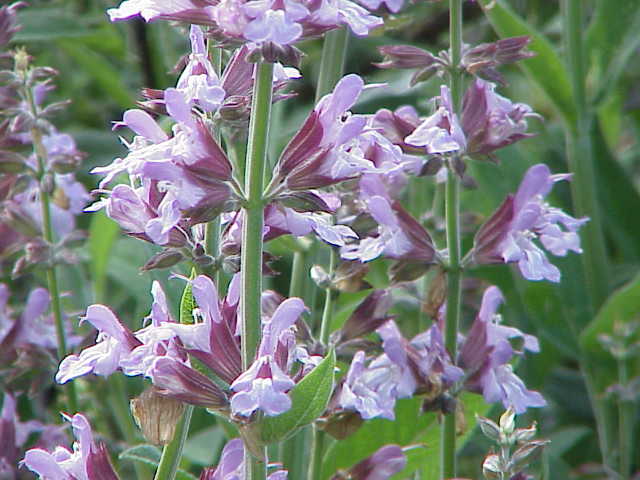
Sage
Salvia officinalis
Velvety grey-green leaves with a bold, piney flavour — a classic sore-throat gargle, and a herb to respect in concentrated form.
Lire le guide →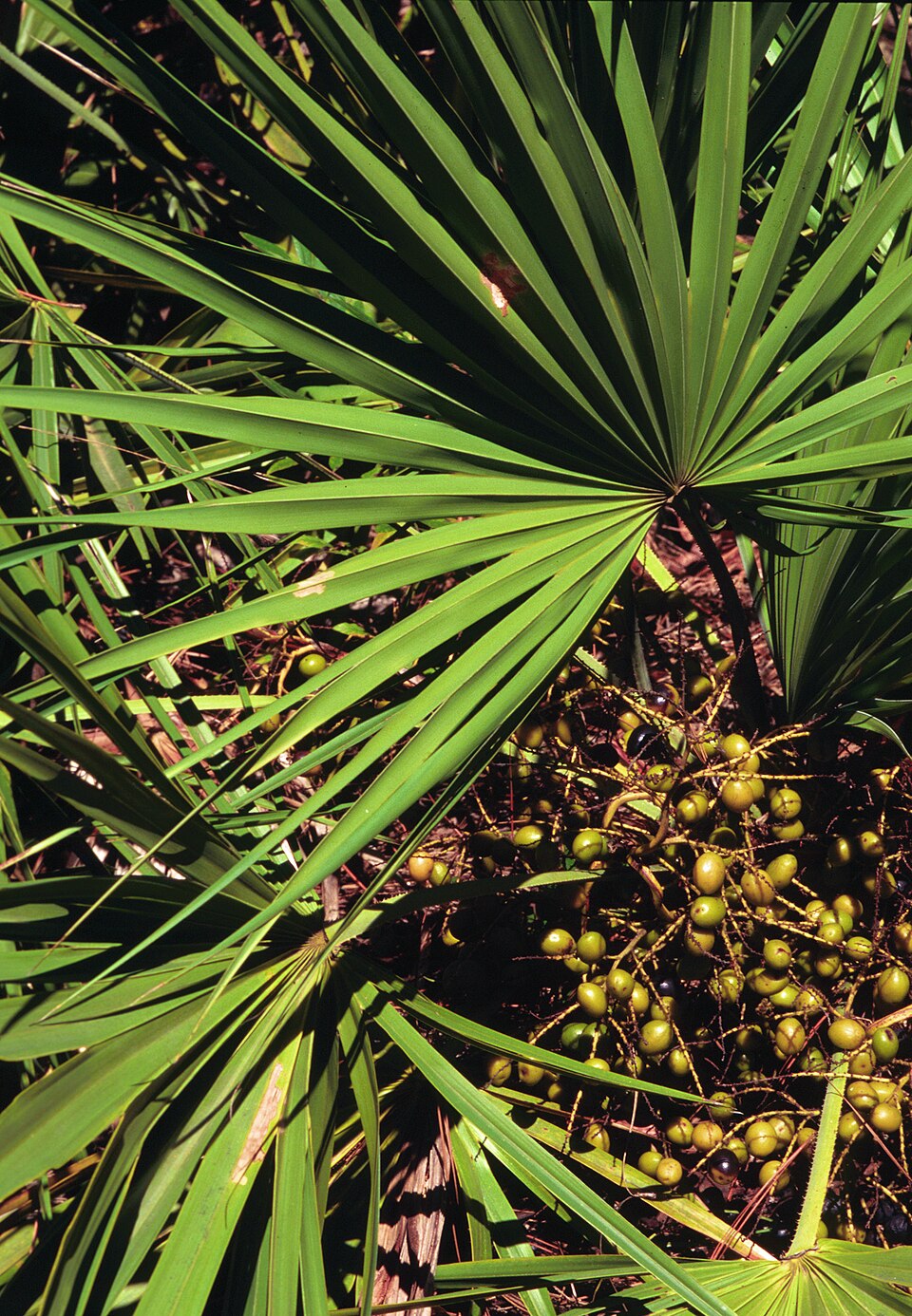
Saw Palmetto
Serenoa repens
A scrubby Florida palm whose berries became the best-selling prostate supplement — though the largest trials found it works no better than placebo.
Lire le guide →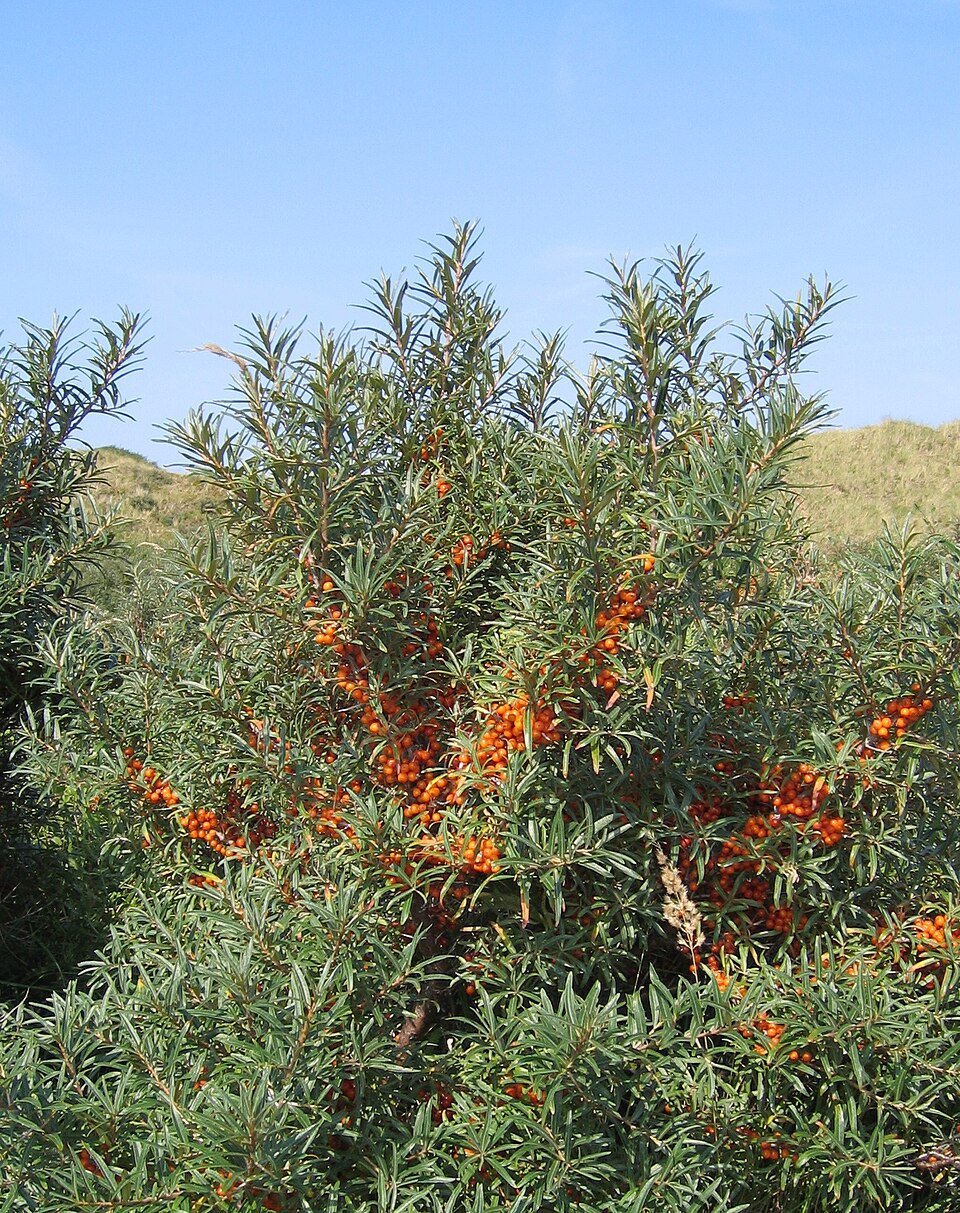
Sea Buckthorn
Hippophae rhamnoides
A thorny coastal shrub crowded with sour orange berries — packed with vitamin C, carotenoids and a rare omega-7 oil.
Lire le guide →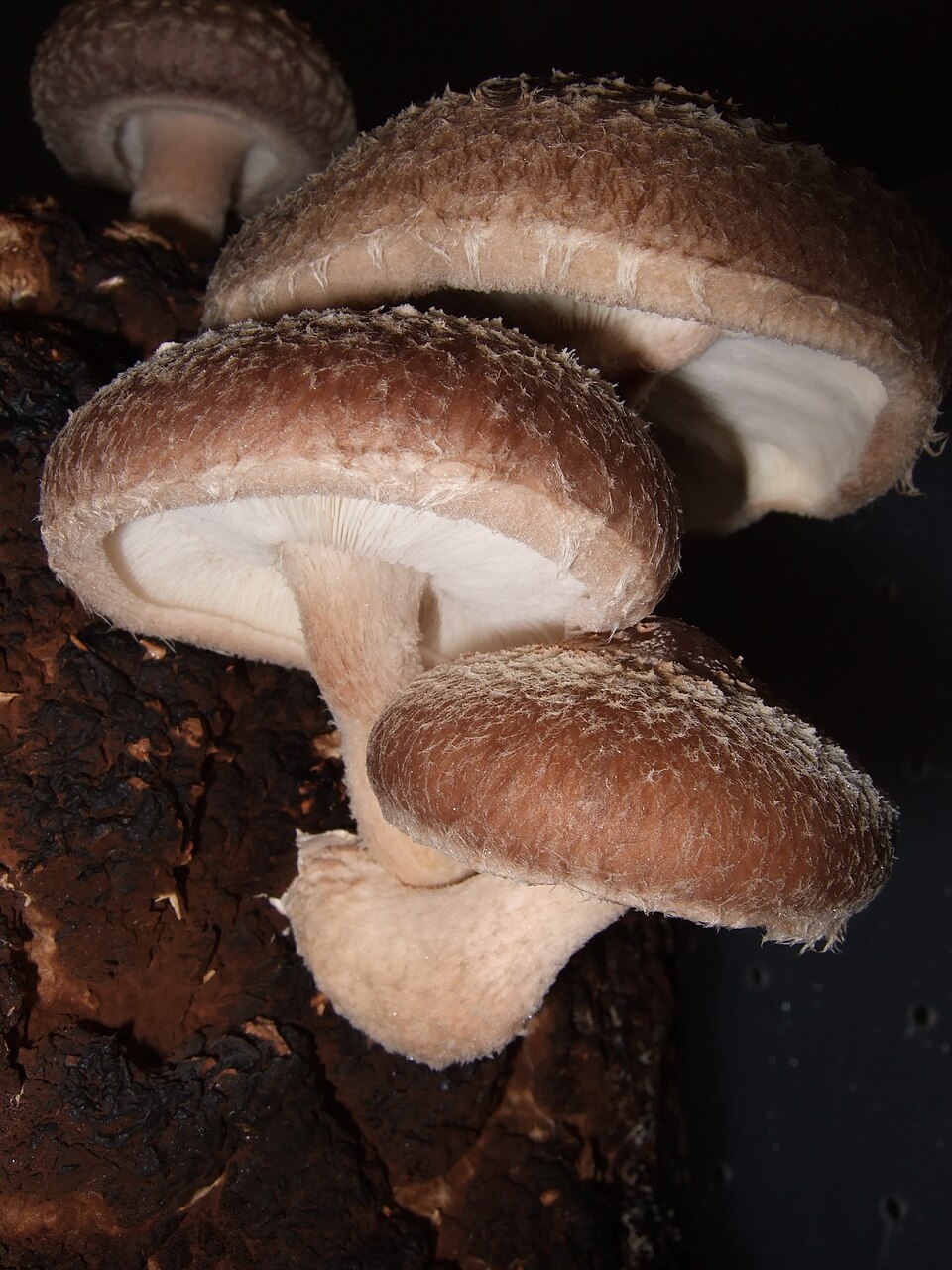
Shiitake
Lentinula edodes
The savoury, meaty mushroom of East Asian kitchens — rich in umami and immune-active fibres, and always best eaten well cooked.
Lire le guide →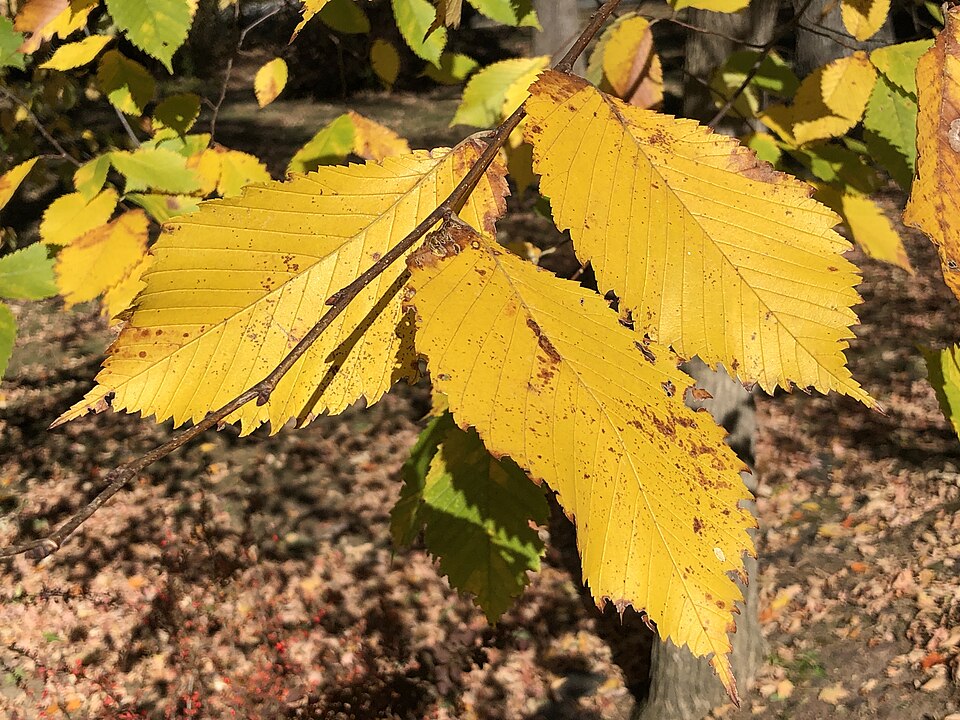
Slippery Elm
Ulmus rubra
A North American tree whose inner bark turns into a soothing gruel — gentle on sore throats and stomachs, but hard on the trees.
Lire le guide →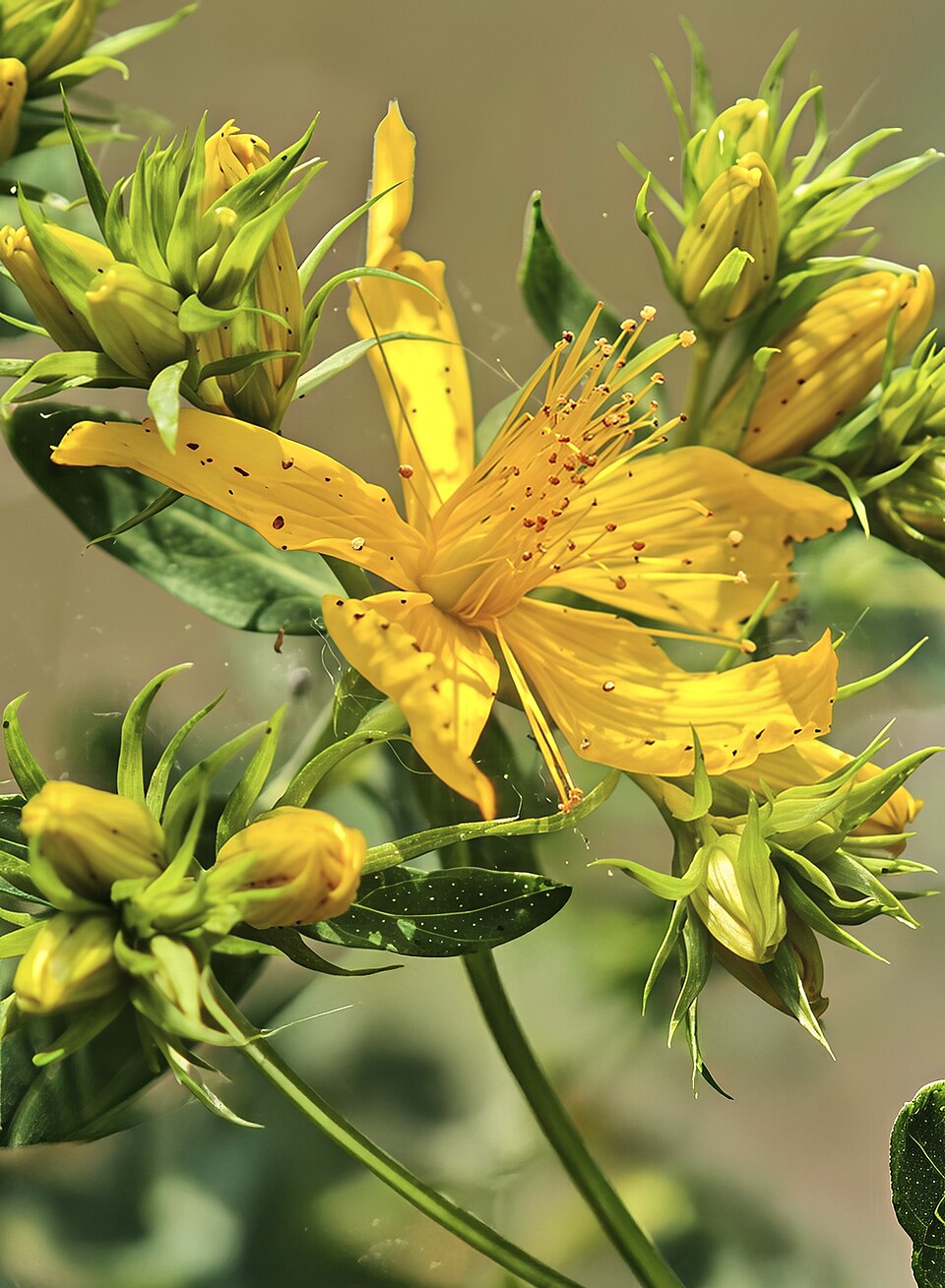
St John's Wort
Hypericum perforatum
A sunny midsummer flower with real antidepressant evidence — and more drug interactions than almost any other herb on the shelf.
Lire le guide →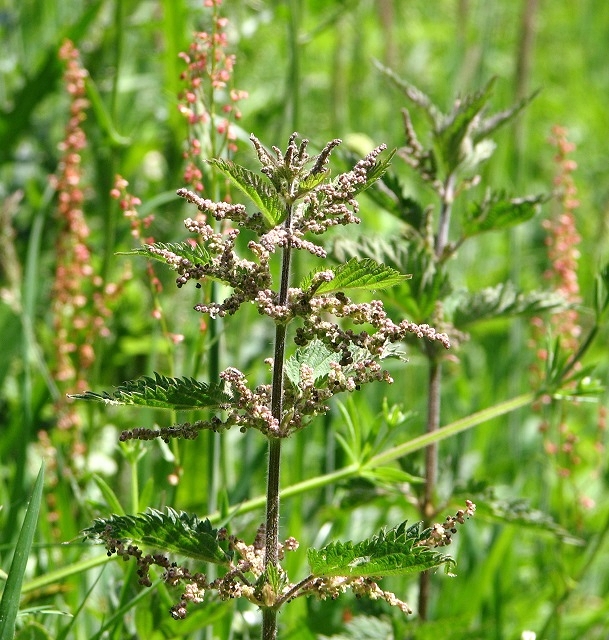
Stinging Nettle
Urtica dioica
The plant that fights back — then feeds you. Mineral-rich spring green, hay-fever folk remedy, and a surprisingly evidence-brushed joint herb.
Lire le guide →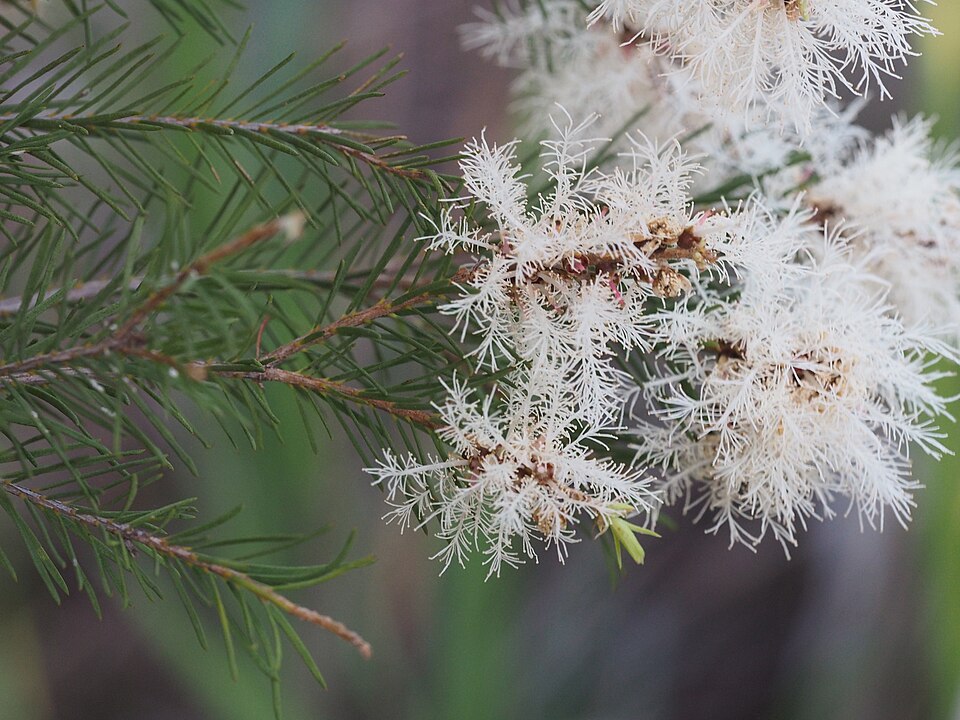
Tea Tree
Melaleuca alternifolia
An Australian swamp shrub whose sharp, medicinal oil tackles spots and fungal skin — strictly on the outside, and never near cats.
Lire le guide →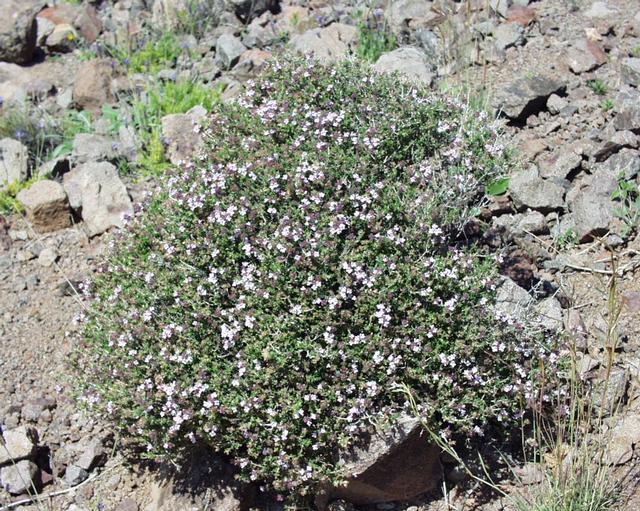
Thyme
Thymus vulgaris
A tough little woody herb that flavours slow-cooked food beautifully and has soothed coughs across Europe for centuries.
Lire le guide →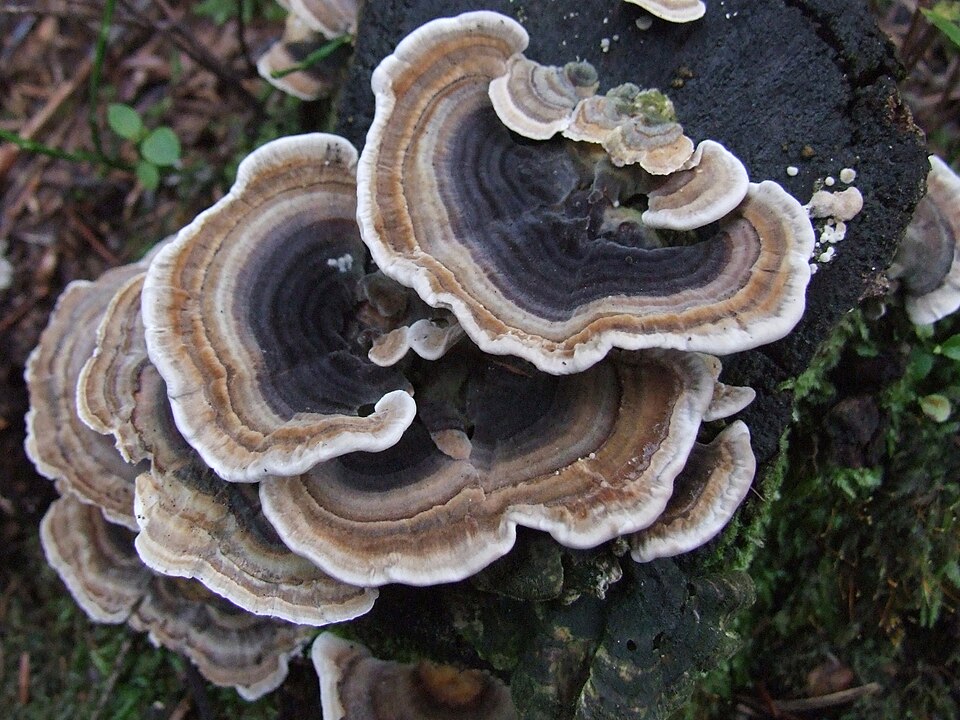
Turkey Tail
Trametes versicolor
A common, striped bracket fungus of woodland logs, rich in immune-active polysaccharides — much studied, often overclaimed.
Lire le guide →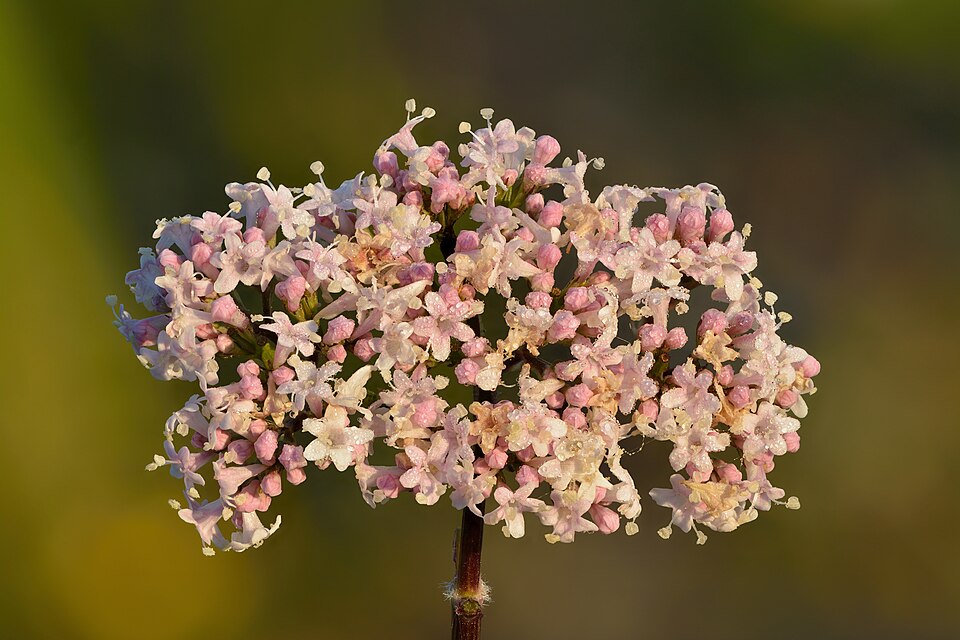
Valerian
Valeriana officinalis
Europe's traditional sleep root — gentle, non-habit-forming, and best judged after two weeks of nightly use.
Lire le guide →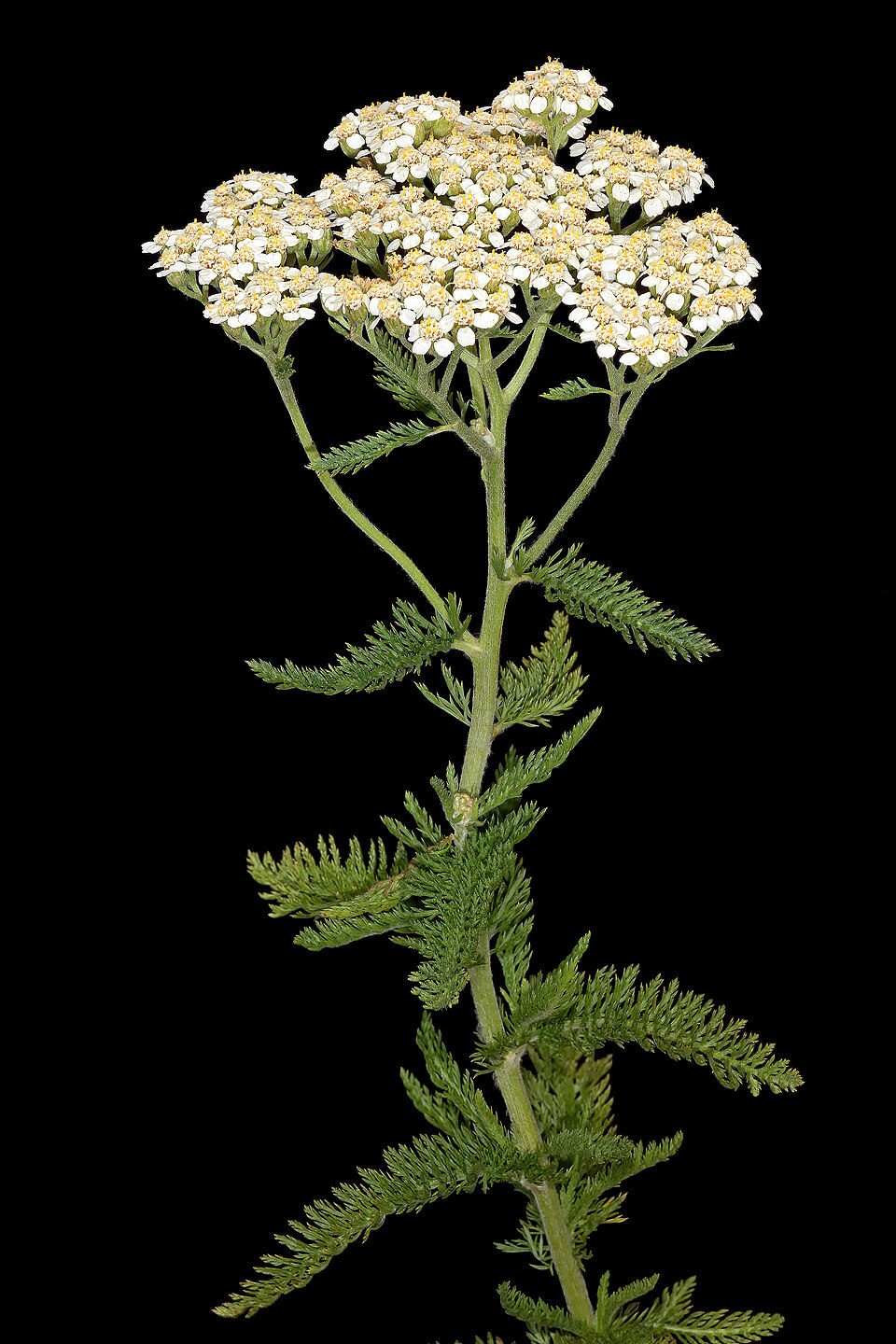
Yarrow
Achillea millefolium
The feathery-leaved wound herb named after Achilles — a bitter tea for sluggish digestion, and one to avoid in pregnancy.
Lire le guide →