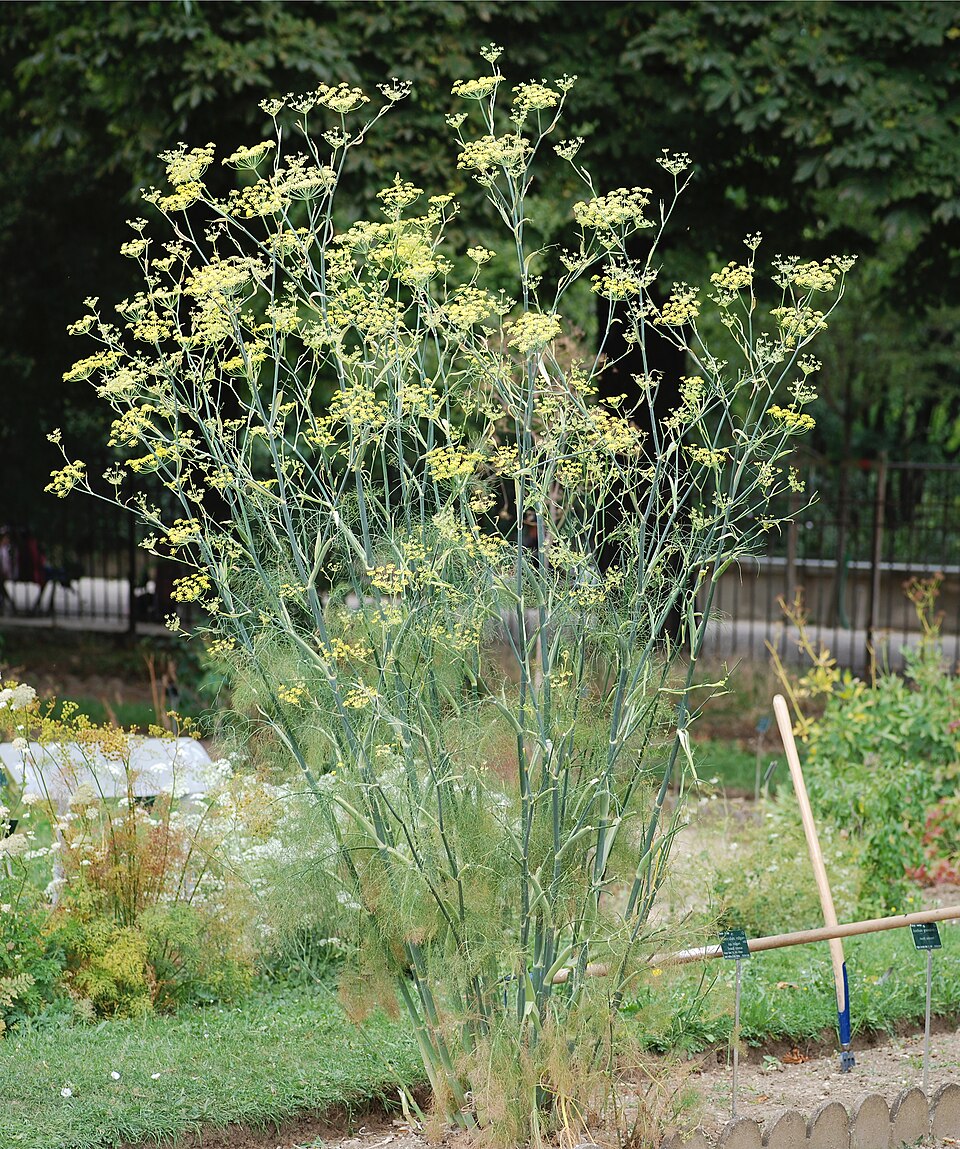
Qu'est-ce que Fennel ?
Fennel is a tall, yellow-flowered carrot-family plant native to the Mediterranean. Florence fennel is grown for its crunchy, sweet bulb; common fennel for its seeds and fronds. The Romans ate it for eyesight and strength, and in India fennel seeds are still offered after meals as a breath freshener and digestive. Its sweet liquorice flavour comes mostly from anethole, with fenchone and a small amount of estragole.
Fennel seed tea is one of Europe's best-loved remedies for bloating and wind, and regulators recognise it as a traditional digestive. Small trials suggest fennel extracts may ease period pain and, in one study, infant colic — but estragole means regulators advise caution with concentrated preparations, young children, pregnancy and long-term use. As a vegetable and cooking spice, fennel is safe and nourishing.
Bienfaits et usages
Eases wind and bloating
Fennel seed is a classic carminative; European herbal authorities list it as a traditional remedy for bloating, wind and mild spasmodic stomach discomfort. The evidence is mostly traditional, but it is widely used.
May ease period pain
Several small trials of fennel extract for menstrual cramps found it reduced pain, in some cases comparably to common painkillers. The studies were small and often not well blinded, so treat this as promising rather than proven.
Nutritious vegetable
The bulb is low in calories and provides fibre, potassium and vitamin C, with a crisp, refreshing texture raw and a mellow sweetness when cooked.
Fresh breath after meals
Chewing a pinch of seeds after eating is a long-standing custom in India. The aromatic oils freshen breath and may help digestion.
Comment l'utiliser
Raw bulb
Shave thinly and toss with orange segments, olive oil, lemon, salt and a few olives for a classic Sicilian salad. Keep the fronds and chop them like dill.
Cooked bulb
Cut into wedges and roast at 200°C for 30–40 minutes, or braise slowly in stock until meltingly soft. Cooking softens the aniseed flavour into sweetness.
Seeds in cooking
Toast lightly and add to Italian sausage, pork, bread, tomato sauces, fish stews and curries; fennel is part of Chinese five-spice and Bengali panch phoron.
Fennel seed tea
1 tsp lightly crushed seeds per cup of just-boiled water, covered, 10 minutes. 1–3 cups daily for bloating, for short periods (a week or two) rather than continuously.
After meals
Chew ½ tsp seeds slowly, plain or sugar-coated, as a digestive and breath freshener.
⚠️ Précautions
- Pregnancy and breastfeeding: the vegetable and cooking amounts are fine. European herbal regulators do not recommend medicinal fennel preparations (seed tea as a remedy, extracts or oil) during pregnancy or breastfeeding — estragole and fennel's mild oestrogen-like effects are the concerns.
- Infants and young children: do not give fennel tea, gripe water or fennel oil to babies without medical advice. European regulators advise against medicinal fennel preparations in young children because of estragole; there are also reports of problems in infants whose mothers drank large amounts of fennel-containing herbal tea.
- Estragole, present in fennel seed, caused cancer in rodents at high doses. Occasional tea and culinary use are not considered a concern, but avoid strong seed tea every day for months.
- Fennel essential oil is toxic in larger amounts and has caused seizures; it should not be swallowed and must be kept away from children and pets.
- Medication and hormones: fennel's oestrogen-like activity makes medicinal amounts unwise with hormone-sensitive conditions or with tamoxifen or hormonal therapies. In animal studies it reduced absorption of the antibiotic ciprofloxacin — separate doses if you use both.
- Allergy: people allergic to celery, carrot, mugwort or other carrot-family plants may react to fennel. If foraging wild fennel, be certain of identification — poisonous hemlock looks similar but lacks the aniseed smell.
Ceci est une information générale, pas un avis médical. Consultez un professionnel de santé avant d'utiliser Fennel pour traiter un trouble ou en association avec des médicaments.
Questions fréquentes
Is fennel tea safe for my baby's colic?
Don't give it without advice from your doctor or health visitor. A small trial suggested fennel may ease colic, but regulators caution against medicinal fennel in young children because of estragole, and babies can easily be given too much.
Does fennel increase breast milk?
It's a traditional galactagogue, but there is no good evidence that it works, and large amounts of fennel tea while breastfeeding are not advised. A lactation consultant can help with supply concerns.
Is fennel the same as anise or star anise?
No — they are three different plants that share the compound anethole, hence the similar liquorice flavour. Fennel is milder and sweeter than anise seed.
Commentaires