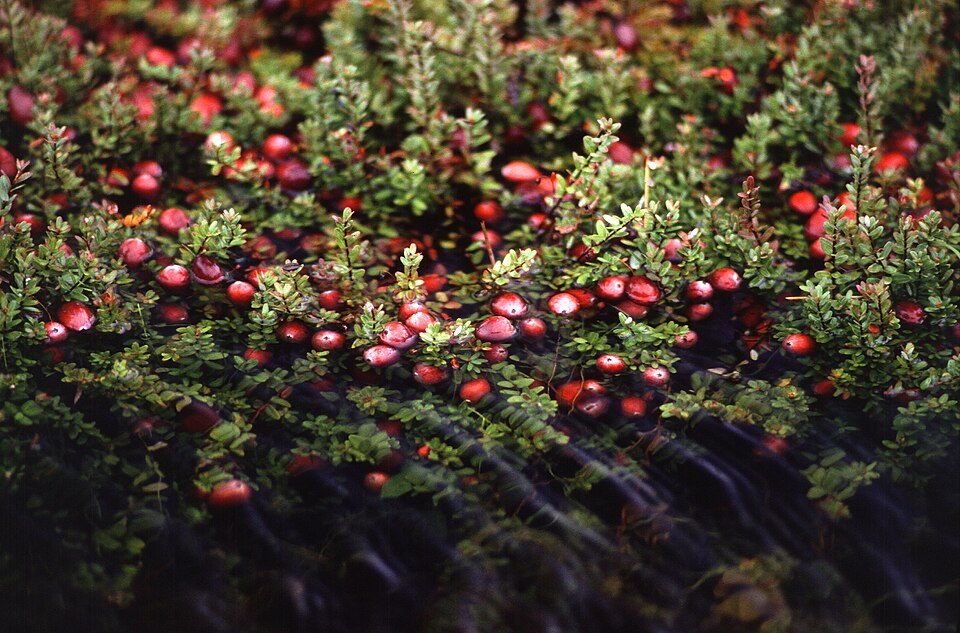
Was ist Cranberry?
Cranberry is a low, creeping evergreen shrub of North American bogs, harvested by flooding the fields so the buoyant berries float to the surface. Indigenous peoples used it as food, dye and poultice long before it reached the Thanksgiving table. Its signature compounds are A-type proanthocyanidins (PACs), which in the lab stop certain E. coli bacteria from gripping the lining of the bladder.
The evidence is honestly mixed but has firmed up. Earlier reviews found little benefit, while a more recent Cochrane review concluded that cranberry products modestly reduce the risk of repeat urinary tract infections in some groups — notably women with recurrent UTIs, children, and people after certain medical procedures — with less clear benefit for older people in care homes, pregnant women or people with bladder-emptying problems. It is a prevention aid, not a treatment: an active UTI needs proper medical care.
Wirkung & Anwendungsgebiete
Helps prevent recurrent UTIs in some people
In placebo-controlled trials, regular cranberry juice or capsules modestly lowered the number of repeat infections, especially in women prone to them. The effect is real but not dramatic — think fewer infections, not none.
Anti-adhesion, not antibiotic
Cranberry PACs appear to make it harder for bacteria to stick to the bladder wall so they are flushed out, rather than killing them. That is why it may help prevent infections but cannot clear one that has taken hold.
Rich in polyphenols
The berries are packed with anthocyanins, flavonols and PACs, which act as antioxidants in the lab. Whether that translates into measurable health benefits in people is still unproven.
Possible oral and gut effects
Lab studies suggest the same anti-stick effect may work against some mouth and stomach bacteria, including H. pylori. Human evidence is thin, so treat this as a research lead.
A tart, versatile food
Whole or dried cranberries bring fibre and vitamin C to sauces, baking and salads — just watch the sugar added to most dried and sweetened products.
So wendest du sie an
Capsules or tablets
The most practical route for prevention: choose a product that states its PAC content (many trials used around 36 mg PACs daily) and take it every day. Benefit, if any, depends on consistent use.
Unsweetened juice
Around 150–250 ml of pure, unsweetened cranberry juice daily, diluted if it is too sharp. Sweetened "juice drinks" are mostly sugar and water, with far less cranberry.
Whole or frozen berries
Simmer fresh or frozen berries into a sauce, bake them into muffins or blend a small handful into smoothies. Pleasant and healthy, though amounts in food are lower than in trial products.
Dried cranberries
A handy snack or salad topping, but nearly always sweetened; look for reduced-sugar versions and treat them as a treat rather than a remedy.
⚠️ Vorsichtshinweise
- Cranberry does not treat an active UTI. Burning, frequency, fever, back pain or blood in the urine need a doctor — untreated infections can spread to the kidneys.
- Warfarin: there are case reports of increased INR and bleeding in people taking warfarin with large amounts of cranberry. Controlled studies mostly found little effect, but anyone on warfarin or other blood thinners should check with their doctor before regular use.
- Kidney stones: concentrated cranberry supplements contain oxalate and may raise stone risk in people prone to calcium oxalate stones — ask your doctor if you have a history of stones.
- Pregnancy and breastfeeding: normal food and juice amounts are considered safe; there is little data on high-dose supplements, so check with your midwife or doctor first.
- Large amounts of juice can cause stomach upset or diarrhoea, and sweetened juices add a lot of sugar — relevant for people with diabetes.
- Cranberry contains some salicylic acid; people with aspirin allergy may want to avoid concentrated products.
Dies sind allgemeine Informationen, keine medizinische Beratung. Sprich mit medizinischem Fachpersonal, bevor du Cranberry zur Behandlung einer Erkrankung oder zusammen mit Medikamenten verwendest.
Häufige Fragen
Can cranberry juice cure my UTI?
No. It may help reduce the chance of future infections for some people, but an infection already underway usually needs medical treatment, often antibiotics. See a doctor promptly.
Is juice or capsules better?
Both have been used in trials. Capsules with a stated PAC dose are easier to take daily without the sugar and acidity of juice, which is why many people prefer them.
How long before it works?
Cranberry is about prevention, so any benefit shows over months of regular use as fewer repeat infections. Taking it occasionally is unlikely to make much difference.
Kommentare