¿Qué es Bilberry?
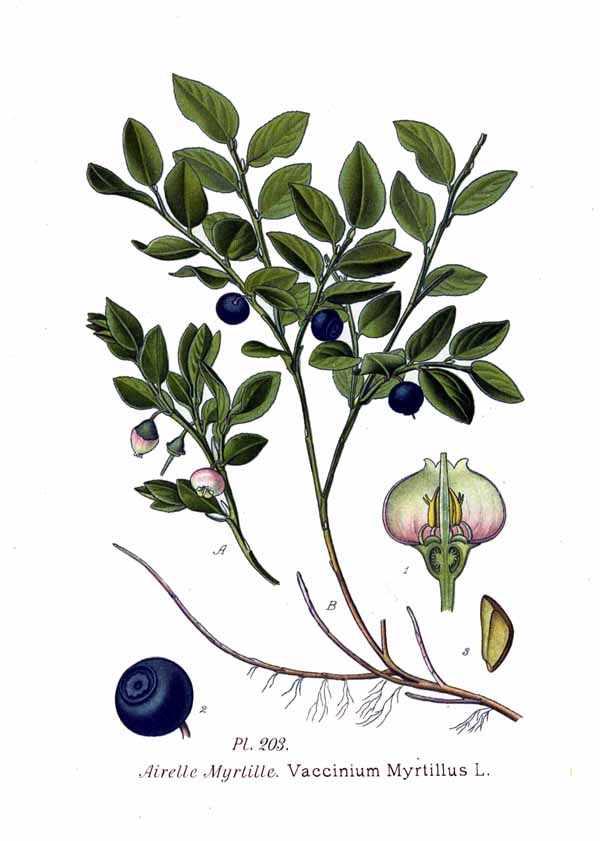
Bilberry is a low shrub of European heaths and forests, cousin to the cultivated blueberry but with smaller, darker berries that are purple all the way through. Foraged for centuries for pies and jams, the dried berries were a traditional remedy for diarrhoea, and the fruit is exceptionally rich in anthocyanins, the pigments that stain your fingers and tongue.
Bilberry is best known for eyesight, thanks to a popular story that WWII British pilots ate bilberry jam to see better on night missions. There is no good historical evidence for this — it appears to be a later marketing tale, similar to the wartime carrot myth — and controlled trials in healthy people found bilberry did not improve night vision. Some small studies on eye strain and other eye conditions are more interesting but remain limited.
Beneficios y usos
Rich in anthocyanins
Bilberries contain more anthocyanins than most cultivated blueberries. These act as antioxidants and anti-inflammatories in the lab; what that means for long-term human health is still being studied.
Possible help with eye strain
A few small trials, mostly from Japan, suggest bilberry extract may ease tired eyes in people doing lots of screen work. The studies are small, so treat this as a maybe.
Settles mild diarrhoea (dried berries)
Dried bilberries are rich in tannins and are a traditional European remedy for mild, short-lived diarrhoea. Interestingly, fresh berries can have the opposite, mildly laxative effect.
Blood vessel and blood sugar interest
Animal and small human studies suggest anthocyanins may support small blood vessels and help blood sugar after meals. The evidence is early and does not replace medical care.
A delicious wild food
In season, a bowl of fresh bilberries is simply one of the best foods the forest offers — fibre, vitamin C and colour in every handful.
Cómo usarla
Fresh or frozen berries
A handful (about 100 g) daily when in season, or frozen year-round. Eat them plain, with yoghurt or in porridge.
Extract capsules
Studies commonly used 160–480 mg daily of extract standardised to about 36% anthocyanosides (25% anthocyanidins), split into two or three doses with food.
Dried berry tea for diarrhoea
Simmer 1–2 tbsp crushed dried berries in a cup of water for 10 minutes, strain and sip; up to 3 cups a day for a day or two. See a doctor if diarrhoea lasts longer or is severe.
Jams and baking
Bilberry pie, jam and soup are traditional across Scandinavia and the Alps. Lovely food, though cooking and sugar make them treats rather than remedies.
⚠️ Precauciones
- Blood thinners: bilberry extract may have mild anti-platelet effects, so combining high-dose extracts with warfarin, aspirin or similar drugs could raise bleeding risk. Ask your doctor and stop extracts two weeks before surgery.
- Diabetes medicines: concentrated extracts might lower blood sugar slightly; monitor your levels if you combine them.
- Pregnancy and breastfeeding: the berries as food are fine; there is not enough data on concentrated extracts, so avoid them unless advised by a doctor.
- Bilberry leaves are sometimes sold for blood sugar, but long-term or high-dose use of the leaf is not considered safe — stick to the berries.
- Diarrhoea lasting more than a few days, or with blood, fever or dehydration, needs medical attention rather than home remedies.
Esta es información general, no consejo médico. Consulta a un profesional de la salud antes de usar Bilberry para tratar una afección o junto con medicamentos.
Preguntas frecuentes
Did RAF pilots really eat bilberries for night vision?
There is no reliable wartime record of it, and the story seems to have grown up later. Controlled studies in healthy people found no improvement in night vision from bilberry.
Is bilberry the same as blueberry?
Close cousins, not the same. Bilberries are wild European berries with dark flesh throughout; most cultivated blueberries are North American species with pale flesh and fewer anthocyanins.
Can bilberry treat eye disease?
No. Early research on conditions like diabetic eye disease is interesting but far from proof. Any change in eyesight needs an eye specialist, not a supplement.
Comentarios