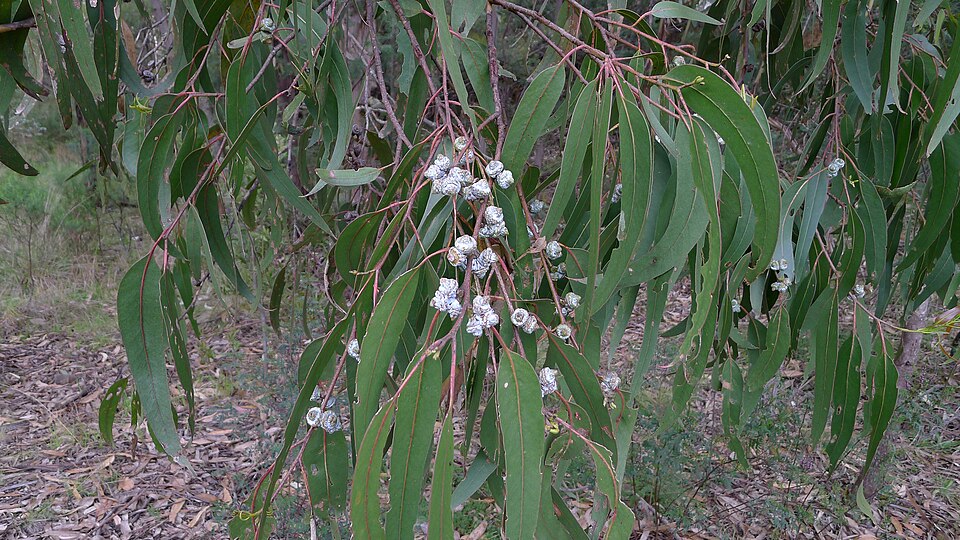
What is Eucalyptus?
Eucalyptus globulus, the Tasmanian blue gum, is a fast-growing tree native to south-eastern Australia and now planted worldwide. Its blue-grey leaves are rich in an essential oil dominated by 1,8-cineole (also called eucalyptol), which gives eucalyptus its sharp, medicinal smell. Aboriginal Australians used the leaves for fevers, wounds and aches, and the distilled oil became a staple of colonial medicine chests and, later, cough sweets and chest rubs.
The best evidence is for cineole itself: purified, enteric-coated cineole capsules — a regulated medicine in some European countries, not essential oil — reduced symptoms of acute bronchitis and sinusitis in several trials. Inhaling eucalyptus vapour makes many people feel less blocked, although it does not actually shrink swollen nasal tissue. The oil is toxic if swallowed and must be kept away from children and pets.
Benefits & uses
Feeling of clearer breathing
The cooling vapour stimulates cold receptors in the nose, so airflow feels easier. The effect is mostly a sensation rather than real decongestion, but it can make a blocked nose more bearable.
Chest rubs and steam
In one trial in coughing children aged 2 and over, a menthol, camphor and eucalyptus rub improved parents' ratings of cough and sleep compared with no treatment. Steam inhalation is a long-standing, soothing tradition.
Bronchitis and sinusitis (cineole medicine)
Purified cineole capsules reduced symptoms and shortened recovery in several European trials. These are dosed, regulated products — never a reason to swallow eucalyptus oil.
Muscle and joint aches
Diluted eucalyptus oil is a common ingredient in warming rubs for sore muscles. The benefit comes mostly from the counter-irritant sensation and the massage.
Antimicrobial activity
Eucalyptus oil kills many bacteria and fungi in the lab, which is why it appears in mouthwashes and cleaning products. It is not a substitute for antibiotics or antiseptics prescribed for infections.
How to use it
Steam inhalation (adults)
Add 2–3 drops of oil to a bowl of hot, not boiling, water. Lean over with a towel, eyes closed, and breathe gently for 5–10 minutes. Not for children — a tipped bowl of hot water causes scalds.
Chest rub
Use a ready-made rub, or dilute the oil to about 1–2% (1–2 drops in a teaspoon of carrier oil) for adults. Apply to the chest and back, not the face or nostrils.
Diffuser
A few drops in a diffuser for short periods in a ventilated room. Keep pets out of the room and avoid it around babies.
Shower
Hang a bunch of fresh eucalyptus leaves in the shower; the steam releases a gentle scent.
Cineole capsules
Where available as a licensed medicine, take exactly as directed on the pack. This is the only form intended for swallowing.
⚠️ Precautions
- Toxic if swallowed: even a small amount of eucalyptus oil — a teaspoon or less for a young child — can cause vomiting, drowsiness, seizures and breathing problems. Keep bottles locked away and call a poison centre or emergency services immediately if any is swallowed.
- Infants and young children: never apply eucalyptus oil or rubs on or near a baby's or young child's face or nose. It can trigger spasms of the airway and breathing difficulties. Most products are not for children under 2 — check the label.
- Pets: eucalyptus oil is toxic to cats and dogs if licked or absorbed, and diffused oil can affect cats. Keep oils and diffusers well away from pets.
- Always dilute before applying to skin; undiluted oil can burn or cause rashes. Keep away from eyes.
- Asthma: strong vapours can trigger wheezing in some people with asthma.
- Pregnancy and breastfeeding: do not take eucalyptus oil internally. Occasional diluted use on the skin or inhalation is generally considered low-risk, but ask your midwife or doctor.
- Medication interactions: cineole may speed up liver enzymes that break down some drugs. If you take regular medication, ask a pharmacist before using cineole capsules.
This is general information, not medical advice — check with a health professional before using Eucalyptus to treat a condition or alongside medication.
Frequently asked questions
Is eucalyptus tea safe?
Small amounts of tea made from dried leaves are used traditionally, and the leaves are far less concentrated than the oil. But never add eucalyptus oil to drinks, and avoid the tea in children and pregnancy.
Can I put eucalyptus oil in my baby's bath or cot?
No. Eucalyptus oil should not be used on or near babies' faces, and baths and cots are close enough to cause breathing problems. Ask a pharmacist about safe options for infant congestion.
Why don't koalas get poisoned?
Koalas have specialised liver enzymes and gut bacteria that break down the toxic compounds in eucalyptus leaves. Humans, cats and dogs do not.
Comments