
What is Mullein?
Common mullein is a striking biennial of dry banks and waste ground in Europe and Asia, now naturalised across North America. In its first year it makes a rosette of thick, soft, flannel-like leaves; in its second it sends up a spike up to two metres tall, studded with yellow flowers. The dried stalks were once dipped in tallow and burned as torches, earning names like hag's taper and candlewick plant. Leaves and flowers contain mucilage, saponins and iridoid glycosides.
Mullein has a long history as a remedy for coughs and chest complaints, and its flower oil is a traditional remedy for earache. Modern evidence is thin: lab studies show soothing, anti-inflammatory and antiviral activity, but there are essentially no good trials of mullein tea for coughs. It is a gentle traditional remedy rather than a proven treatment.
Benefits & uses
Soothes dry, irritating coughs
The traditional use. The mucilage coats an irritated throat, and the saponins were thought to loosen phlegm. Plausible and long-used, but not tested in proper clinical trials.
Eases throat irritation
A warm, well-strained tea is a mild, comforting drink during colds, much like other mucilage-rich herbs.
Traditional ear oil
Mullein flowers infused in olive oil are a folk remedy for earache. One small trial of herbal ear drops containing mullein alongside other herbs found they eased ear pain in children about as well as standard anaesthetic drops, but ear pain in children should still be checked by a doctor.
Antiviral activity in the lab
Extracts have shown activity against influenza and herpes viruses in test tubes. There is no evidence this happens in people drinking the tea.
How to use it
Tea (strain well)
1–2 tsp dried leaf or flowers per cup of just-boiled water, covered, 10–15 minutes. Strain through a coffee filter or fine cloth, not just a tea strainer — the tiny hairs on the leaves can irritate your throat. Up to 3 cups daily.
Flower tea
The yellow flowers make a milder, slightly sweet tea with fewer hairs. Still strain carefully.
Ear oil
Ready-made mullein flower oil: a few drops, warmed to body temperature, in the affected ear. Only use it if the eardrum is known to be intact — see precautions.
In blends
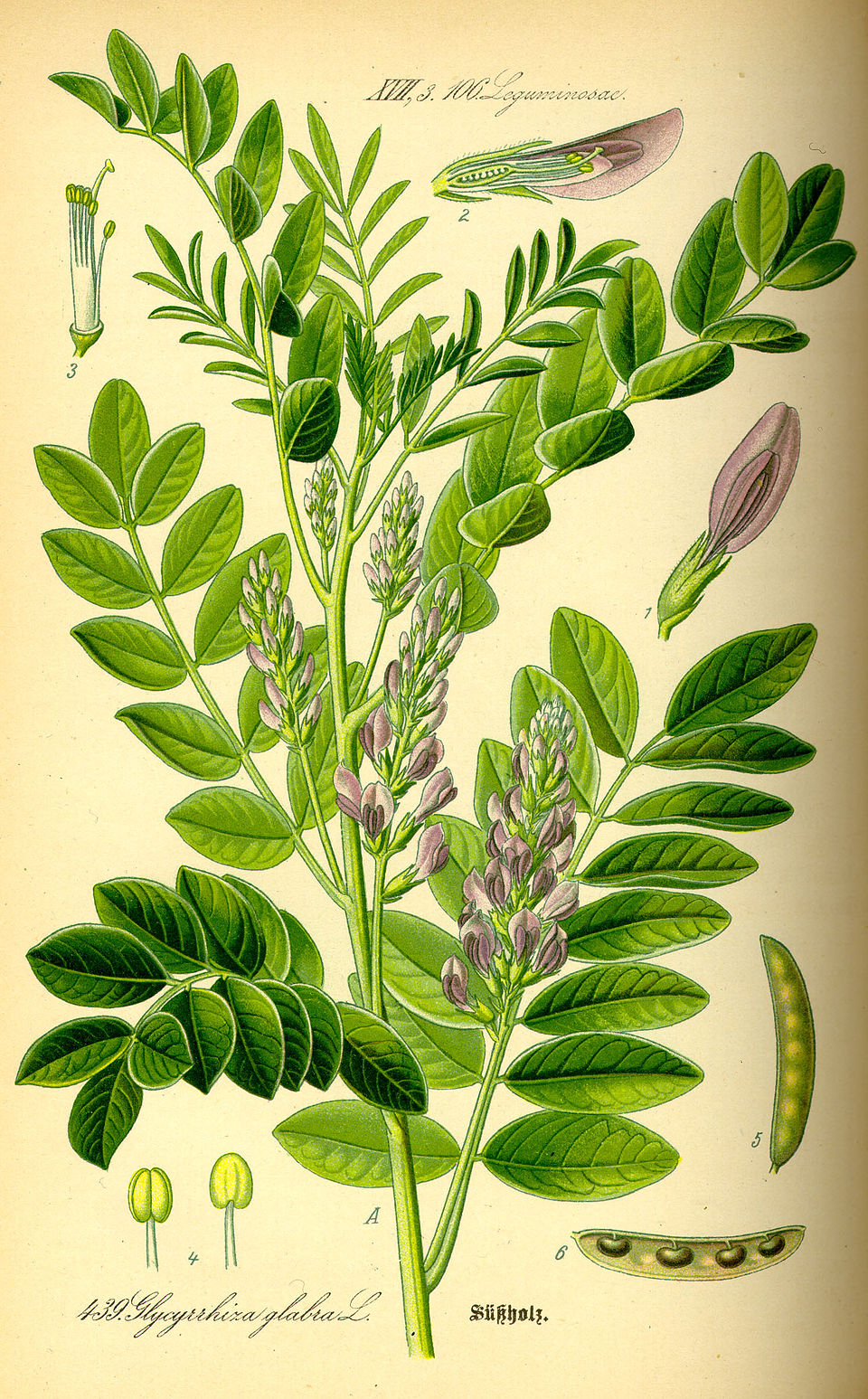
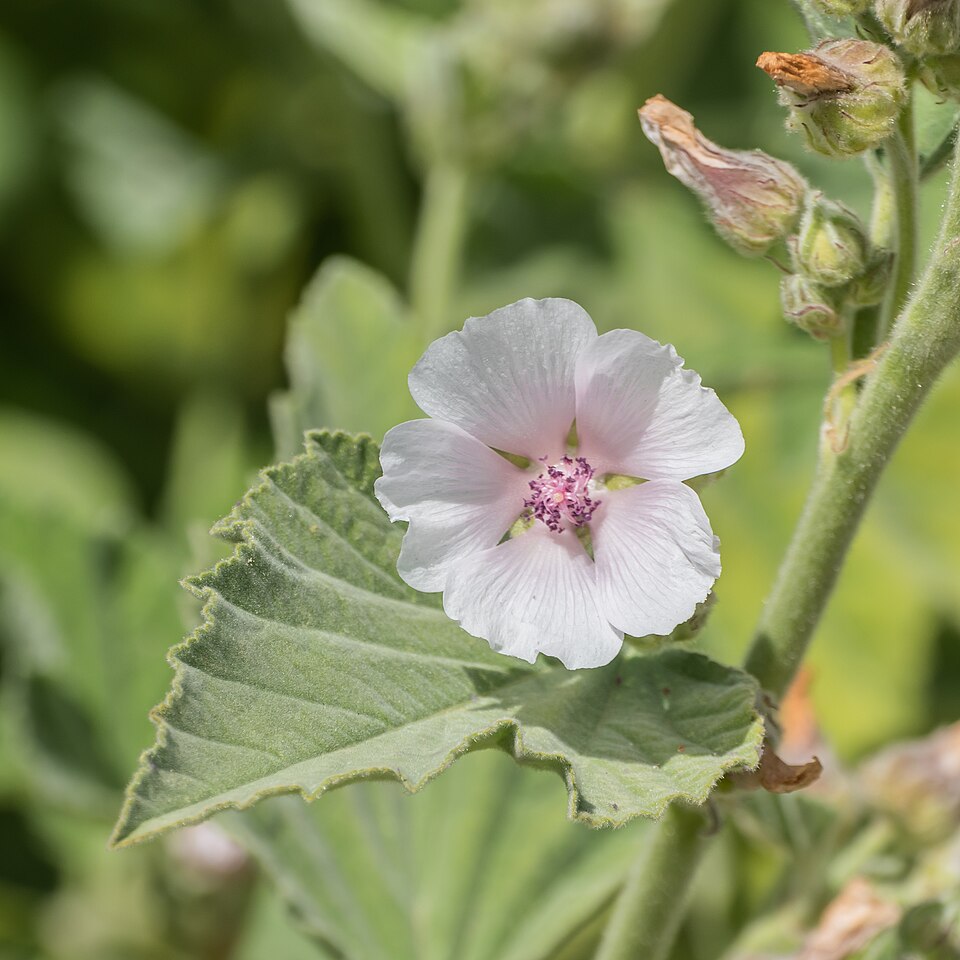
Often combined with thyme, marshmallow root or liquorice in traditional cough teas.
⚠️ Precautions
- Always strain tea very finely — the leaf hairs can scratch and irritate the throat, causing coughing rather than easing it.
- Never put oil or drops in the ear if there is discharge, a suspected burst eardrum, grommets, or if the pain follows an injury. Ear pain with fever in a child needs medical assessment.
- Do not use the seeds: they contain compounds that are toxic and were historically used to stun fish.
- Pregnancy and breastfeeding: there is no safety data, so avoid it or ask a doctor first.
- The leaf hairs can cause skin irritation when handled, and allergies are possible.
- Smoking mullein, sometimes promoted as a "lung cleanser", still sends smoke and particles into your lungs. It is not a healthy habit.
This is general information, not medical advice — check with a health professional before using Mullein to treat a condition or alongside medication.
Frequently asked questions
Does mullein "clean" the lungs?
No. It is a traditional soothing remedy for coughs, but there is no evidence it detoxifies or clears the lungs. Your lungs clean themselves; not smoking is what helps them most.
Can I pick my own?
Yes — it is easy to recognise by its big, soft, woolly leaves and tall yellow spike. Pick away from busy roads and sprayed verges, and dry the leaves thoroughly.
When should a cough see a doctor?
If it lasts more than three weeks, or comes with breathlessness, chest pain, high fever or coughing up blood. No herbal tea should delay that.

Comments