Plant guides
8 plant(s) tagged “tea”, each covered the same way: what it is, its benefits, how to use it, and its precautions.
All Adaptogen 6 Allergies 1 Anti-inflammatory 3 Antioxidant 16 Aromatherapy 3 Blood pressure 4 Blood sugar 4 Calm 5 Colds 6 Digestion 20 Energy 4 Eyes 2 First aid 6 Focus 6 Food plant 14 Gut health 2 Headache 2 Heart 9 Hormones 2 Immune 8 Joints 3 Kitchen spice 19 Kitchen staple 1 Lactation 2 Liver 2 Memory 6 Menstrual 2 Mood 2 Mushroom 6 Nausea 1 Respiratory 6 Skin 6 Sleep 6 Stress 5 Tea 8 Urinary 3
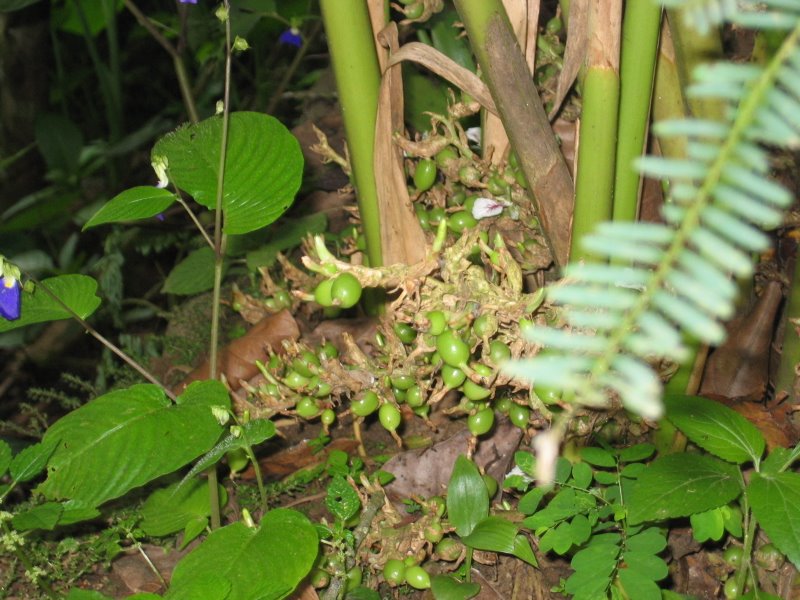
Cardamom
Elettaria cardamomum
Little green pods of sweet, eucalyptus-bright perfume — the soul of chai, Arabic coffee and Scandinavian buns.
Read the guide →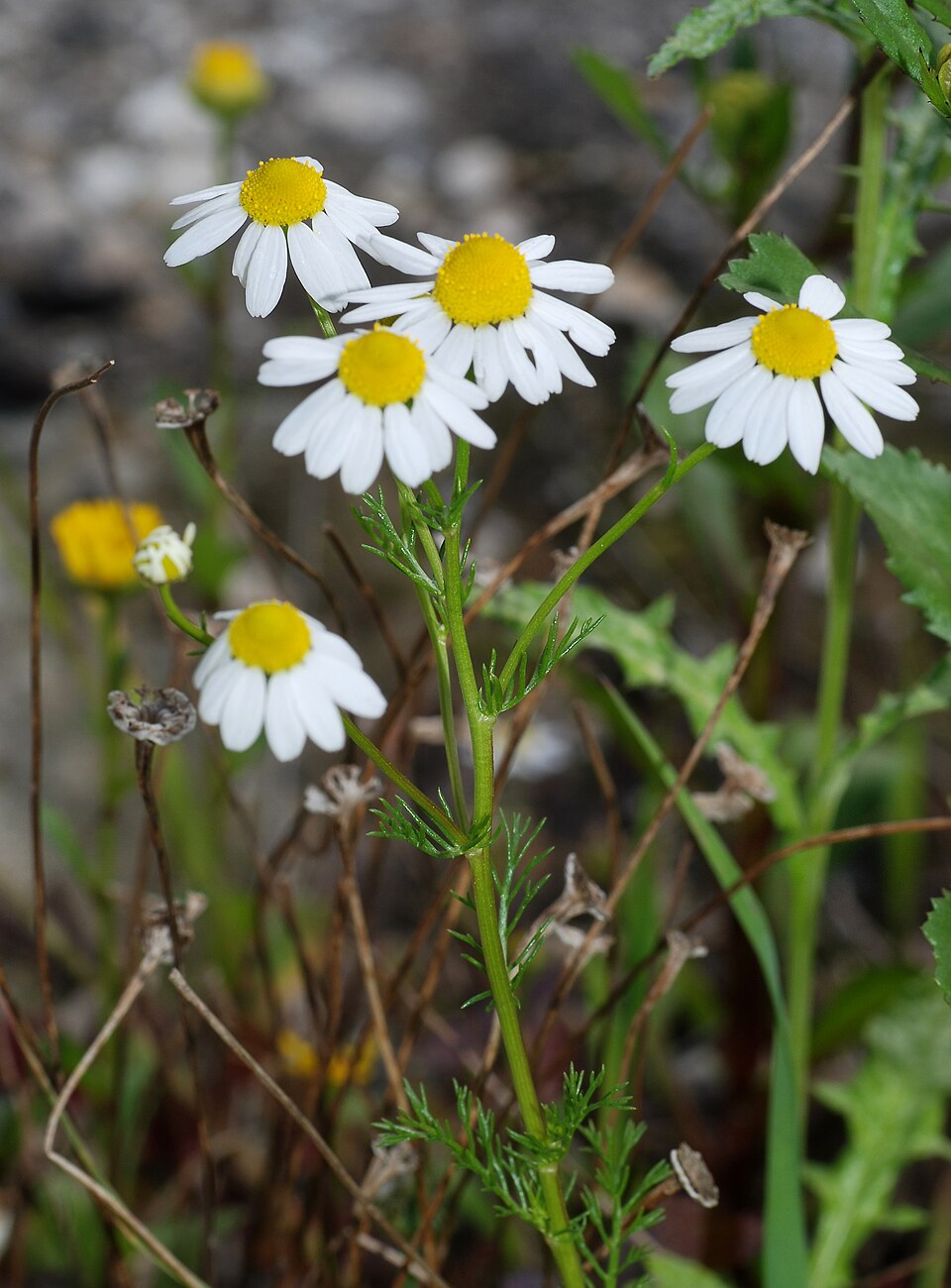
Chamomile
Matricaria chamomilla
The gentle daisy that became the world's bedtime tea.
Read the guide →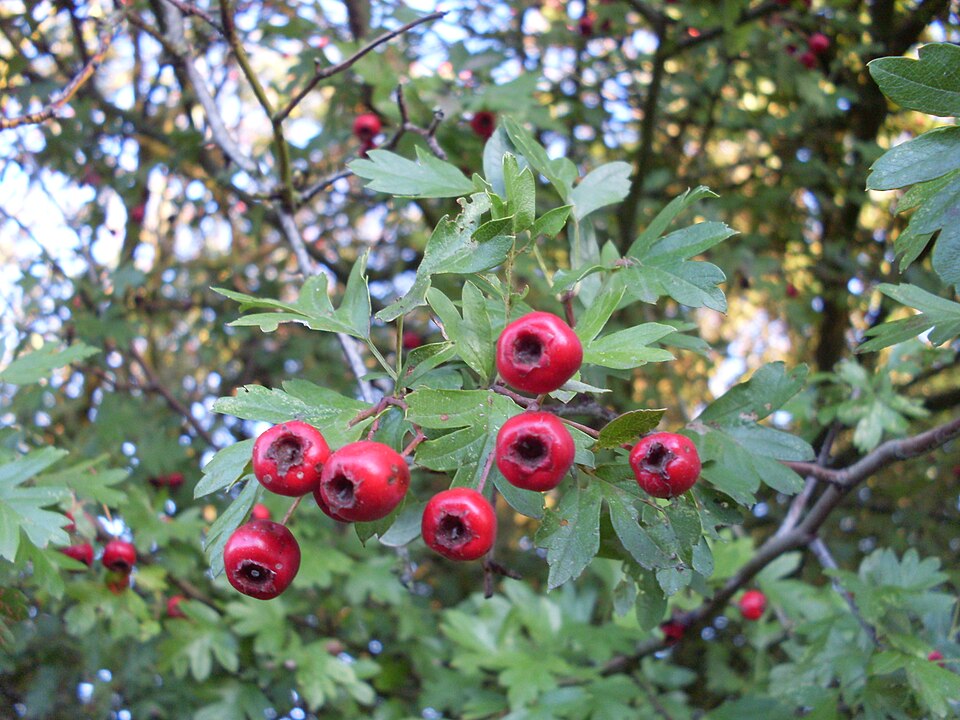
Hawthorn
Crataegus monogyna
The May-blossom hedge tree whose flowers, leaves and red haws are Europe's traditional heart tonic — gentle, slow and worth discussing with your doctor.
Read the guide →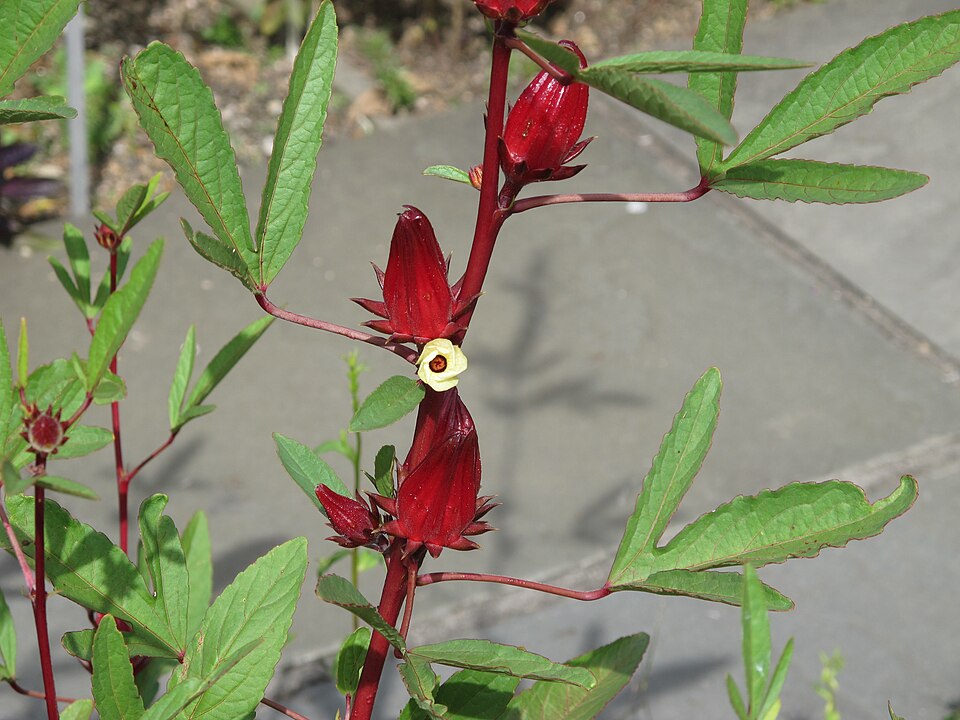
Hibiscus
Hibiscus sabdariffa
The crimson, cranberry-tart tea of Egypt and Mexico — with blood-pressure evidence strong enough to surprise cardiologists.
Read the guide →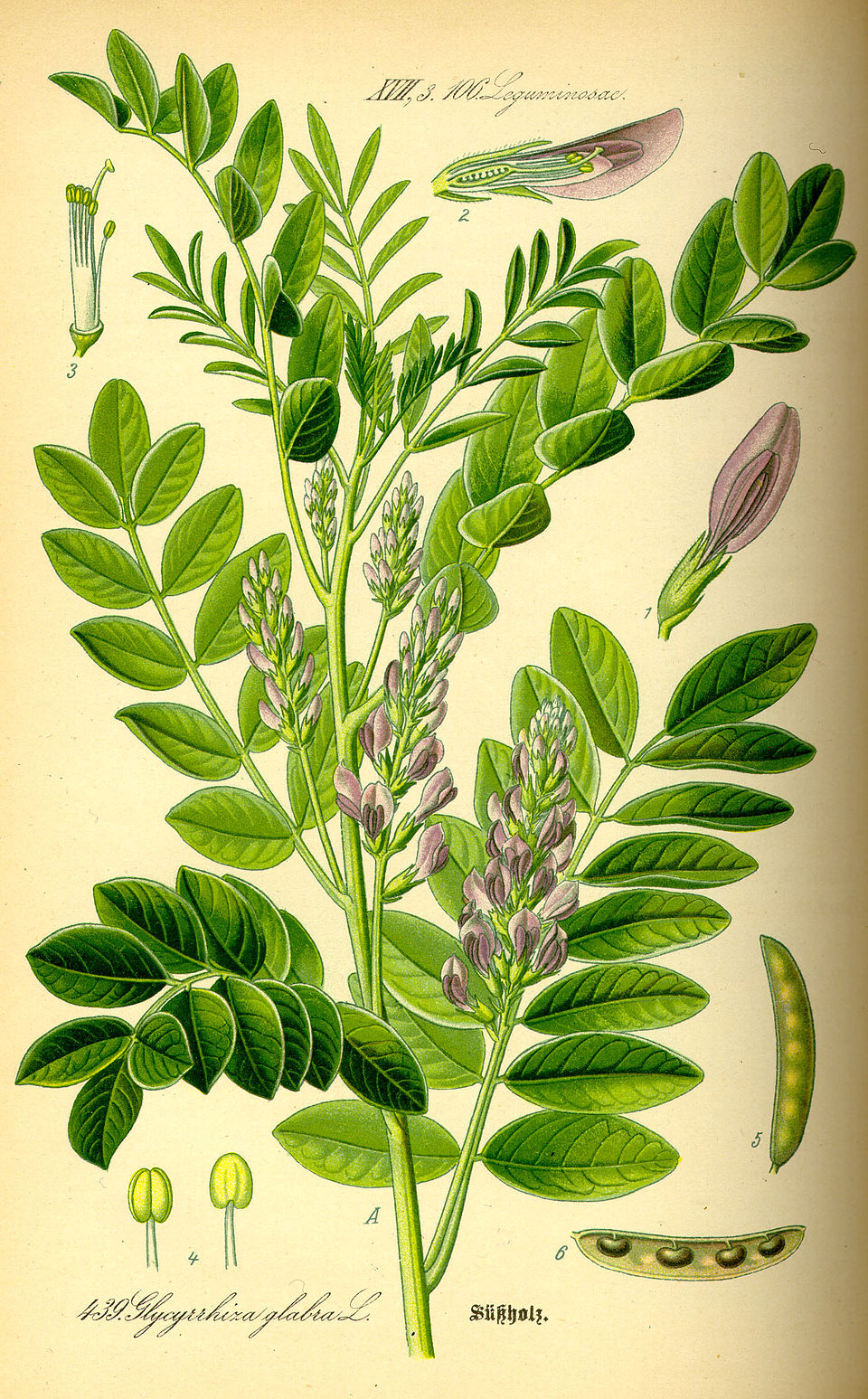
Licorice Root
Glycyrrhiza glabra
An intensely sweet root (its key compound is some fifty times sweeter than sugar) that soothes throats and stomachs — and quietly raises blood pressure if you overdo it.
Read the guide →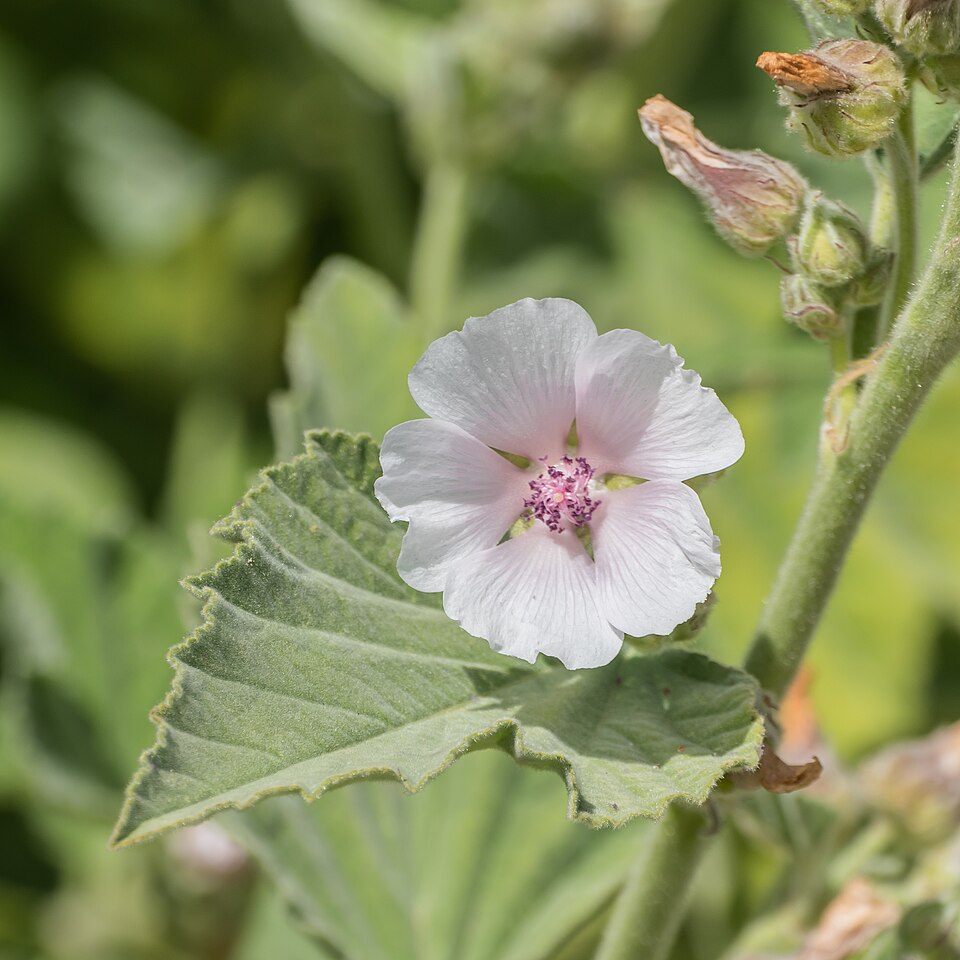
Marshmallow Root
Althaea officinalis
The original marshmallow — a slippery, soothing root for scratchy throats and dry coughs, best made with cold water.
Read the guide →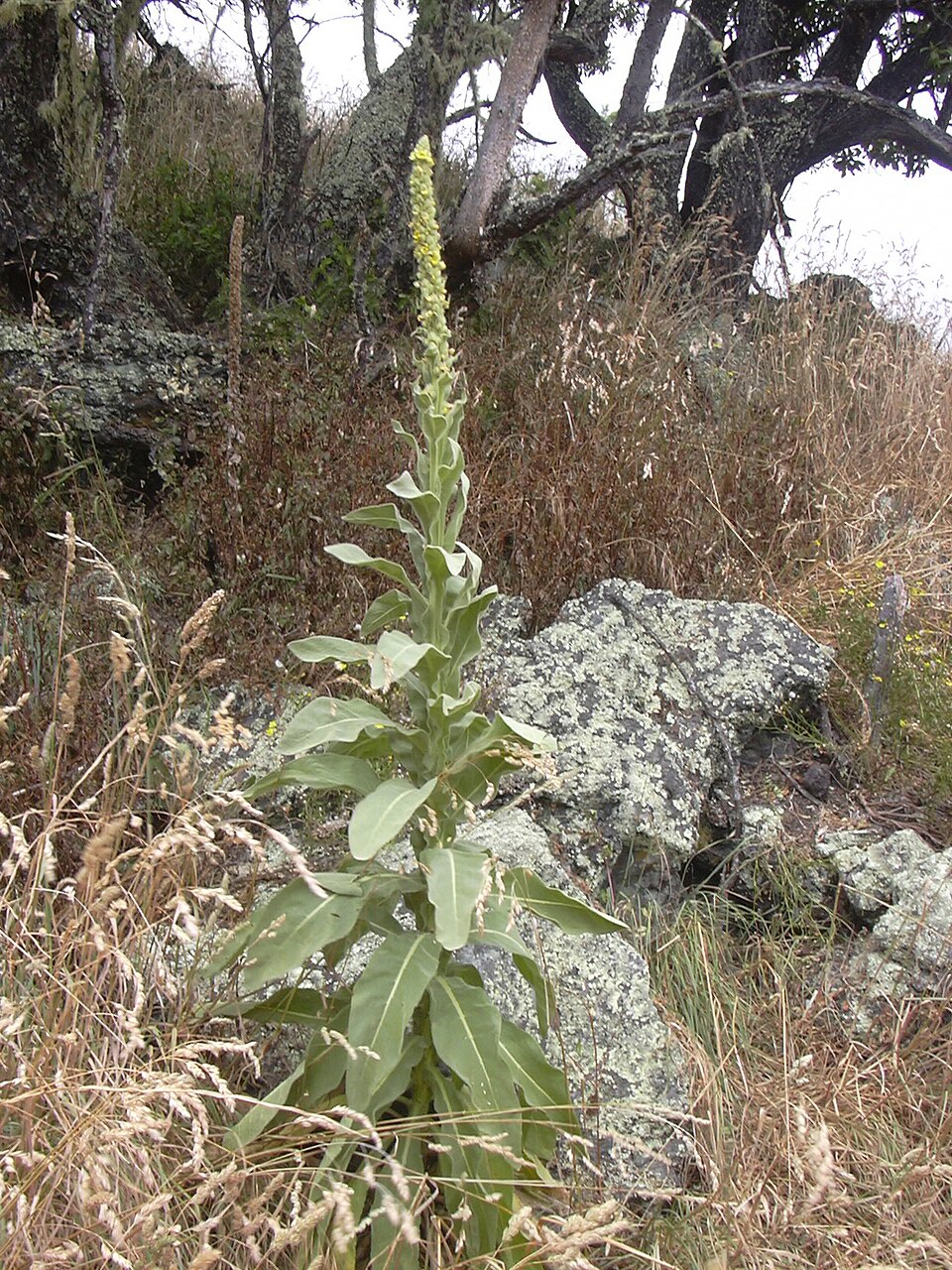
Mullein
Verbascum thapsus
The towering, velvet-leaved roadside torch plant — a traditional cough tea, as long as you strain out its itchy hairs.
Read the guide →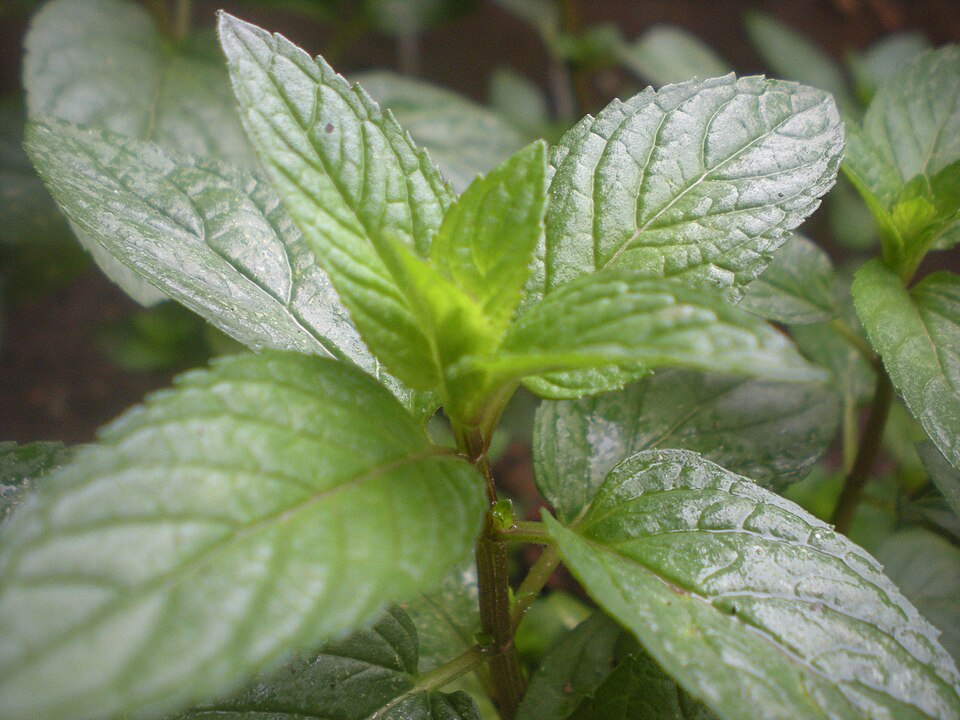
Peppermint
Mentha × piperita
A vigorous garden mint whose oil is one of the best-evidenced herbal treatments for IBS.
Read the guide →