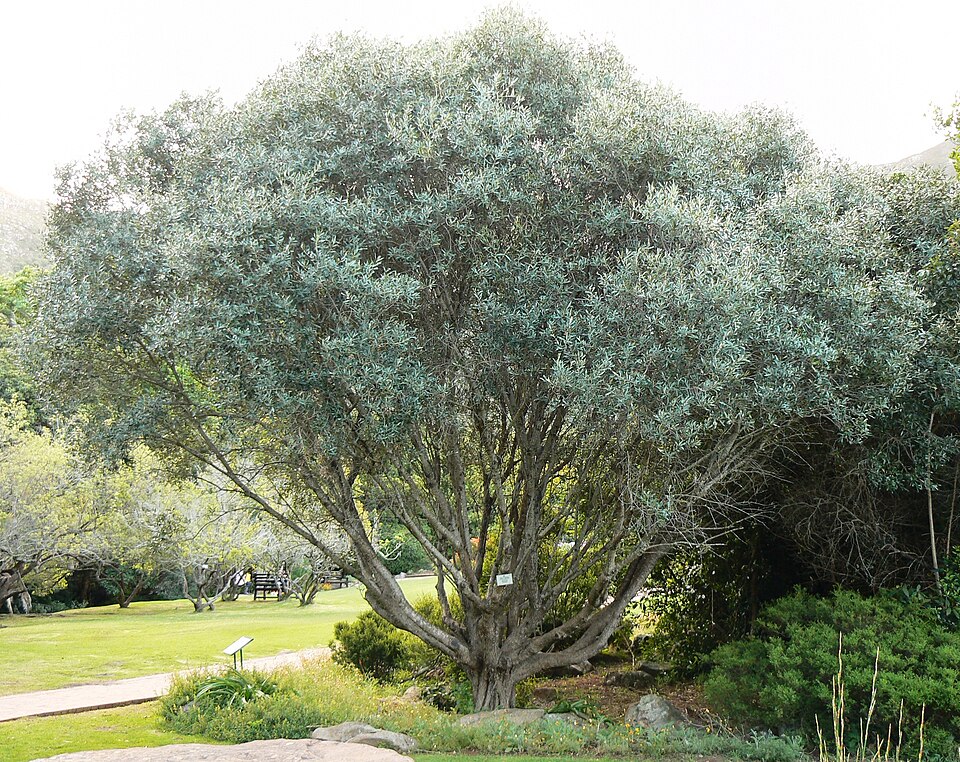
What is Olive Leaf?
The olive tree has fed and healed the Mediterranean for thousands of years, and while the fruit and oil get the fame, its leathery silver-green leaves have their own long folk history as a bitter tea for fevers and "strengthening the heart". The leaves are the richest source of oleuropein, the bitter polyphenol that also flavours unripe olives, along with hydroxytyrosol and other antioxidant compounds.
Modern research is promising but modest. A handful of small human trials found that olive leaf extract lowered blood pressure in people with mildly raised readings, and a few suggest small improvements in blood sugar control and cholesterol. The studies are short and few, so olive leaf is best seen as a gentle, well-tolerated supplement rather than a proven therapy — and one that needs care if you already take blood-pressure medicine.
Benefits & uses
May gently lower blood pressure
In small placebo-controlled and comparison trials, around 1,000 mg of olive leaf extract daily lowered blood pressure in people with mild hypertension over several weeks. Larger, longer studies are still needed.
Possible help with blood sugar
A few small trials suggest olive leaf extract may modestly improve insulin sensitivity and fasting blood sugar. The evidence is early and does not replace diabetes treatment.
Antioxidant polyphenols
Oleuropein and hydroxytyrosol are potent antioxidants in the lab and are part of why the Mediterranean diet is so well studied. Whether leaf extract adds much beyond olive oil and olives in the diet is unclear.
Cholesterol and heart markers
Some studies have seen small improvements in LDL cholesterol and blood-vessel function. Results are inconsistent, so treat this as a possible bonus rather than a reason to take it.
Antimicrobial in the lab
Olive leaf extracts inhibit a range of bacteria and fungi in test tubes, which underlies its popularity in winter "immune" formulas. Human evidence for preventing or treating infections is lacking.
How to use it
Extract capsules
The studied form: 500 mg of standardised extract (often stated as a percentage of oleuropein) twice daily with food. Give it 6–8 weeks and track your readings.
Tea
1–2 tsp dried olive leaves per cup, steeped covered for 10 minutes. Expect a grassy, quite bitter brew; a slice of lemon or a little honey helps. 1–2 cups daily.
Liquid extract
Follow the label, commonly 5–10 ml daily in water or juice. Strong-tasting and more variable in strength than capsules.
Monitor your blood pressure
If you are using olive leaf for blood pressure, check your readings at home before and during use so you and your doctor can see whether it is doing anything.
⚠️ Precautions
- Blood-pressure medicines: olive leaf may add to their effect and push blood pressure too low, causing dizziness or fainting. Only use it as an add-on with your doctor's knowledge and regular monitoring.
- Diabetes medicines: because it may lower blood sugar, combining it with insulin or tablets could raise the risk of hypoglycaemia; check your levels and speak to your doctor.
- Pregnancy and breastfeeding: there is not enough safety data on concentrated extracts, so avoid them unless advised by a doctor.
- Allergy: people with olive pollen allergy (common in Mediterranean regions) may react to olive leaf products.
- Side effects are usually mild — stomach upset, headache or dizziness. High doses have no established safety record, so stick to label amounts.
This is general information, not medical advice — check with a health professional before using Olive Leaf to treat a condition or alongside medication.
Frequently asked questions
Is olive leaf extract the same as olive oil?
No. Both contain olive polyphenols, but leaf extract is far richer in oleuropein, while olive oil is mainly fat with smaller amounts of polyphenols. Extra virgin olive oil has much stronger evidence for heart health as part of the diet.
Can I stop my blood-pressure tablets if I take olive leaf?
No. The evidence is small and short-term. Never stop or change prescribed medication without talking to your doctor.
Why is it so bitter?
That bitterness is oleuropein — the main active compound. A tea that tastes of almost nothing is probably old or weak.
Comments