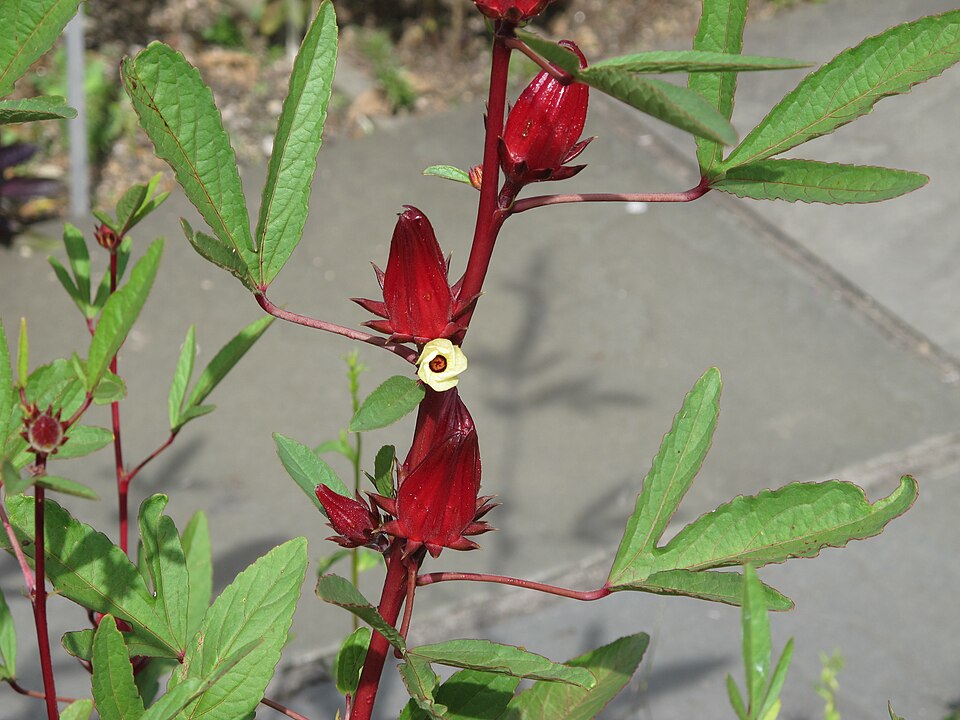
What is Hibiscus?
Hibiscus tea — karkadé in Egypt, agua de jamaica in Mexico, sorrel in the Caribbean — is brewed from the deep-red calyces of the roselle plant. It's been the refreshment of choice across hot climates for centuries: intensely tart (natural fruit acids), vividly crimson (anthocyanins) and delicious hot or iced.
Then it turned out the folk drink is genuinely antihypertensive: multiple randomised trials and meta-analyses show 2–3 daily cups lower systolic blood pressure by roughly 7–10 mmHg in people with elevated readings — one trial found it comparable to a low-dose ACE inhibitor. For a caffeine-free beverage this is about as good as herbal cardiovascular evidence gets.
Benefits & uses
Lowers elevated blood pressure
The headline: pooled trials show meaningful systolic reductions with 2–3 cups daily for 4–6 weeks. Anthocyanins and hibiscus acids act as mild natural ACE inhibitors and diuretics.
Improves lipid profile modestly
Several trials found lower LDL and triglycerides with regular consumption, likely via the same polyphenols.
Antioxidant-dense and caffeine-free
Among the highest antioxidant scores of any common beverage; a genuinely healthy swap for soft drinks — the tartness satisfies the same craving.
Traditional cooling drink
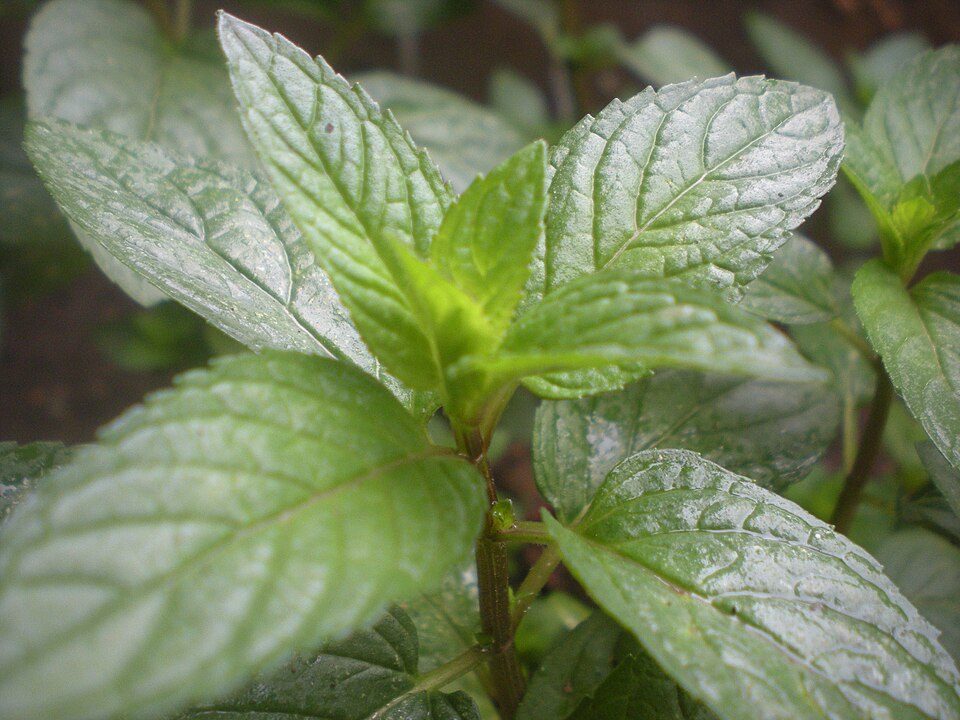
From Cairo to Oaxaca it's the hot-weather standard — iced, lightly sweetened, sometimes with mint, ginger or lime.
Mild diuretic tradition
Traditional use for water retention aligns with its measured mild diuretic effect.
How to use it
Hot tea
1–2 tsp dried calyces (or 1 bag) per cup, just-boiled water, 5–10 minutes. Ruby-red and tart; a little honey rounds it. For the studied blood-pressure effect: 2–3 cups daily, consistently.
Agua de jamaica (iced)
Simmer a generous ½ cup of calyces in 2 litres of water for 10 minutes, sweeten lightly while warm, chill over ice with lime. The house drink of Mexican summers.
Cold brew
Steep calyces in cold water overnight in the fridge — smoother, less puckery, same colour drama.
In the kitchen
The softened calyces are edible — Caribbean sorrel drinks at Christmas, Mexican jamaica tacos, syrups and cocktails.
⚠️ Precautions
- If you're on blood-pressure medication, regular hibiscus ADDS to it — monitor readings and involve your doctor rather than stacking blindly.
- The tartness is acidic: rinse your mouth after frequent consumption (enamel), and it can aggravate reflux in the sensitive.
- High doses may interact with hydrochlorothiazide (spacing doses is prudent) and, in animal data, with paracetamol clearance — normal tea amounts appear fine.
- Pregnancy: traditional sources advise against regular medicinal amounts; occasional glasses are widely consumed, but data is thin — err moderate.
- It can mildly lower blood sugar — one more reason diabetics should monitor when adding daily cups.
This is general information, not medical advice — check with a health professional before using Hibiscus to treat a condition or alongside medication.
Frequently asked questions
How fast does the blood-pressure effect appear?
Trials typically show separation from placebo at 2–6 weeks of daily drinking. It's a habit effect, not a dose effect — and it reverses if you stop.
Can it replace my blood-pressure medication?
No. It can complement lifestyle measures and sometimes reduce how much medication you need — but that adjustment is your doctor's call, based on readings.
Is garden hibiscus the same plant?
No — ornamental Hibiscus rosa-sinensis is a different species. Buy food-grade Hibiscus sabdariffa calyces (any Middle Eastern or Latin grocery has them cheaply).
Comments