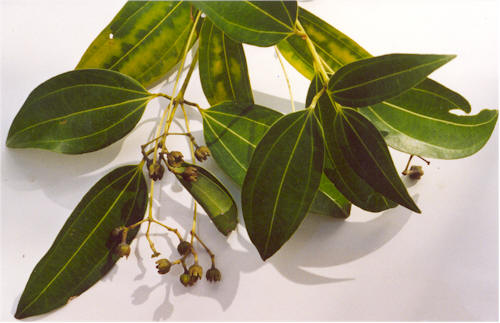
What is Cinnamon?
Cinnamon is the inner bark of tropical laurel-family trees, harvested in coiled quills and ground into the world's most familiar sweet spice. "True" or Ceylon cinnamon (Cinnamomum verum) is subtle and citrusy; most supermarket cinnamon is actually cassia (C. cassia), stronger, cheaper — and much higher in coumarin, which matters for daily users.
Modern interest centres on blood sugar: meta-analyses of trials in type 2 diabetes show cinnamon modestly lowers fasting glucose. The effect is real but small — a useful kitchen habit alongside treatment, never a replacement for it.
Benefits & uses
Modestly lowers blood sugar
Pooled trials in type 2 diabetes found reductions in fasting glucose around 10–25 mg/dL with 1–6 g daily. Cinnamon polyphenols appear to improve insulin sensitivity and slow stomach emptying.
Rich in antioxidants
Gram for gram, cinnamon out-scores most foods on antioxidant capacity; cinnamaldehyde and proanthocyanidins do the heavy lifting.
May help lipids slightly
The same trials often found small improvements in triglycerides and total cholesterol.
Antimicrobial tradition
Cinnamon oil inhibits bacteria and fungi in the lab — one reason it preserved foods along the spice routes; also the classic warming spice for winter drinks.
Makes less sugar taste like more
The practical benefit: cinnamon's sweet aroma lets you cut actual sugar in porridge, coffee and baking.
How to use it
Daily sprinkle
The studied intakes are roughly ½–2 teaspoons of powder a day — stirred into porridge, yogurt, coffee or smoothies. Use Ceylon cinnamon for everyday amounts (see precautions).
Quills in the pot
Simmer a whole quill in rice, stews, mulled drinks or chai; remove before serving. Whole bark keeps flavour far longer than powder.
Cinnamon tea
Simmer a quill (or 1 tsp powder) in a cup of water for 10 minutes; add honey. A warming after-dinner drink.
Buying right
Check the label or Latin name: "Ceylon" or C. verum for daily use. Cassia quills are one thick curl of bark; Ceylon quills are many thin papery layers.
⚠️ Precautions
- THE key caution: cassia cinnamon is high in coumarin, which can harm the liver at surprisingly modest daily doses (as little as 1 tsp daily for a small adult, long-term). For an everyday habit, use Ceylon cinnamon.
- Cinnamon supplements can add to diabetes medication — monitor glucose and involve your doctor.
- Cinnamon oil and excessive powder irritate the mouth and skin; never take the "cinnamon challenge" — inhaled powder can damage lungs.
- Normal culinary use is fine in pregnancy; supplement doses are not established as safe.
This is general information, not medical advice — check with a health professional before using Cinnamon to treat a condition or alongside medication.
Frequently asked questions
Ceylon vs cassia — how different are they really?
For flavour, moderately; for safety, substantially. Cassia can contain hundreds of times more coumarin. Occasional cassia is harmless; a daily-spoonful habit should be Ceylon.
Will cinnamon fix my blood sugar?
No. It nudges numbers usefully alongside diet, exercise and medication — think "helpful habit", not treatment.
Does cinnamon lose potency?
Ground cinnamon fades within 6–12 months. Whole quills keep for years — grind as needed.
Comments