Plant guides
19 plant(s) tagged “kitchen-spice”, each covered the same way: what it is, its benefits, how to use it, and its precautions.
All Adaptogen 6 Allergies 1 Anti-inflammatory 3 Antioxidant 16 Aromatherapy 3 Blood pressure 4 Blood sugar 4 Calm 5 Colds 6 Digestion 20 Energy 4 Eyes 2 First aid 6 Focus 6 Food plant 14 Gut health 2 Headache 2 Heart 9 Hormones 2 Immune 8 Joints 3 Kitchen spice 19 Kitchen staple 1 Lactation 2 Liver 2 Memory 6 Menstrual 2 Mood 2 Mushroom 6 Nausea 1 Respiratory 6 Skin 6 Sleep 6 Stress 5 Tea 8 Urinary 3
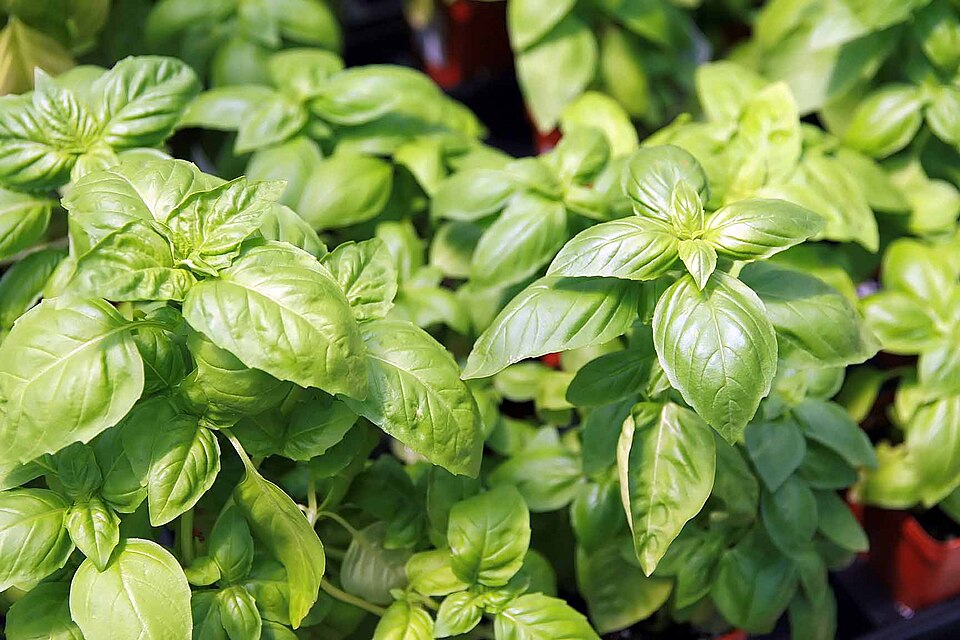
Basil
Ocimum basilicum
The sweet, clove-and-anise scented leaf of summer — at its best torn fresh over tomatoes and never cooked for long.
Read the guide →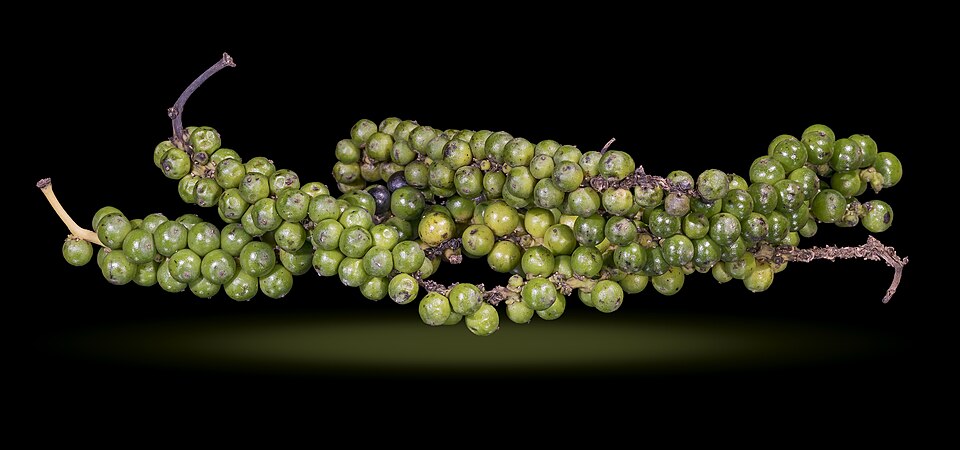
Black Pepper
Piper nigrum
The king of spices, best ground fresh at the table — and a quiet booster of how much of some nutrients and drugs your body absorbs.
Read the guide →
Cardamom
Elettaria cardamomum
Little green pods of sweet, eucalyptus-bright perfume — the soul of chai, Arabic coffee and Scandinavian buns.
Read the guide →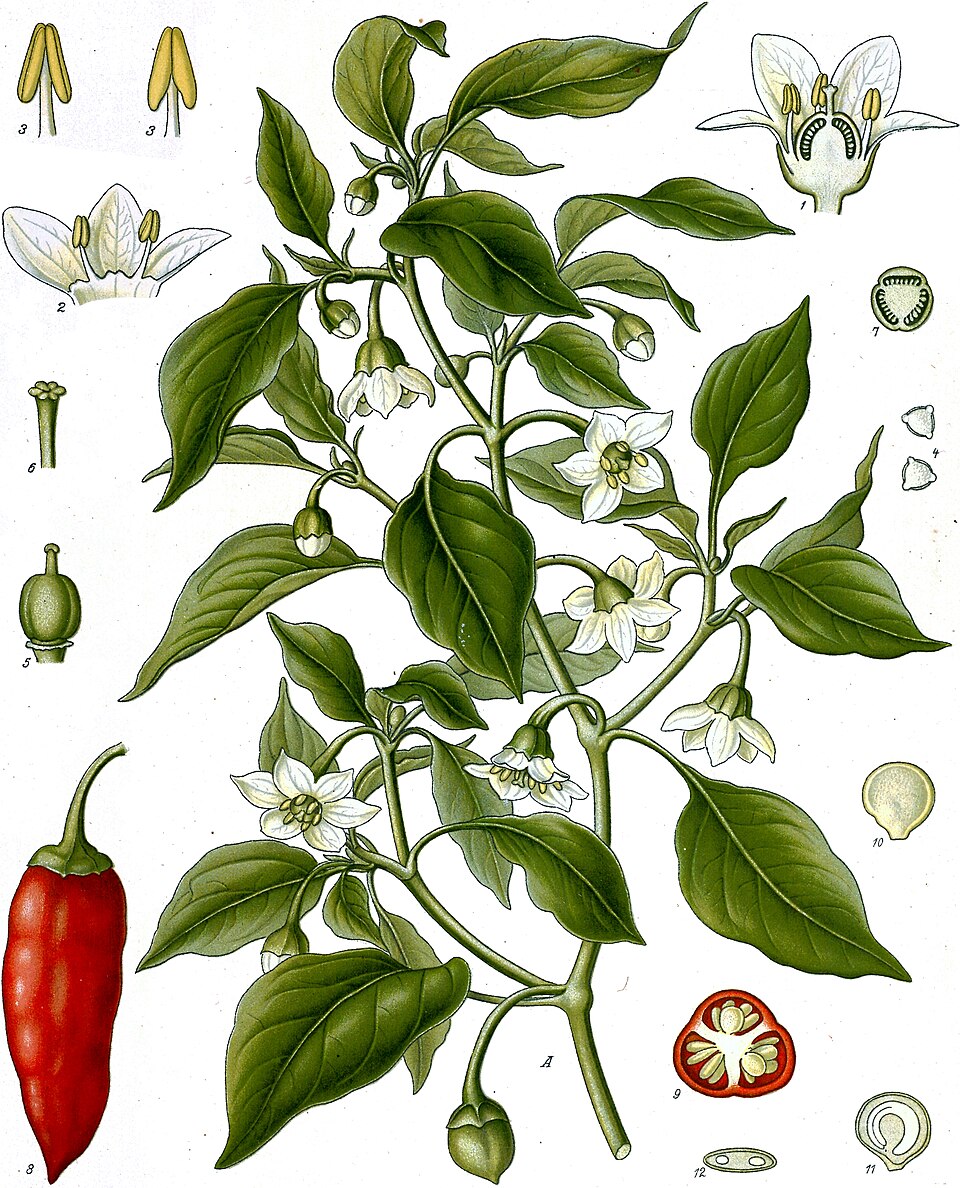
Cayenne
Capsicum annuum
The fiery red pepper whose burn is also a painkiller — rubbed on as a cream, it quietens overactive nerves.
Read the guide →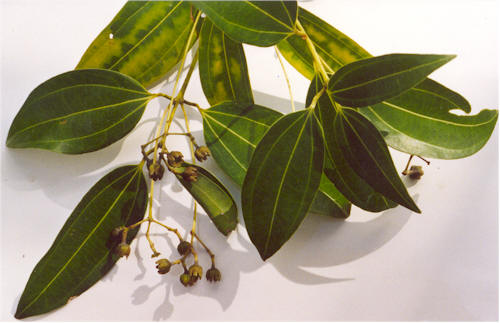
Cinnamon
Cinnamomum verum
The bark that launched trade empires — with a genuine but modest effect on blood sugar, and one important safety catch.
Read the guide →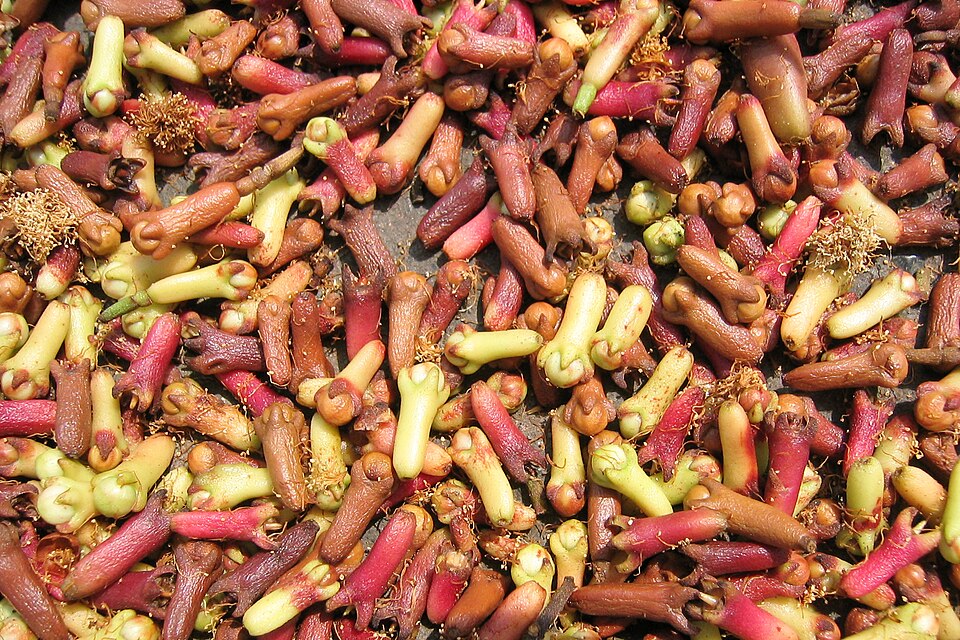
Clove
Syzygium aromaticum
Fiercely aromatic dried flower buds that warm mulled wine and gingerbread — and numb an aching tooth in a pinch.
Read the guide →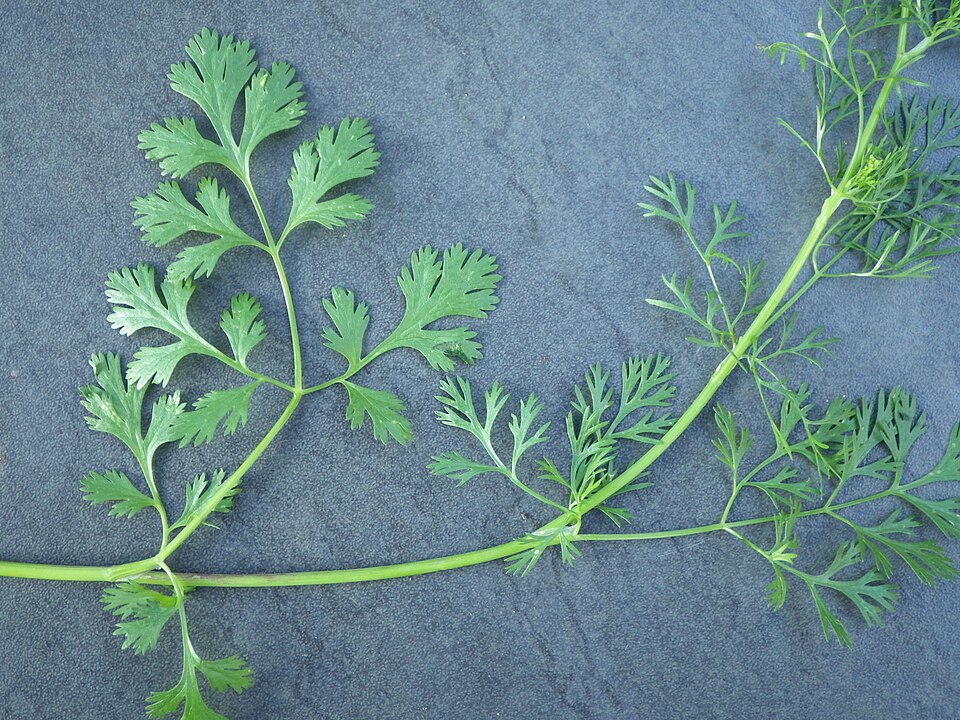
Coriander / Cilantro
Coriandrum sativum
One plant, two kitchens: bright citrusy leaves that some people swear taste of soap, and warm seeds that soothe a bloated belly.
Read the guide →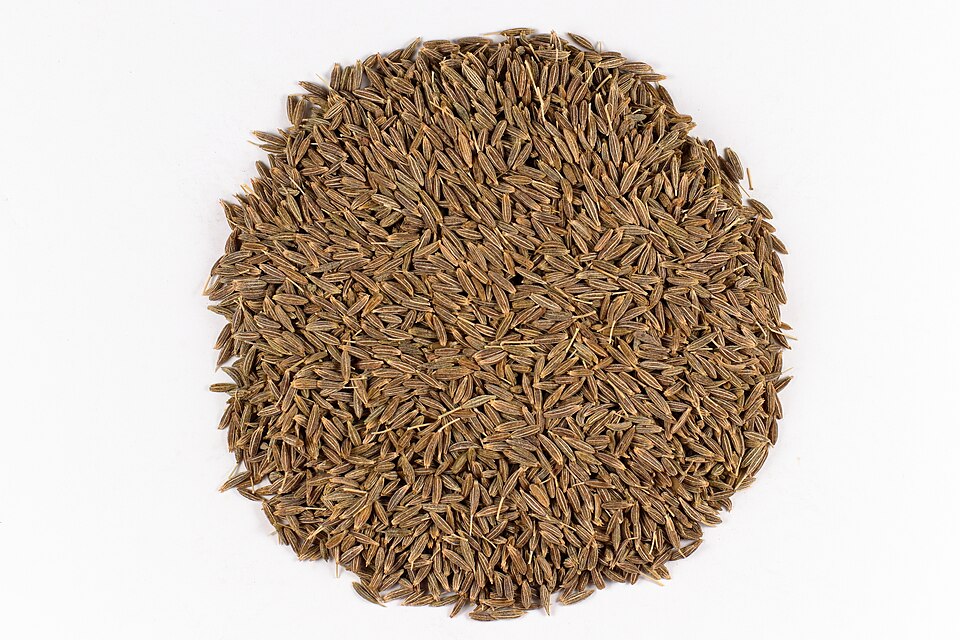
Cumin
Cuminum cyminum
The warm, earthy seed behind curries, chilli and falafel — best bloomed in hot oil until it crackles and smells toasty.
Read the guide →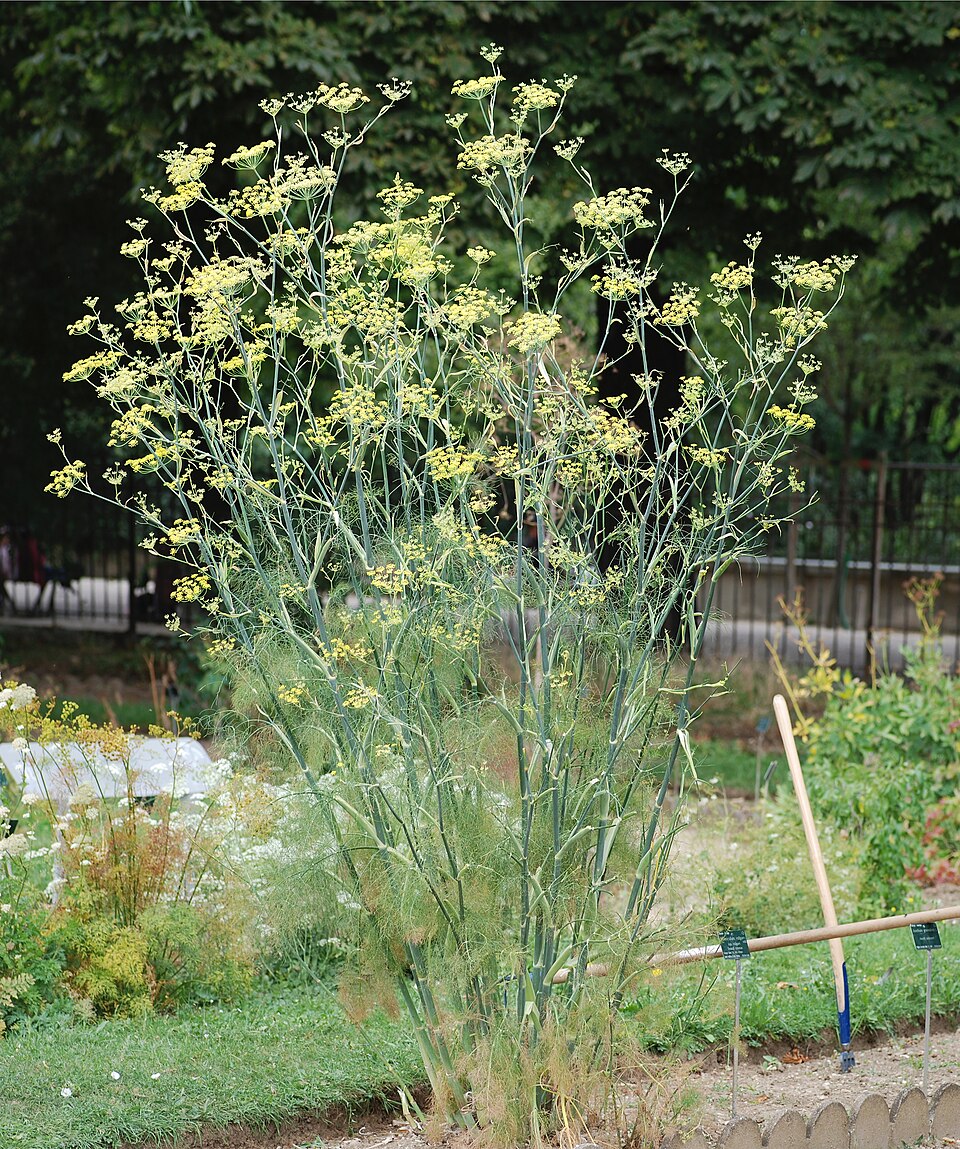
Fennel
Foeniculum vulgare
Crisp aniseed bulb, feathery fronds and sweet digestive seeds — one plant that covers salad, spice rack and after-dinner tea.
Read the guide →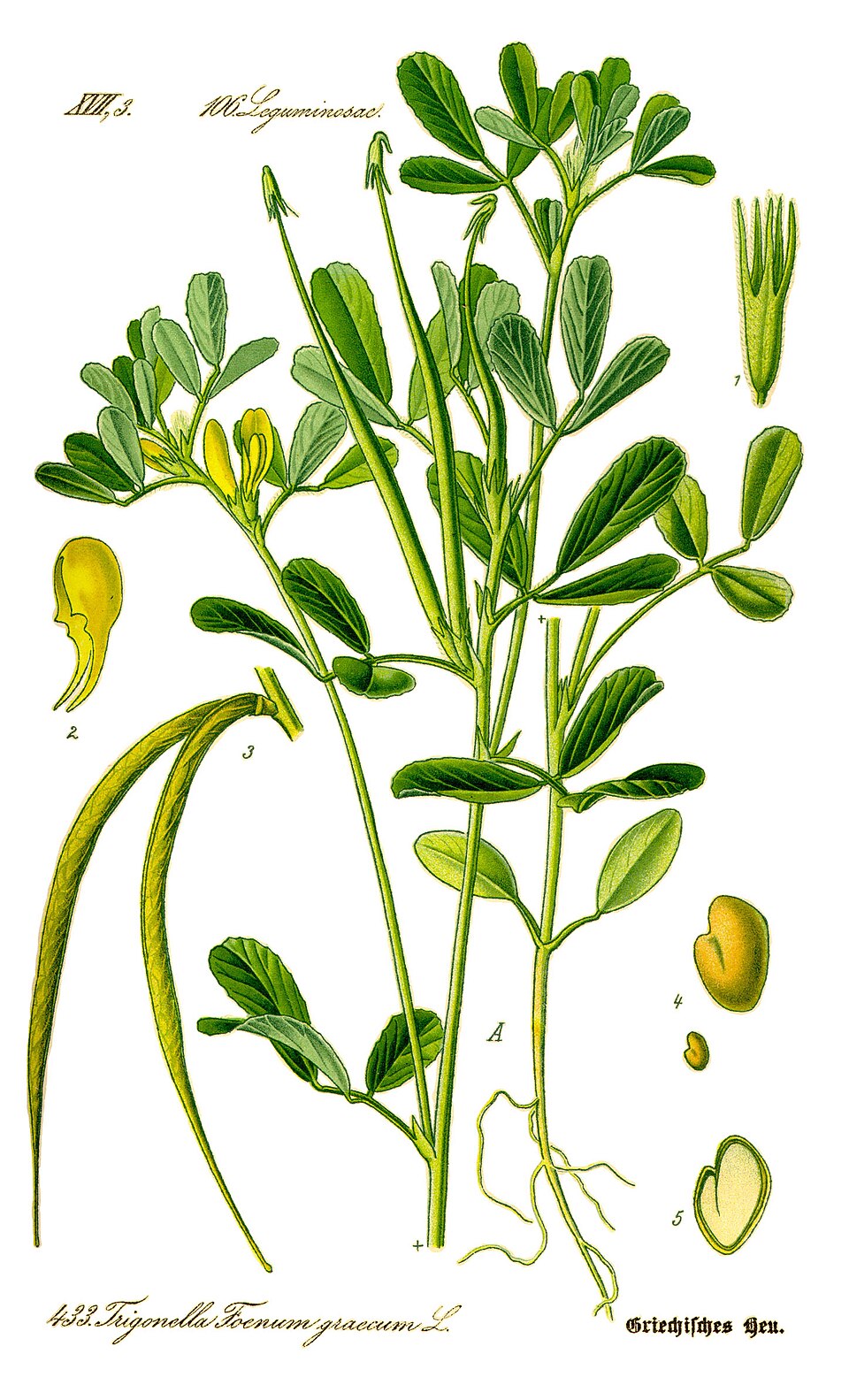
Fenugreek
Trigonella foenum-graecum
The maple-scented seed of curry blends — studied for blood sugar, cholesterol and milk supply, and famous for making you smell faintly of syrup.
Read the guide →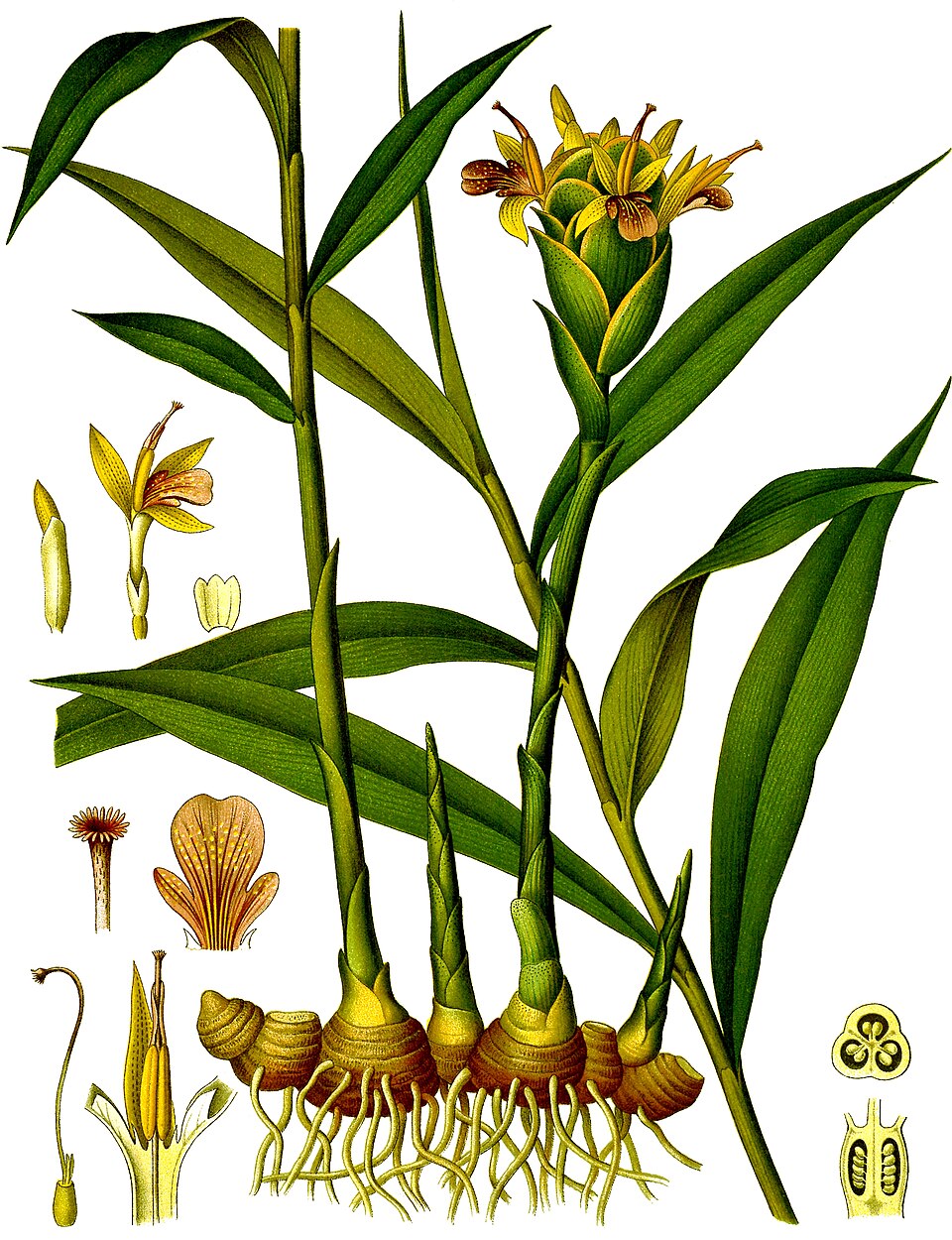
Ginger
Zingiber officinale
The world's most trusted remedy for a queasy stomach, with the clinical trials to back it up.
Read the guide →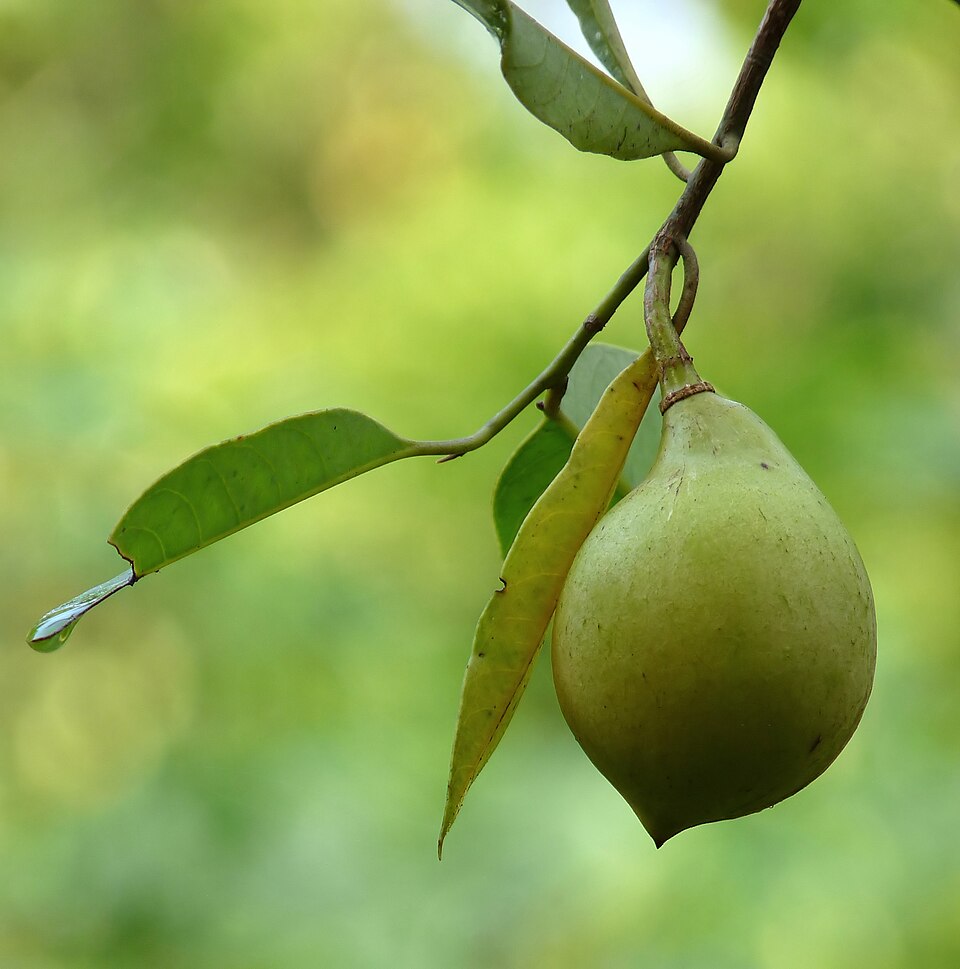
Nutmeg
Myristica fragrans
The warm, sweet spice that once caused wars — lovely by the pinch, genuinely poisonous by the spoonful.
Read the guide →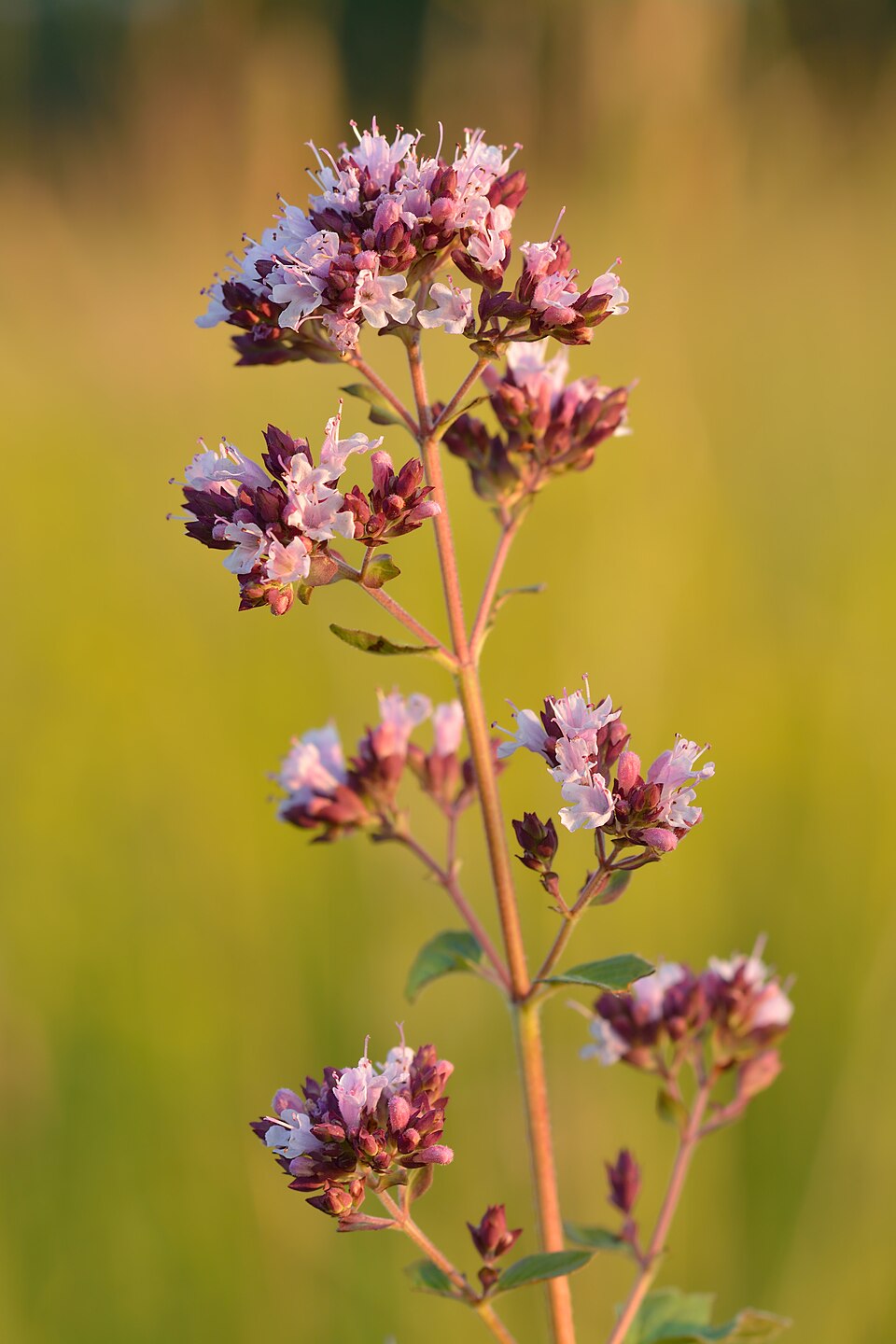
Oregano
Origanum vulgare
The sun-baked Mediterranean herb that tastes better dried than fresh — and whose concentrated oil is a very different thing.
Read the guide →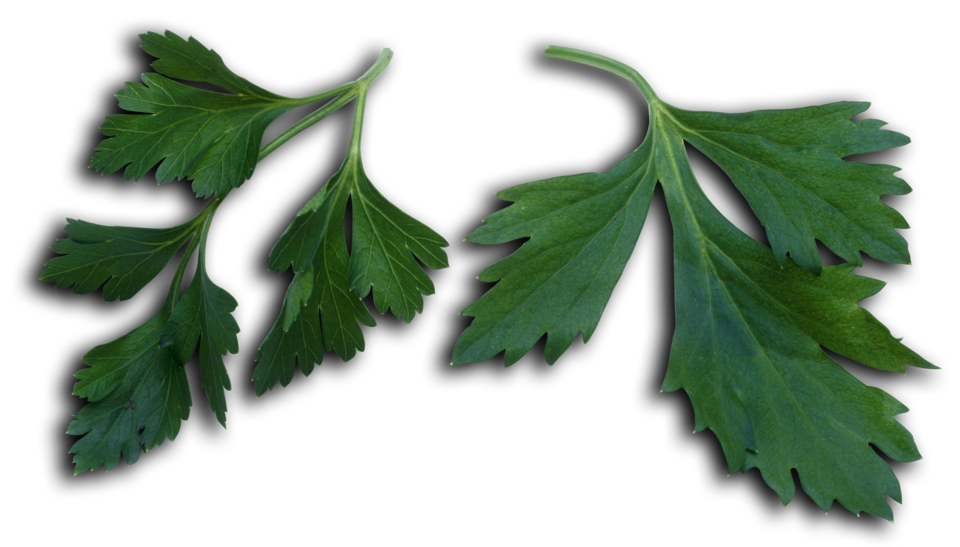
Parsley
Petroselinum crispum
Far more than a garnish — eat parsley by the handful and it becomes a fresh, green, vitamin-rich salad herb.
Read the guide →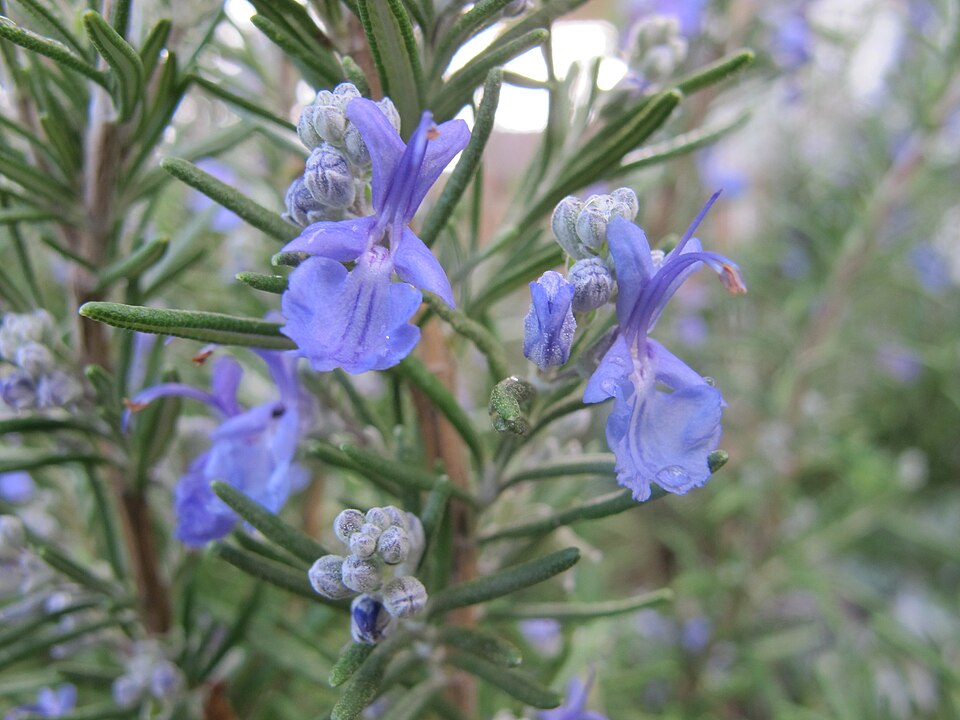
Rosemary
Salvia rosmarinus
The Mediterranean shrub scholars have worn for memory since ancient Greece — and modern studies keep finding they were onto something.
Read the guide →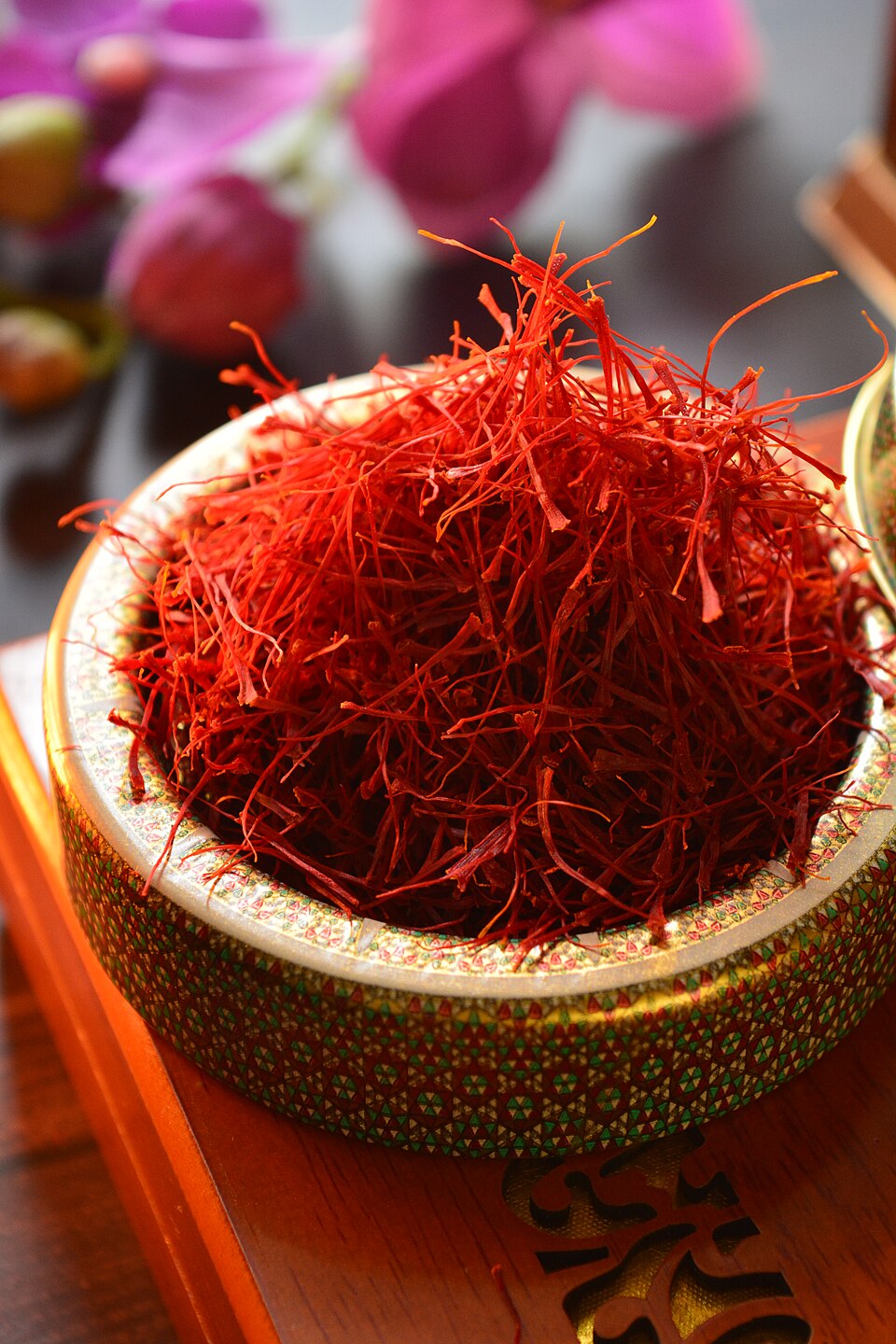
Saffron
Crocus sativus
The world's costliest spice — hand-picked crimson threads with a surprisingly respectable body of research on low mood.
Read the guide →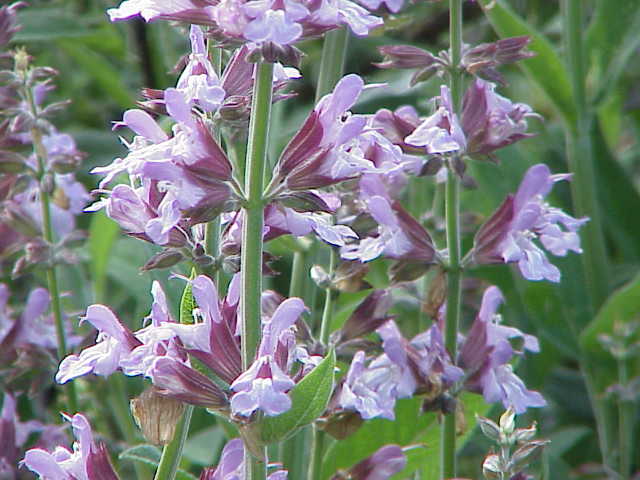
Sage
Salvia officinalis
Velvety grey-green leaves with a bold, piney flavour — a classic sore-throat gargle, and a herb to respect in concentrated form.
Read the guide →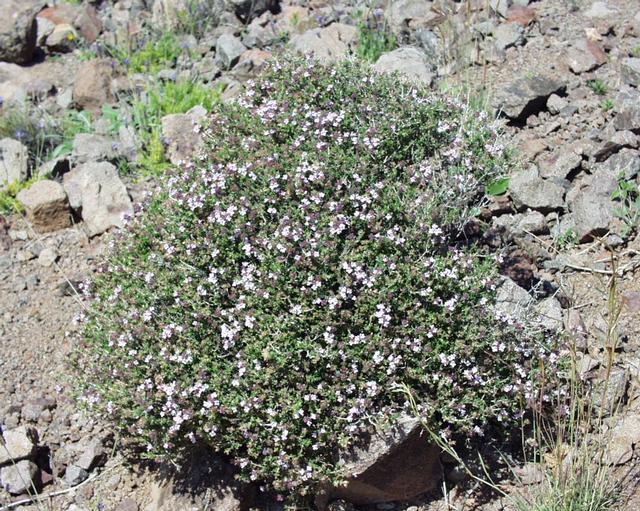
Thyme
Thymus vulgaris
A tough little woody herb that flavours slow-cooked food beautifully and has soothed coughs across Europe for centuries.
Read the guide →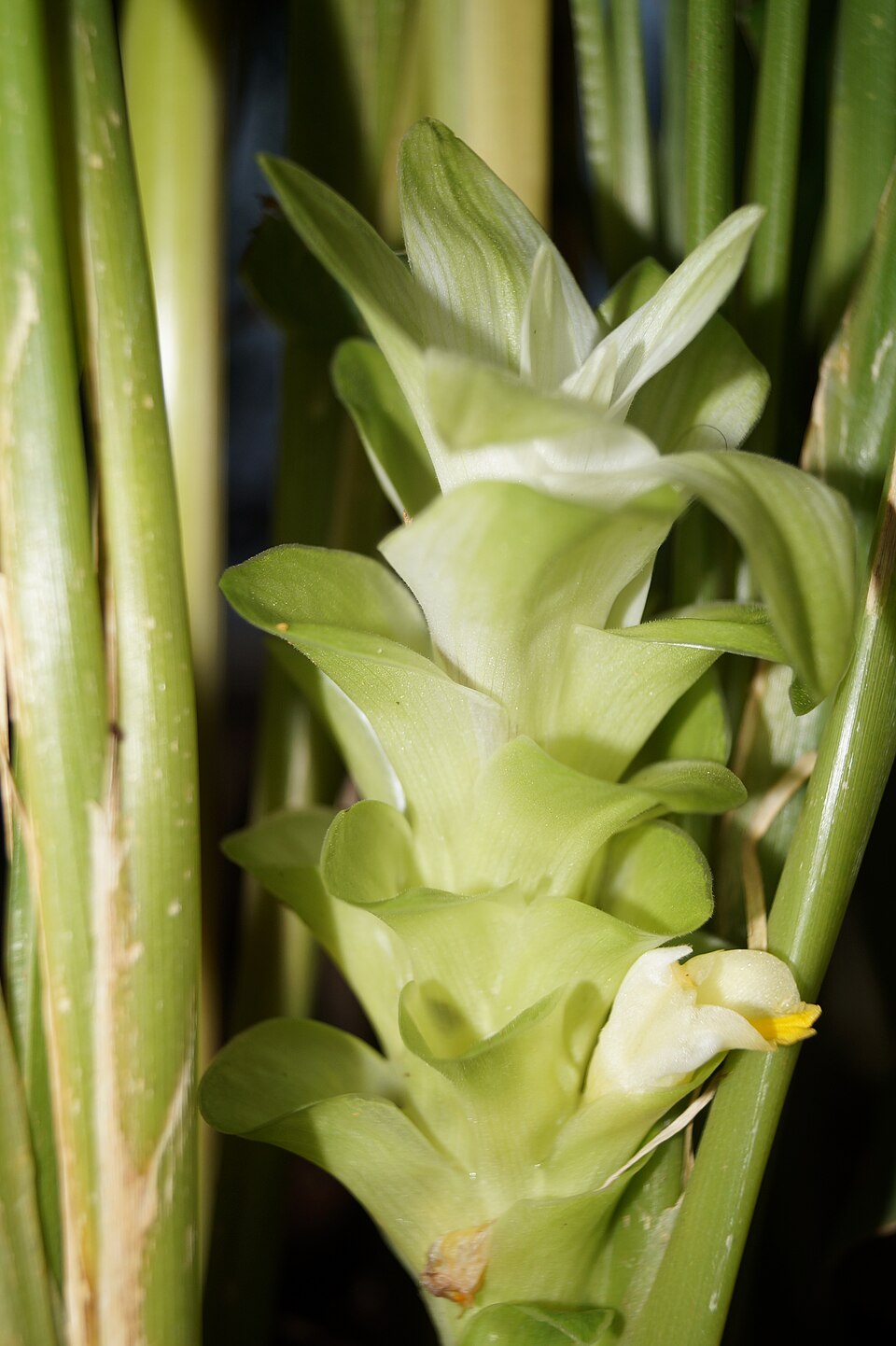
Turmeric
Curcuma longa
The golden rhizome behind curry's colour — and one of the most researched anti-inflammatory plants on earth.
Read the guide →