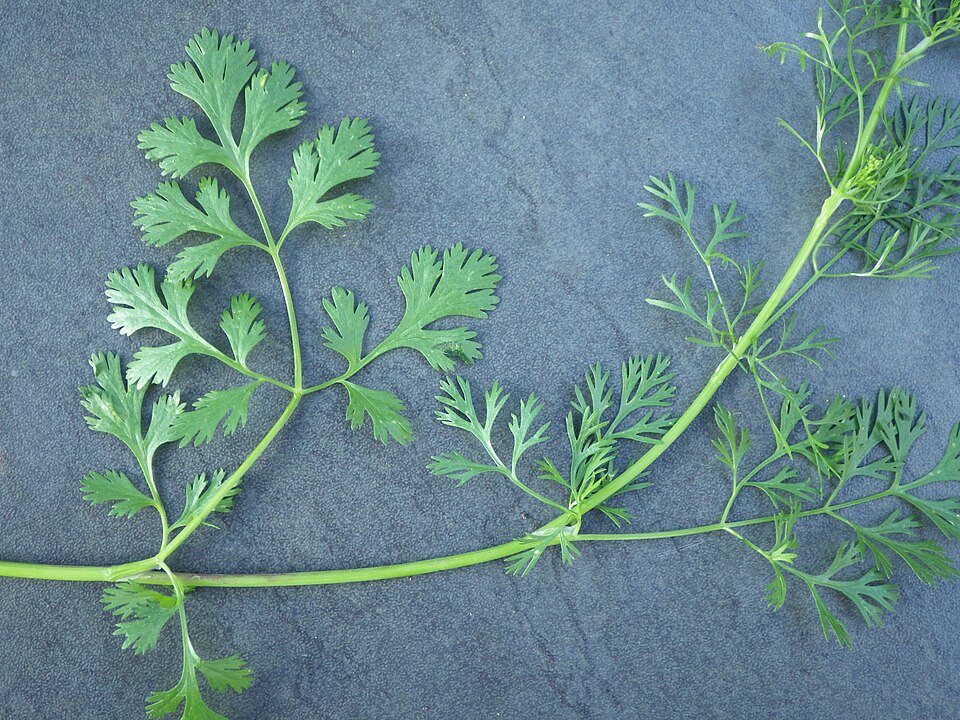
What is Coriander / Cilantro?
Coriander is a small annual in the carrot family, native to the eastern Mediterranean and western Asia and cultivated for at least 3,000 years — seeds turned up in Tutankhamun's tomb. North Americans usually call the fresh leaves cilantro and the dried seeds coriander; most of the world uses "coriander" for both. The leaves get their punch from aldehydes, while the seeds are rich in linalool, which gives them a warm, orange-peel aroma.
Its medicinal reputation rests mostly on the seed, a traditional carminative for gas and indigestion in European, Ayurvedic and Middle Eastern practice. Lab and animal studies show antimicrobial, antioxidant and blood-sugar-lowering effects, but human trials are few and small. Claims that cilantro "detoxes" heavy metals from the body are not supported by human evidence.
Benefits & uses
Eases gas and bloating
Coriander seed is a traditional digestive, often taken as a tea after heavy meals. It appears in some herbal blends that improved bloating and discomfort in small trials of irritable bowel symptoms, though it is hard to isolate coriander's share of the effect.
Flavour that replaces salt
A practical benefit: fresh leaves and toasted ground seed add so much brightness and depth that dishes need less salt and fat — useful for anyone cooking for heart health.
Antimicrobial in the lab
Coriander leaf and seed oil inhibit a range of bacteria, including some food-poisoning species, in test tubes. That fits its long use in hot-climate cooking, but it does not mean eating it treats infections.
Possible blood-sugar effects
Animal studies suggest seed extracts may lower blood sugar and improve cholesterol. Human evidence is thin, so treat this as interesting rather than useful for now.
Nutritious leaves
Fresh cilantro contributes vitamin K, vitamin A (as carotenoids) and vitamin C, though in the small amounts normally eaten it is a garnish rather than a major source.
How to use it
Fresh leaves
Add at the end of cooking or scatter raw — heat destroys the aroma within minutes. Use the tender stems too; they carry even more flavour. Store bunches upright in a glass of water in the fridge, loosely covered.
Whole or ground seed
Toast whole seeds in a dry pan for a minute or two until fragrant, then grind. Ground coriander loses its aroma within a few months, so buy whole seed and grind as needed.
Digestive seed tea
Lightly crush 1 tsp of seeds, pour over a cup of just-boiled water, cover and steep 10 minutes. Drink after meals, up to 3 cups a day. Pairs well with fennel and cumin (the Ayurvedic "CCF" tea).
Grow it
Sow directly in spring or autumn; it bolts fast in summer heat. Once it flowers, let it set seed — the green seeds are a delicious, citrusy bonus.
⚠️ Precautions
- Food amounts are safe for nearly everyone; the cautions below apply to concentrated extracts, supplements and essential oil.
- Allergy: people allergic to other carrot-family plants (celery, fennel, carrot, aniseed, caraway) or to mugwort and birch pollen may react to coriander. Reactions range from an itchy mouth to, rarely, anaphylaxis.
- Pregnancy and breastfeeding: culinary use is fine, but medicinal doses of seed extract lack safety data and are traditionally avoided in pregnancy.
- Diabetes medication: if you take concentrated coriander extracts alongside glucose-lowering drugs, monitor your blood sugar, as animal studies suggest an additive effect.
- Coriander essential oil is highly concentrated; do not swallow it undiluted, and keep it away from children and pets.
This is general information, not medical advice — check with a health professional before using Coriander / Cilantro to treat a condition or alongside medication.
Frequently asked questions
Why does cilantro taste like soap to me?
Probably genetics. A variant near the OR6A2 gene, which codes for a smell receptor sensitive to the aldehydes in cilantro, is linked to the "soapy" experience. Crushing or blending the leaves (as in pesto or chutney) breaks down those aldehydes and often makes it more tolerable.
Are coriander seeds and cilantro interchangeable?
No. They come from the same plant but taste completely different — the leaves are sharp and citrusy, the seeds warm and floral. Recipes mean one or the other.
Does cilantro remove heavy metals from the body?
There is no good human evidence for this. A few animal studies hinted at it, but they do not justify using cilantro as a "detox" in place of proper medical treatment for metal exposure.
Comments