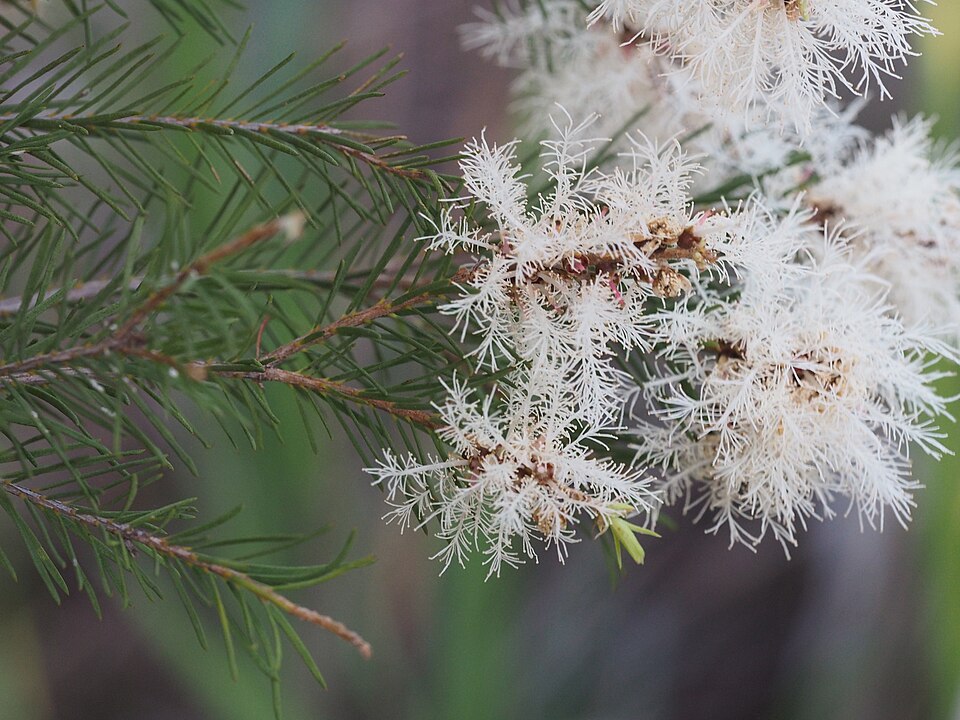
What is Tea Tree?
Tea tree is a papery-barked shrub from the swampy coastal lowlands of New South Wales, Australia, unrelated to the plant that gives us tea. Bundjalung people crushed the leaves and inhaled them for coughs or applied them to wounds, and the distilled oil was used as an antiseptic by the Australian military during World War II. Its main active compound is terpinen-4-ol.
Tea tree oil kills a wide range of bacteria and fungi in the lab, and small clinical trials support diluted use for mild acne, athlete's foot and dandruff. It works more slowly than standard treatments, and it can irritate skin. It is toxic if swallowed — especially dangerous for children — and highly toxic to cats.
Benefits & uses
Mild acne
In trials, a 5% tea tree gel reduced mild to moderate acne spots. In one well-known comparison it worked about as well as 5% benzoyl peroxide, more slowly but with less drying and peeling.
Athlete's foot
Solutions of 25–50% tea tree oil improved athlete's foot in a placebo-controlled trial. Standard antifungal creams are faster and better proven.
Fungal nails
Some small trials found undiluted oil improved nail fungus in a minority of people over several months, but cure rates were low. Prescription treatments are more reliable.
Dandruff
A 5% tea tree oil shampoo reduced dandruff and itching in a small placebo-controlled trial.
Minor cuts and scrapes
Its antiseptic action in the lab makes it a popular first-aid oil for small wounds. Clinical evidence for wound healing is limited; clean water and a plaster are the basics.
How to use it
Spot treatment
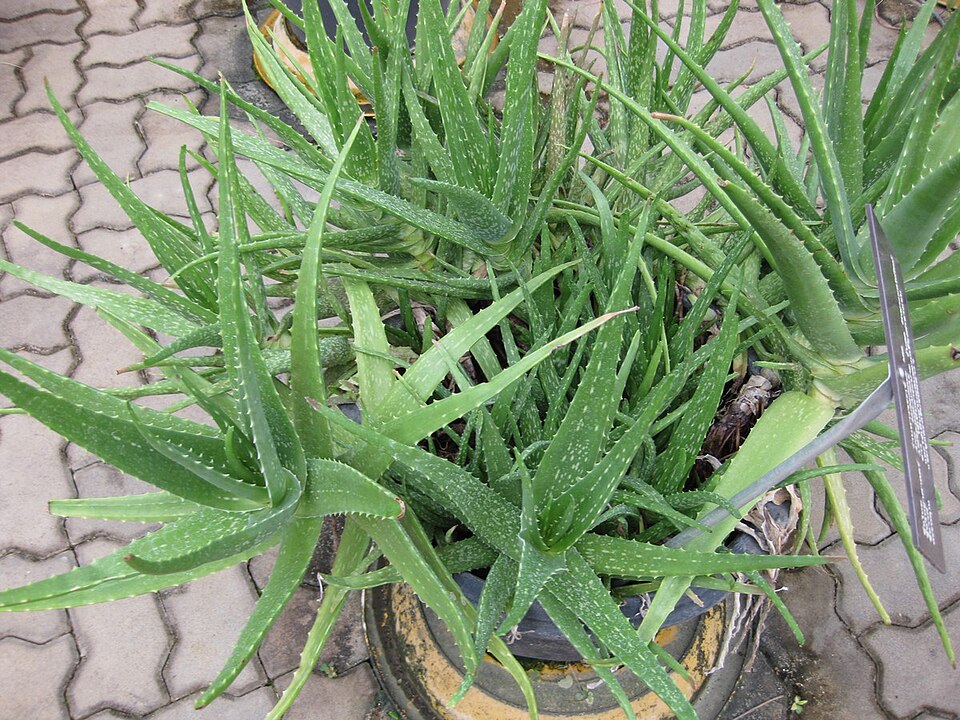
Use a ready-made 5% gel, or mix 1 part oil with about 19 parts aloe vera gel or carrier oil. Dab onto spots once or twice daily. Expect results over several weeks, not overnight.
Feet
For athlete's foot, apply a 25% solution (1 part oil to 3 parts carrier oil) between clean, dry toes twice daily for about four weeks.
Shampoo
Use a ready-made shampoo containing around 5% tea tree oil, leaving it on the scalp for a few minutes before rinsing.
Patch test first
Before regular use, apply a small amount of diluted oil to the inner arm and wait 24–48 hours. Stop if redness or itching appears.
Storage
Keep oil in a dark glass bottle, tightly capped, away from heat and light. Old, oxidised oil is much more likely to cause skin allergies — replace it after about a year.
⚠️ Precautions
- Toxic if swallowed: even small amounts can cause confusion, loss of coordination, drowsiness and, in children, coma. Keep it out of reach of children, never swallow it, and never use it in the mouth undiluted. If any is swallowed, call a poison centre or emergency services immediately.
- Very toxic to cats: cats cannot break down tea tree oil and can be seriously poisoned by licking it off their fur, by skin application or by diffusers. Never use tea tree products on cats, and keep diffusers and oils away from them. It is also toxic to dogs.
- Skin reactions: irritation and allergic contact dermatitis are fairly common, especially with undiluted or old oil. Dilute it and stop if your skin reacts.
- Keep away from eyes and inner ears.
- Pregnancy and breastfeeding: do not take it internally. Occasional diluted use on small skin areas is generally considered low-risk, but check with your midwife or doctor.
- A few reports have linked regular use of tea tree and lavender oil products to breast growth in young boys. The link is debated, but it is sensible to avoid long-term use of these products in children.
- No well-known drug interactions exist for skin use, but do not combine it with other strong skin treatments without advice.
This is general information, not medical advice — check with a health professional before using Tea Tree to treat a condition or alongside medication.
Frequently asked questions
Why is it called tea tree?
The story goes that Captain Cook's crew brewed a tea from the leaves of a related shrub. The name stuck, but tea tree oil is not tea and should never be drunk.
Can I put it on my dog's or cat's skin?
Never on cats — it can poison them, even in small amounts. It can also poison dogs, including via pet products that contain it. Ask a vet for safe treatments.
Can I use it undiluted?
Usually not. Undiluted oil often irritates skin and increases the chance of developing an allergy. Nail fungus is the main exception tried in studies, and only on the nail itself.

Comments