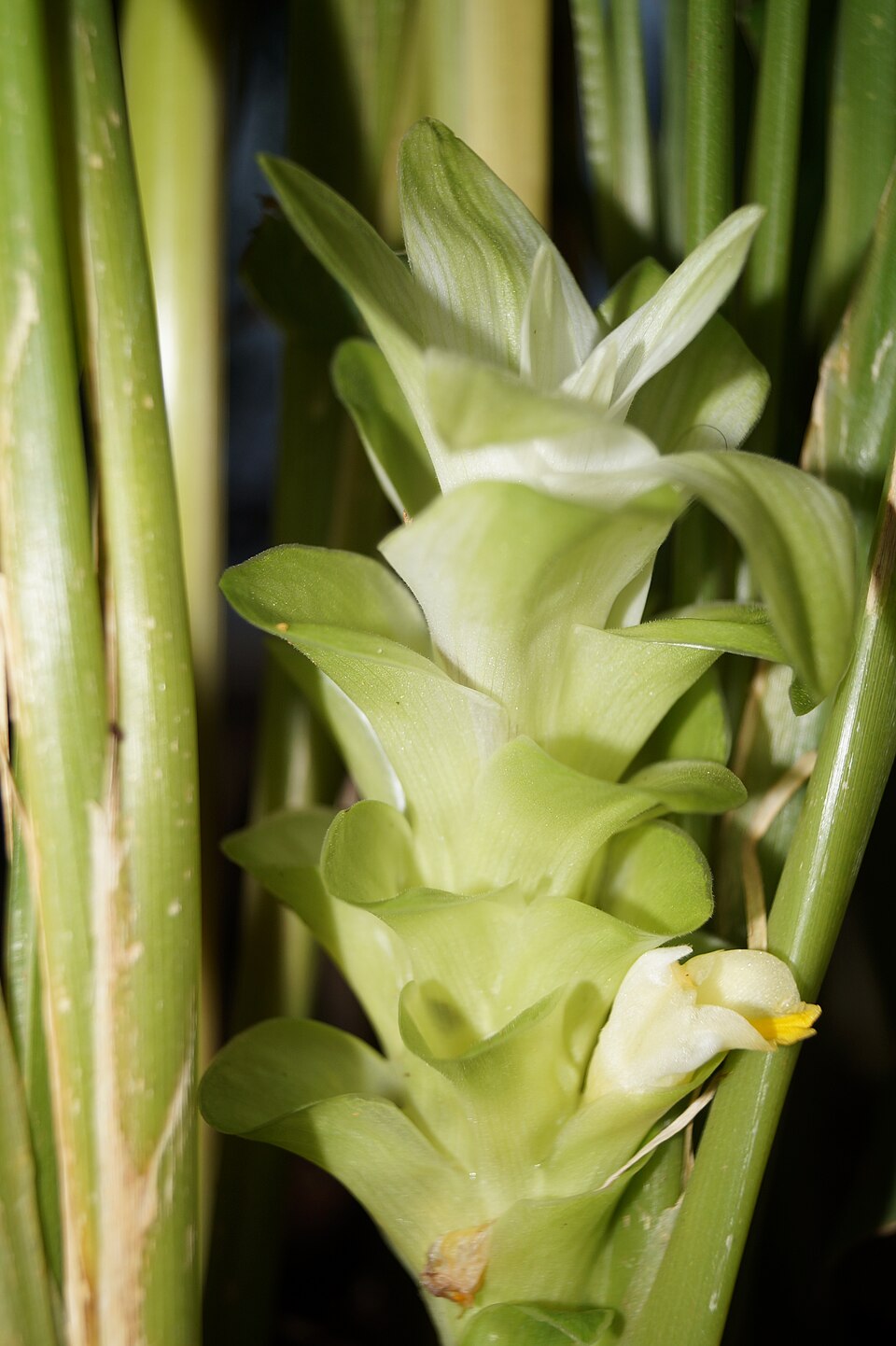
What is Turmeric?
Turmeric is a ginger-family rhizome cultivated across South and Southeast Asia for at least 4,000 years, prized both as a dye and spice and as a staple of Ayurvedic and traditional Chinese medicine. Its intense golden colour comes from curcumin and related curcuminoids, the compounds behind most of its reputed effects.
It has become one of the best-studied herbal supplements: human trials most consistently examine joint comfort in osteoarthritis, where standardised curcumin extracts have shown meaningful benefit. The catch is absorption — curcumin on its own passes through the body poorly, which is why preparation matters more for turmeric than for most herbs.
Benefits & uses
Supports comfortable joints
The most solid human evidence for turmeric: standardised curcumin extracts (typically 500–1,000 mg curcuminoids daily) reduced osteoarthritis knee pain in multiple clinical trials, in some studies comparably to over-the-counter anti-inflammatories.
General anti-inflammatory support
Curcumin dampens several inflammatory signalling pathways (NF-κB among them), the mechanism behind its wide traditional use for aches and swelling.
Antioxidant activity
Curcuminoids neutralise free radicals and nudge the body's own antioxidant enzymes upward.
Digestive tradition
In Ayurveda turmeric is a digestive and "blood-purifying" spice; modern use includes easing occasional indigestion and bloating.
How to use it
In cooking
Add ½–1 tsp of ground turmeric to curries, rice, soups, eggs or roasted vegetables. Always combine with black pepper and some fat (oil, coconut milk) — piperine from pepper boosts curcumin absorption up to twenty-fold.
Golden milk
Simmer 1 tsp turmeric, a pinch of black pepper, and optional ginger and cinnamon in a cup of milk (dairy or coconut) for 5–10 minutes. Sweeten with honey. A classic evening drink.
Fresh rhizome
Grate fresh turmeric root into teas, smoothies and stir-fries as you would ginger. Warning: it stains hands, boards and clothing readily.
Supplements
For joint support, culinary doses are usually not enough — trials used standardised extracts (look for 95% curcuminoids with piperine, or phytosome/liposomal forms) around 500–1,000 mg per day, with food. Give it 8–12 weeks before judging.
⚠️ Precautions
- High supplemental doses can upset the stomach and, rarely, have been linked to liver injury — stop and seek care if you notice dark urine, fatigue or yellowing eyes.
- Curcumin has mild blood-thinning activity: avoid high doses with anticoagulants (warfarin, etc.) and stop supplements two weeks before surgery.
- Gallstones or a blocked bile duct: avoid concentrated turmeric, which stimulates bile flow.
- Cooking amounts are fine in pregnancy, but supplement doses are not recommended.
- It may interact with diabetes and chemotherapy medications — check with your pharmacist.
This is general information, not medical advice — check with a health professional before using Turmeric to treat a condition or alongside medication.
Frequently asked questions
Do I really need black pepper with it?
For absorption, yes — or a formulated extract designed to absorb well. Plain curcumin is very poorly absorbed on its own.
Fresh root or powder?
Nutritionally similar for cooking. Powder is more concentrated by weight; fresh has a brighter flavour. For studied joint-support doses, only standardised extracts reach the levels used in trials.
How do I get turmeric stains off?
Act fast: wash with soap, then sunlight does the rest — curcumin's pigment breaks down in UV light. On counters, a baking-soda paste helps.
Comments