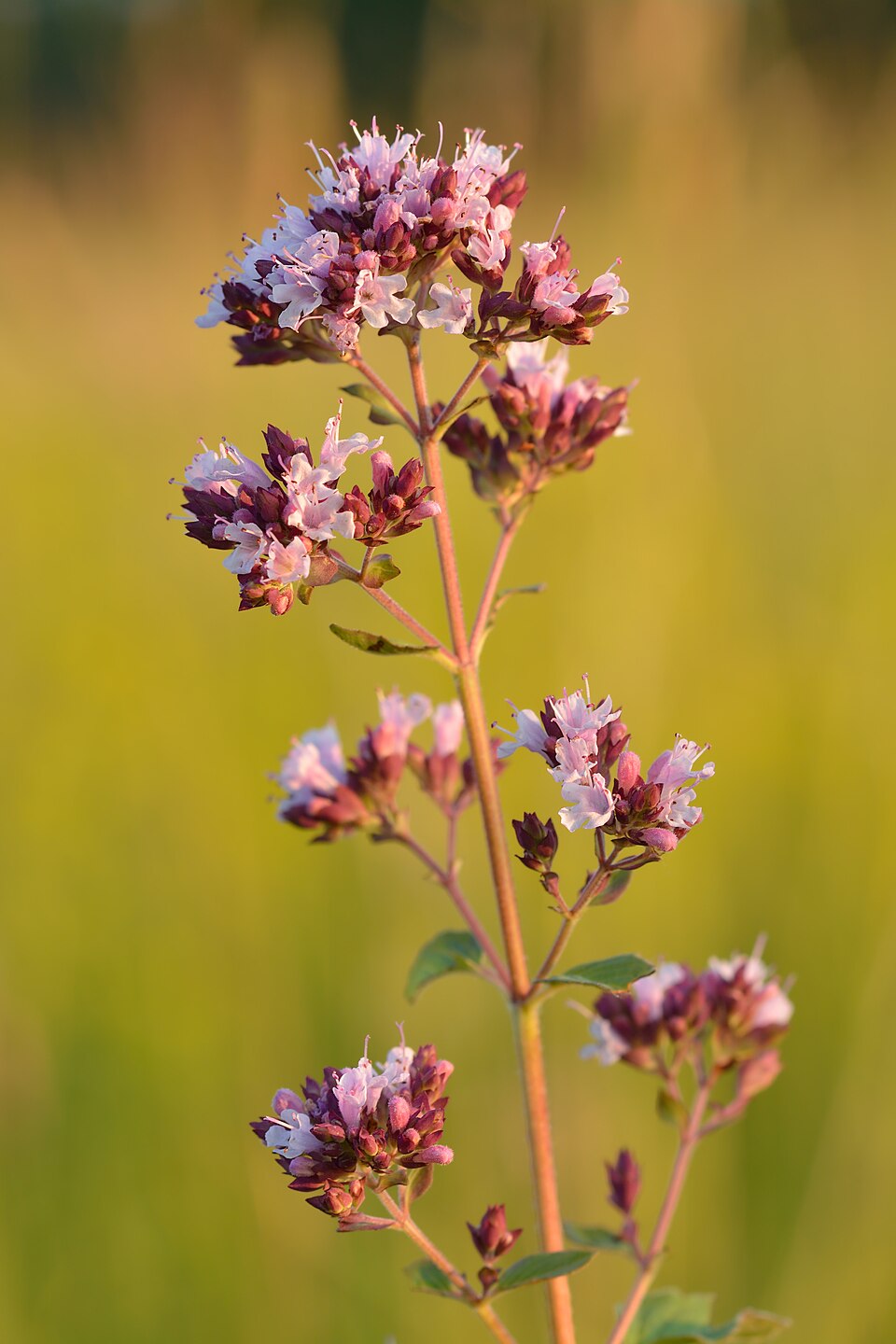
What is Oregano?
Oregano is a hardy mint-family perennial of dry Mediterranean hillsides; its name is often traced to Greek words meaning "joy of the mountains". Greek oregano (subspecies hirtum) is the most pungent culinary type. Its peppery, slightly bitter bite comes from the phenols carvacrol and thymol, with rosmarinic acid among its polyphenols. Mexican oregano, confusingly, is a different plant (Lippia graveolens) with a similar flavour.
As a kitchen herb oregano is safe and delicious, and dried oregano scores highly on lab antioxidant tests — though you eat it by the pinch. Oregano essential oil, sold as a "natural antibiotic", is a different product: carvacrol kills many microbes in test tubes, but human evidence that the oil treats infections is thin, and the concentrated oil can irritate and harm if misused.
Benefits & uses
Flavour that survives cooking
Unlike delicate herbs, oregano holds up to long simmering and high oven heat, which is why it anchors tomato sauces, pizza, grilled meats and bean dishes across the Mediterranean and Latin America.
Rich in antioxidant polyphenols
Gram for gram, dried oregano ranks among the most antioxidant-rich foods in laboratory assays. Real-world impact is modest because servings are small, but it adds to an overall plant-rich diet.
Antimicrobial compounds (lab evidence)
Carvacrol and thymol inhibit bacteria, yeasts and fungi in the lab, and researchers are exploring them as natural food preservatives. Claims that oregano oil cures infections in people are not supported by good trials.
Traditional digestive and cough remedy
Oregano tea has long been used for indigestion, bloating and coughs in folk medicine. This is traditional use with little formal testing.
How to use it
Dried, early in cooking
Add ½–1 tsp dried oregano to a pan of sauce, stew or chilli early on, crushing it between your palms first to release the oils. Buy Greek or Sicilian oregano on the stem for the best flavour.
Fresh, sparingly
Fresh leaves are milder and more floral; chop into salads, salsas and marinades, or strip over roasted vegetables in the last few minutes.
Greek-style dressing
Whisk olive oil, red wine vinegar or lemon, a pinch of dried oregano and salt; pour over tomatoes, cucumber, feta and olives, or use as a marinade for chicken or halloumi.
Tea
1 tsp dried oregano per cup of just-boiled water, covered, 5–10 minutes. Sharp and warming; sweeten with honey. 1–2 cups daily is a traditional amount.
Oregano oil, if you use it
Choose capsules or a pre-diluted product from a reputable brand, follow the label, and use only short-term. Never apply the pure oil undiluted to skin or put undiluted drops in your mouth.
⚠️ Precautions
- Culinary oregano is safe in pregnancy and breastfeeding. Avoid oregano oil and concentrated extracts during pregnancy and breastfeeding — safety has not been established, and large amounts of oregano were traditionally thought to stimulate the uterus.
- Oregano oil is highly concentrated: undiluted it can burn skin and the lining of the mouth, and swallowed in quantity it can cause stomach upset or worse. Keep it away from children and pets — cats are especially sensitive to phenol-rich oils.
- Concentrated oregano products may have mild blood-thinning and blood-sugar-lowering effects in theory. If you take anticoagulants, antiplatelet drugs or diabetes medication, talk to a pharmacist before using supplements.
- People allergic to other mint-family herbs (basil, thyme, sage, lavender, mint) may react to oregano.
- Do not use oregano oil as a substitute for antibiotics or medical care for a genuine infection.
This is general information, not medical advice — check with a health professional before using Oregano to treat a condition or alongside medication.
Frequently asked questions
Why is dried oregano better than fresh?
Drying concentrates oregano's aromatic oils and softens its grassy notes, and those oils survive cooking well. It's one of the few herbs cooks routinely prefer dried.
Is oregano oil a natural antibiotic?
In test tubes its compounds kill many microbes, but that is not the same as treating an infection in a person. Good human trials are lacking, and the oil carries real risks if used carelessly.
Is Mexican oregano the same thing?
No — it's a verbena-family shrub, Lippia graveolens, with a stronger, more citrusy flavour. It suits chilli and Mexican dishes; Mediterranean oregano suits Italian and Greek food.
Comments