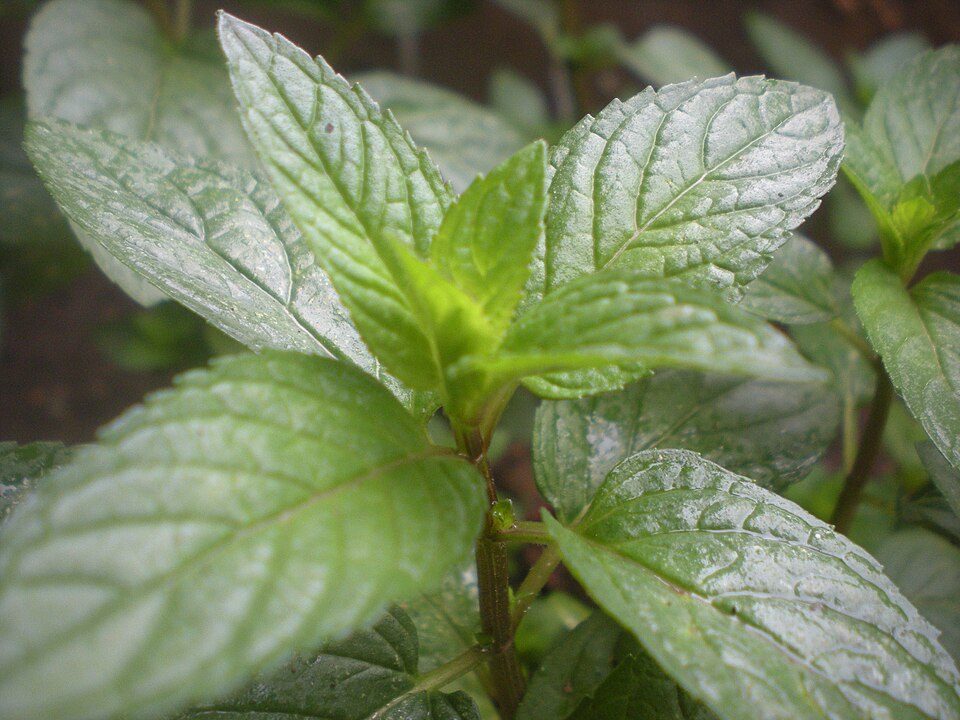
What is Peppermint?
Peppermint is a natural hybrid of watermint and spearmint, first formally described in England in the 1690s but used in some form since antiquity. Its leaves are rich in menthol, the compound responsible for the unmistakable cooling sensation — an interaction with the same nerve receptors that sense cold.
Beyond flavouring toothpaste and tea, peppermint has a serious clinical claim to fame: enteric-coated peppermint oil capsules are among the best-supported herbal treatments for irritable bowel syndrome, recommended in several gastroenterology guidelines.
Benefits & uses
Calms IBS symptoms
Menthol relaxes the smooth muscle of the gut wall. In numerous trials, enteric-coated peppermint oil reduced IBS cramping, bloating and pain — the coating matters, carrying the oil past the stomach to the intestines.
Eases everyday indigestion
A cup of peppermint tea after meals is a time-honoured digestif for gas and bloating.
Relieves tension headaches
Peppermint oil (10% in alcohol) rubbed on the temples and forehead performed comparably to paracetamol in tension-headache trials.
Clears a stuffy nose — subjectively
Menthol vapour doesn't open airways measurably, but it strongly activates cold receptors, which the brain reads as easier breathing. Genuine relief, clever mechanism.
Freshens breath and focus
Its antibacterial oils and sharp scent make it the classic breath herb; small studies link the aroma to improved alertness.
How to use it
Tea
Pour just-boiled water over a tablespoon of fresh leaves or 1–2 tsp dried, cover (to trap the volatile oils), steep 5–7 minutes. After meals for digestion.
Enteric-coated capsules
For IBS: 180–225 mg peppermint oil, 2–3 times daily, 30–60 minutes before meals. Must be enteric-coated, or you trade gut relief for heartburn.
Topical oil for headaches
Dilute peppermint essential oil to ~10% in a carrier oil and massage into temples and forehead at headache onset. Keep well away from eyes.
Grow your own
Peppermint is nearly indestructible but invasive — grow it in a pot, not a bed. Harvest just before flowering for the strongest leaves.
⚠️ Precautions
- Peppermint relaxes the valve above the stomach, so it can worsen acid reflux/GERD — avoid if reflux-prone.
- Never apply essential oil, or menthol products, on or near the face of infants and small children — it can trigger airway spasm.
- Essential oil must always be diluted on skin and never swallowed neat.
- Gallstones: ask a doctor before concentrated peppermint oil.
- Tea in normal amounts is fine in pregnancy; high-dose oil capsules lack safety data.
This is general information, not medical advice — check with a health professional before using Peppermint to treat a condition or alongside medication.
Frequently asked questions
Peppermint or spearmint for digestion?
Peppermint — it carries far more menthol. Spearmint is gentler and better for those who find peppermint too intense.
Why must IBS capsules be enteric-coated?
Uncoated oil releases in the stomach, causing heartburn and doing nothing for the intestines where IBS symptoms arise.
Does peppermint tea have caffeine?
None at all — which is why it's a favourite evening tea.
Comments