Pflanzen-Guides
8 Pflanze(n) mit dem Schlagwort „tea“, alle nach demselben Schema: was sie ist, ihre Wirkung, ihre Anwendung und ihre Vorsichtshinweise.
Alle Adaptogen 6 Allergien 1 Antioxidans 16 Aromatherapie 3 Atemwege 6 Augen 2 Blutdruck 4 Blutzucker 4 Darmgesundheit 2 Energie 4 Entzündungshemmend 3 Erkältungen 6 Erste Hilfe 6 Essbare Pflanze 14 Gedächtnis 6 Gelenke 3 Harnwege 3 Haut 6 Herz 9 Hormone 2 Immunsystem 8 Konzentration 6 Kopfschmerzen 2 Küchen-Grundnahrung 1 Küchengewürz 19 Leber 2 Menstruation 2 Pilz 6 Ruhe 5 Schlaf 6 Stillzeit 2 Stimmung 2 Stress 5 Tee 8 Verdauung 20 Übelkeit 1
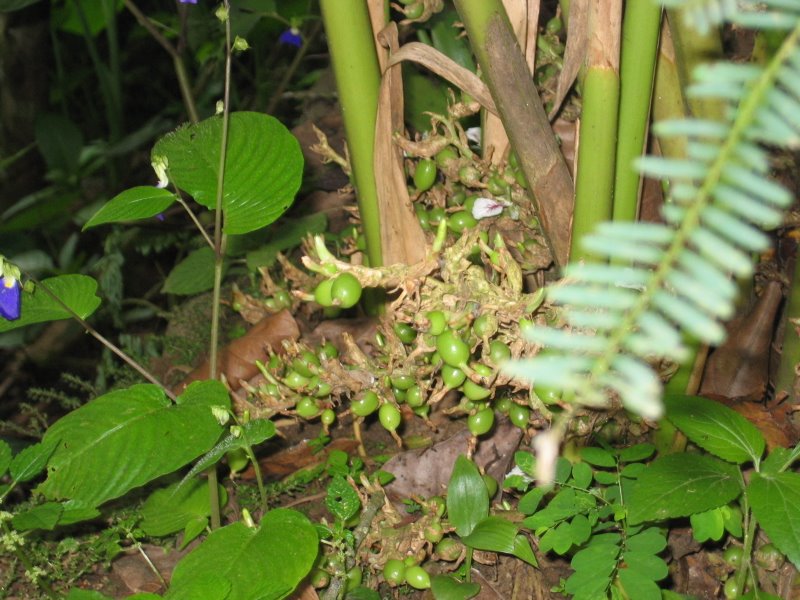
Cardamom
Elettaria cardamomum
Little green pods of sweet, eucalyptus-bright perfume — the soul of chai, Arabic coffee and Scandinavian buns.
Zum Guide →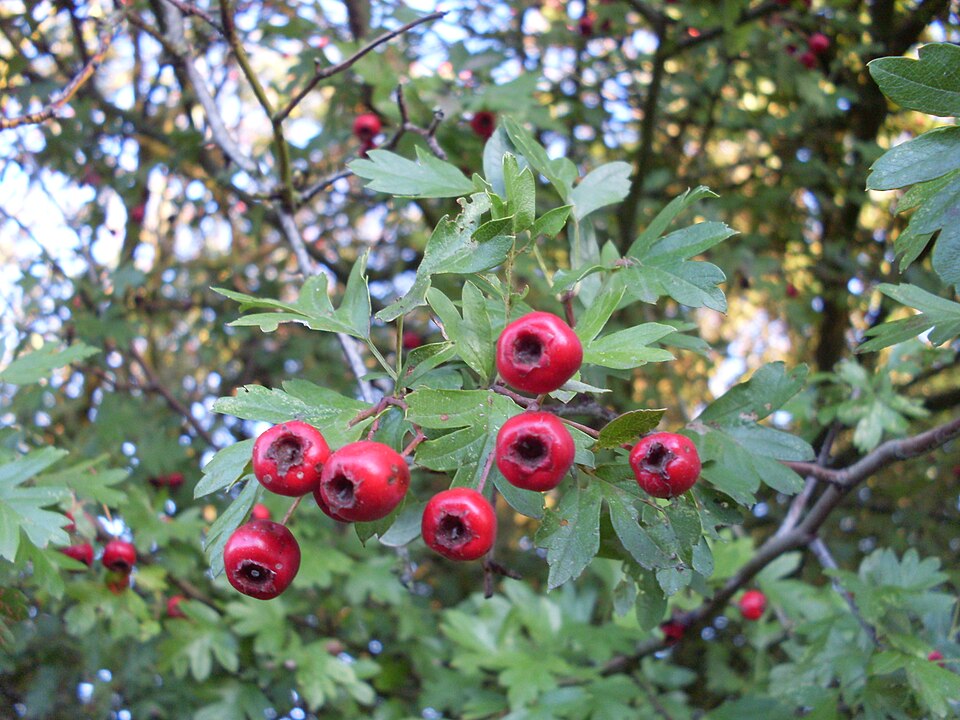
Hawthorn
Crataegus monogyna
The May-blossom hedge tree whose flowers, leaves and red haws are Europe's traditional heart tonic — gentle, slow and worth discussing with your doctor.
Zum Guide →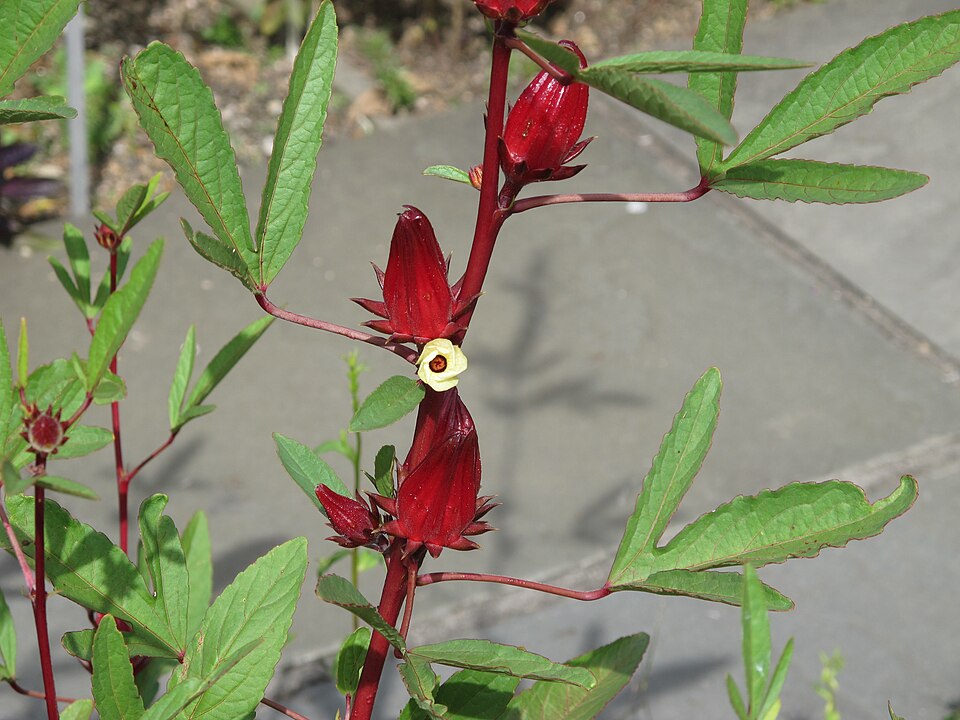
Hibiscus
Hibiscus sabdariffa
The crimson, cranberry-tart tea of Egypt and Mexico — with blood-pressure evidence strong enough to surprise cardiologists.
Zum Guide →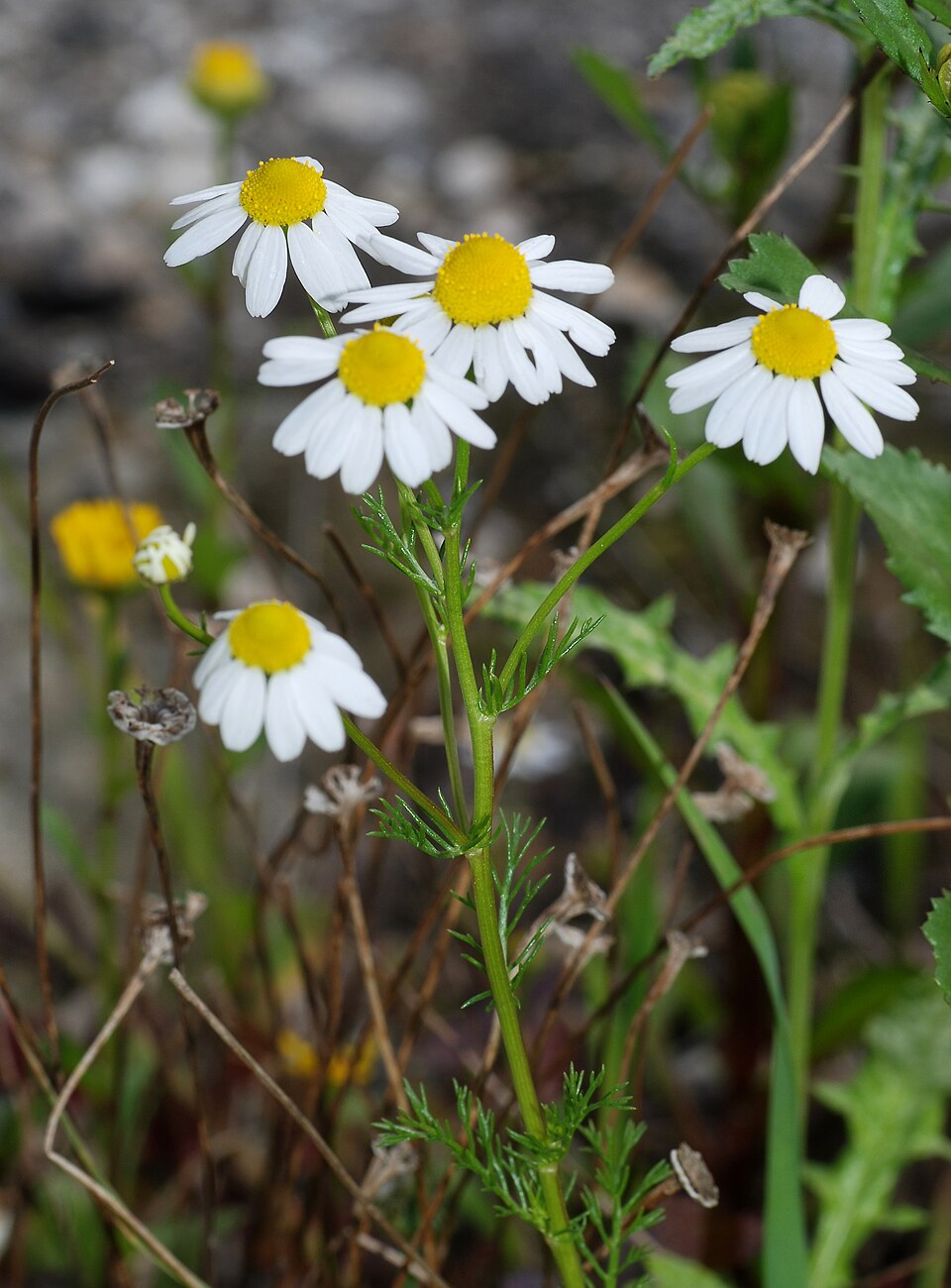
Kamille
Matricaria chamomilla
Das sanfte Gänseblümchen, das zum beliebtesten Schlaftee der Welt wurde.
Zum Guide →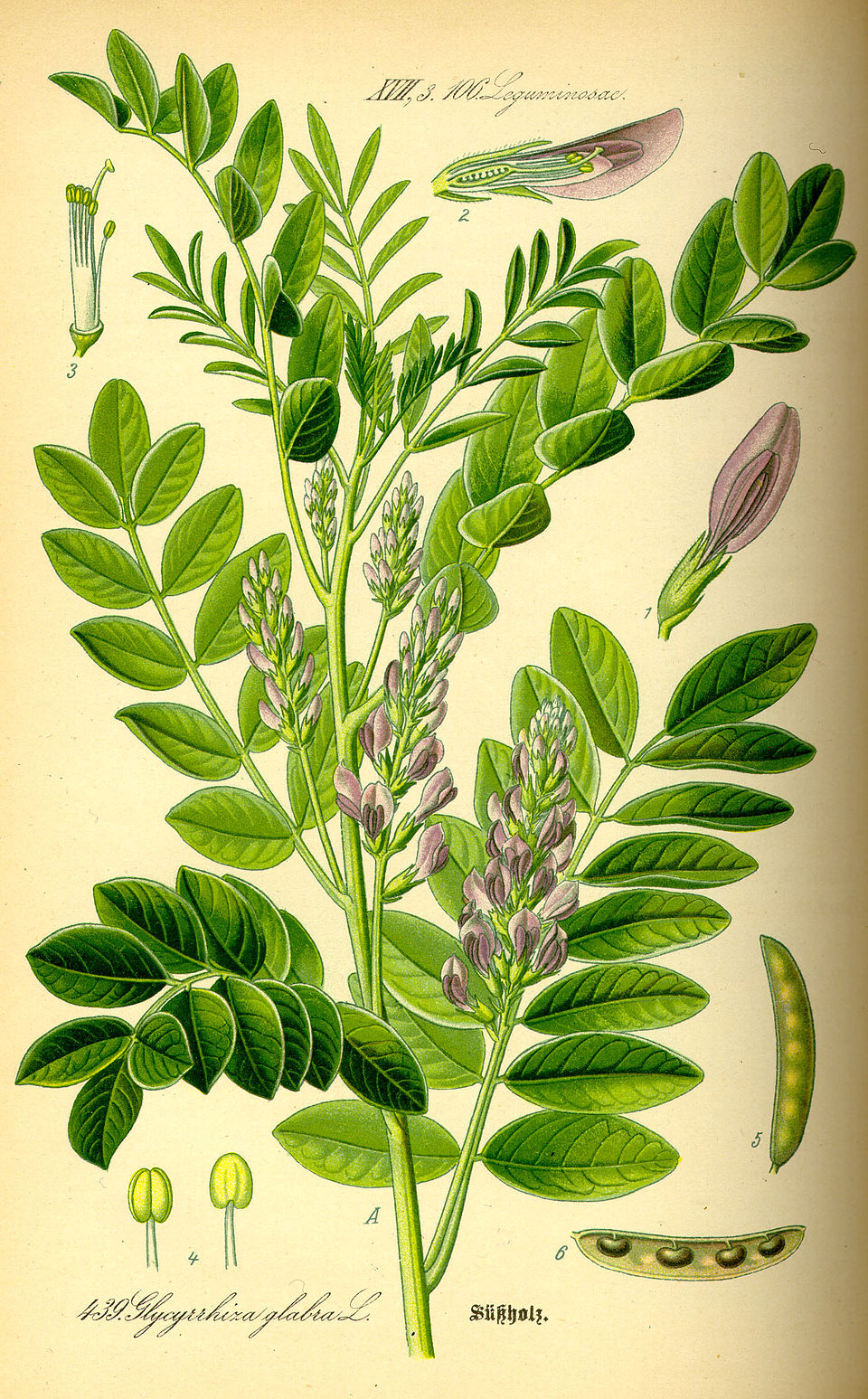
Licorice Root
Glycyrrhiza glabra
An intensely sweet root (its key compound is some fifty times sweeter than sugar) that soothes throats and stomachs — and quietly raises blood pressure if you overdo it.
Zum Guide →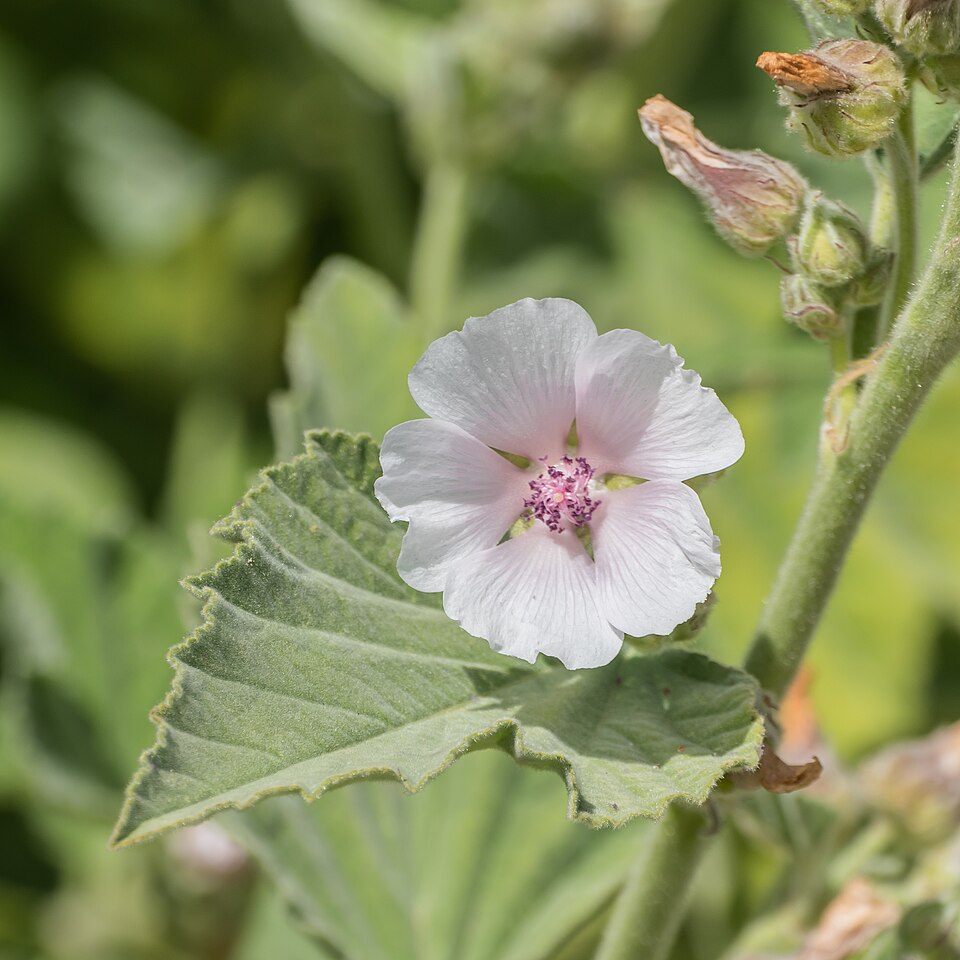
Marshmallow Root
Althaea officinalis
The original marshmallow — a slippery, soothing root for scratchy throats and dry coughs, best made with cold water.
Zum Guide →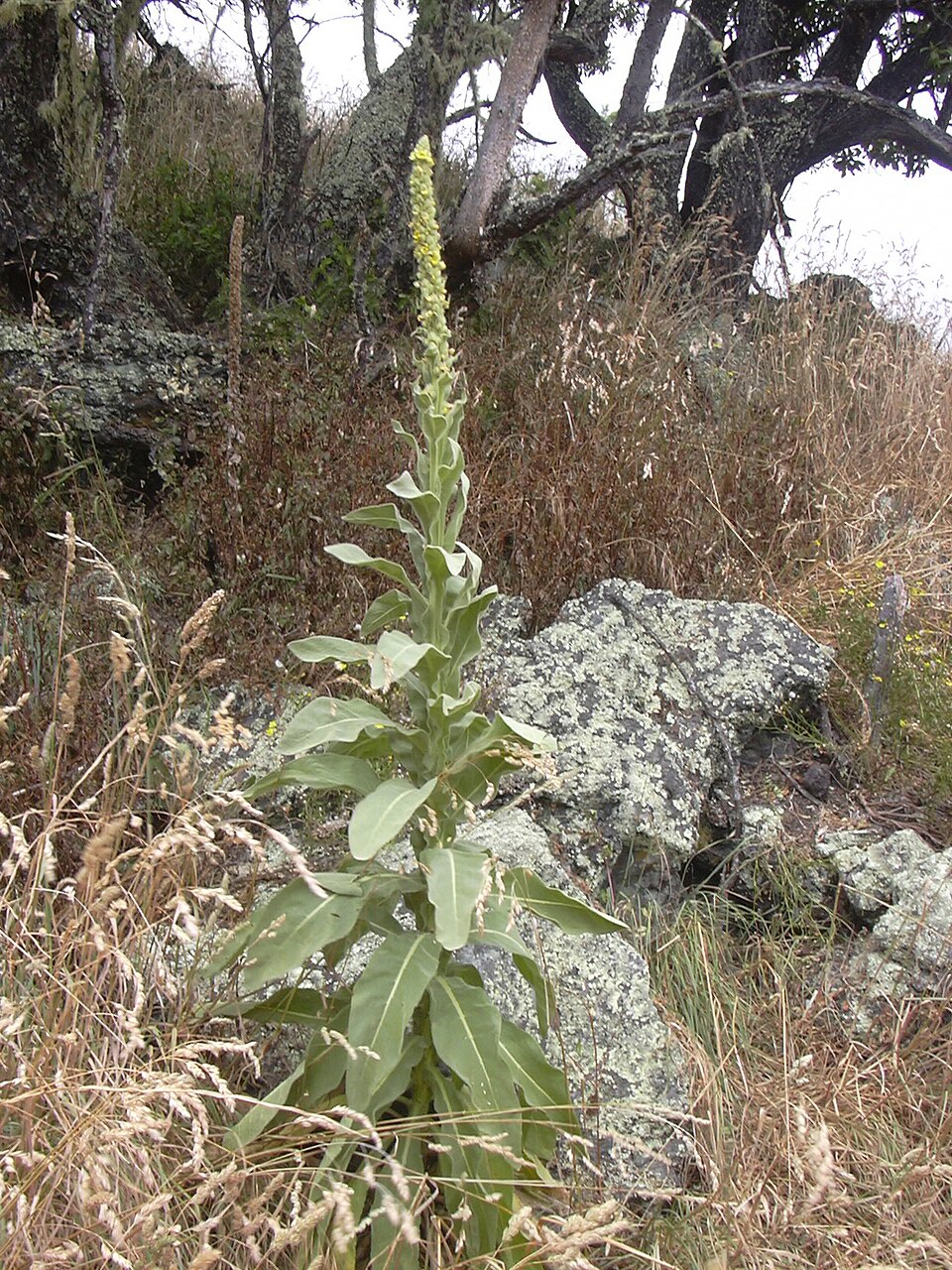
Mullein
Verbascum thapsus
The towering, velvet-leaved roadside torch plant — a traditional cough tea, as long as you strain out its itchy hairs.
Zum Guide →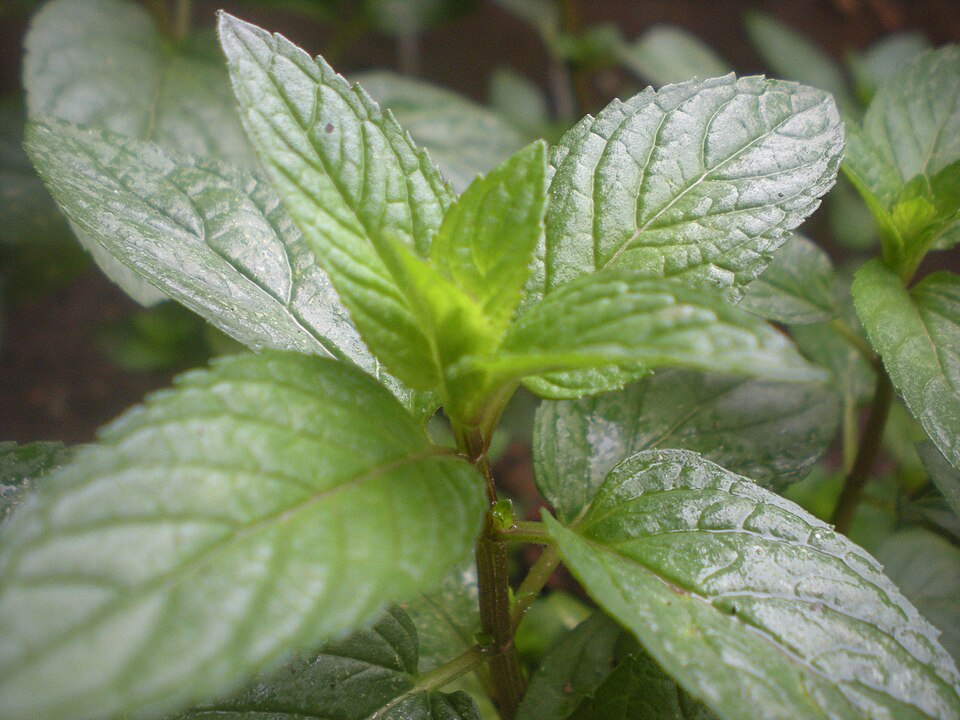
Pfefferminze
Mentha × piperita
Eine kräftige Gartenminze, deren Öl zu den bestbelegten pflanzlichen Behandlungen beim Reizdarmsyndrom zählt.
Zum Guide →