Guías de plantas
8 planta(s) con la etiqueta «tea», todas tratadas de la misma manera: qué es, sus beneficios, cómo usarla y sus precauciones.
Todas Adaptógeno 6 Alergias 1 Antiinflamatorio 3 Antioxidante 16 Aromaterapia 3 Articulaciones 3 Azúcar en sangre 4 Básico de cocina 1 Calma 5 Concentración 6 Corazón 9 Digestión 20 Dolor de cabeza 2 Energía 4 Especia de cocina 19 Estado de ánimo 2 Estrés 5 Hongo 6 Hormonas 2 Hígado 2 Infusión 8 Inmunidad 8 Lactancia 2 Memoria 6 Menstruación 2 Náuseas 1 Ojos 2 Piel 6 Planta comestible 14 Primeros auxilios 6 Resfriados 6 Respiratorio 6 Salud intestinal 2 Sueño 6 Tensión arterial 4 Vías urinarias 3
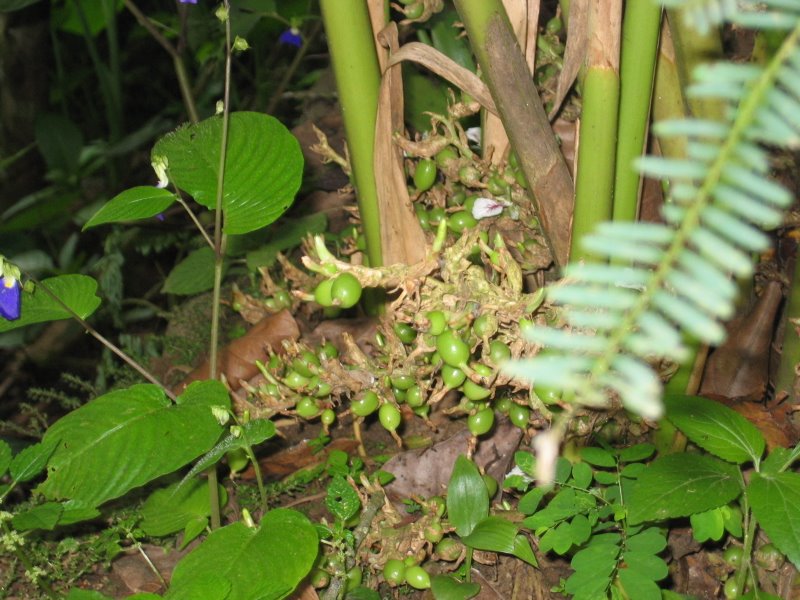
Cardamom
Elettaria cardamomum
Little green pods of sweet, eucalyptus-bright perfume — the soul of chai, Arabic coffee and Scandinavian buns.
Leer la guía →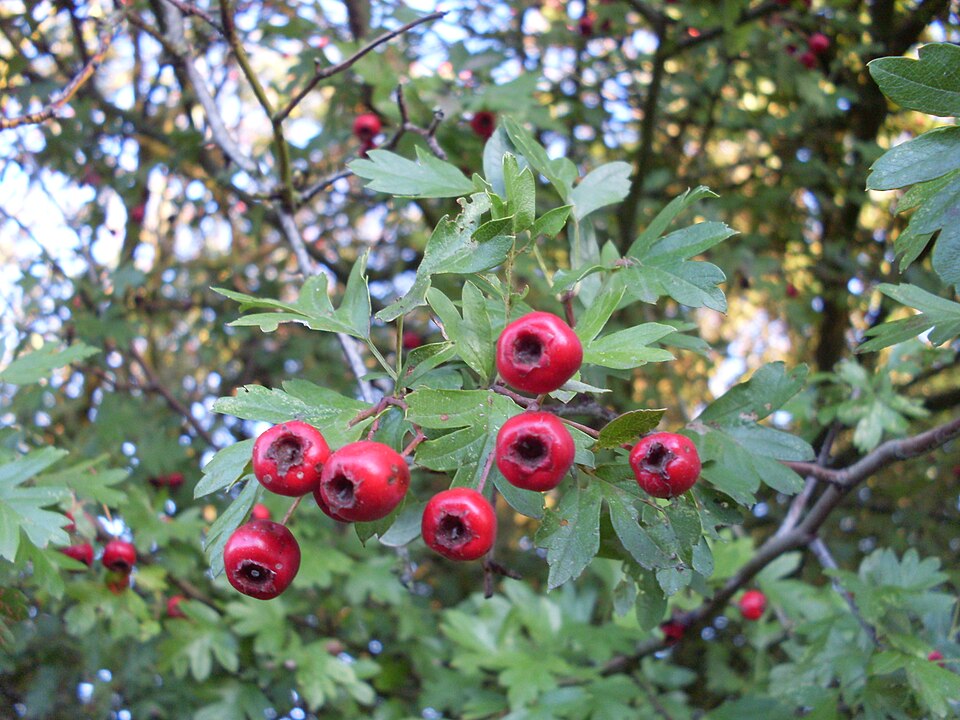
Hawthorn
Crataegus monogyna
The May-blossom hedge tree whose flowers, leaves and red haws are Europe's traditional heart tonic — gentle, slow and worth discussing with your doctor.
Leer la guía →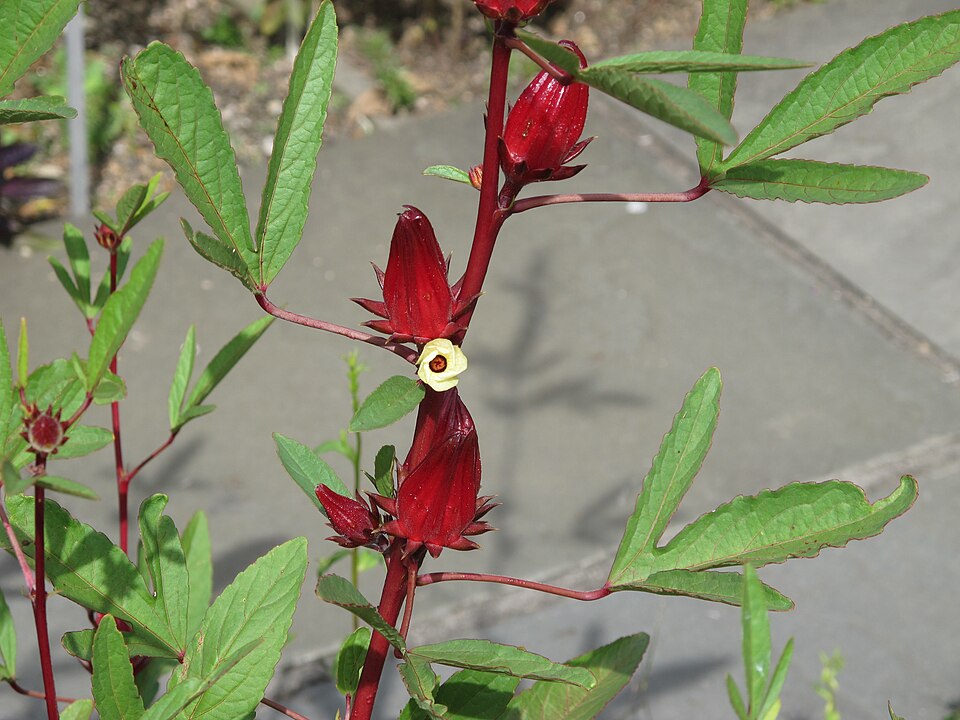
Hibiscus
Hibiscus sabdariffa
The crimson, cranberry-tart tea of Egypt and Mexico — with blood-pressure evidence strong enough to surprise cardiologists.
Leer la guía →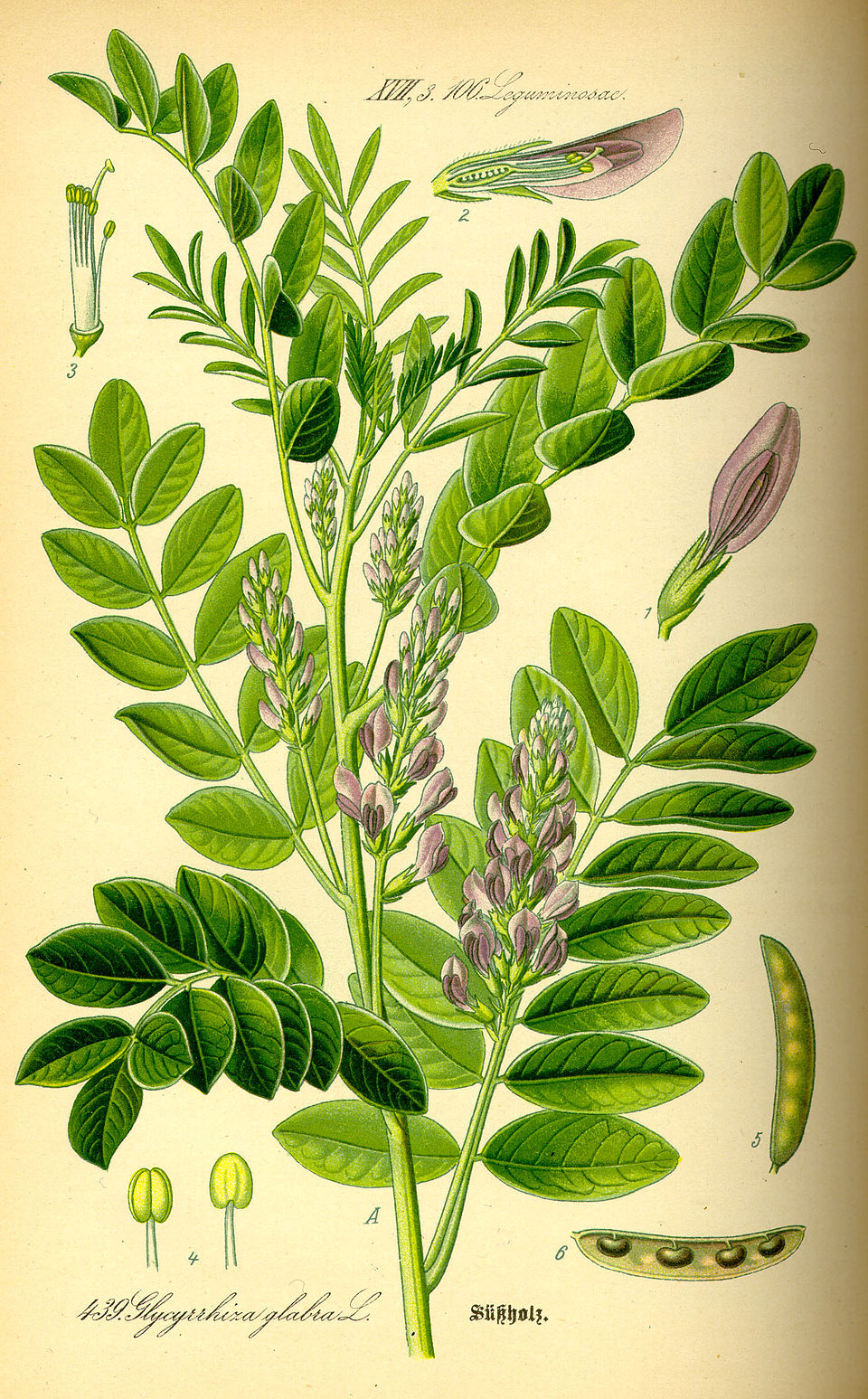
Licorice Root
Glycyrrhiza glabra
An intensely sweet root (its key compound is some fifty times sweeter than sugar) that soothes throats and stomachs — and quietly raises blood pressure if you overdo it.
Leer la guía →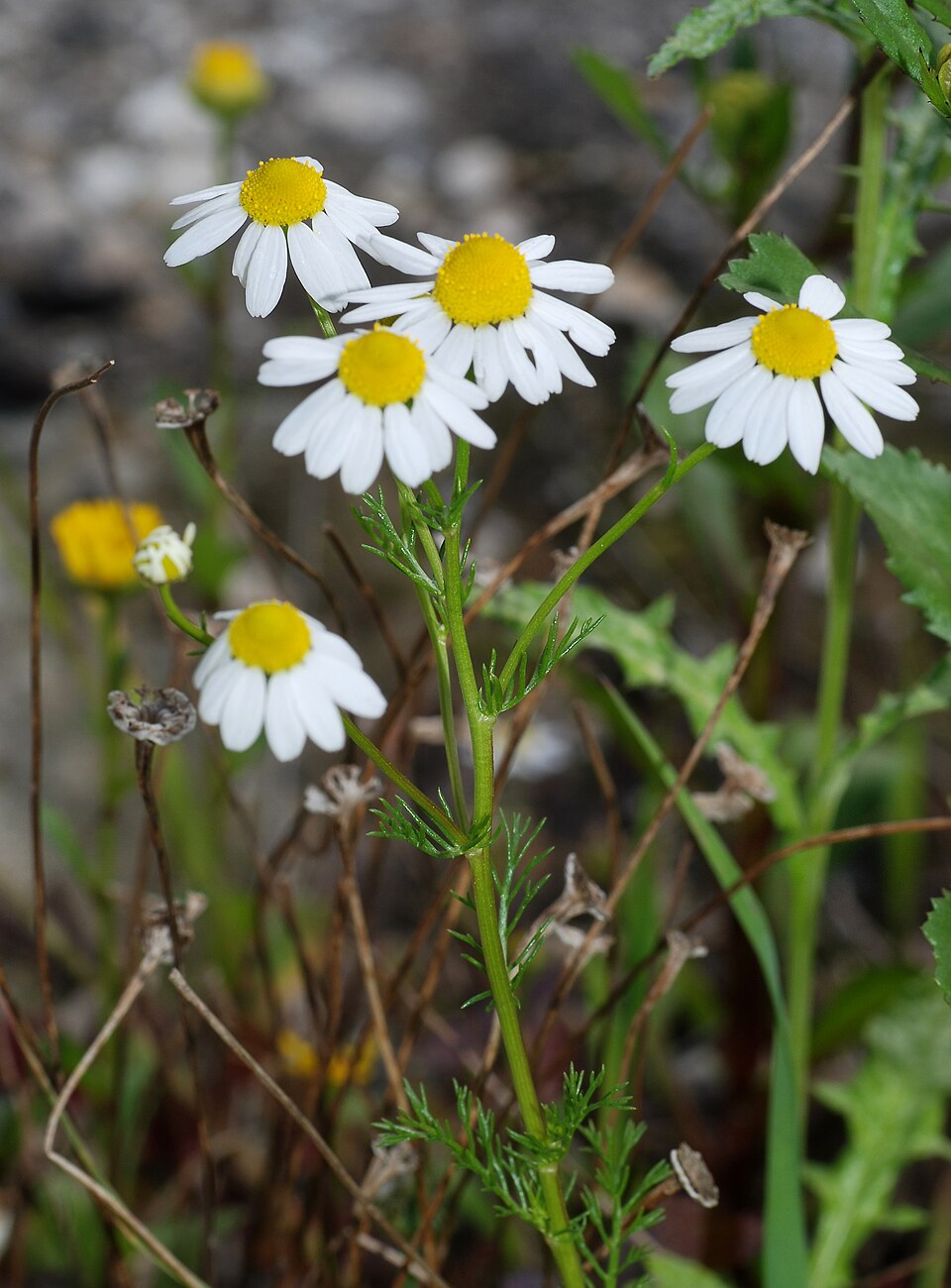
Manzanilla
Matricaria chamomilla
La suave margarita que se convirtió en la infusión para dormir más popular del mundo.
Leer la guía →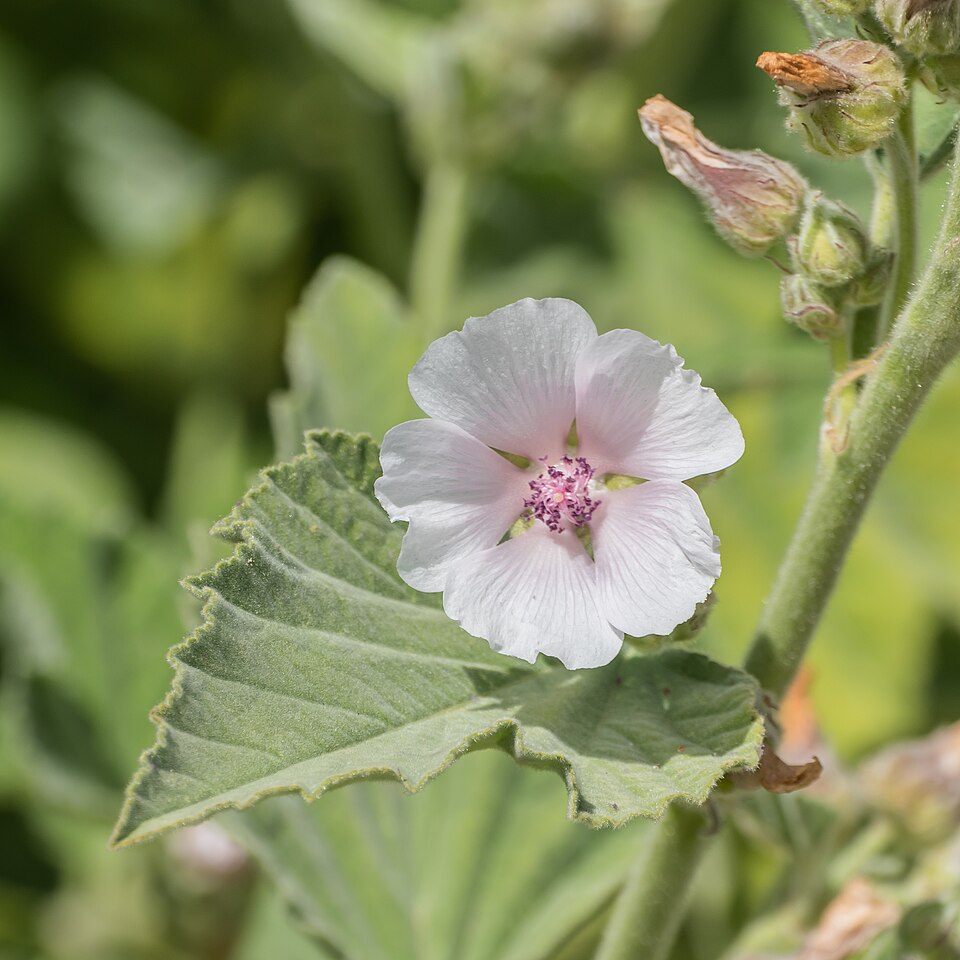
Marshmallow Root
Althaea officinalis
The original marshmallow — a slippery, soothing root for scratchy throats and dry coughs, best made with cold water.
Leer la guía →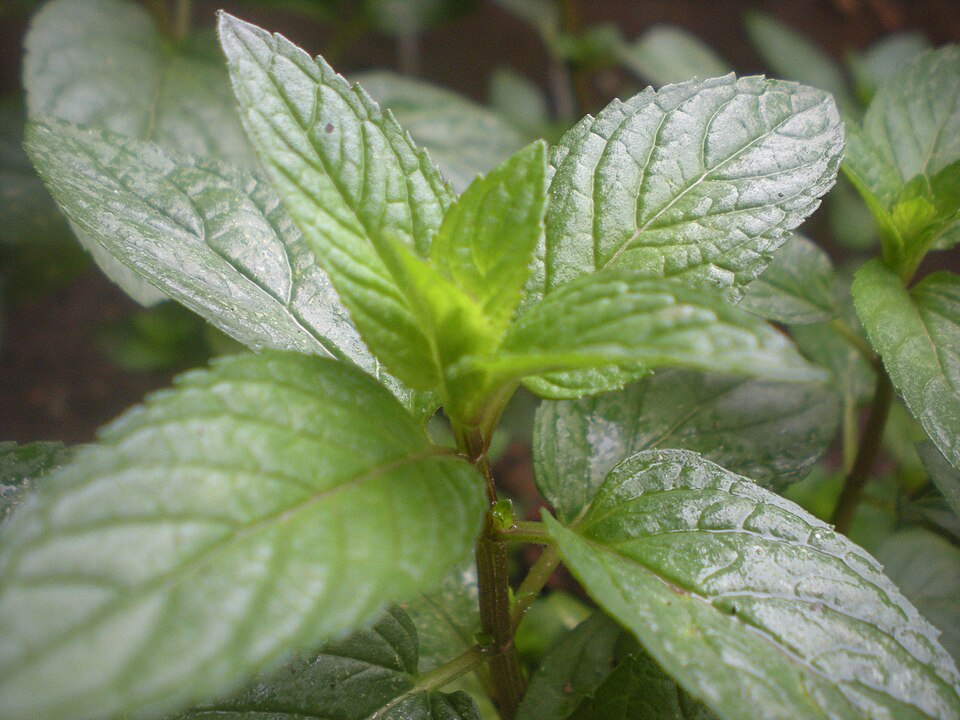
Menta piperita
Mentha × piperita
Una menta de jardín vigorosa cuyo aceite es uno de los tratamientos herbales mejor documentados para el síndrome del intestino irritable.
Leer la guía →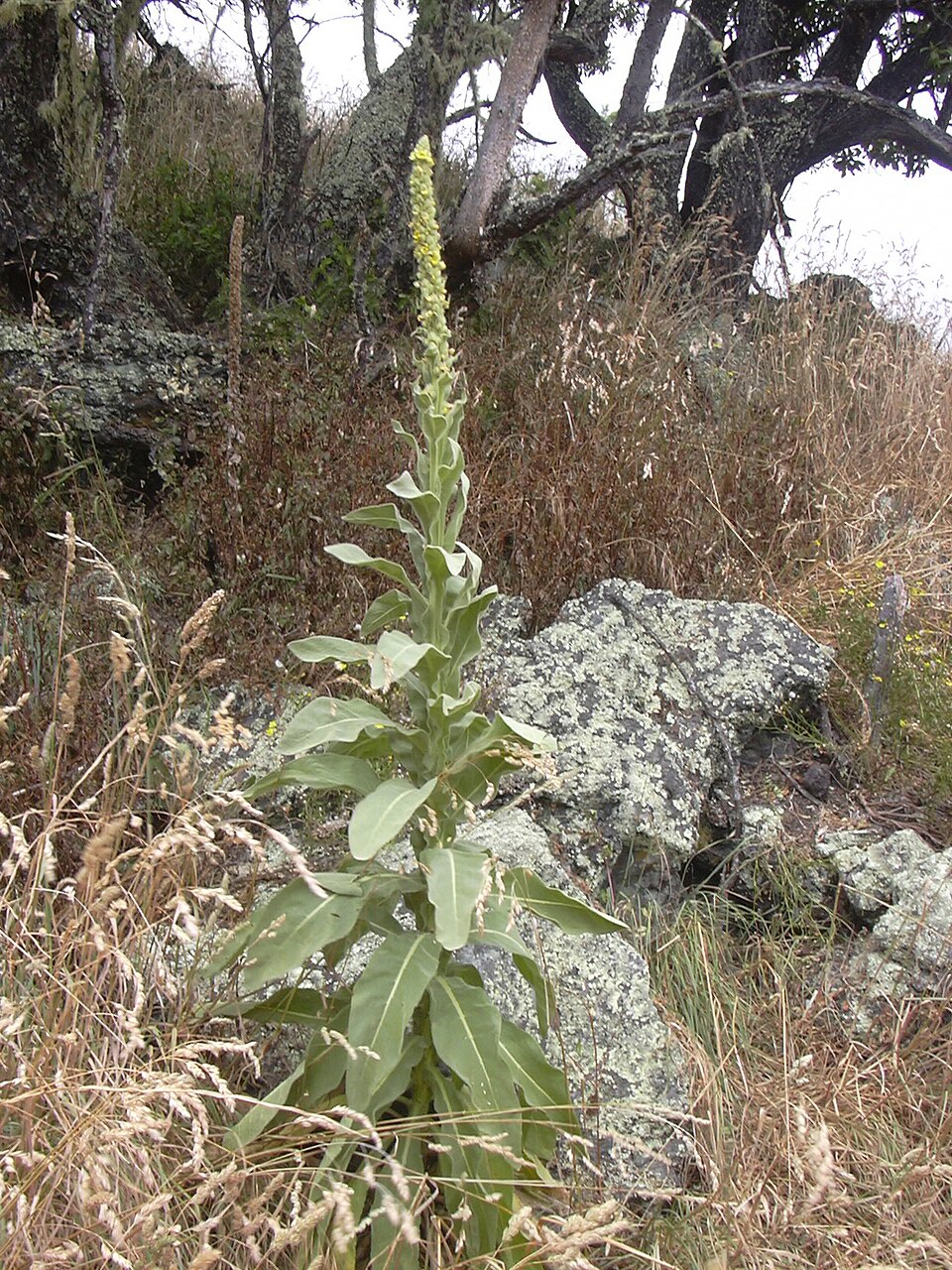
Mullein
Verbascum thapsus
The towering, velvet-leaved roadside torch plant — a traditional cough tea, as long as you strain out its itchy hairs.
Leer la guía →