Pflanzen-Guides
6 Pflanze(n) mit dem Schlagwort „mushroom“, alle nach demselben Schema: was sie ist, ihre Wirkung, ihre Anwendung und ihre Vorsichtshinweise.
Alle Adaptogen 6 Allergien 1 Antioxidans 16 Aromatherapie 3 Atemwege 6 Augen 2 Blutdruck 4 Blutzucker 4 Darmgesundheit 2 Energie 4 Entzündungshemmend 3 Erkältungen 6 Erste Hilfe 6 Essbare Pflanze 14 Gedächtnis 6 Gelenke 3 Harnwege 3 Haut 6 Herz 9 Hormone 2 Immunsystem 8 Konzentration 6 Kopfschmerzen 2 Küchen-Grundnahrung 1 Küchengewürz 19 Leber 2 Menstruation 2 Pilz 6 Ruhe 5 Schlaf 6 Stillzeit 2 Stimmung 2 Stress 5 Tee 8 Verdauung 20 Übelkeit 1
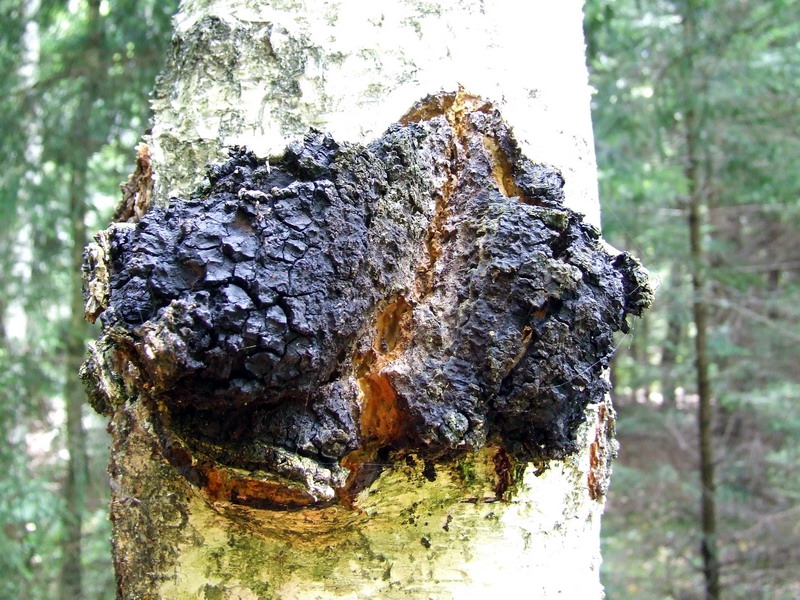
Chaga
Inonotus obliquus
A charcoal-black canker on northern birch trees, brewed into an earthy tea — heavily hyped, lightly studied, and very high in oxalate.
Zum Guide →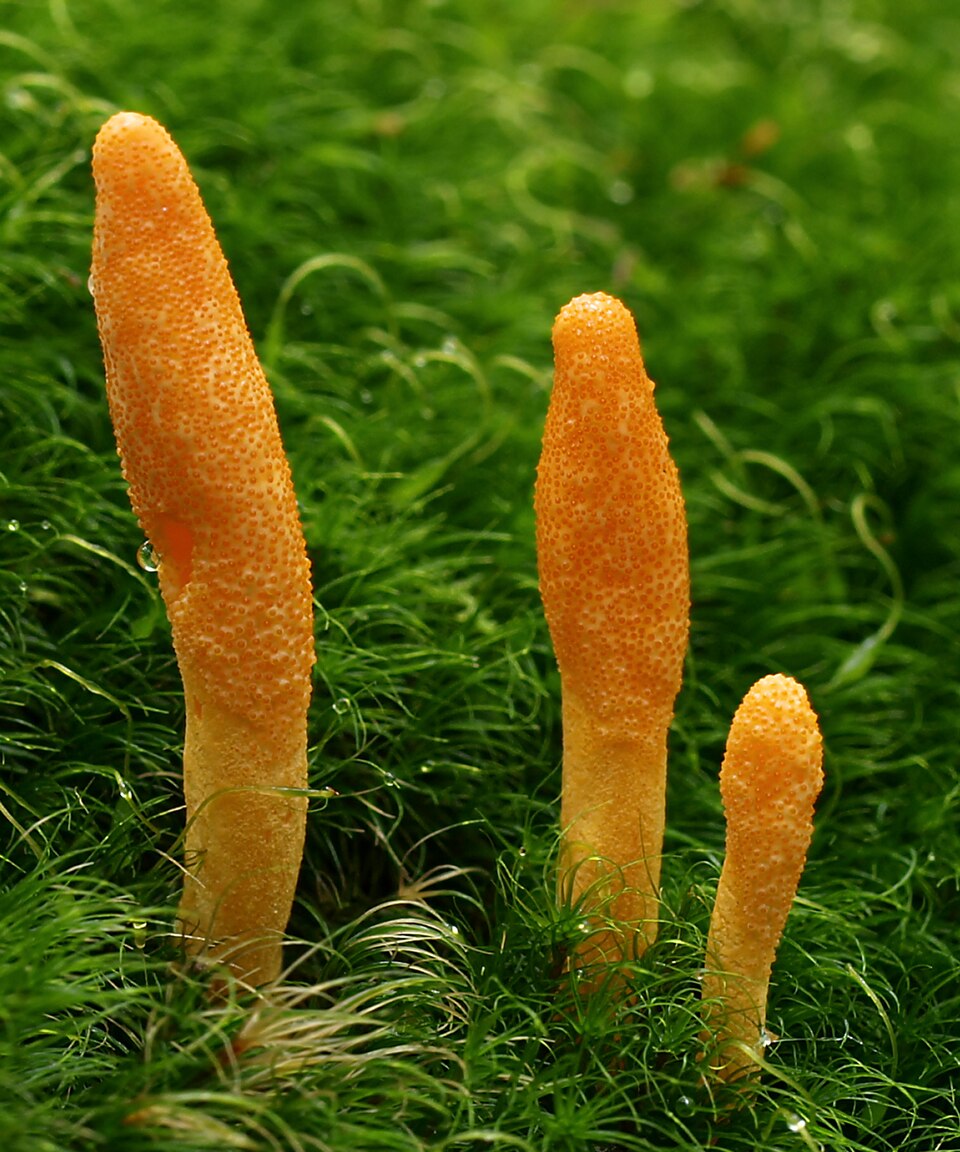
Cordyceps
Cordyceps militaris
The caterpillar fungus of Himalayan legend, now mostly grown on grain — sold for stamina, with evidence that is modest at best.
Zum Guide →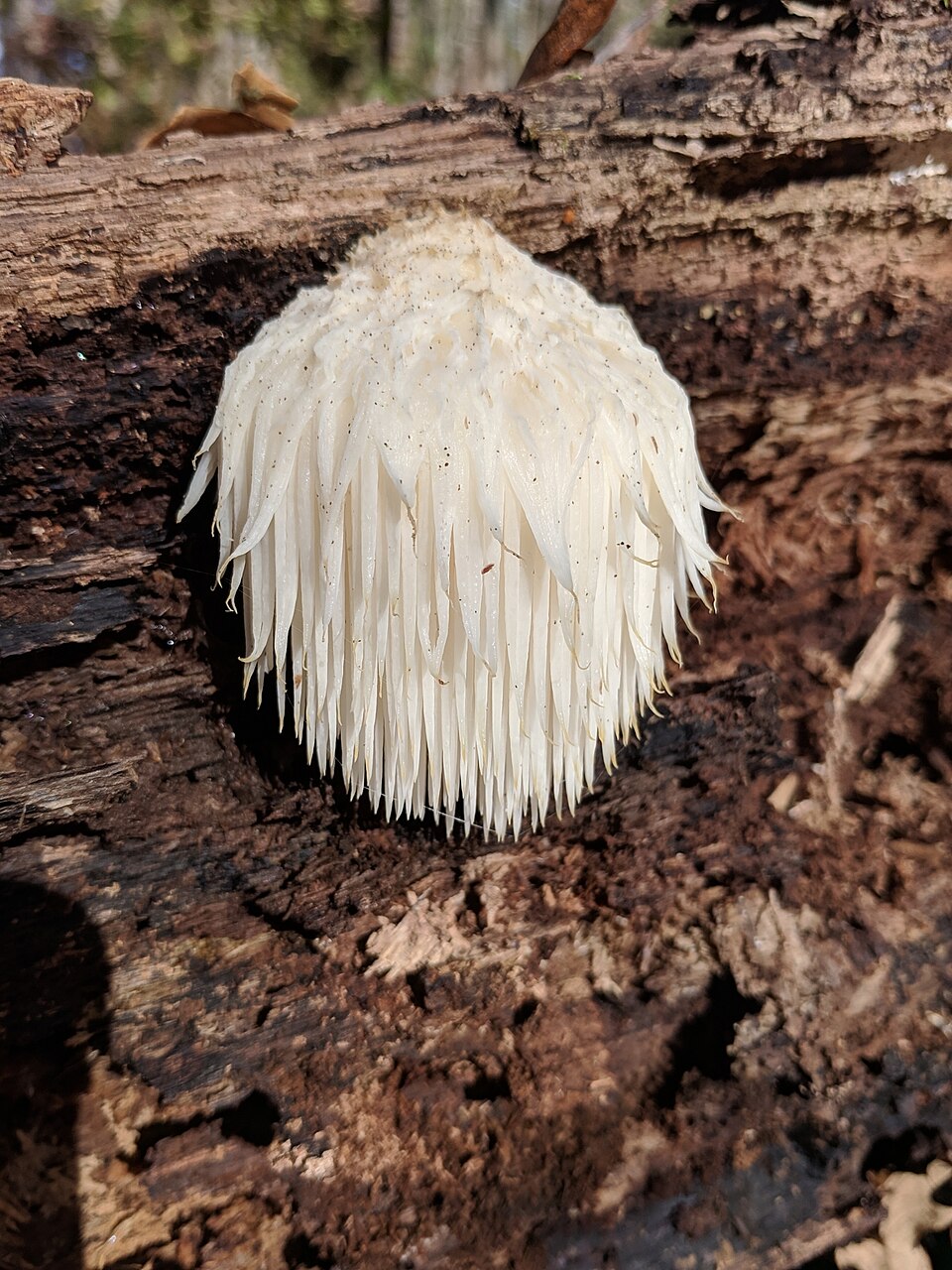
Lion's Mane
Hericium erinaceus
A shaggy white cascade of a mushroom that tastes like crab when fried — and is being studied, cautiously, for the brain.
Zum Guide →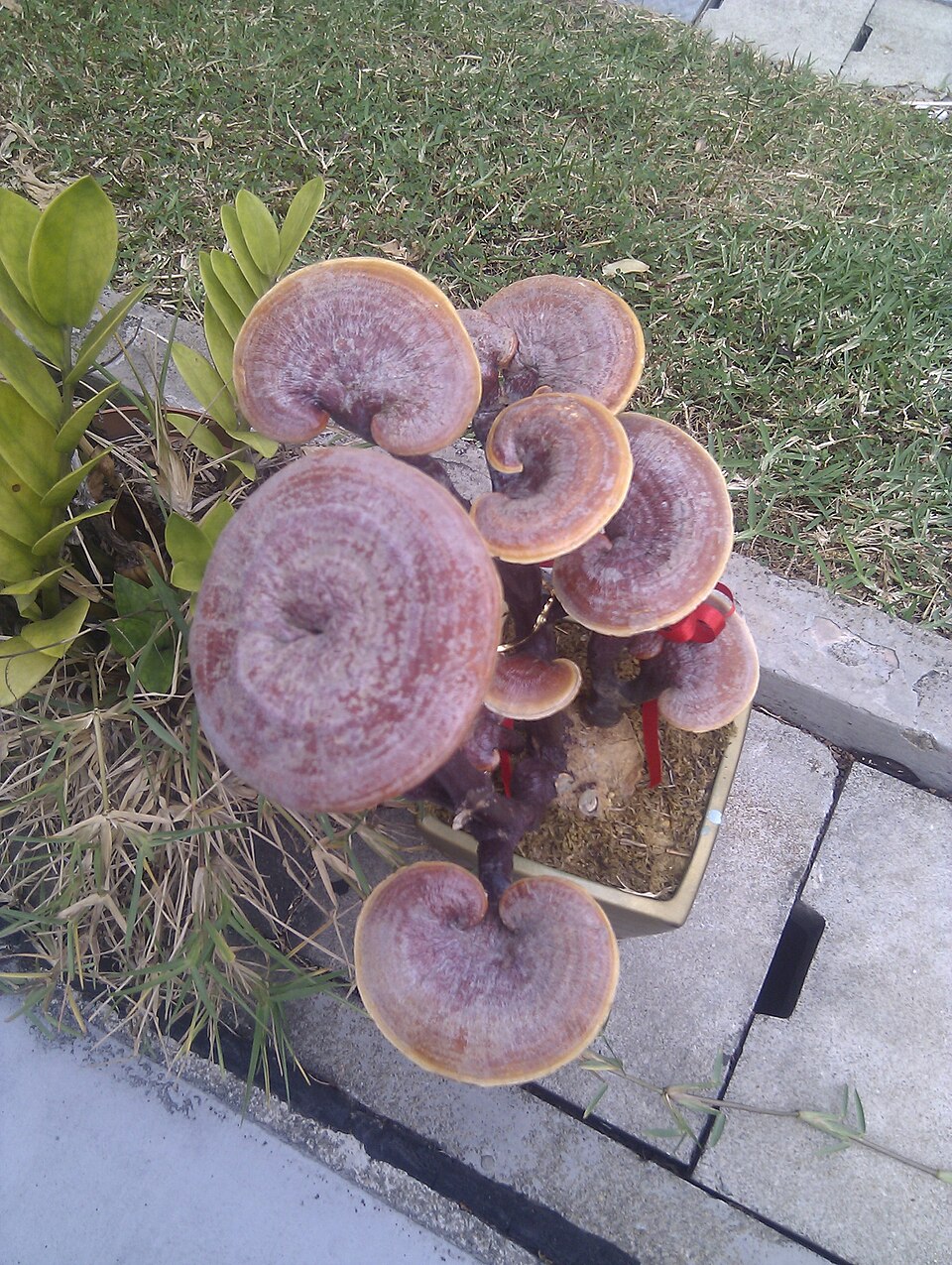
Reishi
Ganoderma lingzhi
The glossy, woody "mushroom of immortality" of Chinese tradition — revered for calm and immunity, but backed by thinner evidence than its legend.
Zum Guide →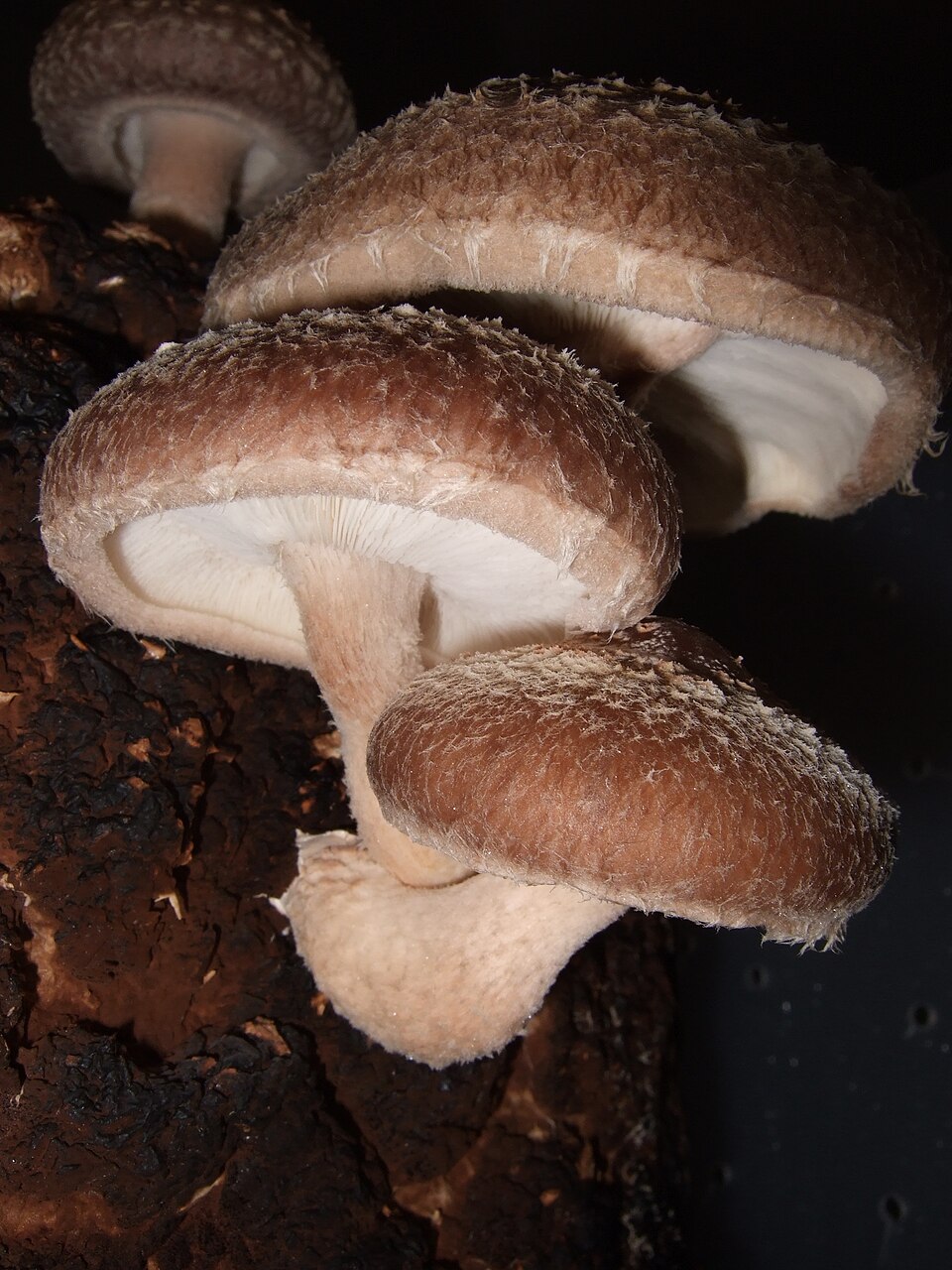
Shiitake
Lentinula edodes
The savoury, meaty mushroom of East Asian kitchens — rich in umami and immune-active fibres, and always best eaten well cooked.
Zum Guide →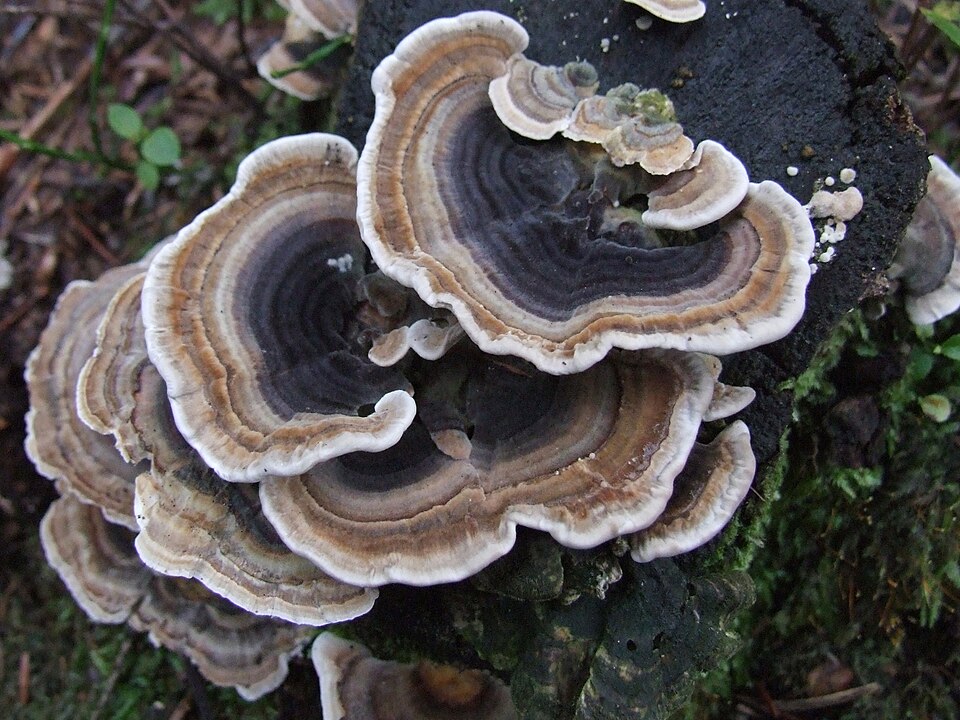
Turkey Tail
Trametes versicolor
A common, striped bracket fungus of woodland logs, rich in immune-active polysaccharides — much studied, often overclaimed.
Zum Guide →