Guías de plantas
6 planta(s) con la etiqueta «mushroom», todas tratadas de la misma manera: qué es, sus beneficios, cómo usarla y sus precauciones.
Todas Adaptógeno 6 Alergias 1 Antiinflamatorio 3 Antioxidante 16 Aromaterapia 3 Articulaciones 3 Azúcar en sangre 4 Básico de cocina 1 Calma 5 Concentración 6 Corazón 9 Digestión 20 Dolor de cabeza 2 Energía 4 Especia de cocina 19 Estado de ánimo 2 Estrés 5 Hongo 6 Hormonas 2 Hígado 2 Infusión 8 Inmunidad 8 Lactancia 2 Memoria 6 Menstruación 2 Náuseas 1 Ojos 2 Piel 6 Planta comestible 14 Primeros auxilios 6 Resfriados 6 Respiratorio 6 Salud intestinal 2 Sueño 6 Tensión arterial 4 Vías urinarias 3
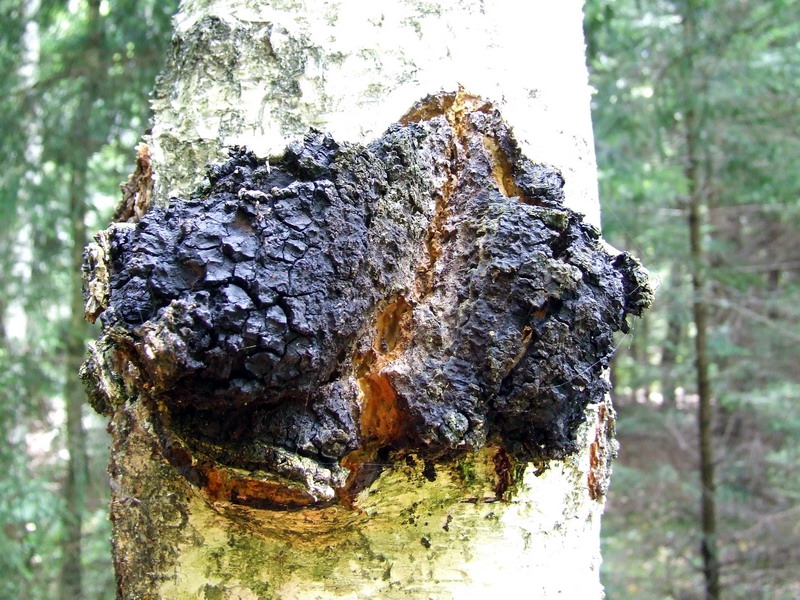
Chaga
Inonotus obliquus
A charcoal-black canker on northern birch trees, brewed into an earthy tea — heavily hyped, lightly studied, and very high in oxalate.
Leer la guía →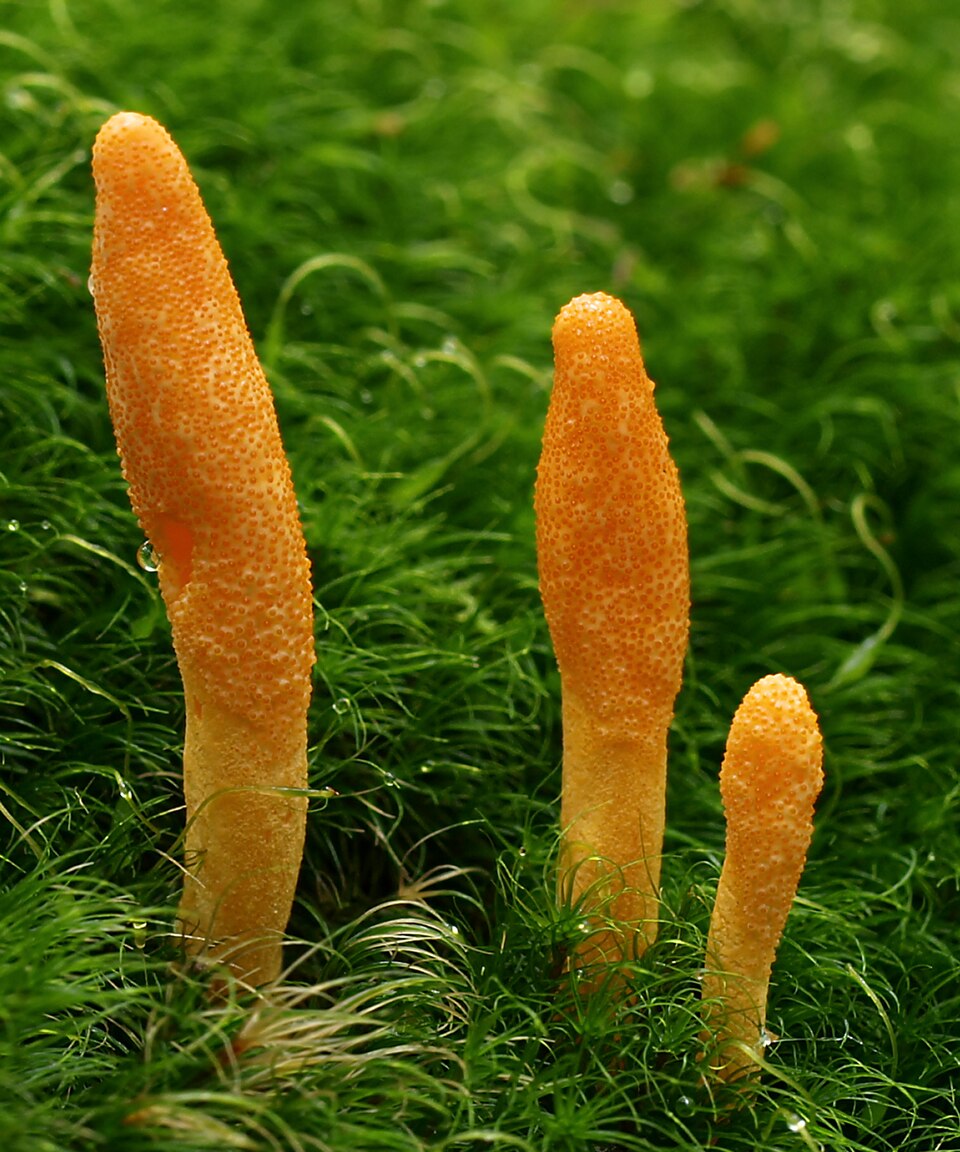
Cordyceps
Cordyceps militaris
The caterpillar fungus of Himalayan legend, now mostly grown on grain — sold for stamina, with evidence that is modest at best.
Leer la guía →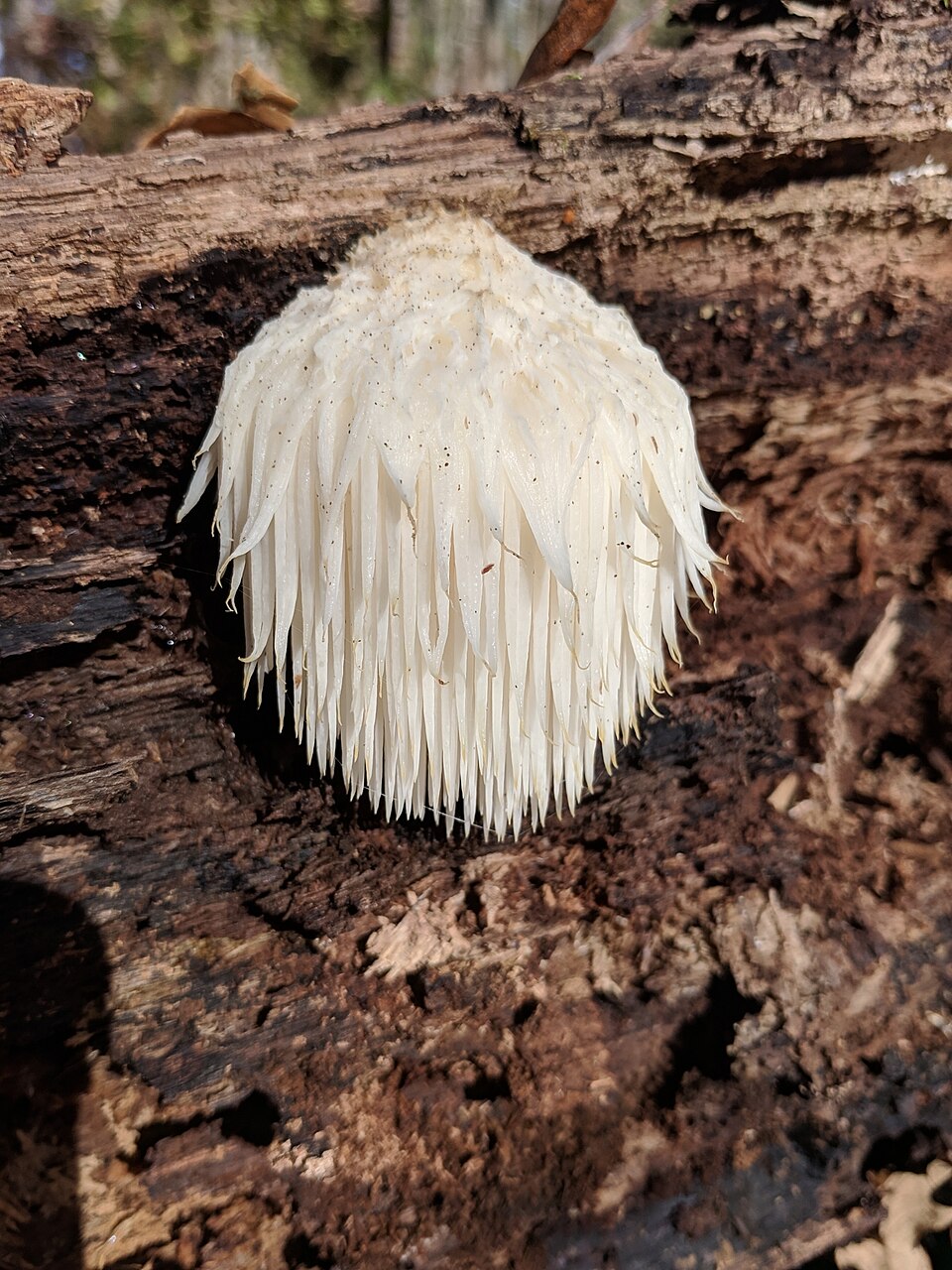
Lion's Mane
Hericium erinaceus
A shaggy white cascade of a mushroom that tastes like crab when fried — and is being studied, cautiously, for the brain.
Leer la guía →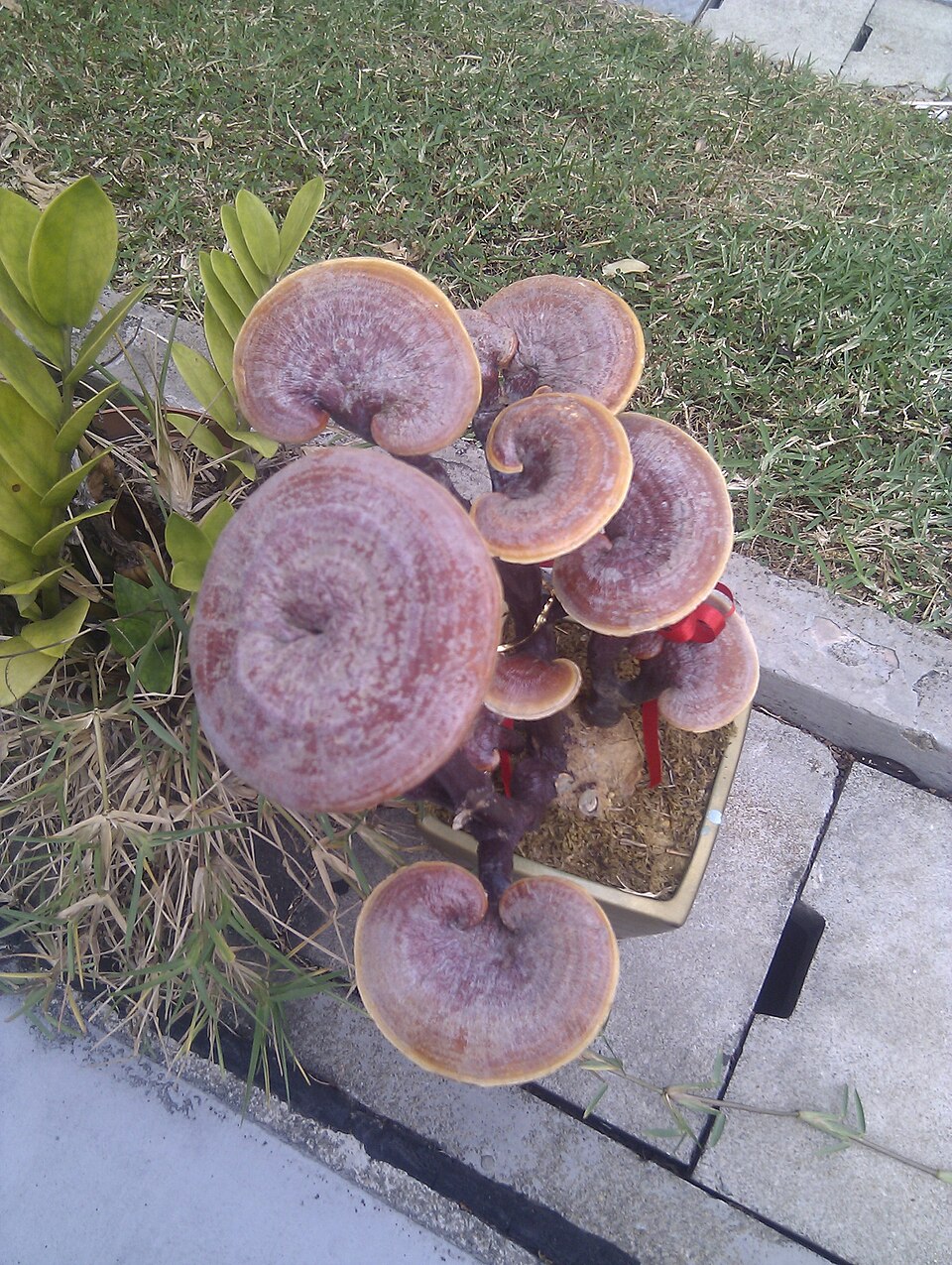
Reishi
Ganoderma lingzhi
The glossy, woody "mushroom of immortality" of Chinese tradition — revered for calm and immunity, but backed by thinner evidence than its legend.
Leer la guía →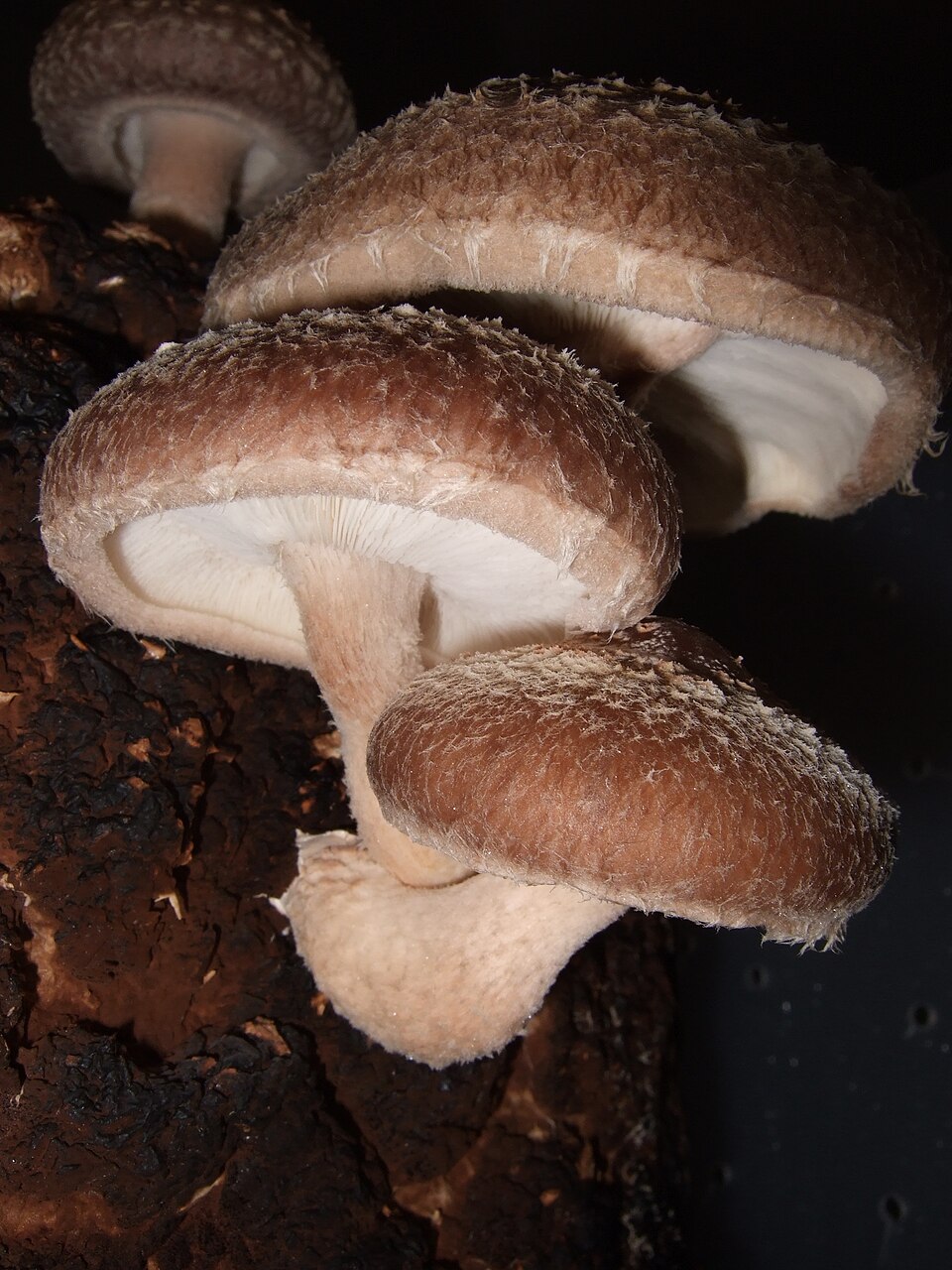
Shiitake
Lentinula edodes
The savoury, meaty mushroom of East Asian kitchens — rich in umami and immune-active fibres, and always best eaten well cooked.
Leer la guía →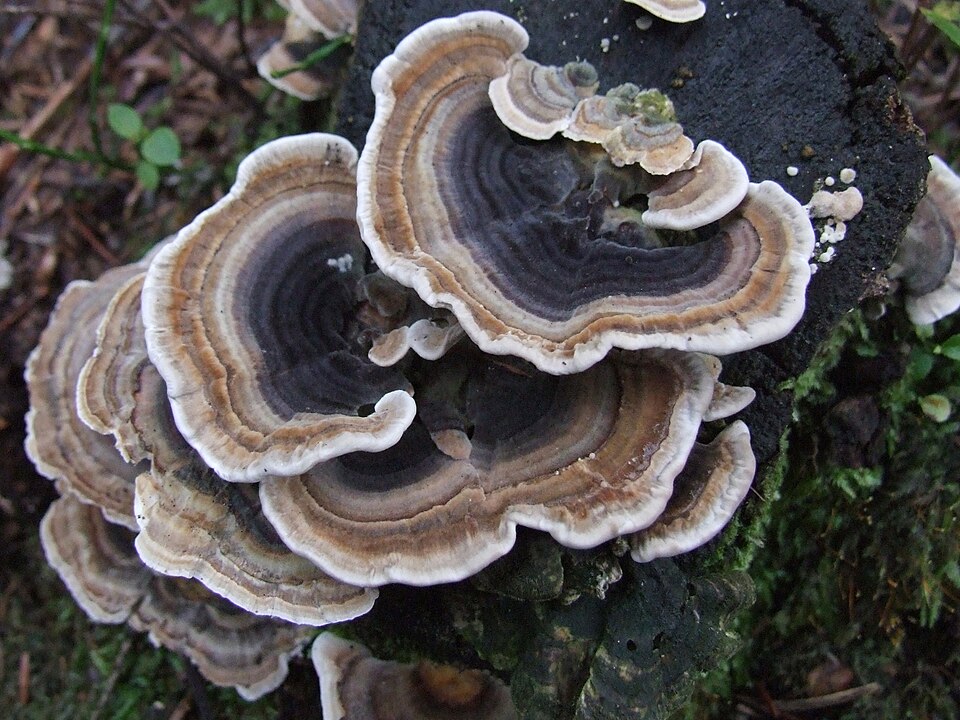
Turkey Tail
Trametes versicolor
A common, striped bracket fungus of woodland logs, rich in immune-active polysaccharides — much studied, often overclaimed.
Leer la guía →