Pflanzen-Guides
20 Pflanze(n) mit dem Schlagwort „digestion“, alle nach demselben Schema: was sie ist, ihre Wirkung, ihre Anwendung und ihre Vorsichtshinweise.
Alle Adaptogen 6 Allergien 1 Antioxidans 16 Aromatherapie 3 Atemwege 6 Augen 2 Blutdruck 4 Blutzucker 4 Darmgesundheit 2 Energie 4 Entzündungshemmend 3 Erkältungen 6 Erste Hilfe 6 Essbare Pflanze 14 Gedächtnis 6 Gelenke 3 Harnwege 3 Haut 6 Herz 9 Hormone 2 Immunsystem 8 Konzentration 6 Kopfschmerzen 2 Küchen-Grundnahrung 1 Küchengewürz 19 Leber 2 Menstruation 2 Pilz 6 Ruhe 5 Schlaf 6 Stillzeit 2 Stimmung 2 Stress 5 Tee 8 Verdauung 20 Übelkeit 1
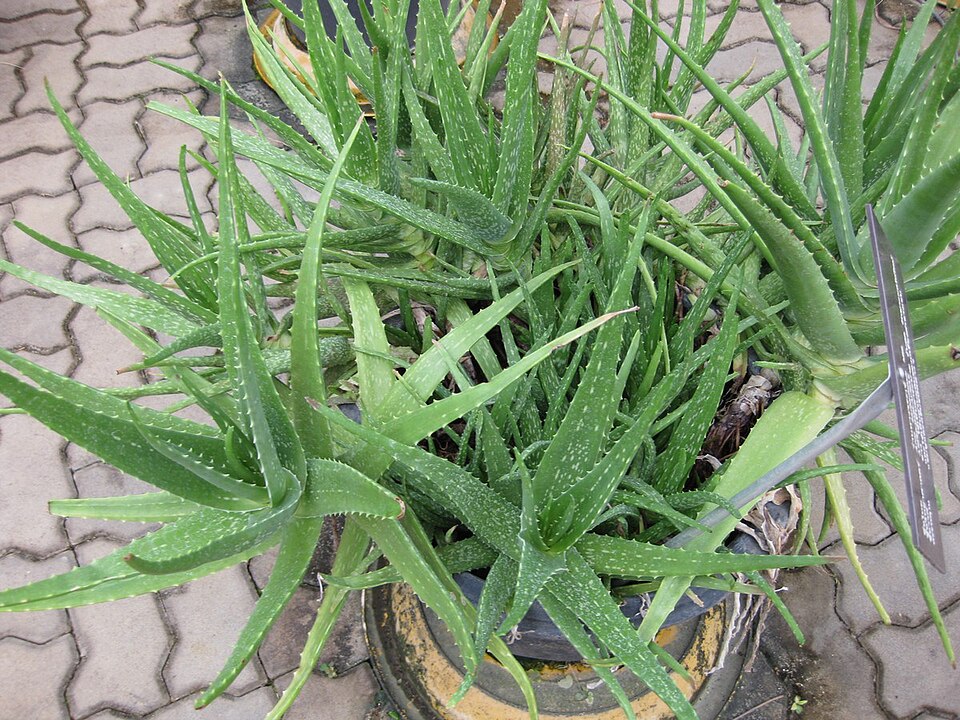
Aloe vera
Aloe barbadensis miller
Die Sukkulente, deren Gel seit Jahrtausenden ein Hausmittel gegen Verbrennungen und Hautreizungen ist.
Zum Guide →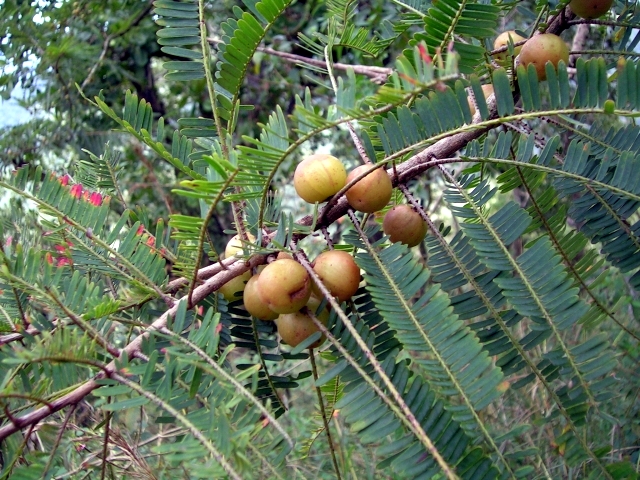
Amla / Indian Gooseberry
Phyllanthus emblica
Ayurveda's sour green fruit — a vitamin C powerhouse and the backbone of Triphala and chyawanprash.
Zum Guide →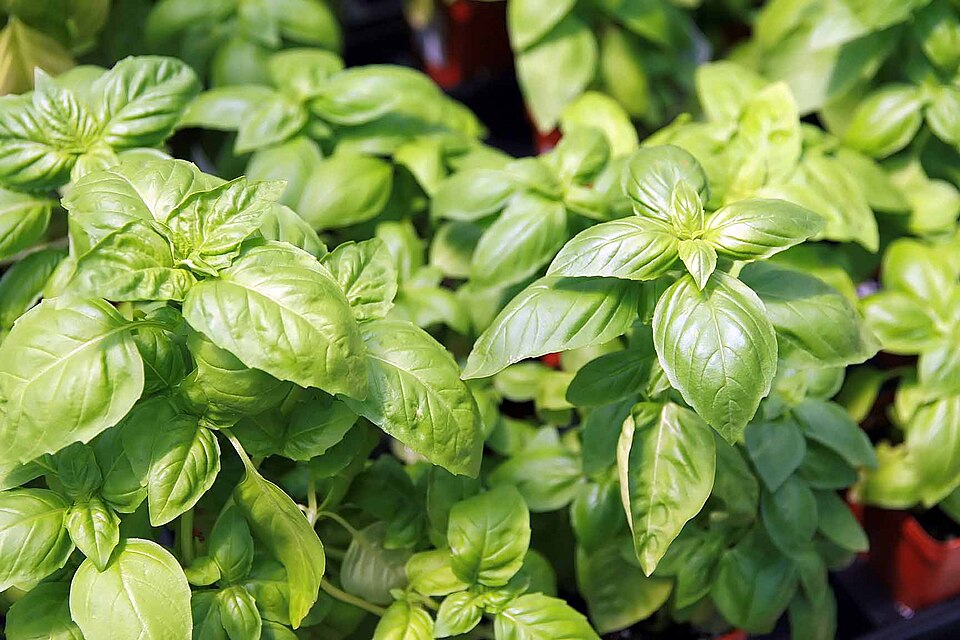
Basil
Ocimum basilicum
The sweet, clove-and-anise scented leaf of summer — at its best torn fresh over tomatoes and never cooked for long.
Zum Guide →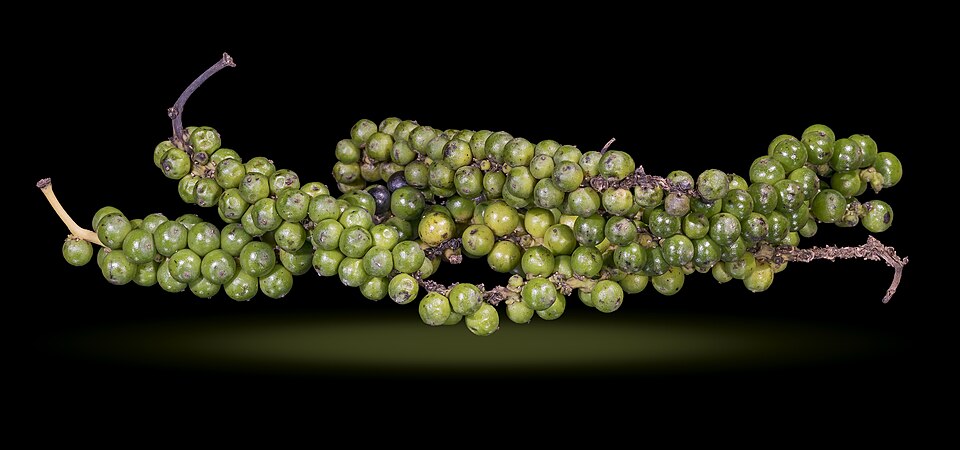
Black Pepper
Piper nigrum
The king of spices, best ground fresh at the table — and a quiet booster of how much of some nutrients and drugs your body absorbs.
Zum Guide →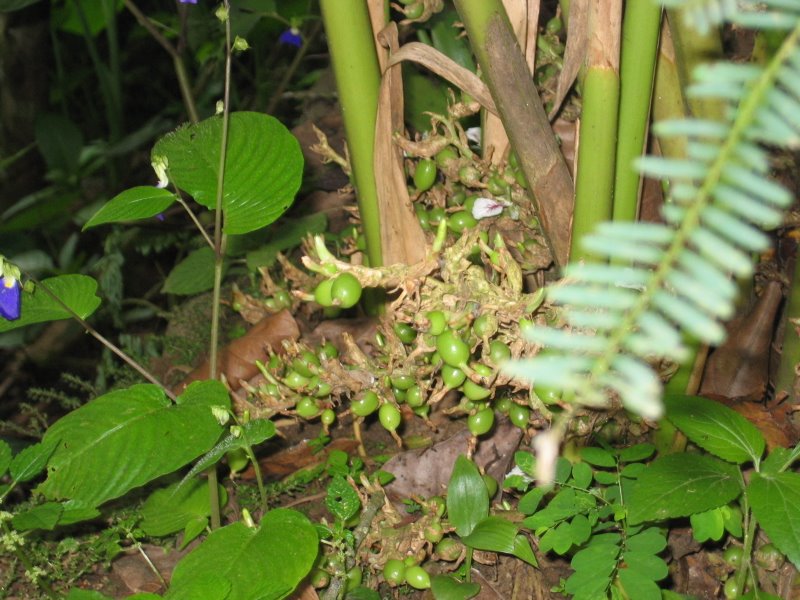
Cardamom
Elettaria cardamomum
Little green pods of sweet, eucalyptus-bright perfume — the soul of chai, Arabic coffee and Scandinavian buns.
Zum Guide →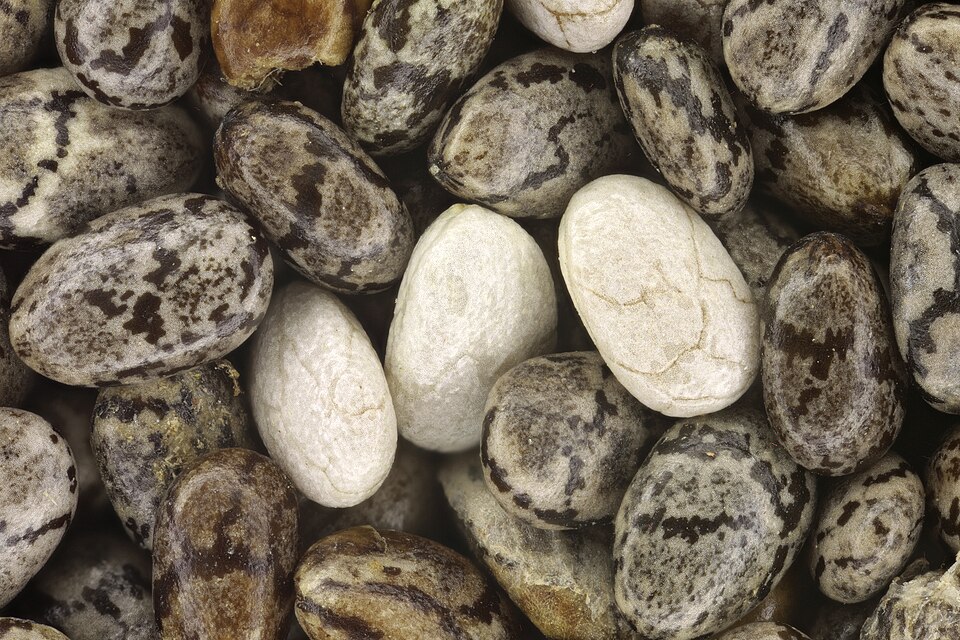
Chia Seeds
Salvia hispanica
The ancient Aztec seed that swells into a pudding in minutes — a great fibre source, as long as you soak it first.
Zum Guide →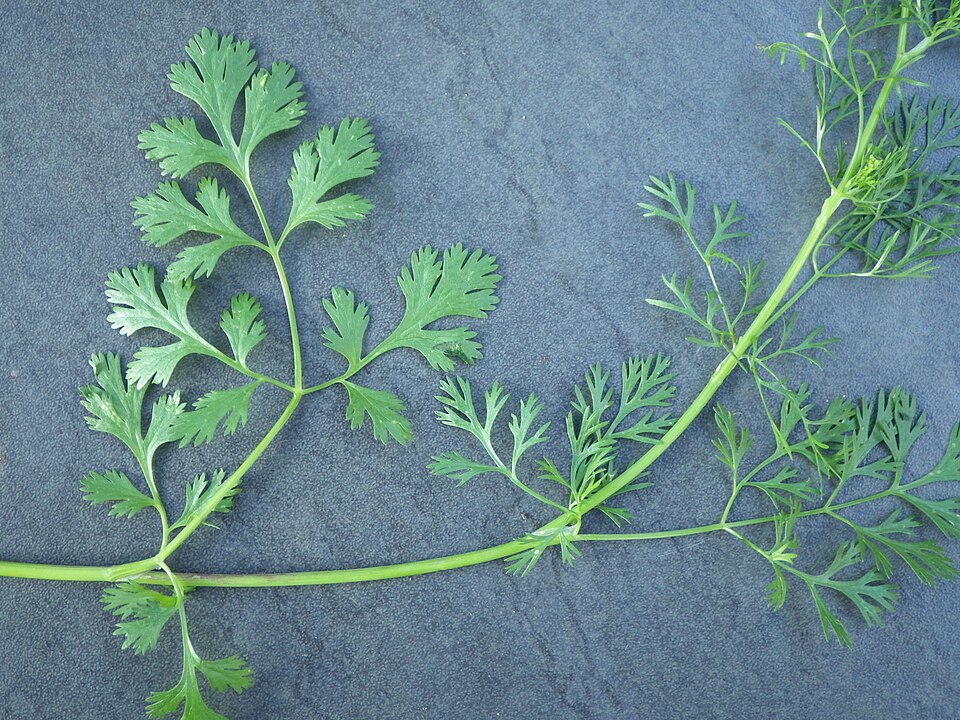
Coriander / Cilantro
Coriandrum sativum
One plant, two kitchens: bright citrusy leaves that some people swear taste of soap, and warm seeds that soothe a bloated belly.
Zum Guide →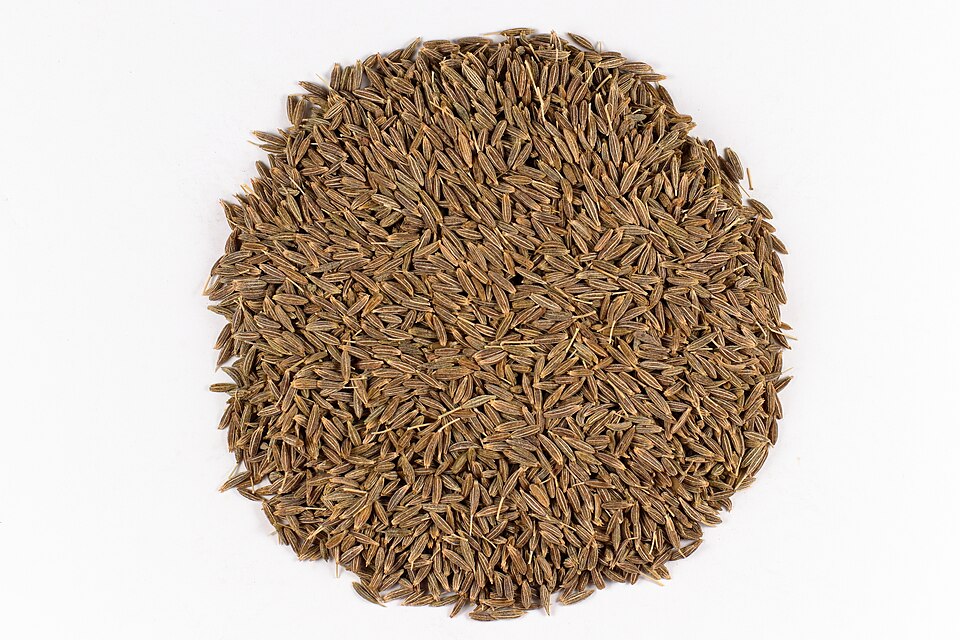
Cumin
Cuminum cyminum
The warm, earthy seed behind curries, chilli and falafel — best bloomed in hot oil until it crackles and smells toasty.
Zum Guide →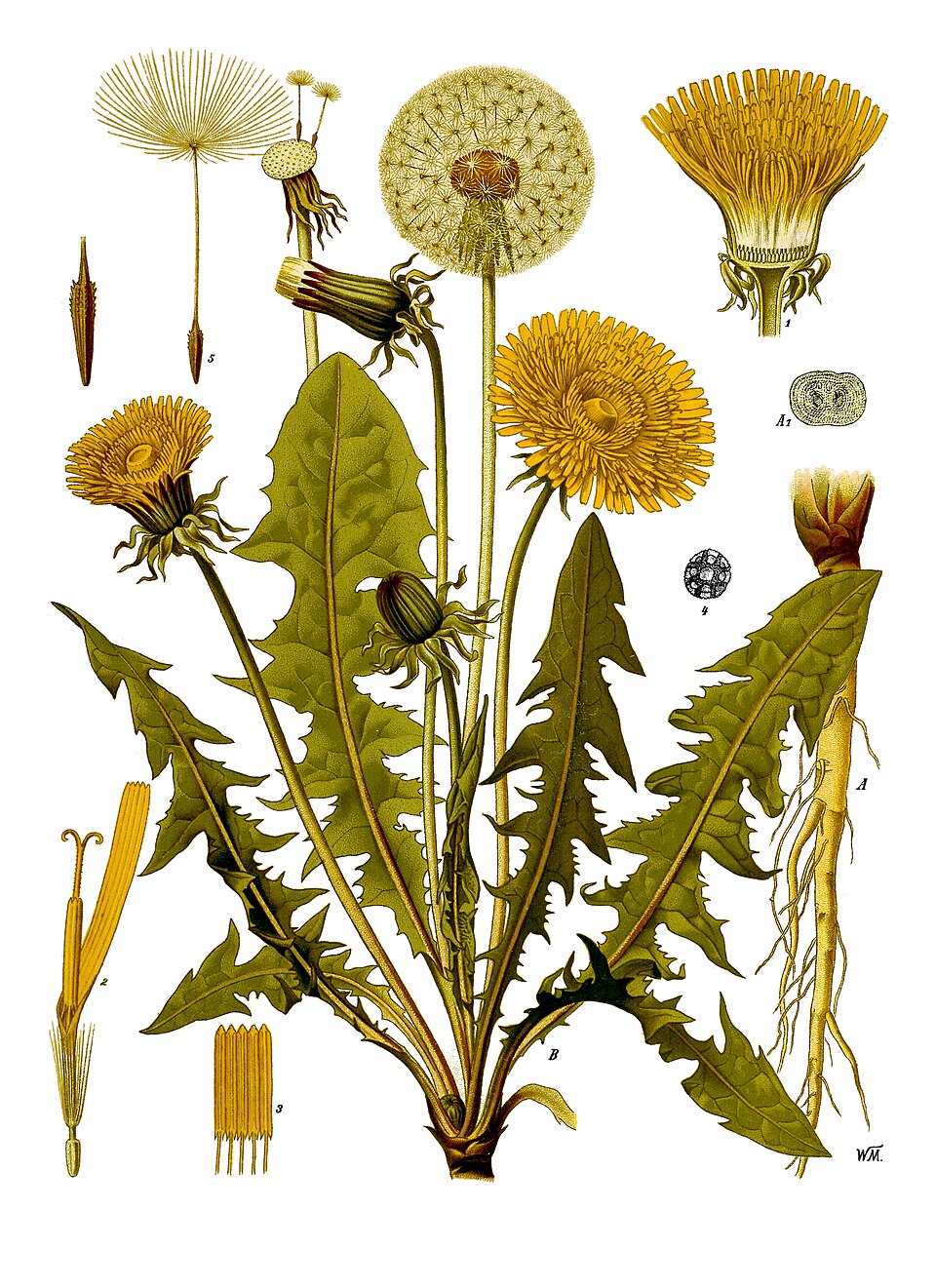
Dandelion
Taraxacum officinale
The lawn "weed" that's actually a salad green, coffee substitute and one of herbal medicine's oldest digestive bitters.
Zum Guide →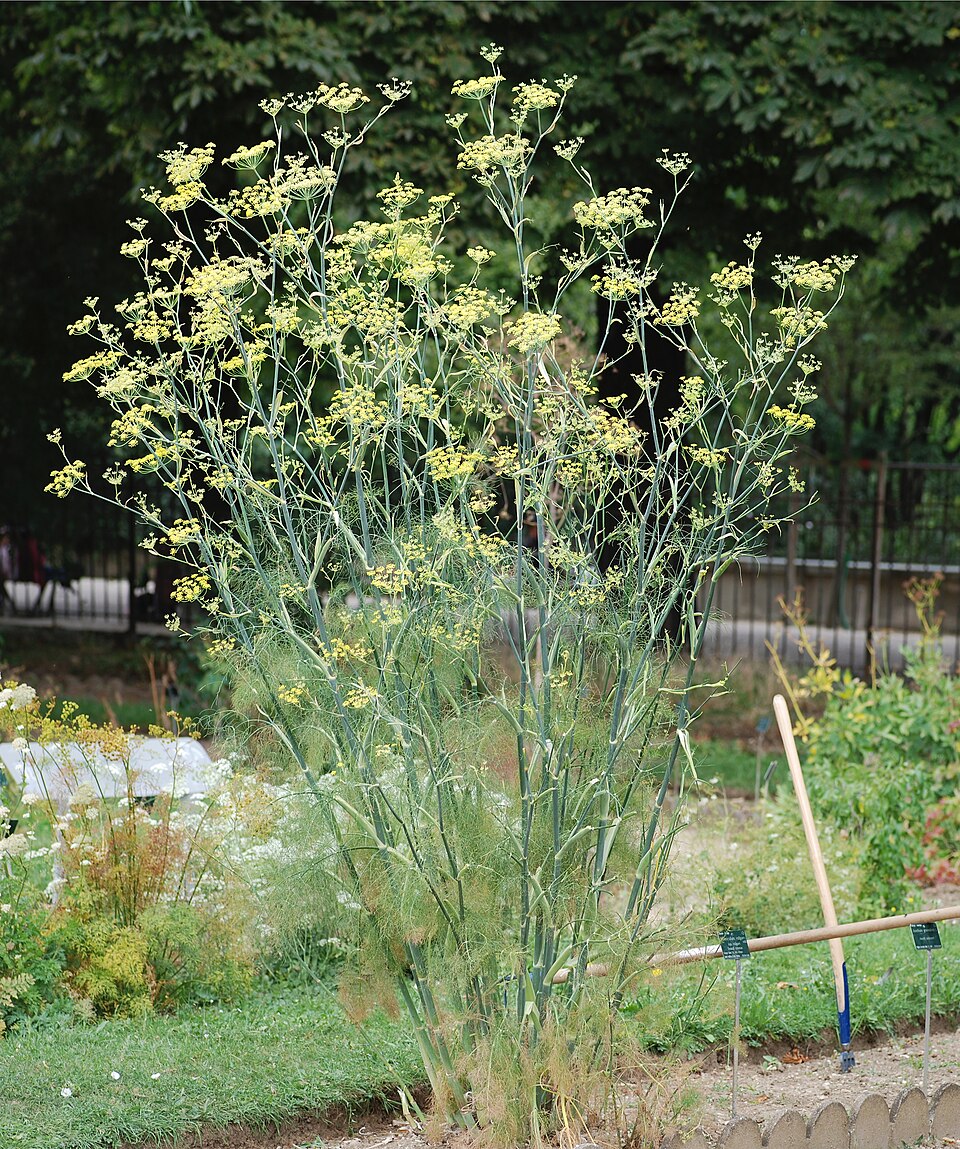
Fennel
Foeniculum vulgare
Crisp aniseed bulb, feathery fronds and sweet digestive seeds — one plant that covers salad, spice rack and after-dinner tea.
Zum Guide →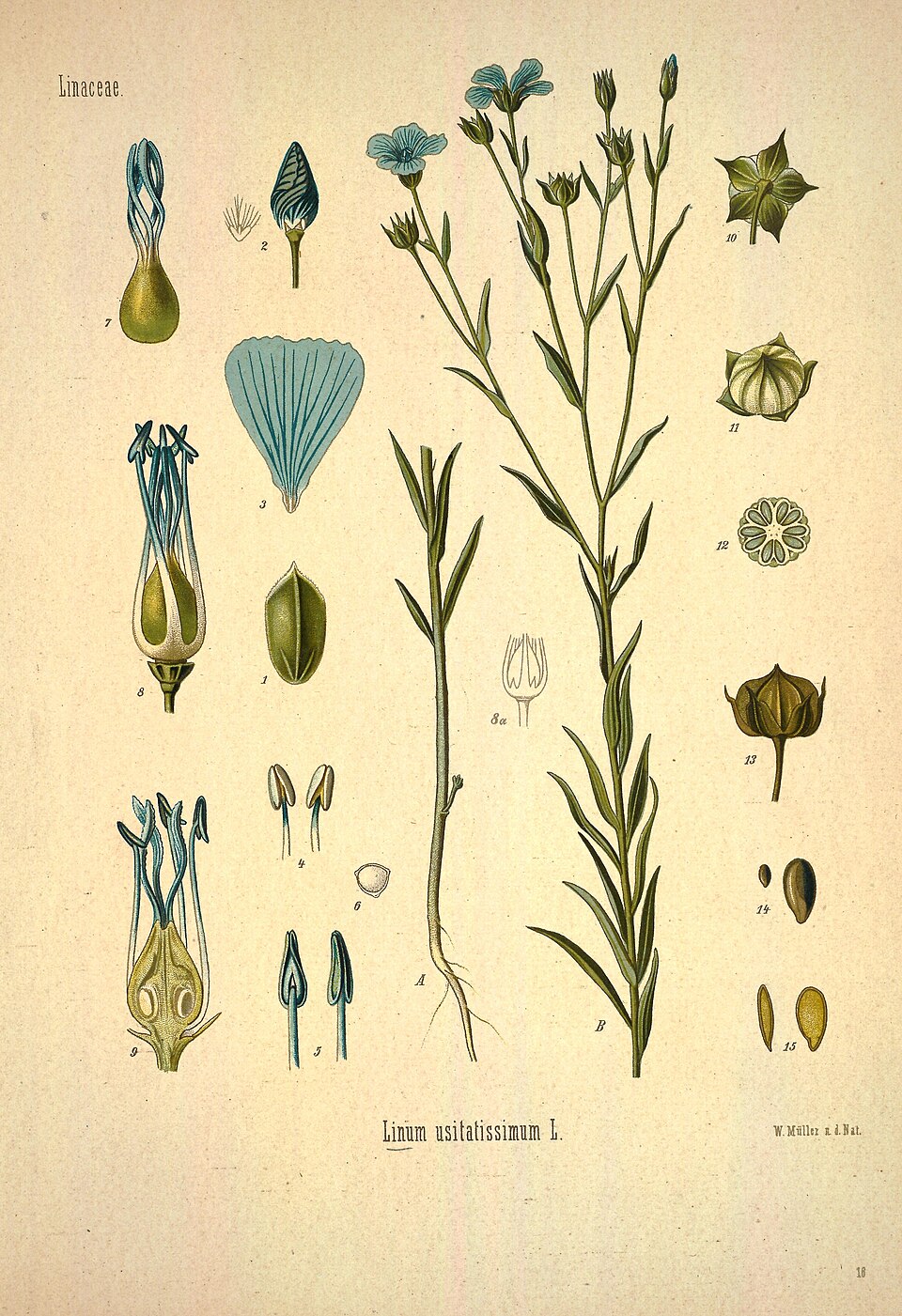
Flaxseed
Linum usitatissimum
Humble brown seeds with a trio of talents — fibre, plant omega-3 and lignans — but only if you grind them first.
Zum Guide →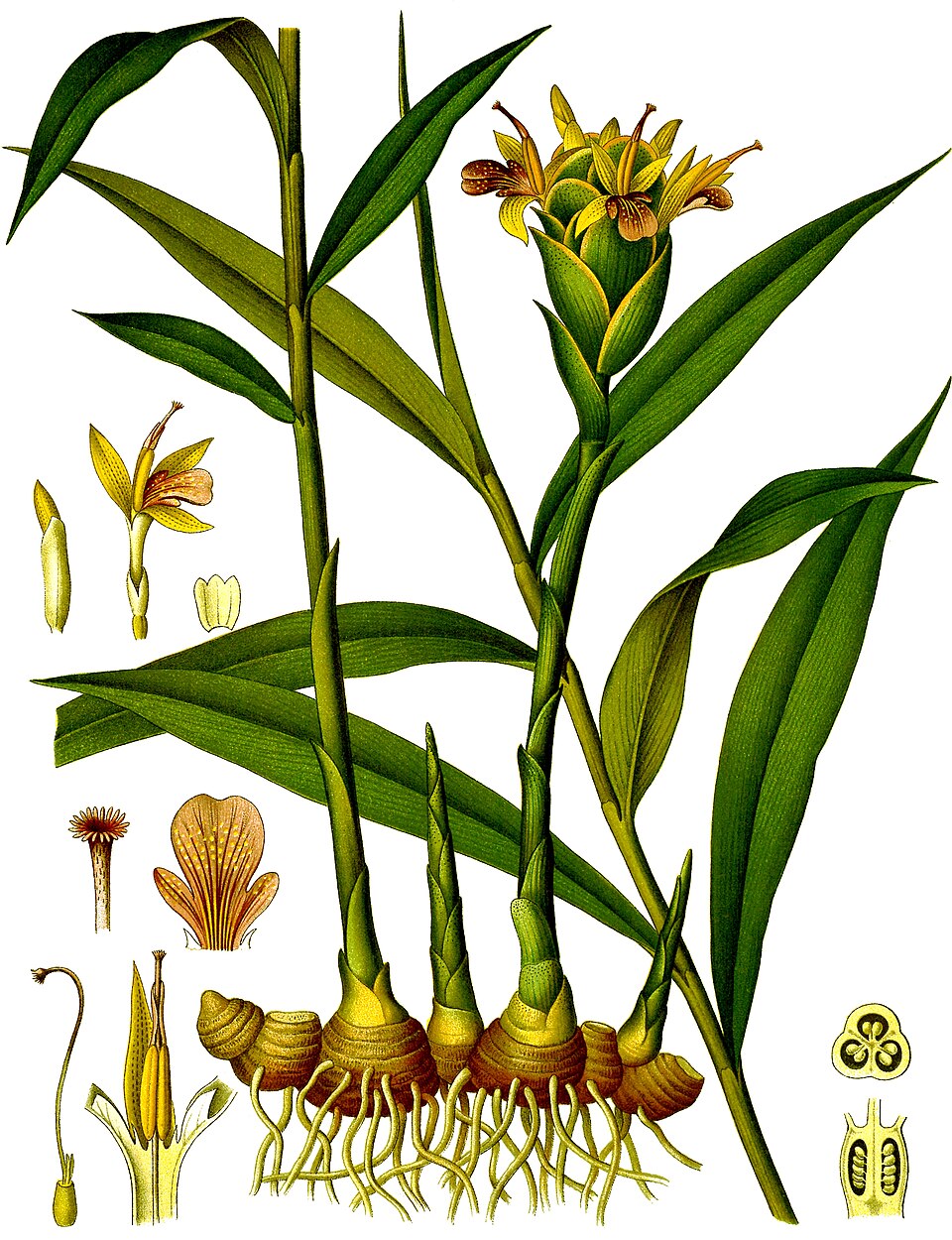
Ingwer
Zingiber officinale
Das weltweit verlässlichste Mittel gegen einen flauen Magen – mit den klinischen Studien, die es belegen.
Zum Guide →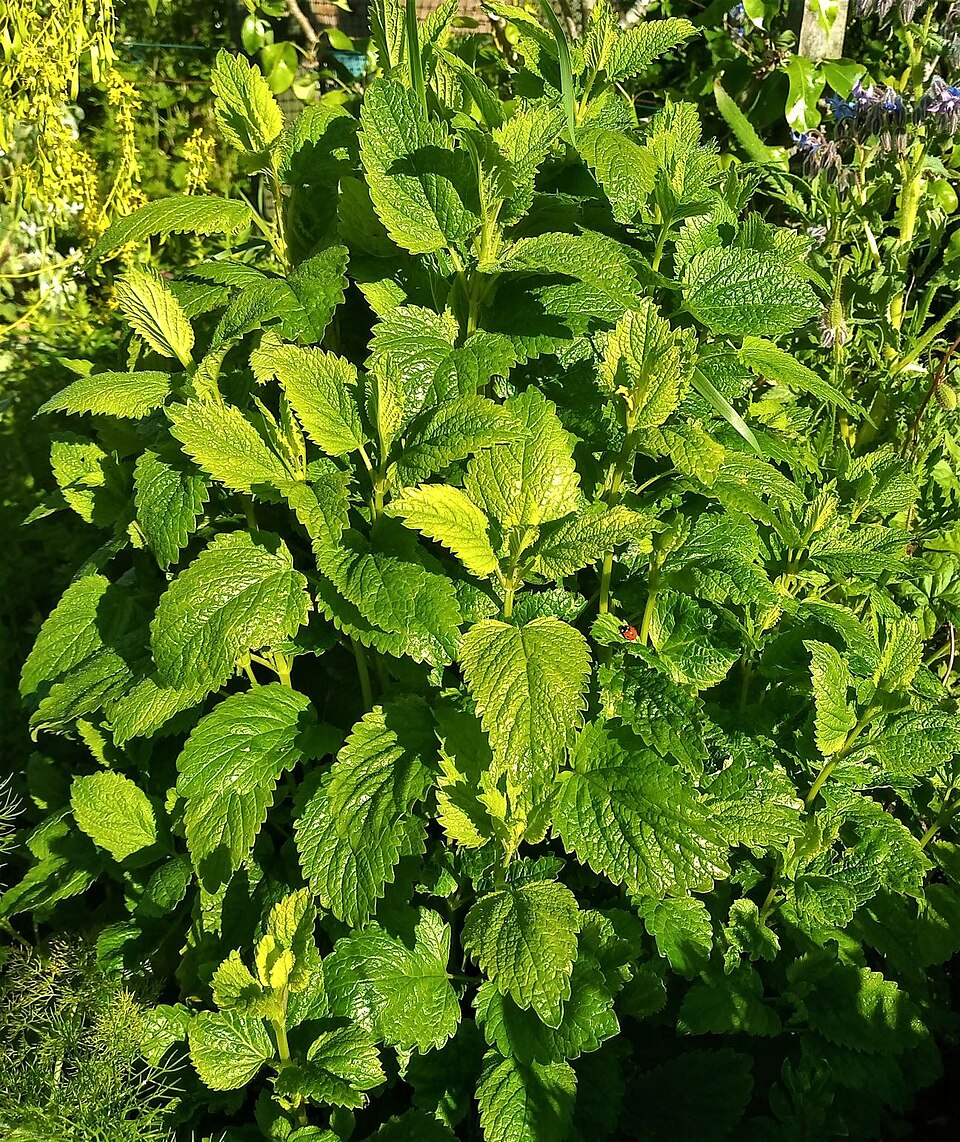
Lemon Balm
Melissa officinalis
The lemon-scented mint that takes the edge off stress — beloved by bees, herbalists and anxious students alike.
Zum Guide →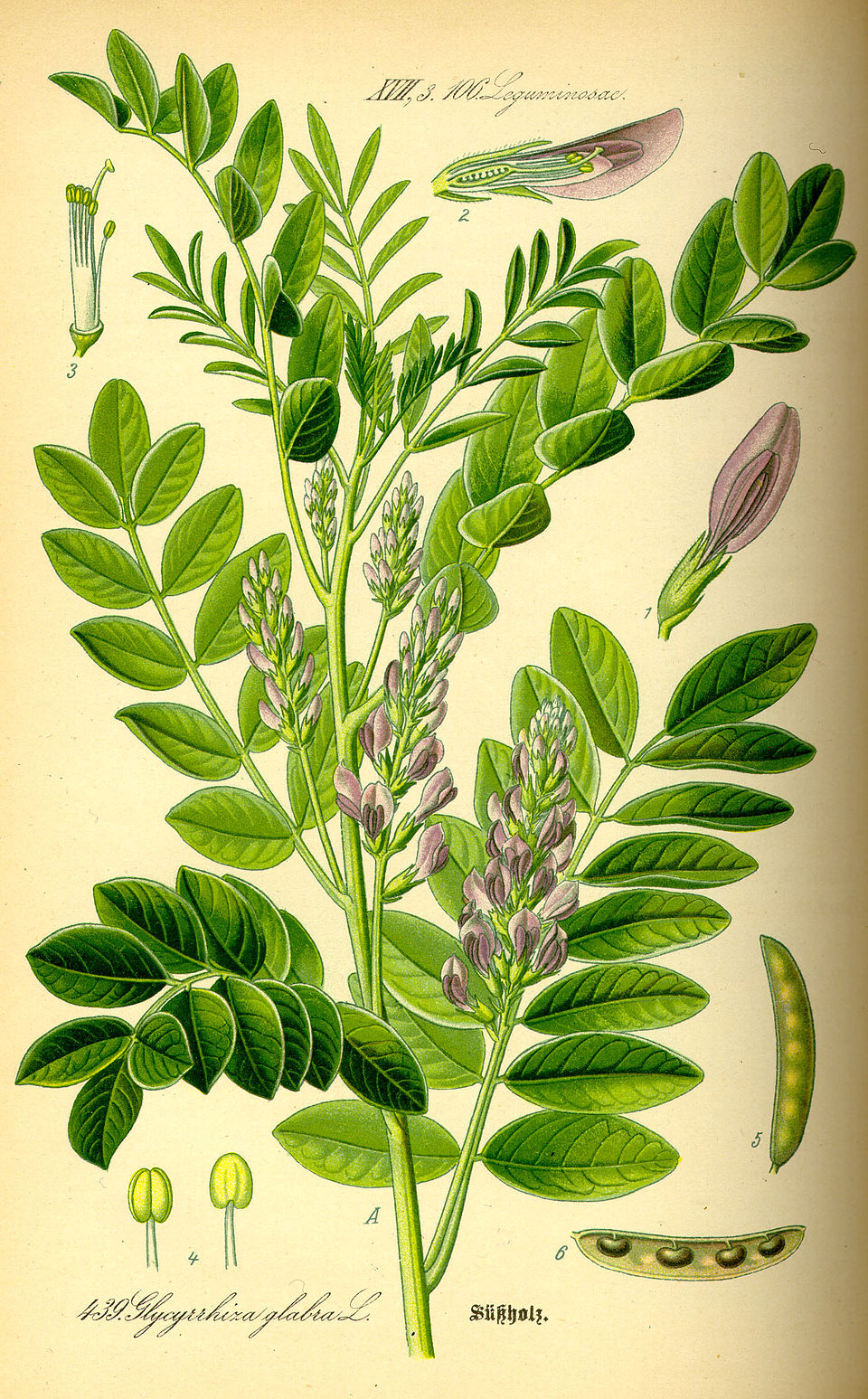
Licorice Root
Glycyrrhiza glabra
An intensely sweet root (its key compound is some fifty times sweeter than sugar) that soothes throats and stomachs — and quietly raises blood pressure if you overdo it.
Zum Guide →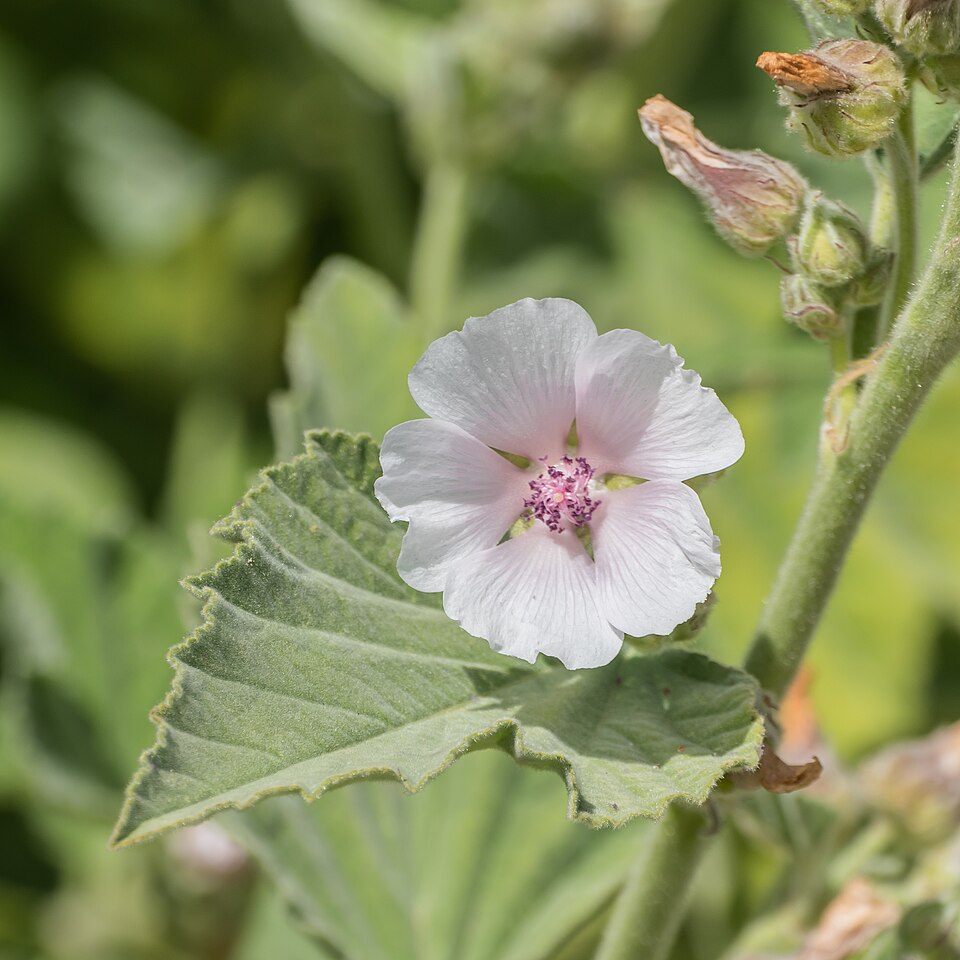
Marshmallow Root
Althaea officinalis
The original marshmallow — a slippery, soothing root for scratchy throats and dry coughs, best made with cold water.
Zum Guide →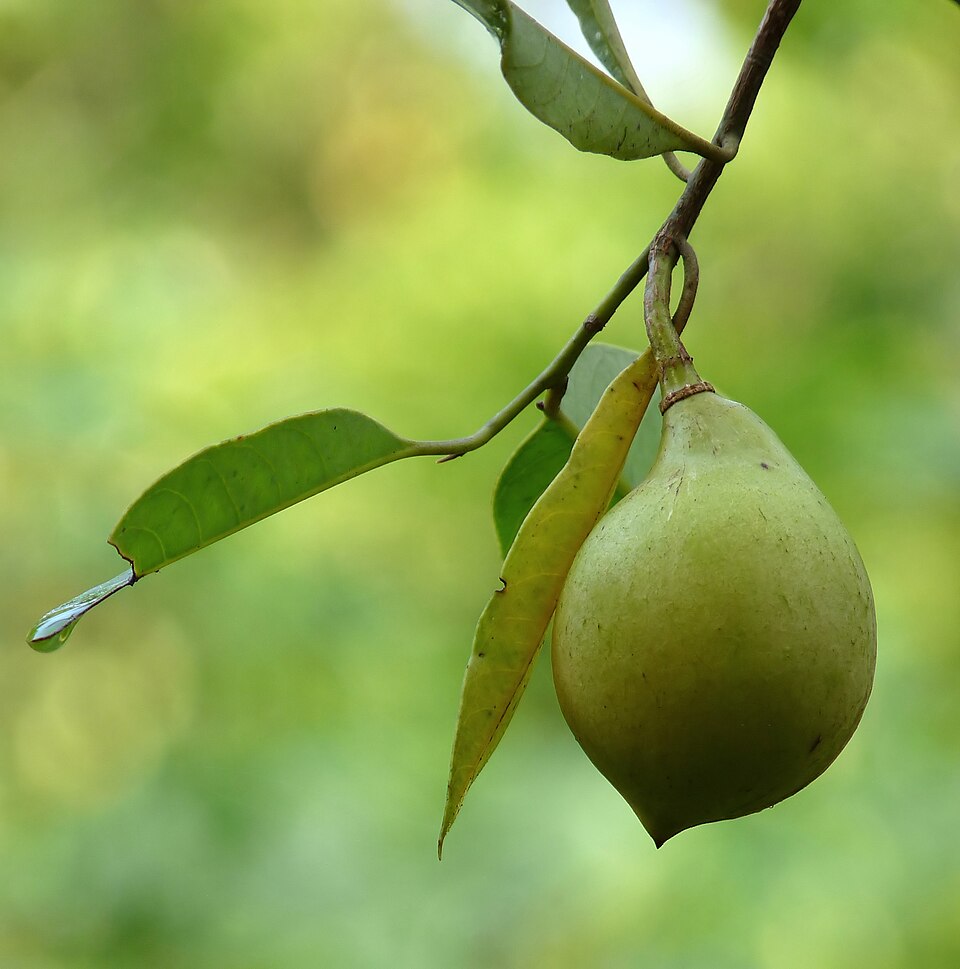
Nutmeg
Myristica fragrans
The warm, sweet spice that once caused wars — lovely by the pinch, genuinely poisonous by the spoonful.
Zum Guide →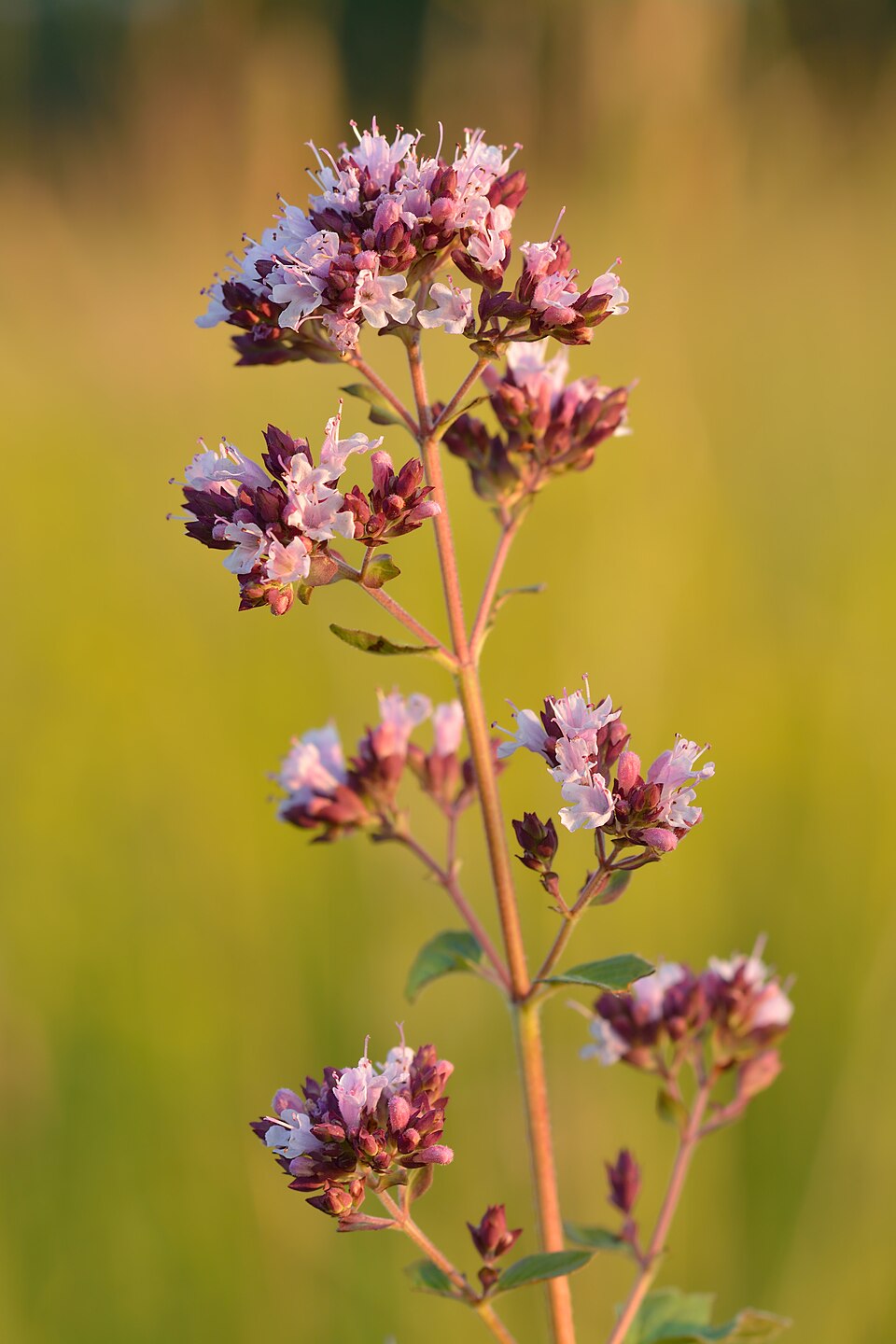
Oregano
Origanum vulgare
The sun-baked Mediterranean herb that tastes better dried than fresh — and whose concentrated oil is a very different thing.
Zum Guide →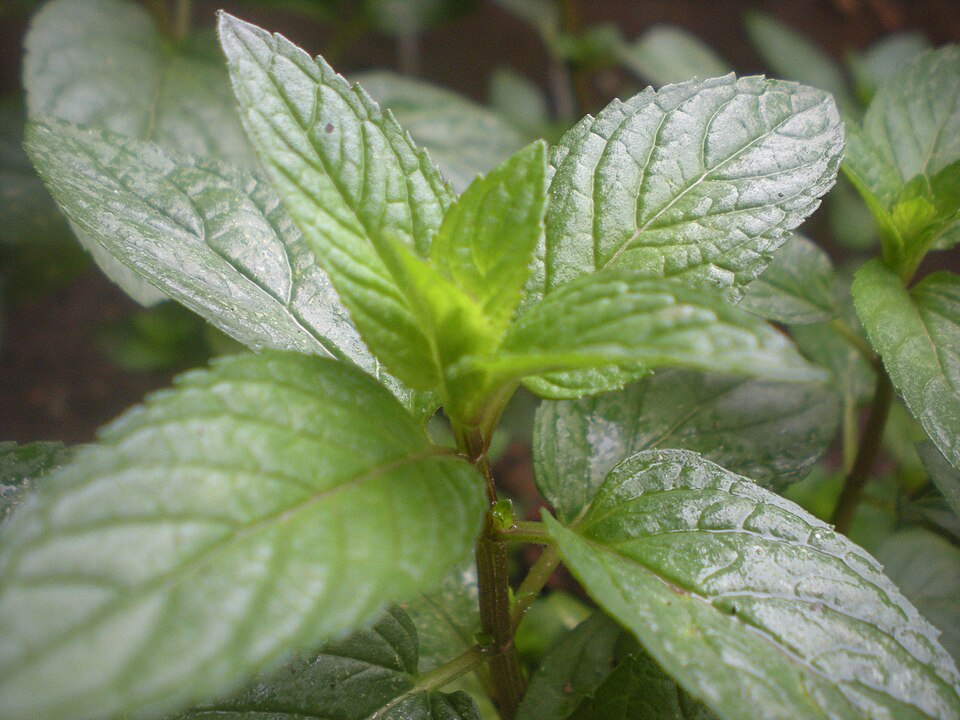
Pfefferminze
Mentha × piperita
Eine kräftige Gartenminze, deren Öl zu den bestbelegten pflanzlichen Behandlungen beim Reizdarmsyndrom zählt.
Zum Guide →
Slippery Elm
Ulmus rubra
A North American tree whose inner bark turns into a soothing gruel — gentle on sore throats and stomachs, but hard on the trees.
Zum Guide →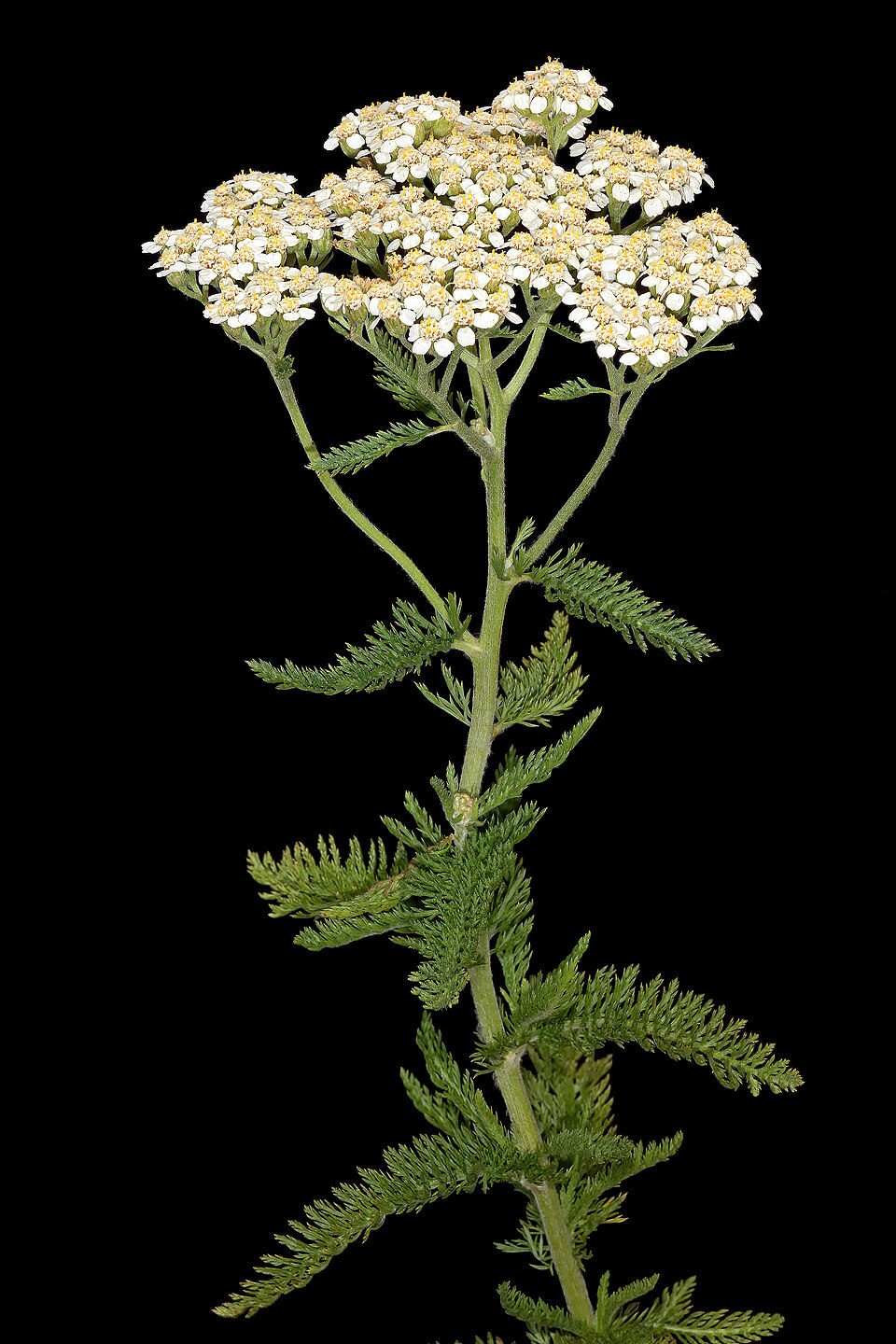
Yarrow
Achillea millefolium
The feathery-leaved wound herb named after Achilles — a bitter tea for sluggish digestion, and one to avoid in pregnancy.
Zum Guide →